

The Time Travel Paradox of Looper
"Looper" is a science fiction film directed by Rian Johnson, released in 2012. The movie delves into the concept of time travel and explores the potential paradoxes that may arise from altering the past.
Here's a detailed explanation of the time travel paradox in "Looper":
In the film's premise, time travel exists in the future, but it is illegal and only available on the black market. Criminal organizations in the future send their targets back in time to be killed by assassins called "loopers." These loopers are individuals who are aware that their future selves might be sent back for assassination.
The primary paradox in "Looper" revolves around the relationship between the present self (young Joe) and the future self (old Joe). When a looper's future self is sent back, it is their job to kill their future self to close their "loop" and earn a final payout. This ensures that there is no evidence left behind in the future.

The paradox arises when old Joe (the future version of the looper) manages to escape his execution and goes on a mission to alter the future. He intends to kill a child named Cid, who grows up to become a powerful crime boss called the Rainmaker in the future. However, young Joe realizes the consequences of this action and attempts to protect Cid, leading to a conflict between their future and present selves.
The paradox becomes apparent when the film explores the idea of changing the past to affect the future. Old Joe's actions in the past directly influence young Joe's motivations and choices. If old Joe succeeds in killing Cid in the past, it would prevent the rise of the Rainmaker and alter the future. However, this would also erase the reason for old Joe to travel back in time in the first place.
This paradox raises questions about causality, free will, and the potential for creating paradoxical situations. The film suggests that altering the past can have significant consequences, but it also hints at the idea that some events may be predestined and difficult to change.
One way to understand the time travel paradox in "Looper" is through the concept of a causal loop or a closed time-like curve. In this scenario, an event in the future causes an effect in the past, which ultimately leads to the same event in the future. The loop perpetuates itself, creating a paradox where the past and future become inextricably linked.
In "Looper," the paradox arises from the attempt to change the future by altering events in the past. However, the film also suggests that certain events are destined to happen, and attempting to change them only leads to unintended consequences.
It is important to note that the time travel mechanics in "Looper" are not extensively explained, and the focus of the film is more on the characters and their motivations rather than providing a comprehensive scientific explanation of time travel. The film uses time travel as a narrative device to explore themes of fate, identity, and personal responsibility.
In conclusion, the time travel paradox in "Looper" revolves around the complex relationship between the present self and the future self. Attempting to change the past to alter the future creates a paradox where cause and effect become intertwined. The film raises questions about free will, destiny, and the potential consequences of altering the past.
"Looper" is a science fiction film directed by Rian Johnson, released in 2012. The movie delves into the concept of time travel a...
Read Article →
How Looper movie breaks its own 'ín universe' rules
It's a fun watch but gets weighed down at the end by not playing by its own rules.
"Looper" immerses the audience in a world where time travel is not only possible but has been developed and exploited by criminal syndicates. The film establishes time travel as a central theme by emphasizing the role of loopers, assassins who eliminate targets sent from the future. The seamless integration of time travel in the film's premise sets the stage for the exploration of paradoxes and rule-breaking within the narrative.
One of the key elements that distinguishes "Looper" is the introduction of a time travel paradox. The film introduces the concept that a looper's final assignment is to close their own loop by killing their future self. This creates a paradoxical situation where a person exists in two different points in time simultaneously. Johnson skillfully explores the implications of this paradox, raising profound questions about identity, causality, and the consequences of tampering with time.
"Looper" not only presents a time travel paradox but also breaks its own universe rules established at the beginning of the film. Initially, it is established that loopers are bound by a strict code: never let your target escape, never question why they are sent back, and most importantly, never let your future self go. However, as the story progresses, the protagonist, Joe, confronts a moral dilemma when faced with the choice of killing his future self or allowing him to escape. This pivotal moment challenges the established rules, leading to unexpected consequences and a fracture in the film's narrative structure.

The Time Travel Paradox in "Looper"
The Universe Rules in "Looper"
The Impact on Plot and Character Development:
Investigating Rian Johnson's directorial decisions regarding the time travel paradox and rule-breaking
Conclusion
"Looper," directed by Rian Johnson, is a science fiction thriller that delves into the complex concept of time travel . The film p...
Read Article →
Fate to Free Will: Themes Explored in the Film 'Looper'
The story revolves around Joe, a "looper" played by Joseph Gordon-Levitt, (The Dark Knight Rises) whose job is to eliminate individuals sent back in time by criminal organizations. Things take a turn when Joe's future self, played by Bruce Willis, is sent back for assassination. The film also features other significant characters, such as Sara (Emily Blunt), a mother fighting to protect her son, and Abe (Jeff Daniels), a crime boss overseeing the loopers. Through their interactions, the plot delves into the consequences of altering one's own timeline and the implications of personal choices.
The purpose of this essay is to analyze the prominent themes presented in "Looper." By examining the film's exploration of time, fate, and identity, we can gain a deeper understanding of the narrative and the philosophical questions it raises. The themes in "Looper" invite us to reflect on the nature of free will, the impact of our actions, and the complexities of human existence within the framework of time travel.

Time Travel and Its Consequences
In "Looper," time travel serves as a central concept that drives the narrative. The film presents a future where time travel exists but is illegal, used solely by criminal organizations. Loopers are hired assassins who kill targets sent back in time, ensuring that no evidence of their existence remains. This premise introduces the notion of altering the past to affect the future, creating a complex web of cause and effect.
The implications of time travel on the narrative are far-reaching. As Joe's older self is sent back in time, a paradox is created where the present Joe must confront his own future. This concept challenges the linear nature of time and forces characters to grapple with their own existence and the choices they make. The film uses time travel as a device to explore themes of identity, regret, and the weight of one's actions.
Altering the past in "Looper" has significant consequences for the future. The film explores the butterfly effect, showing how even minor changes in the past can have dramatic repercussions in the future. Joe's attempts to change his future and save those he cares about result in unforeseen and often tragic outcomes. This exploration of cause and effect highlights the unpredictable nature of time and the potential dangers of tampering with it.
The moral and ethical dilemmas presented by time travel in the story raise thought-provoking questions. Characters are confronted with choices that challenge their notions of right and wrong. For example, should Joe kill his older self to protect his own future or defy his employers and fight for a different outcome? The film delves into the complexities of personal responsibility, the blurred lines between good and evil, and the consequences of one's actions in a world where time can be manipulated.
Fate vs. Free Will
The theme of fate is prevalent throughout "Looper." The film suggests that certain events are predetermined and inevitable, shaping the characters' lives and actions. This notion of fate is exemplified by the "loop," where the loopers' future selves are sent back to be killed by their younger selves, creating a closed cycle of events. The film raises questions about whether individuals can escape their destined paths or if they are merely playing out roles predetermined by time.The characters in "Looper" struggle with the weight of predetermined outcomes. Joe, in particular, is faced with conflicting desires to change his future and preserve the timeline as it is. He grapples with the realization that his choices may be influenced by external forces beyond his control. The film highlights the tension between accepting one's fate and actively seeking to alter it.
The concept of free will is also explored in "Looper." Characters are presented with choices that challenge the predetermined nature of their lives. Joe's older self, for instance, takes actions to change his future and protect those he cares about. This exploration of free will emphasizes the power of personal agency and the potential for individuals to defy predetermined outcomes.
"Loper" challenges the notion of fate and underscores the significance of personal agency. The film suggests that even in a world where time travel and predetermined events exist, individuals have the ability to make choices that can alter their own destinies. It emphasizes the importance of taking responsibility for one's actions and the potential for individuals to shape their lives, despite the external forces that may influence them.
By examining the theme of fate versus free will, "Looper" invites viewers to contemplate the extent to which our lives are governed by predetermined circumstances and the power we possess to challenge and shape our own destinies. It raises philosophical questions about the nature of choice, the influence of external factors on our decisions, and the potential for personal agency to transcend the bounds of fate.
Identity and Self-Sacrifice
The characters in "Looper" embark on a search for self-identity driven by their motivations and desires. Joe, in particular, undergoes a transformation as he confronts his older self and realizes the impact of his actions. His journey becomes a quest for self-understanding and a struggle to reconcile the choices he has made. Other characters, such as Sara and Abe, also grapple with their identities as they are thrust into circumstances that challenge their beliefs and values.
The film delves into the theme of self-sacrifice as characters make choices that prioritize the greater good over their personal desires. Sara's dedication to protecting her son and Joe's willingness to sacrifice himself for her and her child exemplify acts of selflessness. These sacrifices serve as catalysts for personal growth and reflection, highlighting the transformative power of putting others before oneself.
"Looper" explores the theme of redemption and personal growth through self-sacrifice. Characters are given the opportunity to atone for their past actions and find redemption through acts of selflessness. Joe's journey, in particular, is marked by his pursuit of redemption and the potential for personal growth as he seeks to break the cycle of violence and create a better future.
Violence and its Consequences
Violence is a prevalent theme in "Looper," serving as a driving force in the narrative. The film portrays a dystopian world where violence is a routine part of life, particularly for the loopers who are hired assassins. It explores the consequences of this pervasive violence on both an individual and societal level.The impact of violence is felt deeply by the characters in "Looper." Joe, as a looper, is both a perpetrator and victim of violence. The film depicts the toll that violence takes on his psyche and the emotional weight it carries. Other characters, such as Sara and her son, are also affected by the violence around them, leading to a sense of fear, trauma, and the need for self-preservation.
"Looper" examines the cycle of violence and its perpetuation throughout the narrative. The loopers' existence depends on the perpetuation of violence, as they are tasked with killing their future selves. This cycle of violence becomes a metaphor for the cyclical nature of human behavior and the difficulty of breaking free from destructive patterns.
The consequences of violence are explored in "Looper" and raise moral implications. The film presents violence as a double-edged sword, showcasing both its immediate effectiveness in resolving conflicts and the long-term repercussions it brings. It prompts viewers to question the ethical justifications for violence and consider the broader implications of choosing violence as a means to an end.
Through its exploration of violence and its consequences, "Looper" invites viewers to reflect on the inherent human capacity for violence, the impact it has on individuals and society, and the moral and ethical dilemmas it raises. It challenges us to examine alternatives to violence and consider the potential for breaking free from cycles of destruction.
Conclusion
Throughout this essay, we have explored several prominent themes in the film "Looper" directed by Rian Johnson. These themes include time travel and its consequences, the interplay between fate and free will, the exploration of identity and self-sacrifice, and the examination of violence and its consequences.The significance of these themes in "Looper" lies in their ability to provoke philosophical and introspective questions. The film uses its sci-fi premise as a vehicle to delve into deeper human experiences and dilemmas. It challenges viewers to contemplate the nature of time, the impact of our choices, and the complexities of personal identity and morality.
"Looper" conveys enduring messages and lessons. It suggests that our actions have consequences, regardless of the temporal context in which they occur. It encourages us to reflect on the power of personal agency and the potential for growth and redemption. The film also raises ethical questions about violence and prompts us to consider alternative paths to conflict resolution.
In conclusion, "Looper" is a thought-provoking film that explores a multitude of themes with depth and complexity. Its exploration of time travel, fate versus free will, identity and self-sacrifice, and violence and its consequences offers audiences a captivating and philosophical experience. The film invites us to ponder our place in the universe, the choices we make, and the impact we have on ourselves and others. "Looper" reminds us that even within the realm of science fiction, stories can touch upon profound aspects of the human condition, leaving a lasting impact on our minds and hearts.
"Looper," directed by Rian Johnson, is a science fiction thriller that was released in 2012. Set in a dystopian future, the film e...
Read Article →
Roger Deakins - Cinematographer extraordinaire as the science fiction films he's helped craft
Roger Deakins began his career in the film industry as a cameraman and cinematographer in the 1970s. His talent and dedication led to collaborations with prominent directors and production teams, shaping his distinctive style and approach. Notable partnerships with filmmakers such as the Coen Brothers, Sam Mendes, and Denis Villeneuve helped establish Deakins' reputation as a cinematographer of exceptional skill and creativity. Through his work on films like "Barton Fink," "The Shawshank Redemption," and "No Country for Old Men," Deakins honed his craft, showcasing his ability to capture the essence of each story with his unique visual sensibilities and technical prowess.
Cinematography plays a crucial role in science fiction films, as it has the power to transport audiences to new worlds, enhance the narrative, and establish the visual aesthetics of the genre. Through the use of lighting, composition, color grading, and camera movement, cinematographers can create immersive environments and evoke the desired emotions from viewers. In science fiction, where the settings and scenarios often push the boundaries of reality, cinematography becomes even more vital in grounding the story and making it relatable. From the futuristic landscapes of "Star Wars" to the dystopian cityscapes of "Blade Runner," cinematography sets the tone, enhances the world-building, and allows audiences to suspend disbelief, immersing themselves in these fantastical realms.

Roger Deakins has enjoyed a long-standing collaboration with the Coen Brothers, renowned filmmakers known for their versatility across genres. While the Coen Brothers are not primarily associated with science fiction, they have explored the genre in their films, and Deakins' cinematography has played a significant role in these ventures. Films such as "The Man Who Wasn't There" and "A Serious Man" incorporate science fiction elements in their narratives, blurring the line between reality and the surreal. Deakins' visual choices in these films amplify the themes and atmospheres, reinforcing the enigmatic and introspective nature of the stories. Through his lighting and framing, Deakins creates an otherworldly atmosphere, reflecting the characters' psychological journeys and adding a layer of depth to the overall cinematic experience.
One of Roger Deakins' most celebrated works in the science fiction genre is his collaboration with director Denis Villeneuve on "Blade Runner 2049." This visually stunning masterpiece demanded meticulous attention to detail to capture the essence of its dystopian world. Deakins faced the challenge of honoring the original film's aesthetics while bringing his own creative vision to the sequel. Through the innovative use of lighting, color, and composition, Deakins achieved breathtaking visuals that perfectly complemented the film's narrative. The juxtaposition of neon-lit cityscapes with desolate wastelands and the interplay of light and shadow created a palpable sense of atmospheric tension. Iconic scenes, such as the Las Vegas sequence with its radioactive orange hues, showcased Deakins' ability to evoke a sense of desolation and grandeur simultaneously, creating a hauntingly beautiful cinematic experience.
His work won him the Academy Award for Cinematography.
In addition to his work on "Blade Runner 2049," Roger Deakins has made notable contributions to other science fiction films. In Alfonso Cuarón's "Children of Men," Deakins' cinematography immerses the audience in a dystopian future where humanity is facing extinction. Through the use of long takes and handheld camera work, Deakins captures the chaos and despair of a world on the brink. In "Sicario," directed by Villeneuve, Deakins creates a sense of unease and tension through his strategic use of lighting and shadows, enhancing the film's dark and morally ambiguous themes. Additionally, in John Krasinski's "A Quiet Place," Deakins' cinematography contributes to the film's suspenseful atmosphere, utilizing a restrained color palette and strategic framing to heighten the sense of vulnerability in a world where sound is deadly.
Roger Deakins' contribution to science fiction cinematography is nothing short of extraordinary. His collaborations with visionary directors, including the Coen Brothers and Denis Villeneuve, have resulted in visually captivating and narratively compelling films. Deakins' ability to craft breathtaking visuals that enhance the storytelling and emotional impact of the films he works on has solidified his position as a master of his craft. His influence on the science fiction genre is undeniable, and his legacy will continue to inspire future generations of cinematographers to push the boundaries of visual storytelling in film.
Roger Deakins is widely recognized as one of the most accomplished and revered cinematographers in the film industry. With numerous accolade...
Read Article →
Themes of 'Tenet' by Christopher Nolan: Perception, Reality, and the Power of Choice
"Tenet" garnered significant attention upon its release, both from critics and audiences. While the film received praise for its ambition, visual effects, and intricate plot, it also sparked diverse opinions and interpretations due to its intricate and convoluted nature. Some critics hailed it as a masterpiece, highlighting its originality and thought-provoking concepts. However, others found the film confusing or criticized its prioritization of style over character development.
Analyzing the themes in "Tenet" is crucial for a comprehensive understanding of the film. Nolan often incorporates thought-provoking ideas into his works, and "Tenet" is no exception. Exploring the film's underlying themes allows us to delve into its deeper meanings, unravel the complex narrative, and appreciate the layers of storytelling. By discussing these themes, we can gain insight into Nolan's vision, his philosophical inquiries, and the larger implications of the story he presents.

Time and Temporality
Time inversion greatly influences the narrative structure and plot progression of "Tenet." The concept introduces a nonlinear storytelling approach, where scenes in forward and reverse time intertwine. This structure keeps the audience engaged and challenges them to piece together the events, mirroring the puzzle-like nature of the film itself. The plot gradually reveals the implications of time inversion, leading to surprising revelations and moments of dramatic tension.
Examination of the philosophical implications of time in "Tenet"
"Tenet" delves into the nature of time, exploring its relationship with entropy and causality. Entropy, which refers to the measure of disorder or randomness in a system, plays a significant role in the film. Time inversion is portrayed as a means to reverse entropy, with objects moving from a state of higher entropy to lower entropy. This exploration raises questions about the nature of time and whether it is inherently tied to the concept of entropy.
Visual and narrative techniques used to convey the theme of time:
Christopher Nolan's visual and narrative techniques play a crucial role in depicting time inversion. The cinematography utilizes stunning practical effects and visual cues to differentiate between normal and inverted timelines. The use of reversed motion, inverted physics, and contrasting color palettes visually represent the concept of time inversion.
The film's editing and sound design enhance the exploration of time as a theme. Scenes are intercut seamlessly, juxtaposing forward and reverse motion to create a sense of disorientation and tension. The sound design, including the innovative use of inverted sound, further amplifies the surreal and temporal aspects of the narrative.
Nolan's non-linear storytelling techniques, a hallmark of his filmmaking style (refer to Memento), serve to emphasize the complexities of time in "Tenet." The fragmented narrative structure invites viewers to actively engage in piecing together the temporal puzzle, mirroring the characters' own attempts to navigate through a convoluted timeline.
The exploration of time and temporality in "Tenet" provides a rich canvas for philosophical contemplation and serves as a driving force behind the film's intricate narrative and visual elements. By incorporating these themes, Christopher Nolan (Oppenheimer, Dunkirk) prompts audiences to question their assumptions about time, perception, and the fundamental nature of reality.
Reality and Perception
The theme of reality is explored through the characters' perception of it. Their understanding of reality shapes their actions and motivations, driving the plot forward. Characters navigate a world where time inversion challenges their perception of cause and effect, blurring the boundaries between what is real and what is perceived.
The film introduces the concept of multiple dimensions, presenting the idea that there are different versions of reality coexisting. This notion further emphasizes the subjective nature of reality, as characters interact with different timelines and encounter alternate versions of themselves. The exploration of multiple dimensions raises questions about the nature of existence and the interplay between different realities.
Examination of the relationship between perception and truth
"Tenet" employs the unreliable narrator trope, contributing to the audience's understanding of the narrative. As the story unfolds, information is selectively revealed, and perspectives are manipulated, creating a sense of uncertainty and challenging the audience's perception of truth. This theme prompts viewers to question the reliability of information and forces them to actively engage with the narrative.
The characters in the film struggle to discern truth from deception, encountering hidden agendas and conflicting narratives. Their choices have significant consequences as they grapple with the impact of their beliefs and actions. This exploration of perception and truth highlights the importance of critical thinking and the potential ramifications of our choices based on our understanding of reality.
Exploration of the visual and narrative techniques used to depict the theme of reality:
Visual effects, set design, and mise-en-scène play a crucial role in conveying different versions of reality in "Tenet." The film utilizes striking visual imagery to depict contrasting environments, both in terms of time and space. The manipulation of visual elements helps to emphasize the divergent realities that characters navigate, creating a sense of disorientation and wonder.
"Tenet" employs ambiguity and symbolism to blur the boundaries between perception and reality. Symbolic motifs and recurring visual cues are used to convey deeper meanings and invite interpretation. This deliberate use of symbolism adds layers of complexity to the narrative, encouraging audiences to actively engage in deciphering the film's themes and messages.
The theme of reality and perception in "Tenet" underscores the complex nature of human understanding and challenges the audience to question their own perception of reality. By exploring the subjective nature of reality and the interplay between perception and truth, the film invites us to reflect on our own beliefs and the consequences they may have.

Agency and Determinism
In "Tenet," the characters grapple with the notion of limited agency in a world where events are predetermined. They find themselves entangled in a complex web of cause and effect, often feeling like they are merely playing their part in a preordained sequence of events. This theme prompts exploration of how characters respond to their perceived lack of control and the ethical implications of their actions.
The film poses ethical dilemmas for the characters, who are aware of predetermined outcomes. They must navigate the moral complexities of their choices, considering the consequences and weighing personal gain against broader considerations. This examination of agency and determinism adds depth to the characters' struggles and raises philosophical questions about the nature of choice and responsibility.
Exploration of the concept of fate and its influence on the plot and character development:
Tenet" delves into the concept of fate and predestination, exploring the implications for personal responsibility. The film suggests that certain events are destined to occur, challenging the characters' sense of agency and free will. This exploration raises questions about whether individuals can truly alter their predetermined paths or if they are destined to fulfill a specific role in the grander scheme of events.
The characters' motivations are influenced by their beliefs about fate. Some characters embrace their predetermined roles, while others strive to defy the expected outcomes. The interplay between fate and personal agency shapes their character development and drives their actions throughout the film.
The moral implications of the characters' actions and their consequences:
"Tenet" presents characters with moral dilemmas as they navigate the complexities of their choices within the context of determinism. The pursuit of their goals often requires them to make difficult decisions, weighing the potential harm caused against the greater good. The film raises questions about the nature of morality in a world where events are seemingly predetermined and explores the consequences of the characters' moral choices.
The film offers commentary on the nature of good and evil within the context of determinism. It challenges the notion of clear-cut moral absolutes and suggests that moral choices are often complex and context-dependent. The characters' actions and the consequences they face provoke reflection on the nature of morality and the ethical considerations inherent in a world governed by predetermined events.
The theme of agency and determinism in "Tenet" prompts viewers to consider the nature of choice, responsibility, and moral decision-making in the face of perceived predetermined outcomes. By exploring these themes, the film invites philosophical contemplation and prompts reflection on the complexities of human agency and the consequences of our choices.
Trust and Betrayal
The film portrays trust as a fragile and valuable commodity. Characters must discern who to trust amidst a web of intrigue and manipulation, as their very survival and the success of their mission depend on it. This theme highlights the importance of trust in personal and professional relationships and emphasizes the consequences of misplaced trust.
The characters' motivations for betrayal and their consequences:
"Tenet" delves into the characters' conflicting loyalties and the reasons behind their betrayals. Motivations for betrayal can range from self-preservation to personal gain or ideological differences. The film explores the complexity of human nature and the moral gray areas that lead characters to make choices that betray others.
Betrayal in the film has significant repercussions for the characters and the narrative trajectory. Betrayals can unravel alliances, shift power dynamics, and alter the course of events. The consequences of betrayal in "Tenet" serve to heighten tension, deepen character conflicts, and contribute to the intricate plot twists and turns.
The theme of trust ties into broader themes of personal relationships and global security. "Tenet" suggests that trust and betrayal have far-reaching consequences beyond individual interactions, affecting the fabric of society and the stability of the world. The film's commentary on loyalty prompts reflection on the fragile nature of trust and the importance of maintaining it for the greater good.
Conclusion
Christopher Nolan's portrayal of these themes in "Tenet" demonstrates his ability to create intricate and thought-provoking narratives. The film's complex storytelling techniques, visual effects, and symbolism effectively convey the themes, challenging the audience's perception and inviting philosophical contemplation. Nolan's attention to detail and meticulous craftsmanship contribute to the effectiveness of his portrayal of these themes.
"Tenet" showcases thematic depth, engaging the audience on multiple levels. The exploration of profound concepts, such as time, reality, agency, and trust, sparks intellectual curiosity and prompts viewers to reflect on their own understanding of these themes. The film's intricate plot and visual spectacle leave a lasting impact, inviting discussion and interpretation long after the viewing experience.
"Tenet" holds significance within Christopher Nolan's filmography as another example of his signature style and thematic exploration. The film's unique blend of science fiction, action, and philosophical inquiry aligns with Nolan's oeuvre, further solidifying his reputation as a visionary filmmaker. "Tenet" contributes to Nolan's legacy as a director who pushes boundaries and challenges audiences' perceptions, leaving an indelible mark on the cinematic landscape.
"Tenet" is a science fiction action-thriller film directed by Christopher Nolan ( Inception , The Prestige ), known for his intric...
Read Article →
Did the 'Heir to the Empire trilogy' truly re-invigorate Star Wars in the 1990s?
In the early 1990s, the Star Wars franchise had lost much of its momentum. After the release of "Return of the Jedi" in 1983, the excitement surrounding the galaxy far, far away gradually waned. However, in 1991, a monumental literary series called "The Thrawn Trilogy" by Timothy Zahn emerged as a groundbreaking force, reigniting the passion for Star Wars among fans and effectively revitalizing the entire franchise. This essay will delve into the various ways in which The Thrawn Trilogy revitalized the popularity of the Star Wars franchise, solidifying its position as a cultural phenomenon.
"The Thrawn Trilogy," comprising "Heir to the Empire" (1991), "Dark Force Rising" (1992), and "The Last Command" (1993), introduced a captivating storyline set five years after the events of "Return of the Jedi." The trilogy not only expanded the Star Wars universe beyond the original trilogy but also laid the groundwork for a rich tapestry of stories known as the Expanded Universe (EU). It introduced new planets, species, and characters, providing readers with a vast and immersive world to explore.
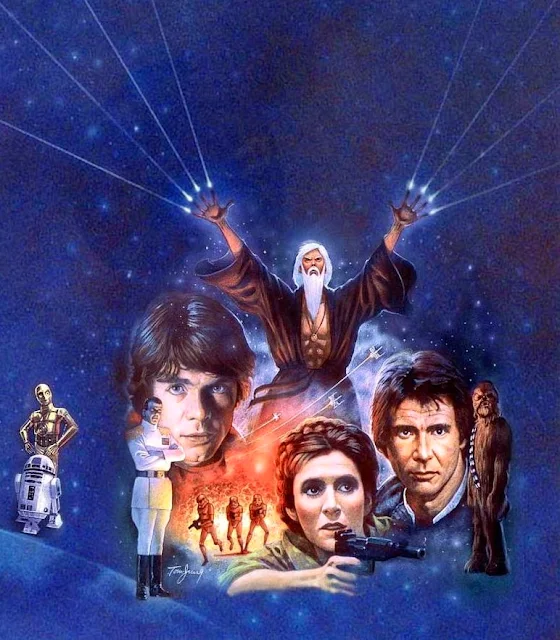
Timothy Zahn's creation of the enigmatic Grand Admiral Thrawn breathed new life into the Star Wars universe. Thrawn, a strategic military genius from the remnants of the Empire, emerged as a formidable antagonist to the New Republic. Unlike previous villains, Thrawn possessed a unique blend of intellect, culture, and unyielding determination. His strategic brilliance, coupled with his calm and collected demeanor, made him an instantly iconic and memorable character.
The introduction of Thrawn generated immense excitement and intrigue among fans. Readers were enthralled by the presence of a new and compelling antagonist, sparking renewed interest in the Star Wars franchise. The mystery surrounding Thrawn's origins, his calculated moves, and his ability to anticipate his enemies' actions created a sense of anticipation and suspense throughout the trilogy. Thrawn's popularity soon transcended the pages of the books, as fans clamored for more stories featuring this captivating character.
"The Thrawn Trilogy" skillfully recaptured the spirit of the original Star Wars trilogy, rekindling the magic and nostalgia that fans had experienced during the franchise's early days. The books expertly blended elements of action, adventure, and themes of heroism and hope, evoking the essence of what made Star Wars so beloved in the first place. Through engaging storytelling and well-crafted characters, the trilogy harkened back to the excitement and wonder that fans had initially felt when they first encountered the galaxy far, far away
The Thrawn Trilogy reinvigorated the Star Wars fan community, fostering lively discussions, theories, and anticipation for future Star Wars content. Fans passionately debated the implications of the events in the books, speculated about the fate of their favorite characters, and eagerly awaited subsequent novels. The trilogy sparked a renewed sense of camaraderie among Star Wars enthusiasts, who eagerly connected with one another to share their love for the franchise and its revitalized storytelling.
The success of "The Thrawn Trilogy" had a lasting impact on the official Star Wars canon. Elements introduced in the trilogy, such as the character of Thrawn and the concept of the New Republic's struggle against the remnants of the Empire, were incorporated into subsequent media. Thrawn's popularity led to his inclusion in other Star Wars novels, comics, and animated series, solidifying his importance and relevance within the larger Star Wars universe.
The revitalization brought about by The Thrawn Trilogy acted as a catalyst for the renaissance of Star Wars. The trilogy's success demonstrated the enduring appeal of the franchise and directly influenced the decision to produce new Star Wars films, television series, and other projects. The resurgence of Star Wars can be attributed, in part, to the enthusiasm generated by The Thrawn Trilogy, which paved the way for a new era of Star Wars storytelling that continues to captivate audiences to this day.
The Thrawn Trilogy, with its expansive universe, a continuation of beloved characters, introduction of a captivating antagonist, and recapturing of the Star Wars magic, played a pivotal role in revitalizing the popularity of the franchise. Through Timothy Zahn's masterful storytelling, The Thrawn Trilogy not only expanded the Star Wars universe but also set the stage for the Expanded Universe and influenced the future of Star Wars storytelling. Its impact on the fan community, official canon, and subsequent Star Wars projects further solidify its position as a groundbreaking series that breathed new life into a beloved and iconic franchise.Timothy Zahn, the author of "The Thrawn Trilogy," has acknowledged the significant impact his novels had on revitalizing the Star Wars franchise. While he recognized that multiple factors contributed to the resurgence of Star Wars, Zahn's trilogy played a pivotal role in reigniting the fanbase's passion for the galaxy far, far away.
Zahn has expressed his gratitude for the opportunity to contribute to the Star Wars universe and has acknowledged the enthusiasm and support from fans as a driving force behind the trilogy's success. He recognized that his books filled a void in the Star Wars narrative and provided fans with new adventures and beloved characters to follow.
In interviews and conversations, Zahn has humbly acknowledged that he was fortunate to be in the right place at the right time with "The Thrawn Trilogy." He recognized the hunger fans had for more Star Wars content and aimed to deliver a story that captured the essence of what made the original trilogy so beloved.
While Zahn is undoubtedly proud of the impact his novels had on revitalizing the Star Wars franchise, he has also acknowledged the contributions of other creators, filmmakers, and the overall cultural significance of the Star Wars brand in the resurgence of its popularity.
In the early 1990s, the Star Wars franchise had lost much of its momentum. After the release of " Return of the Jedi" in 1983, th...
Read Article →
The Rise, Fall, and Legacy of Joruus C'baoth in the "Heir to the Empire" Trilogy
Joruus C'baoth was born on the planet Jomark, a remote world in the Outer Rim Territories. At a young age, he exhibited a strong connection to the Force, drawing the attention of Jedi recruiters. Recognizing his potential, he was taken to the Jedi Temple on Coruscant to commence his training. Under the guidance of renowned Jedi Masters, C'baoth excelled in his studies, displaying a remarkable affinity for telekinesis and mind control. However, even during his early years, there were hints of his unconventional and volatile nature, as he often struggled with his temper and impatience.
As C'baoth's Jedi training progressed, his reputation as a prodigious Force user grew. He showcased an extraordinary talent for battle strategy, becoming an expert tactician. This combined with his commanding presence and persuasive skills gained him a significant following among his fellow Jedi. C'baoth's influence within the Order continued to rise, earning him the esteemed title of Jedi Master.

During the tumultuous years of the Clone Wars, C'baoth took an active role in the conflict as a general in the Republic's military. Leading clone troopers into battle, he displayed a ruthless determination to achieve victory at any cost. His methods often clashed with the traditional Jedi teachings, as he favored a more aggressive and authoritarian approach. These tendencies caused friction within the Jedi Order, and many of his peers questioned the ethical implications of his actions. Despite the controversy, C'baoth's successes on the battlefield solidified his reputation as a formidable and capable leader.
As the Clone Wars came to an end and the Galactic Empire ascended to power, C'baoth's disillusionment with the Jedi Order deepened. He grew resentful of their perceived complacency and lack of assertiveness in the face of the Empire's oppressive regime. Consumed by his desire for control and his belief in the Jedi's duty to restore peace and justice, C'baoth gradually succumbed to the seductive whispers of the dark side. Embracing his newfound power, he renounced his ties to the Jedi Order and proclaimed himself a Jedi Knight, independent of the Council's authority.
In "The Last Command," the final installment of the "Heir to the Empire" trilogy, the destiny of Joruus C'baoth takes a dramatic turn. Seeking to assert his dominance and fulfill his vision of a new order, C'baoth becomes embroiled in a climactic battle against the New Republic forces led by Luke Skywalker, Han Solo, and Leia Organa. His immense power and unwavering determination make him a formidable adversary, challenging the heroes at every turn.
However, as the conflict intensifies, C'baoth's inner turmoil and growing instability become increasingly apparent. His descent into darkness and the twisted version of the Jedi Code he has embraced ultimately prove to be his undoing. In a final showdown, C'baoth faces off against Luke Skywalker, his former student and the embodiment of the light side of the Force. Despite C'baoth's formidable abilities, Luke's unwavering resolve and his refusal to succumb to the dark side give him the edge. With a final act of self-sacrifice, Luke delivers the decisive blow, bringing an end to C'baoth's reign of darkness and restoring balance to the Force.
Joruus C'baoth's destiny in "The Last Command" underscores the classic struggle between good and evil, showcasing the triumph of hope, redemption, and the unwavering commitment to the light side. Though C'baoth's story ends in tragedy, his character serves as a cautionary tale, reminding readers of the importance of staying true to one's values and the dangers of succumbing to the seductive allure of the dark side.espite his fall from grace, Joruus C'baoth left a lasting impact on the galaxy.
Joruus C'baoth's complex character serves as a cautionary tale within the Star Wars expanded universe, exploring the fine line between power and corruption. His story stands as a reminder of the temptations and consequences associated with the dark side of the Force. Despite the controversies surrounding his legacy, there is no denying the impact C'baoth had on those who crossed his path and the lasting echoes of his tumultuous existence throughout the galaxy.
Joruus C'baoth was born on the planet Jomark, a remote world in the Outer Rim Territories. At a young age, he exhibited a strong connect...
Read Article →
Themes of The Last Command by Timothy Zahn
"The Last Command" delves deeply into the concept of leadership. The character of Grand Admiral Thrawn embodies strategic brilliance, intellectual prowess, and meticulous planning. Through Thrawn, Zahn examines different styles of leadership and the qualities that make a great leader. Thrawn's ability to anticipate his adversaries' moves challenges the heroes, forcing them to reevaluate their own leadership skills. The novel explores how effective leadership is not solely determined by power, but by adaptability, empathy, and understanding.
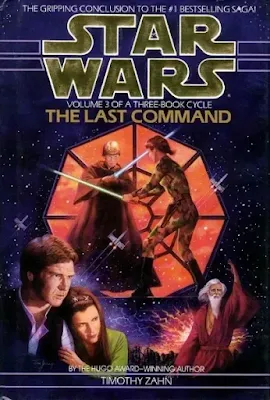
Redemption is a recurring theme in the Star Wars saga, and "The Last Command" continues to explore this idea. Characters like Mara Jade and the fallen Jedi Joruus C'baoth face their own personal battles for redemption. Zahn skillfully portrays the internal struggles these characters face as they confront their past actions and strive to find forgiveness and redemption. The theme of redemption resonates with readers, emphasizing the importance of second chances and the potential for growth and change
In "The Last Command," loyalty and betrayal are central themes that shape the narrative. The novel examines the complexity of loyalty, as characters grapple with conflicting loyalties to their friends, family, and larger causes. Han Solo's loyalty to his friends is tested, while Thrawn skillfully exploits the doubts and fears of others to undermine their loyalty. The theme of betrayal raises questions about trust, allegiance, and the consequences of one's choices, ultimately highlighting the significance of steadfastness and staying true to one's convictions.
As a story set in the Star Wars universe, "The Last Command" inevitably delves into the devastating consequences of war. Zahn depicts the toll of conflict on both a personal and galactic scale, emphasizing the sacrifices made by individuals and entire civilizations. The novel explores the price of war through characters like Leia Organa, who grapples with the dual responsibilities of being a leader and a mother, and Luke Skywalker, who faces the weight of destiny and the burden of making difficult choices. Through these characters, Zahn reminds readers of the human cost of war and the importance of striving for peace.
"The Last Command" by Timothy Zahn not only delivers a thrilling and captivating story but also engages readers with its exploration of various thought-provoking themes. From leadership and redemption to loyalty and the costs of war, Zahn weaves these themes into the narrative, adding depth and resonance to the Star Wars universe. By delving into these themes, the novel prompts readers to reflect on their own lives and consider the significance of these concepts in their own journeys. "The Last Command" continues to be a cherished addition to the Star Wars canon, leaving a lasting impact on readers and fans alike.
"The Last Command" by Timothy Zahn is the final installment in the "Thrawn Trilogy" and a cornerstone of the Star Wars ...
Read Article →
Mara Jade: From Emperor's Hand to Hero - A Journey of Redemption

Mara Jade is a prominent character in the Star Wars expanded universe, particularly in the "Thrawn Trilogy," which consists of th...
Read Article →
The Last Command - Review A Satisfying Conclusion to the Thrawn Trilogy
This concluding chapter in the Thrawn Trilogy showcases Timothy Zahn's mastery of storytelling, drawing readers into a captivating web of intrigue and suspense. The anticipation surrounding the book's release was fueled by the desire to witness the climactic clash between the New Republic and the formidable Grand Admiral Thrawn. Fans eagerly awaited answers to lingering questions and hoped for a satisfying resolution to the intricate plotlines that had been meticulously woven throughout the previous two installments.
"The Last Command" holds significant importance within the Star Wars Expanded Universe. Timothy Zahn's contribution to the franchise not only revived the Star Wars literary universe but also introduced several memorable characters that have become fan favorites. Zahn's ability to seamlessly integrate new elements into the established canon while staying true to the spirit of the original films is commendable. The Thrawn Trilogy's enduring popularity and critical acclaim have solidified its place as a cornerstone of Star Wars literature, setting a high standard for future stories within the Expanded Universe.

Summary of the Plot:
"The Last Command" follows the gripping storyline established in the previous two books of the Thrawn Trilogy. The central conflict revolves around the New Republic's desperate struggle against the brilliant tactician, Grand Admiral Thrawn, who seeks to restore the Empire to its former glory.As the novel unfolds, Thrawn unveils his meticulously planned campaign, employing his tactical genius and knowledge of his adversaries to devastating effect. Meanwhile, Luke Skywalker, Leia Organa, Han Solo, and their allies race against time to gather resources, rally support, and find a way to thwart Thrawn's ambitions.
Throughout the story, readers witness a series of key events and plot developments that drive the narrative forward. These include Thrawn's ingenious military strategies, such as capturing a fleet of dreadnoughts, employing cloaking technology, and orchestrating surprise attacks on the New Republic. The heroes face internal conflicts and personal challenges, grappling with their roles in the ongoing war and the revelations about their own identities. The novel also delves into the intricate web of political maneuverings and power struggles within the Empire and the New Republic, further intensifying the stakes of the conflict.
Amidst the escalating battles and intricate schemes, the characters undergo significant growth and transformation. Luke Skywalker continues his journey as a Jedi Knight, confronting his past and exploring the boundaries of his abilities. Han Solo and Leia Organa face personal trials that test their love and commitment to the cause. Additionally, the enigmatic Mara Jade, introduced earlier in the trilogy, plays a crucial role as she grapples with her past affiliations and finds her place in the struggle against Thrawn.
Ultimately, "The Last Command" builds towards a climactic showdown between Thrawn and the combined forces of the New Republic, culminating in a high-stakes battle that will determine the fate of the galaxy. The novel expertly weaves together action, intrigue, and character development, providing a captivating conclusion to the Thrawn Trilogy.
Character Development:
"The Last Command" showcases the growth and evolution of major characters, allowing readers to witness their development as they face monumental challenges, make crucial decisions, and confront their inner conflicts.Luke Skywalker's character experiences significant growth as he continues his journey as a Jedi Knight. He faces intense trials that test his resolve, wisdom, and mastery of the Force. Throughout the novel, Luke grapples with his past, confronts his fears, and strives to balance his duty to the New Republic with his responsibilities as a Jedi. His journey ultimately leads to a deeper understanding of himself and his role in the galaxy.
Han Solo and Leia Organa's characters face personal trials that impact both their relationship and their commitment to the cause. They grapple with the challenges of parenthood, the strains of war, and the weight of their responsibilities. Their journey involves navigating complex decisions that have far-reaching consequences, forcing them to confront their own doubts and vulnerabilities. Their character arcs highlight the resilience and strength they possess as they fight for what they believe in.
Mara Jade's character undergoes a significant transformation throughout the novel. Initially introduced as an enigmatic and conflicted character, she navigates her loyalties and wrestles with her past affiliations. As the story progresses, Mara Jade plays a pivotal role in the fight against Thrawn, displaying remarkable bravery and a growing sense of purpose. Her character arc highlights her journey of self-discovery and redemption, making her a compelling and integral part of the narrative.
Other characters, such as Admiral Ackbar, Lando Calrissian, and Talon Karrde, also experience growth and contribute to the overall tapestry of the novel. Each character faces unique challenges, makes difficult decisions, and undergoes personal transformations as they navigate the complexities of the galactic conflict.
"The Last Command" expertly weaves together these character arcs, allowing readers to witness the characters' evolution in the face of adversity. Their growth and development add depth and emotional resonance to the story, creating a compelling narrative that explores themes of identity, loyalty, and the power of individual choices within the larger scope of the Star Wars universe.
Themes of The Last Command
"The Last Command" delves into several prominent themes that enrich the narrative and contribute to the enduring legacy of the Star Wars universe. These themes resonate with readers, adding depth and complexity to the story.1. Redemption and Forgiveness: The theme of redemption plays a significant role throughout the novel. Characters such as Mara Jade and even some Imperial officers grapple with their past actions and seek redemption. This theme emphasizes the potential for change and growth, highlighting the capacity for forgiveness and the importance of second chances. A notable scene illustrating this theme is when Mara Jade confronts her past and makes a pivotal choice to align herself with the New Republic, setting her on a path towards redemption.
2. Identity and Self-Discovery: "The Last Command" explores the theme of identity, particularly in relation to Luke Skywalker and Mara Jade. Luke grapples with his identity as a Jedi Knight and his place within the wider galaxy. Mara Jade, on the other hand, struggles to reconcile her former allegiance to the Empire with her new role as an ally of the New Republic. Their journeys of self-discovery allow readers to reflect on the importance of self-acceptance, personal growth, and the choices that shape one's identity.
3. Sacrifice and Duty: The theme of sacrifice is intertwined with the characters' sense of duty and the greater good. The heroes of the New Republic must make difficult choices and personal sacrifices in their fight against Thrawn and the Empire. Scenes such as the selfless acts of heroism during intense battles highlight the characters' unwavering commitment to their cause and the lengths they are willing to go to protect the galaxy.
4. Legacy and the Balance of Power: "The Last Command" explores the consequences of the past and the impact of history on the present. The legacy of the Empire and the struggle for power shape the narrative, raising questions about the balance between order and freedom. The actions of characters such as Thrawn and the heroes of the New Republic carry far-reaching implications for the future of the galaxy. This theme prompts readers to contemplate the cyclical nature of power struggles and the potential for change.
Resolution and Conclusion:
"The Last Command" delivers a satisfying resolution to the central conflict of the Thrawn Trilogy and provides a fitting conclusion to the trilogy as a whole. The final battle between the New Republic and Grand Admiral Thrawn reaches its climax, with high stakes and intense action. The resolution of this conflict not only determines the fate of the characters but also has significant implications for the larger galaxy.In terms of tying up loose ends, "The Last Command" effectively addresses the major plotlines and character arcs that have been developed throughout the trilogy. Readers gain closure as they witness the resolution of key conflicts, the growth and transformation of the characters, and the consequences of their choices. The ending provides a sense of fulfillment and completion, leaving readers with a satisfying conclusion to the storylines they have invested in
"The Last Command" has had a lasting impact on the Star Wars Expanded Universe. Timothy Zahn's trilogy not only revitalized the Star Wars literary landscape but also introduced new characters and concepts that have become integral to the broader canon. The success of the Thrawn Trilogy paved the way for a wealth of future novels, comic books, and other media set within the Expanded Universe. It demonstrated the potential for compelling storytelling outside the realm of the films and expanded the narrative possibilities of the Star Wars universe.
Furthermore, the Thrawn Trilogy, and "The Last Command" in particular, remains highly regarded among fans and critics alike. Its legacy is evident in the continued popularity of the characters introduced, such as Grand Admiral Thrawn and Mara Jade, who have become beloved figures in the Star Wars mythology. The trilogy's impact and enduring reputation have solidified it as a cornerstone of Star Wars literature, with its influence still felt in subsequent works within the Expanded Universe.Timothy Zahn's masterful storytelling, character development, and the significant impact the trilogy had on the Expanded Universe make it an essential read for dedicated Star Wars fans. It successfully expands the Star Wars universe, introducing memorable characters and themes that resonate beyond the pages of the book.
In summary, "The Last Command" provides a satisfying resolution to the central conflict, effectively tying up loose ends and bringing the Thrawn Trilogy to a fitting conclusion. Its impact on the Star Wars Expanded Universe and its legacy are significant, as it revitalized the franchise's literary landscape and introduced enduring characters and concepts. The lasting popularity and acclaim of the Thrawn Trilogy solidify its place as a beloved and influential part of the Star Wars saga.
"The Last Command" serves as the thrilling culmination of Timothy Zahn's remarkable "Thrawn Trilogy." As the final ...
Read Article →
_poster.jpg)


