

Themes of Joaquin Phoenix's Portrayal of the Joker
Let's delve into the profound themes explored in Joaquin Phoenix's portrayal of the Joker. By examining the film's narrative, character development, and underlying messages, we will analyze the societal and psychological issues the film raises, providing a deeper understanding of its impact on audiences.

Society's Alienation and the Individual's Descent into Madness
The Mask of Sanity and the Illusion of Normalcy

The Socio-Political Commentary and Class Divide
Mental Health and Stigma

The Power of Chaos and Anarchy
Bring on FOLIE À DEUX with Lady Gaga as Harley Quinn...
Joaquin Phoenix's Academy Award winning portrayal of the Joker character of the DC universe in the eponymous film garnered widespread a...
Read Article →
Themes of 'Prospect' starring Pedro Pascal and Sophie Thatcher
Prospect, directed by Christopher Caldwell and Zeek Earl, is a sci-fi film that skillfully explores a multitude of thought-provoking themes. By delving into the realms of ambition, ethics, complex human relationships, survival, and morality, Prospect transcends the boundaries of traditional genre conventions. This review will examine the film's nuanced exploration of these themes and their impact on the narrative and audience.

Exploration and Ambition
Prospect captures the innate human desire for exploration and the pursuit of ambitious goals. Through its central characters, Cee and Damon, viewers witness their relentless determination to venture to an alien moon in search of the valuable substance known as "aurelucite." This quest symbolizes humanity's insatiable curiosity and willingness to push boundaries, risking their lives for the promise of great reward. The film vividly depicts the allure of uncharted territories and the thrill of embarking on a journey into the unknown. As Cee and Damon navigate the treacherous moon, the audience is confronted with the consequences and sacrifices that accompany ambitious pursuits. The characters' ambition is both their driving force and their potential downfall, underscoring the complex nature of human aspirations.
Ethics and Resource Exploitation
A central theme in Prospect is the ethical implications of resource exploitation. The valuable aurelucite becomes a focal point of greed, igniting conflicts among the characters. The film poses critical questions regarding the morality of exploiting resources, particularly in unfamiliar environments. It prompts viewers to contemplate the consequences of unchecked greed and the potential destruction wrought by the uncontrolled pursuit of wealth. The alien moon serves as a metaphorical representation of our own planet and the dangers of reckless exploitation. By shedding light on the dark side of resource extraction, Prospect offers a cautionary tale, urging viewers to consider the ethical ramifications of our actions and the preservation of delicate ecosystems.
Complex Human Relationships
Prospect intricately explores the dynamics of human relationships, particularly the bond between Cee and Damon. As they traverse the unforgiving terrain of the alien moon, their father-daughter relationship is tested in profound ways. The film portrays the sacrifices parents are willing to make to protect their children, even in the face of overwhelming danger. Cee's coming-of-age journey is punctuated by her evolving connection with her father and her determination to assert her independence. Moreover, the introduction of Ezra, a morally ambiguous character, further complicates the web of relationships within the film. The shifting alliances and betrayals reflect the complex nature of human connections forged under extreme circumstances. Prospect, through its portrayal of these relationships, delves into themes of trust, loyalty, and the human capacity for resilience and adaptation.
Survival and Morality
Survival is a prominent theme in Prospect, as the characters grapple with the harsh realities of the alien moon. The film explores the moral choices that individuals are compelled to make when confronted with life-or-death situations. As the boundaries between right and wrong blur, Prospect challenges conventional notions of morality. It forces viewers to confront the complexity of ethical decision-making in extreme circumstances, where self-preservation often necessitates morally ambiguous actions. The film prompts introspection about the choices we would make in such situations and the potential consequences of compromising our values for survival. By navigating these moral quandaries, Prospect reveals the depths of the human psyche when faced with unimaginable challenges.
Reflections on the Human Condition:
Prospect, at its core, offers a profound reflection on the human condition. Through its exploration of ambition, ethics, complex relationships, survival, and morality, the film invites viewers to contemplate their own values and actions. It presents a mirror to humanity, provoking introspection and encouraging a deeper examination of our ambitions, responsibilities, and the consequences of our choices. Prospect's thought-provoking themes challenge us to consider the impact of our actions on both our immediate surroundings and the broader world.
Conclusion
Prospect ventures beyond the boundaries of traditional sci-fi films by masterfully exploring a range of thought-provoking themes. Through its examination of exploration, ethics, complex human relationships, survival, and morality, the film invites viewers on a journey of introspection. Prospect serves as a powerful reminder that within the realms of science fiction, we can find profound reflections on our own humanity and the moral complexities that shape our lives.
Prospect , directed by Christopher Caldwell and Zeek Earl, is a sci-fi film that skillfully explores a multitude of thought-provoking themes...
Read Article →
Prospect: A Thought-Provoking Journey into Morality and Survival
Prospect introduces us to a young girl named Cee (Sophie Thatcher) and her father, Damon (Jay Duplass), who venture to a remote alien moon in search of a valuable substance called "aurelucite." The film's plot centers around the intense struggle for survival as they navigate the treacherous environment, encountering both human and alien threats along the way.
One of the standout aspects of Prospect is its meticulously crafted world-building. From the moment the film begins, viewers are transported to a gritty, atmospheric frontier filled with lush forests, toxic flora, and otherworldly landscapes.
The performances in Prospect are nothing short of outstanding. Sophie Thatcher delivers a nuanced and compelling portrayal of Cee, a young girl who must confront her fears and find her inner strength amidst the dangers of the alien moon.
The cinematography in Prospect is breathtaking, capturing the eerie beauty of the alien moon with stunning visuals. Wide shots showcase the vastness and isolation of the landscape, while intimate close-ups reveal the characters' emotions and vulnerabilities.
Beyond its thrilling adventure and stunning visuals, Prospect explores deeper themes such as the human desire for exploration, the ethical implications of resource exploitation, and the complexities of human relationships. T
Prospect is a remarkable sci-fi film that stands out for its engaging plot, immersive world-building, captivating performances, atmospheric cinematography, and thought-provoking themes. It is a testament to the power of independent filmmaking, delivering a compelling narrative with moments of thrilling tension, visual splendor, and emotional depth.
Prospect, directed by Christopher Caldwell and Zeek Earl , is a mesmerizing sci-fi film that takes viewers on an immersive journey into an ...
Read Article →
Spielberg's "Ready Player One": An Entertaining Dive into the World of Virtual Reality
"Ready Player One," directed by the legendary Steven Spielberg, takes audiences on a thrilling and visually stunning journey into the world of virtual reality. Based on Ernest Cline's best-selling novel, this action-adventure film offers an immersive experience filled with nostalgia, heart, and an impressive display of visual effects.
Review Rating: ★★★★☆ (4/5)
The film is set in the year 2045, where a significant portion of the world's population seeks refuge from the harsh realities of their lives in a virtual universe known as the OASIS. The story follows Wade Watts (played by Tye Sheridan), an ordinary teenager with an extraordinary passion for the OASIS. When the creator of the OASIS, James Halliday (played by Mark Rylance), unveils a high-stakes Easter egg hunt within the virtual world, Wade becomes determined to win and claim the ultimate prize.
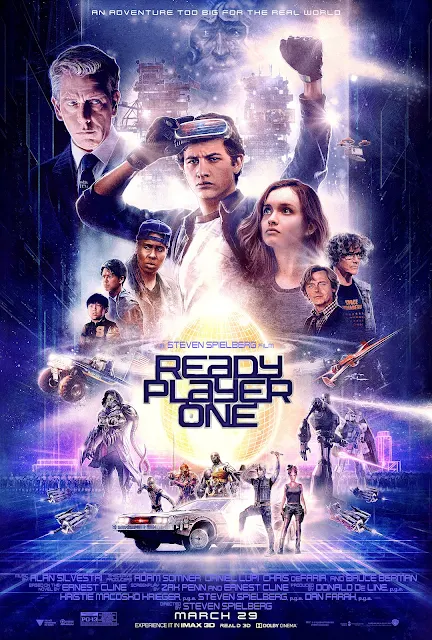
One of the film's standout qualities is its nostalgic appeal. Spielberg masterfully infuses the story with references to '80s and '90s pop culture, paying homage to classic films, video games, and music that will delight fans of the era. These references add an extra layer of enjoyment, especially for those who grew up during that time. The film strikes a balance between catering to nostalgia and creating an engaging narrative that stands on its own.
Visually, "Ready Player One" is a spectacle to behold. The depiction of the OASIS is stunning, showcasing vibrant and imaginative worlds that capture the essence of escapism. From dazzling races through futuristic cities to breathtaking battles in virtual arenas, the film seamlessly blends CGI with live-action sequences, resulting in a visually immersive experience that keeps the audience engaged throughout.
The cast delivers solid performances, with Tye Sheridan portraying Wade Watts as a relatable and determined protagonist. Olivia Cooke shines as Art3mis, a rebellious and resourceful fellow "gunter" (egg hunter), bringing a strong female presence to the story. Mark Rylance's portrayal of James Halliday adds depth and intrigue to the enigmatic creator of the OASIS, while Ben Mendelsohn excels as the film's main antagonist, Nolan Sorrento.
While the film primarily focuses on spectacle and entertainment, it occasionally glosses over certain character development and plot elements. Some of the supporting characters, including Wade's friends, could have been more fleshed out to create a stronger emotional connection. Additionally, the film's pacing feels rushed at times, sacrificing deeper exploration of the OASIS and its impact on society.
However, despite these minor shortcomings, "Ready Player One" remains an enjoyable cinematic experience. Spielberg's skillful direction, combined with a visually stunning world and nostalgic references, make for an exciting and entertaining film. It successfully captures the essence of the source material and serves as a love letter to pop culture and the power of imagination.
In conclusion, "Ready Player One" is a must-watch for fans of virtual reality, '80s and '90s pop culture, and thrilling adventures. While it may not delve as deeply into its characters and world-building as some may hope, the film compensates with its impressive visuals and captivating storyline. Strap in for a nostalgia-filled joyride that will leave you wanting to explore the limitless possibilities of the OASIS long after the credits roll.
Here's a list of just some of the pop culture cameo used in Ready Player One:
- The Iron Giant
- Back to the Future
- King Kong
- The Shining
- The Breakfast Club
- Gundam
- Hello Kitty
- Minecraft
- Halo
- Overwatch
- Street Fighter
- Batman
- Superman
- The A-Team
- Beetlejuice
- Chucky
- Tron
- Akira
- Mad Max
- Alien
- Godzilla
- Sonic the Hedgehog
- Lara Croft (Tomb Raider)
- Battletoads
- Duke Nukem
- Teenage Mutant Ninja Turtles
- The Lord of the Rings
- Friday the 13th
- Nightmare on Elm Street
- The Wizard of Oz
- RoboCop
- Monty Python and the Holy Grail
- The Goonies
- Willy Wonka and the Chocolate Factory
- Avatar
- Pac-Man
- Space Invaders
- Atari
- Commodore 64
- Rubik's Cube
- The DeLorean car from Back to the Future
- Bigfoot monster truck
- The Batmobile
- The A-Team van
- Godzilla's roar
- He-Man and Skeletor
- The music of Van Halen
- The music of Prince
- The music of Duran Duran
- The music of Rush
- The music of Twisted Sister
- The music of New Order
- The music of Tears for Fears
- The music of a-ha (Take On Me)
- The music of Billy Idol
- The music of The Police
- The music of Joan Jett
- The music of AC/DC directed by the legendary Steven Spielberg
"Ready Player One," directed by the legendary Steven Spielberg , takes audiences on a thrilling and visually stunning journey into...
Read Article →
Are we ever gonna get cloned Dinosaurs from ancient amber clad DNA?
At the time of Jurassic Park's release, the idea of using DNA to clone dinosaurs was a novel idea for many a filmgoer.
Throughout the years, these movies have enthralled audiences by presenting the possibility of resurrecting extinct creatures from prehistoric times.
Let's consider the scientific and ethical implications of this theme, examining its portrayal in films and its impact on popular culture.
In Jurassic Park (Spielberg), the foundation for cloning dinosaurs is established by extracting and reconstructing ancient DNA trapped within preserved mosquitoes found in amber. This concept stimulates our imagination and challenges our understanding of genetic science. While it may seem fantastical, advancements in DNA sequencing and manipulation have blurred the line between science fiction and reality.
However, the scientific feasibility of cloning dinosaurs from fossilized remains is highly improbable. In reality, DNA degrades over time, making such cloning endeavors implausible. Nonetheless, the theme of DNA cloning in the Jurassic Park films serves as a platform to explore ethical dilemmas and the consequences of tampering with nature, even if the scientific basis is stretched for the sake of storytelling.
The Jurassic Park franchise also tackles the ethical considerations surrounding cloning and genetic engineering. Characters in the films wrestle with the ethical boundaries of playing "God" by resurrecting extinct creatures. This theme raises crucial questions about the responsibilities of scientists, the preservation of ecosystems, and the potential dangers of genetic manipulation.

Moreover, the films depict unintended chaos and destruction resulting from the revival of dinosaurs. This portrayal warns of the potential dangers of tampering with nature and emphasizes the importance of responsible scientific practices. It serves as a cautionary tale, reminding us of the delicate balance of ecosystems and the potential ramifications of disrupting them.
The concept of cloning dinosaurs has had a profound impact on popular culture. The Jurassic Park films have inspired a fascination with dinosaurs and sparked debates about the feasibility of cloning extinct species. This franchise's success has also motivated a new generation of enthusiasts and scientists to push the boundaries of genetic research.
In conclusion, the theme of using DNA to clone dinosaurs in the Jurassic Park film franchise (and the excellent novel on which the film is based) holds a significant place in popular culture. While the scientific feasibility remains a subject of debate, the films allow us to explore the ethical implications and potential consequences of resurrecting extinct creatures. Ultimately, this theme serves as a reminder of humanity's responsibility to safeguard our natural world and the need for cautious progress in the realm of genetic science.
At the time of Jurassic Park's release, the idea of using DNA to clone dinosaurs was a novel idea for many a filmgoer. Throughout the y...
Read Article →
Perception vs. Reality: Unraveling the Themes of 'Vanilla Sky' with Tom Cruise
"Vanilla Sky" is a psychological thriller directed by Cameron Crowe and starring Tom Cruise in the lead role. The film delves into the complex themes of identity, perception, and reality, challenging the audience's understanding of what is real and what is imagined. Through the enigmatic character played by Tom Cruise, the movie forces viewers to question their own perception of the world and the nature of their own existence.
Here are the key themes of Vanilla Sky.
Identity Crisis
One of the central themes in "Vanilla Sky" is the exploration of an identity crisis. Tom Cruise's character, David Aames, is a wealthy and successful magazine publisher who leads a seemingly perfect life. However, a life-altering accident shatters his reality and leaves him disfigured and emotionally damaged.
As he struggles to reconstruct his life, David's sense of self becomes fragmented, blurring the lines between his real identity and his idealized persona. The film delves into the existential questions of who we are at our core and how external factors can shape our identity.

The Illusion of Perception
Another key theme in the movie is the illusion of perception. "Vanilla Sky" challenges the audience's perception of reality by presenting a narrative that constantly shifts between dreams, memories, and David's subjective experiences. The line between what is real and what is imagined becomes increasingly blurred, making it difficult for both David and the audience to distinguish between truth and fiction. Tom Cruise's portrayal of a man trapped within his own perception creates a sense of unease and forces viewers to question the reliability of their own senses.
Love and Obsession
The theme of love and obsession is intricately woven into the narrative of "Vanilla Sky." David's infatuation with Sofia (played by Penélope Cruz re-creating her performance from Open Your Eyes) drives much of the story, as he becomes consumed by the desire to be with her. The film explores the destructive nature of obsession and the lengths one may go to fulfill their desires. Tom Cruise's performance captures the intensity and complexity of David's emotions, highlighting the repercussions of unchecked obsession and the impact it has on personal relationships.
Redefining Reality
"Vanilla Sky" challenges conventional notions of reality and encourages viewers to question the nature of their own existence. As David grapples with his disfigured face and the blurred boundaries between dreams and reality, the film prompts a deeper examination of the constructs we rely on to define our own realities. Tom Cruise's portrayal of David's inner turmoil adds depth to the exploration of existential questions and invites the audience to ponder the limits of their own perception.
Conclusion
"Vanilla Sky" stands as a thought-provoking film that explores profound themes of identity, perception, and reality. Tom Cruise's compelling performance as the troubled protagonist provides a captivating portrayal of a man caught in the midst of a psychological labyrinth. Through its intricate narrative and mesmerizing visuals, the film challenges the audience to reevaluate their understanding of self and the world around them.
By delving into themes of identity crisis, the illusion of perception, love and obsession, and the redefinition of reality, "Vanilla Sky" remains a haunting cinematic experience that lingers long after the credits roll.
"Vanilla Sky" is a psychological thriller directed by Cameron Crowe and starring Tom Cruise in the lead role. The film delves in...
Read Article →
Harlan Ogilvy personifies the paranoia and fear that grips humanity when faced with an alien invasion - War of the World's real Bad Guy
In the 2005 film adaptation of H.G. Wells' classic science fiction novel "War of the Worlds," the character of Harlan Ogilvy, portrayed by Tim Robbins, plays a pivotal role in the narrative. Ogilvy embodies various themes and adds depth to the story through his actions, mental state, and interactions with other characters. This discussion will delve into the themes represented by Harlan Ogilvy, his role in the plot, and his deteriorating mental state.
Harlan Ogilvy personifies the paranoia and fear that grips humanity when faced with an alien invasion. From his first encounter with the extraterrestrial tripods, Ogilvy is deeply affected by the terror of the situation. His wide-eyed expressions and frantic demeanor symbolize the overwhelming fear that consumes him.
As the narrative progresses, his paranoia intensifies, reflecting the overarching theme of vulnerability and helplessness in the face of an incomprehensible threat. For instance, Ogilvy becomes increasingly convinced that the aliens are tracking him specifically, leading him to take extreme measures to avoid detection.

Furthermore, Ogilvy's actions reflect the desperation that arises when humans confront the annihilation of their species. As chaos ensues and survival instincts kick in, he begins to prioritize his own well-being over the safety of others. His desperation is showcased in his interactions with Ray Ferrier and his family. Ogilvy's behavior towards them becomes increasingly erratic and hostile. He tries to manipulate Ray, suggesting that they should abandon his children to save themselves. This highlights the lengths people may go to in order to cling onto life, even at the expense of others, a sobering portrayal of the darker side of human nature.
Ogilvy serves as a stark contrast to the film's protagonist, Ray Ferrier. While Ferrier initially struggles to protect his family, he gradually adopts a more responsible and protective stance. In contrast, Ogilvy represents the breakdown of sanity and moral compass in the face of the crisis. Their interactions serve as a point of comparison, illustrating the choices individuals make when confronted with extreme circumstances. As Ray fights to keep his family safe, Ogilvy descends into madness, demonstrating the consequences of succumbing to fear and desperation.
Moreover, Ogilvy becomes a catalyst for suspense and tension. His presence amplifies the anxiety and unease felt by the other characters. He behaves unpredictably, becoming a source of internal conflict among the survivors. For example, when Ray's daughter, Rachel, becomes scared and starts crying, Ogilvy's response is harsh and unsympathetic. His erratic behavior and disturbing actions heighten the tension, further immersing the audience in the atmosphere of uncertainty and danger.
Initially, Ogilvy appears as an eccentric but harmless individual. However, as the chaos ensues, he isolates himself from the main group, descending into paranoia. Ogilvy's growing obsession with the alien invaders leads to a breakdown in his mental state, as he becomes increasingly convinced that the aliens are tracking him specifically. This isolation and paranoia fuel his deteriorating mental state, causing him to lose touch with reality and act out in dangerous ways.
His interactions with Ray and his family showcase the extent of his deteriorating mental state. Ogilvy's behavior towards them becomes increasingly aggressive and threatening. He tries to take control and make decisions that prioritize his own survival over the well-being of others. In one instance, he forcefully separates Ray from his daughter and attempts to convince him to leave her behind. This demonstrates the extent to which fear and desperation have eroded his rationality and empathy.
In the 2005 film adaptation of H.G. Wells' classic science fiction novel "War of the Worlds ," the character of Harlan Ogilv...
Read Article →
Steven Spielberg's "War of the Worlds" - Exploring Themes of Alien Machines killing everything in site. Even cats.
Based on H.G. Wells' novel, "War of the Worlds" takes us on a thrilling journey through an alien invasion. Set in modern times, the film follows Ray Ferrier (played terrifically well by Tom Cruise), a divorced and flawed father who must protect his children amidst the chaos. Spielberg's adaptation maintains the relevance of the source material while catering to contemporary audiences. The film masterfully captures the vulnerability of Earth as technologically advanced aliens lay waste to cities and evoke a sense of global panic.

Survival and Human Nature
Survival becomes a central theme in "War of the Worlds." As the characters face the relentless alien onslaught, their true nature emerges. Spielberg skillfully portrays the primal fear and resilience of humanity in the face of unimaginable circumstances. For instance, in a particularly intense scene, Ray and his children witness the initial attack on the city. The camera captures their terrified expressions as buildings crumble and chaos erupts, illustrating the overwhelming nature of the threat.The film explores how survival instincts can bring out both the best and worst in people, showcasing acts of selflessness and heroism alongside instances of selfishness and betrayal.
Family and Redemption
The theme of family dynamics and the quest for redemption permeate "War of the Worlds." Ray Ferrier, initially an estranged and flawed father, undergoes a profound transformation as he fights to protect his children. Spielberg portrays the complexities of familial relationships amidst the chaos of an alien invasion, evoking deep emotional resonance in the audience.One poignant moment occurs when Ray risks his life to rescue his daughter, Rachel, who is trapped in a precarious situation. His determination to protect and reunite with his children reflects the primal instinct of a parent's love. Through their shared hardships, Ray learns, finally, the value of family and finds redemption in his role as a father.
Desperation and Loss of Humanity
"War of the Worlds" explores the theme of desperation and the loss of humanity in the face of a catastrophic event. As the alien invasion unfolds, society crumbles, and individuals are pushed to their limits. Spielberg depicts the breakdown of social order, where survival becomes the primary instinct, leading to acts of desperation and moral compromise.
The film showcases instances where characters resort to theft, violence, and even abandoning others in order to ensure their own survival.
Harlan Ogilvy serves as a compelling embodiment of the theme of desperation and the loss of humanity. Ogilvy, played by Tim Robbins, is a man Ray and his daughter encounter during their journey. Initially, he appears as a fellow survivor seeking refuge. However, as the film progresses, Ogilvy's behavior becomes increasingly erratic and desperate.
He succumbs to paranoia and isolation, losing touch with his humanity in the process. Ogilvy's descent into madness and his eventual violent actions showcase the destructive effects of desperation and the erosion of moral values in extreme circumstances. His character serves as a haunting reminder of the potential darkness that can emerge in individuals when pushed to the brink, underscoring the film's exploration of the theme of desperation and loss of humanity.
The character reminds us somewhat of Howard Stamble from Cloverfield Lane.
Existential Dread and Powerlessness
"War of the Worlds" confronts viewers with the theme of existential dread and the overwhelming sense of powerlessness. The alien invasion presents humanity with an existential threat that defies comprehension and control. Spielberg skillfully portrays the terror and helplessness experienced by the characters as they confront an enemy far superior in technology and strength.
Moments in the film, such as when Ray and his son witness the disintegration of human bodies vaporized by the aliens' heat rays, evoke a deep sense of powerlessness and insignificance in the face of cosmic forces. This theme invites reflection on the human condition and our place in the universe, highlighting the fragility of existence and the inherent vulnerability of humanity.
Soylent Green is people! The aliens are here to use humans as fertilizer
In the thematic context of Spielberg's "War of the Worlds," the concept of aliens waiting to harvest humans is laden with profound implications, weaving a tapestry of existential dread and philosophical contemplation.
This chilling premise transforms the alien invasion from a mere cataclysmic event into a metaphor for the human condition within the vast cosmic order. It presents humanity not as the dominant species, but as mere livestock, unwittingly nurtured over millennia for alien consumption. This notion challenges our perceptions of significance and autonomy, framing our entire history as a prelude to an inevitable harvest.
It evokes a sense of vulnerability and insignificance, compelling us to confront the fragility of human existence and the illusion of control over our destiny. This perspective also mirrors the ethical considerations of our own treatment of other species, subtly critiquing the human tendency to view other forms of life as resources.
In essence, this concept weaves existential horror into the fabric of the narrative, positioning the film not only as a science fiction thriller but as a profound exploration of the human psyche and our place in a potentially indifferent universe.
By incorporating elements that mirror real-world concerns, Spielberg creates a film that provokes thought and discussion on the state of humanity and the potential risks we face. "War of the Worlds" serves as a reminder of our fragility and the importance of balance between our technological advancements and our responsibility towards the world we inhabit.
Conclusion
"War of the Worlds" stands as a testament to Steven Spielberg's directorial prowess. By exploring themes of survival, human nature, family, redemption, and the consequences of technology, the film engages viewers on multiple levels. The film's memorable moments and powerful themes remind us of our fragility, our capacity for growth, and the potential dangers that lie within our own progress.
Through captivating visual storytelling, expert cinematography, and thought-provoking narrative, Spielberg cements "War of the Worlds" as a cinematic masterpiece that leaves a lasting impression on its audience.
Steven Spielberg's "War of the Worlds" ( review ) holds a significant place in the realm of science fiction films. As one of S...
Read Article →
Review: Steven Speilberg's War of the Worlds with Tom Cruise as a dropkick dad who turns out pretty OK in the end
"War of the Worlds" follows the journey of Ray Ferrier, a divorced father played by Tom Cruise, who finds himself thrust into a full-scale alien invasion. As the Earth falls under attack, Ray must protect his children and navigate a perilous landscape ravaged by extraterrestrial forces.
Spielberg approaches the adaptation of H.G. Wells' novel with care, retaining the core elements of the original story while skillfully updating it for the 21st century. The film balances homage to the source material with a contemporary sensibility, allowing modern audiences to connect with the timeless tale of alien invasion.

"War of the Worlds" explores profound thematic elements throughout the narrative. It delves into humanity's vulnerability in the face of a superior force, highlighting the fragility of our existence and the potential consequences of our own technological advancements. Additionally, the film examines the resilience of the human spirit and the lengths to which individuals will go to protect their loved ones in times of crisis.
Spielberg's Vision: Spielberg's directorial style is evident in every frame of "War of the Worlds." His meticulous attention to detail, skilled pacing, and masterful control of suspense elevate the film's intensity. Through his direction, Spielberg immerses the audience in the chaotic and terrifying world of the invasion, heightening the emotional impact of the story.
The film's visual effects are nothing short of spectacular. From the awe-inspiring alien spacecraft hovering over cities to the thrilling and harrowing action sequences, the visual spectacle of "War of the Worlds" is a testament to Spielberg's ability to create breathtaking imagery. The destruction and devastation unleashed upon Earth are visually stunning, adding a sense of scale and realism to the invasion.
The role of sound design and John Williams' score in "War of the Worlds" cannot be overstated. The strategic use of sound amplifies the tension and fear, immersing the audience in the chaos of the invasion. Williams' powerful and haunting score complements the on-screen events, creating an atmosphere of suspense and unease. The combination of sound and music heightens the film's impact, enhancing the overall viewing experience.
Tom Cruise's Performance: Tom Cruise delivers a compelling performance as Ray Ferrier, effectively portraying a flawed yet determined protagonist. Cruise brings depth and vulnerability to the character, allowing the audience to empathize with Ray's struggles and emotional journey. His portrayal captures the essence of a father who is thrust into extraordinary circumstances, showcasing Ray's growth from a disconnected individual to a selfless protector.
Dakota Fanning, as Ray's daughter Rachel, delivers a standout performance, showcasing her talent at a young age. Fanning captures Rachel's fear and resilience, providing a genuine and heartfelt portrayal. Tim Robbins, in the role of Ogilvy, a survivor encountered by Ray, adds an additional layer of complexity to the story. His performance balances both paranoia and desperation, contributing to the film's emotional resonance.
The film effectively depicts the growth and transformation of the main characters throughout their journey. Ray evolves from a distant and estranged father to a self-sacrificing protector, driven by his love for his children. Rachel's character arc reveals her transition from a frightened child to a courageous survivor, displaying resilience in the face of unimaginable horrors. These character arcs, along with the struggles, sacrifices, and ultimate redemption of the protagonists, add depth and emotional weight to the narrative.
"War of the Worlds" excels in building and sustaining tension, creating a palpable sense of impending doom. Spielberg's expert direction, coupled with the film's intense sequences and relentless pacing, keeps audiences on the edge of their seats. From the initial moments of the invasion to the desperate survival attempts, the film consistently maintains a high level of suspense, heightening the viewing experience.
The exploration of family dynamics and the lengths to which individuals go to protect their loved ones form the emotional core of the film. Spielberg delves into the complexities of parental instincts, depicting Ray's unwavering determination to shield his children from harm. The film elicits strong emotions as it portrays the sacrifices made and the resilience displayed by the characters, highlighting the depth of human love and the instinctual drive to protect one's family.
"War of the Worlds" presents several thought-provoking scenes that prompt deeper reflection on humanity, survival instincts, and the consequences of war. One such moment is the chilling basement sequence, where Ray and his daughter hide from danger. This scene raises questions about the human capacity for survival and the lengths individuals are willing to go to save themselves. Additionally, the film's depiction of the destructive consequences of war and the vulnerability of human existence sparks contemplation on the nature of humanity and the impact of our own actions.
The film made a notable contribution to the science fiction genre, particularly in the realm of alien invasion films. Spielberg's approach to the invasion narrative, emphasizing the human perspective and the emotional turmoil experienced by the characters, influenced subsequent films in the genre. "War of the Worlds" set a high bar for the visual effects and immersive world-building of alien invasion stories, inspiring filmmakers to push the boundaries of cinematic spectacle. Its impact can be seen in the subsequent exploration of similar themes and concepts in films and television series that followed.
While "War of the Worlds" primarily serves as a thrilling science fiction tale, it contains elements of potential social and political commentary. Released in 2005, during a time of global anxiety and geopolitical tensions, the film may be seen as reflecting the fears and uncertainties of the era. The invasion and destruction depicted in the film can be interpreted as a metaphor for the vulnerability of societies in the face of external threats.
15 points of production trivia about Steven Spielberg's "War of the Worlds":
1. The film marked Spielberg's second collaboration with actor Tom Cruise, following their successful partnership in "Minority Report" (2002).
2. To achieve the realistic destruction of cities during the alien invasion, the production team used a combination of practical effects and cutting-edge visual effects. Real-life locations were enhanced with computer-generated imagery (CGI) to create the post-apocalyptic landscapes.
3. The iconic tripod alien machines were designed to stand approximately 150 feet tall. They were constructed as a combination of practical models and CGI, with actors later interacting with green screen elements during filming.
4. In order to create a heightened sense of authenticity, the production team consulted with real-life disaster management experts to ensure the depiction of chaos and survival in the film felt genuine.
5. The film's sound design played a crucial role in building tension and immersing audiences in the invasion. Sound designer Richard King used various techniques to create the eerie and otherworldly sounds of the alien tripods.
6. The film's budget was estimated to be around $132 million. It went on to gross over $591 million worldwide, making it a commercial success.
7. Dakota Fanning, who played Rachel Ferrier, Tom Cruise's on-screen daughter, was only 11 years old during filming. Her remarkable performance garnered critical acclaim and solidified her as a talented young actress.
9. The iconic ferry scene, where the characters attempt to escape across the river, was shot on location in Connecticut. The production team had to build a section of the ferry to sink for the sequence, with the rest created using CGI.
10. Tom Cruise performed many of his own stunts in the film, including running through the chaos of the alien attack and being near explosions. His dedication to the role added a level of authenticity to the intense action sequences.
11. The film's script was penned by screenwriter David Koepp, who previously worked with Spielberg on "Jurassic Park" (1993) and "The Lost World: Jurassic Park" (1997).
12. John Williams, a frequent collaborator with Spielberg, composed the film's score. Williams' music added tension, suspense, and emotional depth to the storytelling, enhancing the overall cinematic experience.
13. The film's release date was deliberately chosen to coincide with the 50th anniversary of the original "War of the Worlds" radio broadcast by Orson Welles in 1938, which famously caused panic among listeners who believed it to be a real news report.
14. During filming, Spielberg used various improvisation techniques to capture natural performances from the actors, particularly in intense and emotional scenes. This allowed for authentic reactions and heightened realism.
15. "War of the Worlds" received three Academy Award nominations, including Best Sound Editing, Best Sound Mixing, and Best Visual Effects. The film's visual and technical achievements were recognized by the industry.
Steven Spielberg 's "War of the Worlds" is an enthralling science fiction film that skillfully combines a gripping narrative, ...
Read Article →
What are the Scribes in Rebel Moon?
In Zack Snyder's film "Rebel Moon," the Scribes are depicted as individuals with the unique ability to store and transfer information through their DNA. According to Snyder, these individuals are put into stasis, effectively turning their bodies into hard drives. This implies that their genetic material contains vast amounts of recorded history and knowledge.

The Scribes serve as the record-keepers of the Mother World, responsible for documenting history and preserving it for future generations. Their ability to transfer what they see suggests that they can extract their stored memories and share them with others. This allows individuals to experience historical events as if they were memories.
However, Snyder also mentions that the Scribes can be manipulated by politics, implying that their recordings may not always be impartial or comprehensive. It suggests that they are influenced by external forces and might write down only what they are instructed or allowed to, rather than providing an unbiased account of events.
The concept of the Scribes in "Rebel Moon" appears to combine elements of genetic memory and the manipulation of historical records. Their role in the film seems to be intertwined with political power, suggesting that their ability to record history is not without its limitations and potential for abuse.
In Zack Snyder's film " Rebel Moon ," the Scribes are depicted as individuals with the unique ability to store and transfer in...
Read Article →
_poster.jpg)


