

Profile: Philip Reeve author of Mortal Engines and Railhead
Philip Reeve is an award-winning British author and illustrator, celebrated for his vast, imaginative worlds and intricate storytelling. While best known for his epic Mortal Engines series, his body of work spans whimsical steampunk space operas, futuristic railway adventures, and charmingly illustrated children's books. He was born on February 28, 1966, in Brighton, England.
Early Life and Illustration Career
Reeve grew up in Devon, England, and honed his artistic talents studying illustration at Camberwell College of Arts. Before becoming a full-time novelist, he had a successful career as an illustrator and cartoonist. Notably, he contributed his skills to the hugely popular Horrible Histories book series, giving his work a foundation in making history accessible and engaging, a skill that would later define his writing.

The Mortal Engines Saga
Reeve burst onto the literary scene with his debut novel, Mortal Engines, published in 2001. The book introduced the world to the stunningly original concept of Municipal Darwinism, a post-apocalyptic future where entire cities are mounted on wheels and prey upon one another for resources. The Mortal Engines quartet became a global phenomenon, winning numerous awards, including the Nestlé Children's Book Prize and the Guardian Children's Fiction Prize.
The saga was adapted into a feature film in 2018 by filmmaker Peter Jackson. While the movie received mixed reviews, it was widely praised for its stunning visual effects and faithful production design, bringing Reeve's world to a new audience. The universe was further expanded with the excellent Fever Crumb prequel trilogy and the Night Flights companion stories.
Other Worlds and Collaborations
Beyond the world of traction cities, Reeve has crafted several other beloved series. The Larklight trilogy is a whimsical steampunk adventure set in a Victorian-era solar system, blending history with imaginative space fantasy. The Railhead trilogy offers a more futuristic vision, set in a galaxy connected by a vast network of interstellar railways controlled by artificial intelligences.
In recent years, Reeve has also embarked on a highly successful collaboration with author and illustrator Sarah McIntyre. Together, they have created a series of joyful, hilarious, and heavily illustrated books for younger readers, such as Oliver and the Seawigs and The Legend of Kevin, showcasing his versatility and sense of humor.
Themes and Lasting Impact
Reeve's writing has been praised for its imaginative world-building, strong characters, and compelling storytelling. His books often tackle complex themes, such as the long shadow of history, environmental collapse, the dangers of ideology, and class warfare, making them resonate with both young and adult readers. He currently lives in Dartmoor, Devon, with his wife and son. His twitter feed is great!
Philip Reeve Books in Chronological Order
Here is a corrected list of Philip Reeve's major book series, organized by the publication date of the first book in each series.
The Mortal Engines Quartet
- Mortal Engines (2001)
- Predator's Gold (2003)
- Infernal Devices (2005)
- A Darkling Plain (2006)
The Larklight Trilogy
- Larklight (2006)
- Starcross (2007)
- Mothstorm (2008)
The Fever Crumb Trilogy (Mortal Engines Prequels)
- Fever Crumb (2009)
- A Web of Air (2010)
- Scrivener's Moon (2011)
The Railhead Trilogy
- Railhead (2015)
- Black Light Express (2016)
- Station Zero (2018)
Other Mortal Engines Universe Books
- Night Flights (2018) - *A collection of short stories.*
(Note: This list focuses on his major series. Reeve has also written numerous standalone novels and illustrated books for younger readers.)
Philip Reeve is an award-winning British author and illustrator, celebrated for his vast, imaginative worlds and intricate storytelling. W...
Read Article →
The Role of General Naga in A Darkling Plain
In "A Darkling Plain," the final novel in the Mortal Engines series by Philip Reeve, General Oenone Naga stands as one of the saga's most compelling antagonists. As the Supreme Commander of the Traktion-Verband, the powerful alliance of German-speaking traction cities, his role is critical in driving the final conflict of the age of Municipal Darwinism.
A General Forged by a Predatory World
General Naga is first introduced not as a simple villain, but as a formidable and brilliant military leader. He is the ultimate product of Municipal Darwinism, a man who believes utterly in the right of strong cities to devour the weak. His primary enemy is not the old Anti-Traction League, but the new, terrifying threat of the Green Storm, the fanatical eco-terrorist army led by the Stalker Fang. Naga sees the Green Storm's goal to eradicate all human civilization as an existential threat, and he is fiercely committed to destroying them at any cost. This conviction makes him a powerful, if ruthless, force in the story.
The Moral Complexities of a "Just" War
As the story progresses, Naga's actions become increasingly brutal, showcasing the theme that war makes monsters of even principled men. He is willing to use any means necessary to defeat the Green Storm. When he captures Tom and Hester, he rightly suspects them of having connections to his enemy and has them interrogated. His methods are harsh, but they are the actions of a general in a total war, not a capricious tyrant.

His decision to use ODIN, the ancient orbital weapon, exemplifies his moral crisis. He sees it as the only weapon powerful enough to stop the Stalker Fang's genocidal campaign. While the use of such a weapon is horrifying, Reeve skillfully frames it as a desperate measure against an even greater evil, forcing the reader to question what they might do in his position.
A Father's Final Sacrifice
Naga's ultimate decision to sacrifice himself in a kamikaze attack showcases the tragic and deeply personal nature of his character. As the final battle rages, he sees the Stalker Fang using the traction city of Harrowbarrow as a colossal battering ram to annihilate the wreckage of London. Realizing that his own son is among the survivors on the ground, Naga's focus shifts from grand strategy to a father's protective instinct.
He pilots his command airship directly into Harrowbarrow, destroying it and saving the survivors below. His death is not the end of a villain, but the loss of a passionate, if misguided, leader who, in his final moments, chose to protect his family and his people over his own life. It is a powerful and poignant moment, representing the terrible human cost of the conflict.
Ultimately, General Naga's death marks a significant turning point in the story. It signifies the end of the grand ambitions of the Traktion-Verband and the destructive philosophy of Municipal Darwinism. He stands as a powerful reminder of the moral complexities of war, and how even antagonists can be driven by a fierce, understandable, and ultimately tragic sense of duty.
In "A Darkling Plain," the final novel in the Mortal Engines series by Philip Reeve , General Oenone Naga stands as one of the ...
Read Article →
Blake's 7 final - The greatest ending episode of any sci fi show. Ever
The final episode of Blake's 7 does not go quietly.
It does not soften the blow. It does not send its battered rebels into the stars with a wink, a victory speech, or one last miracle from Orac. Instead, Blake ends with betrayal, gunfire, silence, and one of the coldest final images in British television science fiction.
That is why people still talk about it.
As one of the most ambitious British sci-fi shows of the twentieth century, Blake's 7 was always willing to push against the safe expectations of television adventure. It looked like space opera, but it behaved like political tragedy. It gave viewers rebels, villains, spaceships, teleport bracelets, ruthless computers, glamorous tyrants, and desperate escapes. Then it kept asking the harder question beneath the pulp surface.
What does resistance do to the people who keep resisting?
The answer, in the final episode, is brutal.
Gareth Thomas returns, but Blake is no longer a simple hero
One of the great strengths of the finale is Gareth Thomas's return as Roj Blake. Blake had been absent from the centre of the show for a long time, yet his name never really left it. His absence became part of the mythology. He was no longer just a man. He was the founding wound, the lost leader, the unfinished argument at the heart of Avon’s rebellion.
Thomas does not play Blake as a returning saint. That would have been too easy, and Blake's 7 was rarely interested in easy. His Blake is older in spirit, harder in manner, and more guarded. The warmth is still there in flashes, but it is buried under tactics, suspicion, and survival instinct.
This is what makes his return so effective. The audience wants Blake to come back as proof that something clean and principled has survived. Instead, the episode gives us a Blake who has adapted to the same poisoned universe that shaped Avon. He is still fighting the Federation, but he has learned to lie like everyone else. He uses disguise. He tests loyalties. He performs betrayal to discover truth.
That choice makes sense inside the story. It also kills him.

Paul Darrow’s Avon carries the emotional weight of the finale
Paul Darrow’s performance as Kerr Avon gives the episode its dangerous charge. Avon has always been the show’s sharpest weapon. Cunning, arrogant, funny, ruthless, wounded, and usually several moves ahead of everyone else, he became the gravitational centre of the later series.
But in Blake, Avon is not simply the cold tactician. He is a man running out of certainties.
He has lost the Liberator. He has lost Cally. Xenon Base is gone. Scorpio is failing. His attempt to build a serious anti-Federation alliance has collapsed. Servalan and the Federation have clawed back power. The rebellion is no longer a movement with momentum. It is a shrinking group of damaged people trying to survive long enough to matter.
So Avon goes looking for Blake, not because he has suddenly become sentimental, but because even Avon understands that rebellions need symbols. They need a story people will follow. They need someone who can make survival feel less important than purpose.
That is the irony. Avon may not believe in Blake’s idealism, but by the end he needs Blake’s name.
Gauda Prime: the perfect place for the rebellion to die
The finale is set around Gauda Prime, a planet that feels less like a destination than a warning. It is violent, compromised, and soaked in lawlessness. Soolin’s own history is tied to its brutality, which gives the setting a personal edge. This is not a clean rebel base hidden among noble freedom fighters. It is a place where bounty hunters, criminals, opportunists, and damaged survivors move through a world that has already surrendered to corruption.
That setting is important because it strips away any last fantasy of the rebellion as romantic adventure. The finale is not staged on the Liberator’s flight deck. It is not set in a shining command room. It unfolds in rough terrain, wreckage, hideouts, and rooms where nobody can be sure who anyone really is.
Gauda Prime feels like the moral landscape of the whole series after four seasons of pressure. The Federation has not merely conquered territory. It has shaped the emotional weather. Suspicion is normal. Violence is expected. Trust is a luxury no one can afford.
The plot tightens like a trap
The episode’s structure is deceptively simple. Orac locates Blake on Gauda Prime. Avon and the Scorpio crew go after him. Scorpio is attacked and crashes. Tarrant becomes separated from the others. Blake appears to be working as a bounty hunter. Tarrant believes Blake has betrayed him. Avon arrives with his mind already sharpened toward suspicion.
From there, the finale becomes a tragedy of bad information.
Blake is not betraying the rebellion. He is trying to rebuild it. His bounty hunter act is a test, a grim method of sorting the reliable from the compromised. In a universe of Federation agents and collaborators, that is not irrational. Blake has survived by learning to distrust appearances.
The problem is that Avon has learned the same lesson.
By the time Avon confronts Blake, the situation is already poisoned. Tarrant has seen enough to believe the worst. Blake has withheld enough to look guilty. Avon has suffered enough betrayals to assume that loyalty is usually a mask. Every part of the scene makes emotional sense. That is why it is so cruel.
Loyalty, betrayal, and the cost of never trusting anyone
At its core, "Blake" is a story about loyalty, betrayal, and sacrifice. The brilliance of the episode is that it makes each of those ideas unstable.
Blake is loyal to the cause, but his methods look like betrayal. Avon is loyal to the survival of the crew and, in his own difficult way, to the possibility of rebellion, but his suspicion makes him lethal. Tarrant is trying to warn the others, but his warning becomes one more piece of the fatal misunderstanding.
This is not betrayal as a simple twist. It is betrayal as atmosphere.
The Federation does not need to walk into the room and cleverly trick Avon into killing Blake. The system has already done the deeper work. It has created a universe where Blake must lie to recruit allies, where Tarrant cannot believe what he is seeing, and where Avon cannot recognise trust until he has already shot it dead.
That is what makes the finale more than a shock ending. It is the final consequence of the series’ moral design.
The tragic callback to earlier Blake's 7 stories
The finale lands harder because it calls back, directly and indirectly, to the show’s earlier wounds.
In The Way Back, Blake’s identity was violated by the Federation. His memories were manipulated. His reputation was destroyed. He was turned into a warning against dissent. The final episode brings that concern with truth and identity back in a sharper form. Once again, appearances cannot be trusted. Once again, the Federation’s universe makes reality unstable.
In Pressure Point, Blake’s attack on Central Control exposed the terrible cost of revolutionary belief when it collides with deception and bad intelligence. Gan died because the target was not what Blake thought it was. The finale repeats that pattern on a more intimate scale. This time, the false reading is not a military target. It is Blake himself.
Star One showed Blake at his most mythic, striking at the machinery of Federation control while the wider universe cracked open around him. Blake strips that scale down to a single fatal room. The battle for civilisation has become a battle over whether two men can trust each other for ten seconds.
Terminal also haunts the ending. Avon had already been lured by the image of Blake once before, and that illusion helped lead to the destruction of the Liberator. By the time he reaches Gauda Prime, the idea of Blake is already tangled in loss, manipulation, and danger. When the real Blake finally appears, Avon is emotionally prepared to suspect the fake.
The finale is not simply killing off characters. It is detonating the show’s entire history.
Blake’s death is shocking because Avon is both wrong and understandable
When Avon kills Blake, the moment hurts because the audience can see both sides of the disaster.
Blake has given Avon reasons to doubt him. He has staged himself as a bounty hunter. He has allowed Tarrant to believe the worst. He has delayed the truth. In another episode, that might have been clever spycraft. In this episode, it is a death sentence.
Avon, meanwhile, is not acting from random madness. He is acting from the terrible logic of his life. He has been betrayed before. He has watched plans collapse, lovers deceive him, allies fail, and ideals become traps. His cynicism has often kept him alive. Here, it destroys the one person he came to find.
That is the bleakest joke in the episode. Avon’s survival instinct works perfectly right up until the moment it becomes fatal.

Arlen’s reveal turns the knife
The reveal that Arlen is a Federation officer is the final twist of the blade.
It comes too late to save anyone. That timing is everything. The truth arrives after Blake is dead, after Avon has made the mistake that cannot be undone, and after the crew has been manoeuvred into the Federation’s reach.
Arlen does not need to be one of television’s great villains. She functions as something colder. She is proof that Blake’s paranoia was justified and Avon’s paranoia was misdirected. Blake was right to test people. Avon was right to fear betrayal. Both men were correct about the universe and wrong about the moment in front of them.
That is the horror of the ending. Nobody dies because they were naive. They die because experience has taught them lessons that no longer point in the right direction.
The deaths of Tarrant, Soolin, Vila, and Dayna
After Arlen reveals herself, the episode becomes almost unbearably direct. Federation troops enter. The Scorpio crew is cut down one by one. Tarrant, Soolin, Vila, and Dayna are shot, and the speed of it is part of the shock.
The show does not give each character a grand death speech. There is no long farewell. No heroic framing for everyone. No sentimental slowing of time. The violence is sudden, ugly, and efficient.
That choice fits the series. Blake's 7 was always sceptical of heroic fantasy. Its characters mattered deeply to the audience, but the Federation does not care about narrative importance. It shoots rebels because that is what authoritarian power does when it finally has them trapped.
Vila’s fall is especially cruel because he had always been the great survivor, the cowardly comic relief who often understood danger faster than the brave people around him. Dayna’s death cuts down one of the show’s fiercest fighters. Soolin, cool and lethal, is given no special protection by her competence. Tarrant, often reckless and proud, goes down with the rest.
The sequence says something awful and simple. Skill does not save them. Wit does not save them. Courage does not save them. Being loved by the audience does not save them.
Avon's final smile and the unresolved ending
Then Avon is left alone.
He steps over Blake’s body, raises his gun, and smiles as Federation troops surround him. Shots ring out. The credits begin. The show ends.
It is one of the great unresolved endings because it gives the viewer almost nothing to hold onto. Does Avon die? Does he somehow survive? Is the smile a final act of defiance, a moment of madness, a grim joke, or a man recognising that calculation is finally useless?
The ambiguity matters. It keeps Avon suspended forever in that last impossible second. He is not allowed redemption. He is not allowed explanation. He is not even allowed a confirmed death. He becomes an image: armed, cornered, smiling, and ruined.
Eat your heart out, Tony Soprano.
Long before modern television made ambiguity fashionable, Blake's 7 had already fired its final shots into the dark.
Why the ending upset viewers
It is easy to understand why the finale divided viewers when it first aired. Fans had followed these characters through years of danger, shifting crews, lost ships, impossible odds, and moments of black humour. To end with Blake dead, the crew apparently slaughtered, and Avon facing a firing squad was almost aggressively unsentimental.
Some viewers saw it as bold. Others saw it as needlessly bleak. Both reactions make sense.
The episode denies the basic emotional bargain many adventure stories make with their audience. It does not say that loyalty will be rewarded. It does not say that suffering will be redeemed. It does not say that the cause will triumph because the cause is right. In fact, it suggests something far more uncomfortable: the cause may be right, the enemy may be evil, and the rebels may still lose.
That was not the usual shape of television science fiction heroism in 1981. It still feels harsh now.
Why it now feels like a cult classic
Today, Blake is often treated as one of British sci-fi’s defining cult finales because it does what cult classics so often do. It refuses to behave.
The episode is not polished in the modern prestige television sense. It does not need to be. Its power comes from nerve, structure, performance, and thematic brutality. It understands the emotional contract of the series well enough to break it in the most painful possible way.
Blake's 7 always had a strange and compelling mixture of theatricality, political pessimism, gallows humour, and pulpy invention. The finale concentrates all of that into one last hour. It has a crashed ship, a lost leader, a suspected betrayal, a hidden Federation agent, a massacre, and an ending that still invites argument more than forty years later.
That is cult television at its strongest. Not merely beloved, but argued over. Not merely remembered, but reinterpreted. The ending keeps generating discussion because it is not a closed box. It is a wound.
The performances make the bleakness human
The cast is crucial to why the episode works. Gareth Thomas gives Blake enough warmth to make us believe the old rebel is still in there, but enough hardness to show that time has changed him. Paul Darrow gives Avon a dangerous mix of intelligence, fury, pain, and theatrical control. Steven Pacey’s Tarrant brings the urgency of a man who thinks he has seen the truth and must warn the others. Michael Keating’s Vila, Josette Simon’s Dayna, and Glynis Barber’s Soolin each carry the history of a crew that has been pushed past any reasonable limit.
The final confrontation could have played as melodrama. Instead, it plays as emotional detonation. Blake and Avon are not merely two characters arguing about betrayal. They are two versions of resistance staring at each other after the war has hollowed them out.
Blake still believes in the cause, but he has adopted the methods of secrecy and manipulation. Avon distrusts the cause, but he still needs Blake to make rebellion possible. Their tragedy is not that they are opposites. It is that by the end, they understand each other too late.
The finale’s lasting relevance
Blake remains relevant because its politics are not decorative. The episode is about what happens when authoritarian power does not merely police bodies, but corrodes relationships. The Federation’s great victory is not only that it can send troops into Blake’s base. It is that by the time those troops arrive, the rebels have already lost the ability to trust each other.
That idea still feels sharp. In stories about resistance, the enemy is often imagined as something outside the group: a regime, an army, a tyrant, a surveillance system. Blake's 7 understood that oppressive systems also work internally. They make people suspicious. They make truth harder to recognise. They make loyalty look like a trick.
That is why the finale’s darkness does not feel cheap. It comes from the show’s deepest theme. Rebellion is necessary, but it is not morally magical. It does not automatically make people noble. It does not protect them from fear, ego, pride, trauma, or error.
A bold ending that still refuses comfort
Blake is a bold and controversial finale because it commits fully to the logic of the series. It does not betray Blake's 7. It reveals it.
This was always a story about rebellion under pressure, about compromised people fighting a monstrous system without any guarantee that history would thank them. The finale simply removes the last protective layer. Blake returns and dies. Avon makes the worst mistake of his life. The crew is cut down. The Federation closes in. The last thing we see is not hope, but defiance twisted into something almost unreadable.
That is why the episode still matters. It is not just a shocking ending. It is a statement of purpose.
Blake's 7 ends with its heroes trapped inside the world they spent four seasons trying to defeat. The rebellion may have been just. The enemy may have been vile. Blake may have been right. Avon may have had reasons. None of it is enough. The guns fire anyway, and British science fiction gets one of its most ruthless, unforgettable, cult-classic conclusions.
The final episode of Blake's 7 does not go quietly. It does not soften the blow. It does not send its battered rebe...
Read Article →
The 15 greatest episodes of Ronald D. Moore's Battlestar Galactica
Throughout the series, there are a number of standout episodes that showcase the exceptional writing, directing, and acting that made Battlestar Galactica such a beloved show.
Here are just a few examples of some of the most amazing Battle Star episodes:
 |
| The Last Supper: Why do Cylons believe in God? |
"Scar" (Season 2, Episode 15)
"Sometimes a Great Notion" (Season 4, Episode 11)
"Occupation" (Season 3, Episode 1)
"Kobol's Last Gleaming, Part 2" (Season 1, Episode 13)
"Lay Down Your Burdens, Part 1" (Season 2, Episode 19)
"Pegasus" (Season 2, Episode 10)

"Revelations" (Season 4, Episode 10)
This episode is a major turning point in the series, as it reveals the identity of the "Final Five" Cylons and sets the stage for the show's ultimate resolution. The episode is emotionally charged and full of surprises, including the revelation that Tigh, Tyrol, Anders, and Tory are all Cylons. The reactions of the other characters to this revelation, particularly the anguish of Chief Tyrol and the confusion of President Roslin, are heart-wrenching.
The episode also features a stunning visual sequence in which the fleet jumps into a star system and discovers the ruined remains of Earth.
"Maelstrom" (Season 3, Episode 17)
This episode focuses on the character of Kara "Starbuck" Thrace, who is haunted by visions of her own death. The episode features a number of memorable scenes, including a flashback to Starbuck's relationship with her abusive mother and a dramatic space battle in which Starbuck sacrifices herself to destroy a Cylon base star.
The episode is a tour-de-force for actress Katee Sackhoff, who delivers a powerful performance as Starbuck grapples with her own mortality.
"Daybreak, Part 2" (Season 4, Episode 20)
This episode is the series finale of Battlestar Galactica, and it delivers an emotional, satisfying conclusion to the story. The episode features a number of memorable scenes, including the final confrontation between Adama and Cavil, the revelation of the fate of the surviving members of the fleet, and the poignant final scene between Adama and his daughter, Lee.
The episode is a fitting end to a series that was always focused on the humanity and resilience of its characters.
"Downloaded" (Season 2, Episode 18)

This episode is unique in that it is told from the perspective of the Cylons, specifically the characters of Caprica Six and Sharon "Boomer" Valerii. The episode explores the Cylon perspective on the war, as well as their own internal conflicts and relationships.
The episode is notable for its strong character development, as well as for the striking visual sequence in which Caprica Six and Sharon "download" into new bodies after their deaths. The episode is a standout example of the show's willingness to challenge the viewer's assumptions and explore complex moral and philosophical issues.

"Crossroads: Part 2" (Season 3)
This episode is widely regarded as one of the best in the entire series, and for good reason. It's a dramatic, emotionally charged finale to the third season that brings together many of the show's most important characters in a stunning climax. The episode centers around the trial of Gaius Baltar, who is accused of collaborating with the Cylons.
But the trial is just a backdrop for the real action - the emergence of a mysterious figure known only as the "Fifth Cylon," who is revealed in a shocking final twist. This episode is a masterclass in storytelling, with incredible performances from the entire cast, and it sets up the fourth and final season perfectly.
"Sometimes a Great Notion" (Season 4)
This episode is a standout in the final season of Battlestar Galactica, and it's a true showcase for the talents of the show's writers and actors. The episode is centered around the character of Tyrol, who is struggling with his identity as a Cylon and the consequences of his actions in the previous season.
The story is told through a series of flashbacks, as Tyrol remembers key moments from his life and struggles to come to terms with who he really is. The episode is beautifully shot and edited, with a haunting musical score that perfectly captures the emotional tone of the story. It's a powerful and moving episode that really drives home the show's central themes of identity and belonging.
"Exodus" (Season 3)
This two-part episode is a true epic, with some of the most intense and action-packed moments in the entire series. The episode follows the Galactica and its fleet as they attempt to rescue a group of human prisoners from a Cylon-occupied planet. But the mission is complicated by the arrival of a Cylon basestar, which threatens to destroy the entire fleet. The episode is filled with tense and thrilling moments, as the crew of the Galactica fight for their lives and the lives of the people they're trying to save.
But it's not just an action-packed spectacle - the episode is also filled with poignant character moments, as the survivors struggle with their own demons and try to find meaning in a world that seems destined for destruction.
"Blood on the Scales" (Season 4)
This episode is one of the darkest and most intense in the entire series, and it's a true gut-punch for fans who have grown to love the characters over the course of the show. The episode follows the aftermath of a military coup on the Galactica, as the crew is divided into factions and forced to fight for control of the ship. The episode is brutal and unrelenting, with shocking twists and turns that keep the audience on the edge of their seats.
But what really makes this episode stand out is the incredible performances from the cast, particularly Jamie Bamber as Lee Adama and Michael Hogan as Saul Tigh. It's a powerful and emotional episode that really drives home the stakes of the show and the consequences of the characters' actions.
Why these episodes are amazing comes down to Ronald D. Moore and his writing team
Moore and his team of writers were able to create such rich and complex characters because they were willing to take risks and challenge the audience's expectations. They didn't shy away from difficult topics like religion, politics, and morality, and they weren't afraid to let their characters make mistakes or suffer the consequences of their actions.
At the same time, the writing on Battlestar Galactica was incredibly nuanced and layered. The characters were never just one-dimensional archetypes - they were fully realized individuals with their own hopes, fears, and desires. Even minor characters were given depth and complexity, which made the show feel more like a real world with real people in it.
Another key element of the writing on Battlestar Galactica was the way that the show tackled big ideas and themes. The writers were able to weave together complex philosophical and moral questions into the fabric of the show, without ever sacrificing the story or the characters. Whether it was exploring the nature of humanity and identity, or questioning the ethics of war and violence, the show always managed to be thought-provoking and engaging.
Ultimately, it was the combination of these elements - the focus on character-driven storytelling, the nuanced and layered characters, and the exploration of big ideas and themes - that made Battlestar Galactica such a delight to watch. The writing was consistently excellent throughout the show's run, and it's a testament to the talent and skill of Moore and his team that the show has become such a beloved classic of the genre.
Here is a list of some of the writers who worked on Moore's version of "Battlestar Galactica" and some of the episodes they wrote:
Oh, where to begin with Battlestar Galactica! This critically acclaimed series, developed by Ronald D. Moore , is a sci-fi masterpiece that ...
Read Article →
Profile: Ronald D. Moore
Moore's career began in the 1980s, writing for Star Trek: The Next Generation.
Moore's talent did not go unnoticed, and he soon began writing for other popular science fiction franchises, including Star Trek: Deep Space Nine and Star Trek: Voyager. Moore's work on these shows continued to impress, and he was eventually given the opportunity to create his own show. This show was called Battlestar Galactica, and it would prove to be one of the most significant contributions to the science fiction genre in recent history.
Battlestar Galactica was a complete reimagining of the original 1978 series of the same name.
 |
| Ronald D. Moore |
Moore's career has continued to flourish since Battlestar Galactica. He has worked on several other popular shows, including Outlander and Electric Dreams. In 2019, he signed a multi-year deal with Sony Pictures Television to create and produce original programming for the studio.
Some interesting trivia about Moore includes that he played a Klingon in an episode of Star Trek: The Next Generation, he has a degree in Political Science, and he was a member of the band, "The Towheads," while in college.
Overall, Ronald D. Moore has established himself as one of the most talented and influential science fiction writers of his generation. His work on shows like Battlestar Galactica has left a lasting impact on the genre, and his willingness to tackle difficult themes and take risks has earned him the respect of his peers and fans alike.
Key credits for Moore:
- Star Trek: The Next Generation (1987-1994) - Writer and Producer
- Star Trek: Deep Space Nine (1993-1999) - Writer and Supervising Producer
- Star Trek: Voyager (1995-2001) - Writer and Executive Producer
- Roswell (1999-2002) - Executive Producer and Writer
- Carnivàle (2003-2005) - Consulting Producer and Writer
- Battlestar Galactica (2004-2009) - Developer, Executive Producer, and Writer
- Caprica (2009-2010) - Developer, Executive Producer, and Writer
- Virtuality (2009) - Developer and Executive Producer
- Helix (2014-2015) - Executive Producer
- Outlander (2014-Present) - Developer, Executive Producer, and Writer
- Philip K. Dick's Electric Dreams (2017) - Executive Producer and Writer
Ronald D. Moore is a highly respected American television writer and producer who has made significant contributions to the science fiction ...
Read Article →
Iconic Voice Actors of the Transformers Franchise: Peter Cullen, Frank Welker
Peter Cullen's voice acting as Optimus Prime was particularly noteworthy, as he brought a gravitas and nobility to the character that made him a beloved icon of the franchise. His deep, resonant voice was perfect for the leader of the Autobots, imbuing him with a sense of strength and wisdom that made him feel like a true hero. Cullne's portrayal was so well loved, he voiced Prime in all the live action films too.
Chris Latta's portrayal of Starscream was also particularly memorable. His sneering, treacherous delivery perfectly captured the character's ambitious, conniving personality, and made him one of the most memorable villains of the series.
The rest of the voice cast was equally talented, with each actor bringing their own unique style and personality to their respective roles. From Scatman Crothers' cool and jazzy portrayal of Jazz to Frank Welker's versatile performances as Soundwave, Megatron, and several other Decepticons, the voice over work in the Transformers cartoon show was consistently top-notch.
 |
| Peter Cullen |
Transformers: The Movie
The voice cast for Transformers: The Movie was an incredible assembly of talented actors, including several notable celebrities who lent their voices to some of the film's most iconic characters. One of the most significant celebrity voice actors in the movie was Leonard Nimoy, who portrayed the villainous Galvatron.

Judd Nelson, known for his role in The Breakfast Club, voiced the heroic Hot Rod, who eventually becomes the leader of the Autobots as Rodimus Prime. Nelson's performance as Hot Rod was filled with youthful energy and a sense of rebelliousness, which perfectly captured the character's personality and made him a fan favorite.
However, perhaps the most noteworthy celebrity voice actor in the film was the legendary Orson Welles, who lent his booming, commanding voice to the character of Unicron. Welles was a renowned actor, director, and writer, and his performance as the planet-eating Unicron was one of his last before his death. His powerful voice lent an air of grandeur and menace to the character, making Unicron feel like a truly larger-than-life villain.
Leonard Nimoy in The Dark of the Moon
The Star Trek clip shows the character Spock in a scene from the episode "Amok Time," where he utters the line "The needs of the many outweigh the needs of the few." This line is significant because it hints at a plot point later in the film.
In the movie, Sentinel Prime returns to Earth and is revealed to have made a deal with the Decepticons to save their home planet Cybertron. This deal involves sacrificing the humans on Earth, which goes against the Autobots' philosophy of protecting all life.
Sentinel Prime uses the same line from the Star Trek clip to justify his actions, saying that sacrificing a few humans is necessary to save the entire Cybertronian race. This creates a conflict with Optimus Prime, who believes that all life is worth protecting, regardless of species.
The use of the Star Trek clip not only pays tribute to Nimoy's iconic role as Spock but also serves as a clever foreshadowing of the conflict between Sentinel Prime and the other Autobots. It underscores the ethical dilemma at the heart of the story and adds an extra layer of depth to the character of Sentinel Prime.
Here's a list of the main Autobots and Decepticons from the G1 Transformers television show, along with the voice actors who voiced them:
Autobots:
1. Optimus Prime - voiced by Peter Cullen
2. Bumblebee - voiced by Dan Gilvezan
3. Jazz - voiced by Scatman Crothers
4. Ironhide - voiced by Peter Cullen
5. Ratchet - voiced by Don Messick
6. Wheeljack - voiced by Chris Latta
7. Cliffjumper - voiced by Casey Kasem
8. Prowl - voiced by Michael Bell
9. Mirage - voiced by Frank Welker
10. Hound - voiced by Ken Sansom
11. Sideswipe - voiced by Michael Bell
12. Sunstreaker - voiced by Corey Burton
13. Trailbreaker - voiced by Frank Welker
14. Bluestreak - voiced by Casey Kasem
15. Windcharger - voiced by John Stephenson
16. Hoist - voiced by Alan Oppenheimer
17. Grapple - voiced by Peter Cullen
18. Inferno - voiced by Walker Edmiston
19. Omega Supreme - voiced by Jack Angel
Decepticons:
1. Megatron - voiced by Frank Welker
2. Starscream - voiced by Chris Latta
3. Soundwave - voiced by Frank Welker
4. Shockwave - voiced by Corey Burton
5. Thundercracker - voiced by John Stephenson
6. Skywarp - voiced by Frank Welker
7. Reflector - voiced by Don Messick
8. Rumble - voiced by Frank Welker
9. Frenzy - voiced by Frank Welker
10. Laserbeak - voiced by Frank Welker
11. Ravage - voiced by Frank Welker
12. Buzzsaw - voiced by Frank Welker
13. Scavenger - voiced by Michael Bell
14. Bonecrusher - voiced by Neil Ross
15. Hook - voiced by Corey Burton
16. Long Haul - voiced by Gregg Berger
17. Mixmaster - voiced by Frank Welker
18. Devastator - voiced by Arthur Burghardt
Here's a list of the main Autobots and Decepticons from Transformers: The Movie, along with the celebrity voice actors who voiced them:
Autobots:
1. Optimus Prime - voiced by Peter Cullen
2. Hot Rod/Rodimus Prime - voiced by Judd Nelson
3. Ultra Magnus - voiced by Robert Stack
4. Kup - voiced by Lionel Stander
5. Blurr - voiced by John Moschitta Jr.
6. Springer - voiced by Neil Ross
7. Arcee - voiced by Susan Blu
8. Wheelie - voiced by Frank Welker
Decepticons:
1. Megatron/Galvatron - voiced by Leonard Nimoy
2. Starscream - voiced by Chris Latta
3. Soundwave - voiced by Frank Welker
4. Cyclonus - voiced by Roger C. Carmel
5. Scourge - voiced by Stan Jones
6. Devastator - voiced by Arthur Burghardt
7. Constructicons (Scrapper, Hook, Long Haul, Mixmaster) - voiced by Frank Welker
8. Unicron - voiced by Orson Welles
More than meets the eye! The original Transformers cartoon show was one of the GREAT shows of the 80s, better than He-Man even... While a sh...
Read Article →
Who played the Alien Bounty Hunter in The X-Files?


Here's a list of key episodes featuring the Grey-Haired Alien character in X-Files
The Grey-Haired Alien, also known as the Bounty Hunter, is a recurring character in the X-Files TV series. Played by actor Brian Thompson, ...
Read Article →
How Firefly's Serenity made a quick cameo in Battlestar Galactica
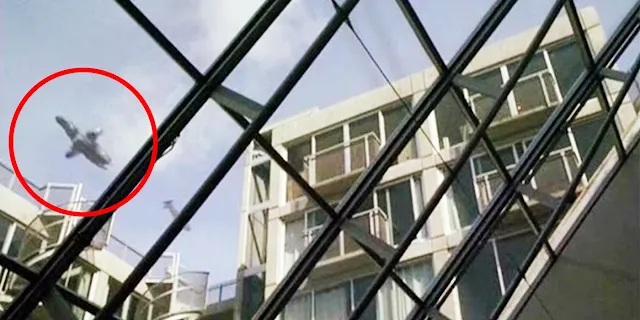
The Serenity ship from Firefly, which was created by Joss Whedon and gained a cult following, made a quick cameo appearance in Battlestar Galactica, a popular science fiction TV series created by Ronald D. Moore. The crossover happened in the season 4 episode titled "Someone to Watch Over Me."
The Serenity ship appeared in a brief scene where it was seen flying over the planet Caprica, which was the setting for the initial attack by the Cylons. The ship's appearance was a nod to the fans of Firefly and served as an Easter egg for those who were familiar with the show.
The Serenity ship, which was a Firefly-class transport ship, had a distinct appearance with its rustic and worn-down exterior. Its inclusion in Battlestar Galactica was a fun reference to the sci-fi genre and its passionate fans.
The use of Easter eggs and references to other shows or movies is a common practice in the entertainment industry, especially in science fiction. It not only shows a 'connection' between different fictional universes but also creates a sense of shared history and culture among fans.
The Serenity ship from Firefly, which was created by Joss Whedon and gained a cult following, made a quick cameo appearance in Battlestar...
Read Article →
"From 'Doctor Who' to 'Stranger Things': The Cult Appeal of Sci-Fi TV"
Cult TV shows have a special place in the hearts of viewers who become devoted fans, eagerly awaiting each new episode and poring over every detail of their favorite characters and storylines. What sets these shows apart from mainstream hits is their ability to capture the imagination and create a dedicated following, often for years or even decades after their initial release.
Whether it's the blend of sci-fi and other genres, the complex themes and issues explored, or the memorable characters and storylines, cult shows have a special magic that draws in viewers and keeps them hooked. In this article, we'll take a closer look at 12 great sci-fi based television shows that have achieved cult status and explore why they continue to be beloved by fans around the world.

1. "Doctor Who" - This British TV series first premiered in 1963 and is known for its titular character, the Doctor, a time-traveling alien from the planet Gallifrey who travels through space and time in a spaceship called the TARDIS. The show has a dedicated following due to its blend of sci-fi, adventure, and humor, as well as the unique concept of regeneration, which allows the Doctor to change his appearance and personality over time. The show has also been successful in reinventing itself over the years, with new actors and showrunners bringing fresh perspectives to the story.
2. "The X-Files" - This American TV series first aired in 1993 and follows FBI agents Mulder and Scully as they investigate paranormal phenomena and government conspiracies. The show has a cult following due to its blend of horror, sci-fi, and conspiracy theory themes, as well as the dynamic between the two lead characters, who have a strong chemistry and provide comic relief. The show also popularized the "monster-of-the-week" format, which became a staple of many subsequent sci-fi shows.
 |
| Dana Scully / Gillian Anderson... |
3. "Firefly" - This American TV series was created by Joss Whedon and premiered in 2002, but was cancelled after just one season due to low ratings. The show has since gained a cult following due to its unique blend of sci-fi and western genres, as well as the witty and quotable dialogue, memorable characters, and complex world-building. The Firefly show also explores themes of colonialism and individuality, and has been praised for its diverse cast.
4. "Battlestar Galactica" - This American TV series premiered in 2004 and is a reimagining of the 1970s show of the same name. The show follows the last remnants of humanity as they flee from their home planet and are pursued by the robotic Cylons. The show has a cult following due to its complex characters, intense drama, and exploration of complex moral and ethical issues, such as the nature of humanity, the role of religion, and the ethics of war.
5. "Star Trek: The Original Series" - This classic American TV series premiered in 1966 and follows the crew of the starship Enterprise as they explore the galaxy and encounter new civilizations. The show has a cult following due to its groundbreaking approach to science fiction, which tackled social and political issues of the time, such as racism, war, and feminism. The show also introduced many iconic sci-fi concepts, such as warp drive, transporters, and the Prime Directive.
6. "The Twilight Zone" - This classic American TV series premiered in 1959 and is known for its anthology format, which features standalone episodes with twist endings. The show has a cult following due to its use of science fiction and horror to explore human nature and morality, as well as the iconic narration and music by creator Rod Serling. The show also attracted many famous actors and writers, such as William Shatner and Ray Bradbury.
7. "Buffy the Vampire Slayer" - This American TV series premiered in 1997 and follows the titular character, a teenage girl who is chosen to fight supernatural evil. The show has a cult following due to its blend of horror, sci-fi, and humor, as well as the strong female lead and exploration of teenage issues. The show also featured a diverse cast and tackled topics such as sexuality, mental health, and power dynamics.

Note, that's two cult classics for writer / director Joss Wheedon. Dollhouse is not on the list however...
8. "The Outer Limits" - This classic American TV series premiered in 1963 and is known for its use of sci-fi and horror to explore philosophical and ethical issues. The show has a cult following due to its anthology format, which features standalone episodes with different storylines and characters. The show also featured many well-known actors and writers, such as Robert Duvall and Harlan Ellison, and tackled themes such as artificial intelligence, time travel, and the nature of reality.
9. "Farscape" - This Australian-American TV series premiered in 1999 and follows astronaut John Crichton as he is transported to a distant part of the universe and joins a crew of escaped prisoners on a living spaceship. The show has a cult following due to its unique blend of sci-fi, comedy, and drama, as well as the complex characters and relationships. The show also explores themes of identity, culture clash, and the nature of reality.
10. "Twin Peaks" - This American TV series created by David Lynch premiered in 1990 and follows FBI agent Dale Cooper as he investigates the murder of a young woman in a small town. The show has a cult following due to its surreal and mysterious atmosphere, as well as the quirky and memorable characters. The show also explores themes of duality, dreams, and the dark underbelly of small-town life. Not even sure this is a sci-fi film, however it's here. Deal with it.
11. "Orphan Black" - This Canadian TV series premiered in 2013 and follows Sarah Manning, a woman who discovers she is a clone and is drawn into a conspiracy involving other clones. The show has a cult following due to its intricate plot, strong performances by lead actress Tatiana Maslany, and exploration of themes such as identity, nature vs. nurture, and reproductive rights. The show also tackles issues such as genetic engineering and corporate greed.
12. "Stranger Things" - This American TV series created by the Duffer Brothers premiered in 2016 and is set in the 1980s, following a group of kids who encounter supernatural events in their small town. The show has a cult following due to its nostalgia for 80s pop culture, as well as the strong ensemble cast and suspenseful plot. The show also explores themes of friendship, loss, and government conspiracy.
Cult TV shows have a special place in the hearts of viewers who become devoted fans, eagerly awaiting each new episode and poring over every...
Read Article →
Battlestar Galactica: A Viewing Guide
Set in a distant star system, the show follows the last surviving humans as they flee from their homeworlds after being attacked by the robotic Cylons. Led by Admiral William Adama (played by the iconic Edward James Olmos) and President Laura Roslin (played by Mary McDonnell, The Fall of the House of Usher), the humans are forced to embark on a desperate journey to find a new home while being pursued relentlessly by the Cylons.

Another aspect that sets the show apart is its willingness to tackle complex themes and issues. Battlestar Galactica explores topics such as the nature of humanity, the dangers of artificial intelligence, the ethics of war, and the role of religion in society. The show raises thought-provoking questions and challenges viewers to consider their own beliefs and values.
Moore is a prolific writer and outside of the main season found time to prepare webisodes and two TV movie length features.
Here's the best viewing order for the Battlestar Galactica series:
- Battlestar Galactica: Oiriginal Mini-Series (2003)
- Battlestar Galactica: Season 1 (2004)
- Battlestar Galactica: Season 2 (2005-2006)
- Battlestar Galactica: Razor (2007) - This movie tells the story of the Pegasus and should be watched after Season 2 and before Season 3. Be warned, it does have some hints of what happens in season 4 near the end...
- Battlestar Galactica: Season 3 (2006-2007)
- Battlestar Galactica: Razor Flashbacks (2007) - These webisodes can be watched after Razor or after Season 3.
- Battlestar Galactica: The Resistance (2006) - These webisodes can be watched after Season 2 or 3.
- Battlestar Galactica: Season 4, Part 1 (2008)
- Battlestar Galactica: The Face of the Enemy (2008-2009) - These webisodes should be watched during Season 4, but can be skipped.
- Battlestar Galactica: Season 4, Part 2 (2009)
- Battlestar Galactica: The Plan (2010) - This movie should be watched after Season 4.
Ronald D. Moore's Battlestar Galactica is an epic science fiction television series that has left an indelible mark on the genre. The sh...
Read Article →
_poster.jpg)


