

The Librarian's Influence: Guiding Humanity's Destiny in the Halo Universe
The Librarian in Halo Lore, Lifeshaper, Geas Architect, and the Ghost Behind Humanity’s Future
In the vast and ancient tapestry of the Halo universe, few figures cast a longer shadow than the Librarian. She is not simply an important Forerunner character, or a wise figure from a lost age who appears to explain the plot. She is one of the master planners of the entire saga, a being whose influence stretches across one hundred thousand years of silence and still shapes the destiny of humanity long after the Forerunners themselves have vanished.
To understand the Librarian is to understand Halo at its most ambitious. The series stops being only a military science fiction story about rings, soldiers, and extinction events, and becomes something stranger and richer, a myth about stewardship, civilizational guilt, buried inheritance, and the haunting idea that the future can be written into a species long before that species knows what it is becoming.
The Librarian, whose personal name is largely lost beneath the weight of title and memory, stood at the height of Forerunner society as a Lifeshaper, one of the greatest minds of the Lifeworker rate. That role was not ornamental. It was a sacred responsibility focused on studying, preserving, indexing, and guiding life itself. Where other Forerunners saw the galaxy as a structure to be ruled, the Librarian saw it as something that had to be tended, protected, and understood.
That difference matters because it shaped her reading of the Mantle of Responsibility. For many Forerunners, the Mantle became a justification for dominance. For the Librarian, it was meant to be stewardship, a burden of care rather than a crown. That moral divide sits at the heart of her story, and it explains why she remains one of the most compelling figures in all of Halo lore.
The Lifeshaper who saw the end coming
During the Forerunner-Flood war, the Librarian recognized the truth before many of her peers were willing to face it. The Flood was not a crisis that could be contained by prestige, doctrine, or military confidence. It was an existential collapse. Whole worlds were being consumed, old certainties were breaking apart, and the Forerunner ecumene was sliding toward a ruin of its own making.
Faced with that reality, the Librarian conceived and oversaw the Conservation Measure, one of the largest acts of preservation in the history of the Halo universe. This was not merely a rescue plan. It was a civilizational triage effort on a cosmic scale, a desperate attempt to save indexed life from total annihilation so it could be reseeded after the firing of the Halo Array. The rings were the awful last resort. The deeper story is that the Librarian spent herself trying to ensure that life, memory, and possibility would still exist after the fire.

That gives her story its tragic force. She is trying to save life inside a universe already condemned by Forerunner arrogance, ancient sins, and the return of the Precursors’ vengeance through the Flood. The Conservation Measure is therefore not only survival planning. It is also atonement.
Why humanity mattered to her
Of all the species the Librarian studied and preserved, humanity occupied a uniquely important place in her thinking. She saw in humans a quality that the Forerunners had lost, resilience, adaptability, hunger, and an unfinished future. While the wider ecumene often treated humanity as a rival, a lesser power, or a problem to be controlled, the Librarian looked beyond that contempt and imagined humanity as heir.
That is where the idea of geas becomes essential. The Librarian implanted species-wide and lineage-specific geasa into humanity, subtle directives, dormant predispositions, and long-range patterns designed to awaken when the time was right. A geas in Halo is not just prophecy in another name. It is the engineering of future recognition. It is memory and purpose folded into the body and passed forward across deep time.
This is why the Librarian’s legacy reaches so directly into the modern Halo saga. Humanity is not merely stumbling into Forerunner ruins by chance. It has been prepared, in part, to answer them. The Reclaimer status that defines so much of the series is not only a gameplay mechanism. It is the expression of her faith that humans would one day inherit what the Forerunners failed to carry responsibly.
If you want to go deeper on that side of the lore, this article pairs well with The Manifestation of Forerunner Geas in John-117, where the Librarian’s long planning is traced more directly into Master Chief’s place in the saga.
The Librarian and the Didact, love, division, and collapse
The Librarian’s story cannot be separated from her relationship with the Didact. Their marriage is one of the central tragedies of the Forerunner era because it is not only romantic history, it is a philosophical fracture inside the ruling civilization itself.
Her husband, the Ur-Didact, was the original and supreme military commander of the Forerunners, brilliant, formidable, and increasingly broken by war. Even before his corruption deepened, he and the Librarian approached the Mantle from opposite directions. She saw stewardship. He saw order, command, and the right of a superior civilization to enforce its will. The Flood and the Gravemind drove that divide into something far darker. The Ur-Didact emerged from his encounter with the Flood twisted by trauma, rage, and a renewed hatred of humanity.
That descent is what makes the Librarian’s later choices so brutal and so moving. She was not fighting a stranger. She was resisting the man she loved, and the ideology he had become. Her decision to imprison the Ur-Didact within a Cryptum on Requiem is one of the hardest acts in Forerunner history because it is both strategic necessity and personal devastation.
Then there is the IsoDidact, the Bornstellar-based continuation who stood with her in the final days. He is crucial because he preserves the possibility of the Didact unbroken. Through him, the story becomes even sadder. The Librarian loses one version of her husband to history, pain, and zealotry, while another helps her carry out the catastrophic mercy of the Halo plan. In that contrast, Halo finds one of its oldest questions, whether power serves life, or whether it eventually consumes the soul that wields it.
Why the Librarian still matters in the games
The Librarian died long before the events of the games, but Halo never treats her as absent. Her influence is embedded into the architecture of the setting itself. Her preservation efforts shape the post-Array galaxy. Her geasa shape humanity’s relationship with Forerunner technology. Her imprints continue to speak. Her philosophy lingers inside every argument about the Mantle, every question of inheritance, and every moment where human beings step into places the Forerunners once claimed as their own.
Her most direct impact in the games arrives in Halo 4, where an imprint of her consciousness confronts Master Chief and makes explicit what the broader fiction has been building toward for years. John is not framed as a random soldier who simply happens to survive impossible odds. He is described as the culmination of long planning, a figure standing at the end of design choices seeded across immense spans of time. That revelation turns the Librarian from ancient background lore into one of the hidden engines of the modern narrative.
Her importance also continues beyond the Forerunner Saga itself. Bastion, the surviving Lifeworkers, and the buried remnants of her intentions all reinforce the same idea, her work did not end with her death. Halo keeps returning to that truth because she is one of the saga’s great ghostly presences, the one who believed the future could still be shaped after everything else had already failed.
Canonical appearances and why each one matters
Halo: Cryptum
Novel, Forerunner Saga Book One
This is the first major chronological appearance of the Librarian in the deeper canon. It introduces her as a figure of immense foresight and shows how central she is to the larger structure of Forerunner history, especially through Bornstellar, Chakas, Riser, and the old conflicts that shaped the age.
Why it matters: this is where the Librarian stops feeling like a legend and begins to feel like an active architect inside the mythology.
Halo: Primordium
Novel, Forerunner Saga Book Two
Her direct physical presence is limited, but her influence dominates the novel. The book expands the scale of her designs, deepens the moral horror of the Halo solution, and clarifies how human memory, geas, and long-buried purpose are woven into the wider saga. Your old review of the book is still worth revisiting here: JJ reviews Primordium by Greg Bear.
Why it matters: Primordium makes the Librarian’s plans feel ancient, uneasy, and deeply human all at once.
Halo: Silentium
Novel, Forerunner Saga Book Three
This is the definitive source for the Librarian’s final era, her confrontation with the corrupted Ur-Didact, her preparation of humanity’s future, and the emotional cost of the Halo Array. If you want the full tragedy of the character, this is the book that carries the heaviest weight.
Why it matters: Silentium reveals the Librarian not as an abstract ideal, but as a broken, brilliant figure forced to shape the future through loss.
Halo 4
Video game
This is her most direct appearance in the games. Through her stored imprint, she reframes Master Chief’s place in the larger story and finally makes the geas concept feel immediate rather than buried in the books. Halo 4 is where many players first realise the Librarian is not just part of the ancient past, but part of John’s present.
Why it matters: Halo 4 turns the Librarian into the bridge between old myth and modern conflict.
Halo: Fractures, “Promises to Keep”
Short fiction
This story gives the Librarian a more intimate emotional register. It sharpens the personal cost of her duty and deepens the relationship with the IsoDidact in the final hours before the Array fires.
Why it matters: it humanises the Librarian without diminishing her scale.
Halo: Point of Light
Novel
This book shows that the Librarian’s plans did not simply end with the Forerunners. Bastion, surviving Lifeworkers, and the continued unfolding of her hidden work all reinforce just how long her shadow remains over Halo’s timeline.
Why it matters: it proves the Librarian’s story is still alive inside the post-war universe.
Halo Mythos
Reference guide
If you want the broader official historical sweep, Mythos is still one of the best compact ways to trace the Librarian’s place across the entire franchise.
Why it matters: it helps place her actions within the full arc of Halo’s past, present, and future.
The Librarian in Halo Lore, Lifeshaper, Geas Architect, and the Ghost Behind Humanity’s Future In the vast and ancient tapestr...
Read Article →
The Enigmatic Didact: Unraveling His Role in the Halo Game Lore
The Didact Explained: The Forerunner Warrior, the Composer, and Halo’s Longest Tragedy
The Didact is one of Halo’s most important villains because he turns the Forerunners from distant architects into a living warning. His story reaches from the Human-Forerunner wars and the Flood’s rise to Requiem, the Composer, the Master Chief, and the moral reckoning of Halo: Epitaph.
```The Didact is frequently treated as Halo 4’s ancient supervillain, the imposing Forerunner who wakes up, despises humanity, and attempts to turn Earth into an army of machines. That is the visible part of his story. The deeper version is far more tragic. He begins as the Forerunners’ greatest military protector, watches his civilisation rot under the weight of its own ideology, survives torture by the Gravemind, and finally becomes the clearest proof that the Mantle of Responsibility can turn into tyranny when one species decides it alone deserves to rule.
His importance stretches well beyond a single campaign. The Didact’s life explains why the Forerunners built the Halo Array, why the Librarian chose humanity as the Reclaimers, why Promethean Knights exist, and why Halo 4 frames the Master Chief as the heir to an ancient argument he never asked to join. For a wider route through the setting, begin with the complete Halo archive.
File 01The Ur-Didact and the IsoDidact
Halo’s lore uses “Didact” in two ways, which creates a genuine source of confusion. The figure players meet in Halo 4 is the Ur-Didact, the original commander of the Prometheans. He is the older, scarred, increasingly unstable Warrior-Servant whose hatred of humanity drives the Reclaimer-era conflict.
Bornstellar-Makes-Eternal-Lasting is a younger Forerunner from the Forerunner Saga. He awakens the Ur-Didact on ancient Earth and later receives an imprint of his mind. That inheritance gives Bornstellar the military authority, memories, and strategic identity required to lead the Forerunners during the final years of the Flood war. He becomes known as the IsoDidact, the commander who activates the Halo Array.
This split matters because the two characters embody two different answers to the same catastrophe. The Ur-Didact believes survival requires control, hierarchy, and the permanent supremacy of Forerunners. The IsoDidact accepts the unbearable necessity of the Array and becomes part of the plan to preserve life after the Forerunners themselves are gone.
The Didact was a Warrior-Servant, not simply a “Promethean”
The Prometheans were the elite military arm of Forerunner society. The Didact commanded them, shaped their tactics, and eventually transformed many of them into digital war machines through the Composer. His proper social rate was Warrior-Servant, a caste built around defence, war, discipline, and the protection of the ecumene.
File 02The Mantle of Responsibility and the roots of Forerunner arrogance
The Didact’s politics begin with the Mantle of Responsibility, the Forerunner belief that the galaxy should be guided by the civilisation most capable of protecting life. In theory, the Mantle means stewardship. In practice, it gives the most powerful species an excuse to decide who is advanced, who is dangerous, who needs guidance, and who must be controlled.
The Forerunners claimed the Mantle after their ancient conflict with the Precursors, the civilisation that had shaped life throughout the galaxy. The Didact inherits this worldview at its most absolute. He does not see the Mantle as an obligation humanity may grow into. He sees it as proof that Forerunners possess a permanent right to command.
The Librarian sees the same concept differently. She recognises that the Forerunners’ claim has failed, that their civilisation has created immense suffering, and that humanity must be given the chance to inherit the future. Their marriage becomes one of the great fault lines in Halo lore: the Didact clings to authority, while the Librarian accepts that authority can become a form of blindness.
The Mantle is the Didact’s central contradiction
He believes he is protecting life. His answer repeatedly involves stripping others of agency, reducing whole populations to assets, and preserving order through force. The Didact does not abandon the Mantle. He corrupts its stated purpose until protection becomes domination.
For a deeper breakdown of the philosophy that drives him, read the Halo Mantle of Responsibility guide.
File 03The Human-Forerunner war, the Librarian, and a civilisation already in decline
The Didact’s hatred of humanity does not begin in 2557. It begins roughly 100,000 years earlier, when ancient humanity, often called the Ancestors, fought the Forerunners in a vast interstellar war. Humanity had once commanded an advanced civilisation and had already encountered the Flood. Their retreat across the galaxy brought them into conflict with the Forerunners, who interpreted the human expansion as aggression rather than a desperate attempt to escape infection.
The Forerunners defeated humanity, dismantled its civilisation, and genetically reduced survivors to a more primitive state. The Didact’s personal losses in that war run deep. His children die during the conflict, and the experience hardens his belief that humanity is a dangerous rival whose ambition must never be allowed to rise again.
The Librarian reaches a different conclusion. She sees the ancient humans as victims of a catastrophe the Forerunners failed to understand. Her Lifeworker instincts push her towards preservation, restoration, and the possibility that humanity may eventually become worthy of the future the Forerunners squandered.
That division explains why the Librarian preserves human genetic material, leaves geasa within humanity, and prepares John-117 for a role in the future. Her legacy is one of long-term trust. The Didact’s legacy is a long-term refusal to believe that anyone else deserves power.
Her role in the wider saga is explored further in The Librarian’s influence on humanity’s destiny.

File 04The Flood, the Gravemind, and the destruction of the old Didact
Before the Halo Array was built, the Didact was one of its fiercest critics. He favoured shield worlds and military resistance against the Flood. The Master Builder, a political rival from the Builder rate, pushed the Halo project forward instead. Their conflict was ideological as much as strategic. The Didact feared that a weapon capable of killing sentient life across the galaxy would become a declaration that the Forerunners had failed the Mantle they claimed to uphold.
His opposition was politically useful to the Master Builder, who has the Didact exiled and later marooned in Flood-infested space. There the Didact is captured by the Gravemind, whose torture does more than inflict pain. It reshapes his understanding of the galaxy, twists his grief, and drives him towards the idea that mercy, autonomy, and coexistence are all luxuries civilisation can no longer afford.
The Didact later attempts to modify himself for immunity against the Flood. The procedure fails. His body is altered and his mental state collapses further. He returns to the Forerunners convinced that the survival of his species requires a harsher solution than the Halo Array, a solution that preserves minds only by removing their freedom.
The Composer was his alternative to Halo
The Composer extracts an organic consciousness and converts it into machine data. It was connected to earlier Forerunner experiments in immortality and Flood resistance. The Didact uses it to create Promethean Knights, first from willing Forerunner warriors and later from ancient human populations preserved by the Librarian. The tactical purpose is clear. The moral cost is monstrous.
The Halo Array remains the defining failure of the Forerunner age. It starves the Flood by wiping out its sentient food supply, then relies on the Ark and the Conservation Measure to reseed life afterwards. The Didact initially rejects that atrocity, yet he ultimately creates another atrocity in response. The Halo Array activation and its aftermath gives the broader context for that final decision.
File 05Requiem, the Composer, and why the Master Chief matters
The Librarian understands that the Didact has become unstable, but she does not simply execute him. She imprisons him within a Cryptum on Requiem, intending that long meditation and connection to the Domain will allow his mind to recover. Her hope is devastatingly specific: that he will awaken in a new age and become a teacher for humanity rather than its executioner.
That plan fails because the Halo Array damages the Domain during its firing. Instead of healing, the Didact spends 100,000 years locked in silence, trauma, anger, and isolation. When the Master Chief and Cortana arrive on Requiem in Halo 4, they accidentally release a Forerunner whose original grievance has been intensified by a hundred millennia of mental imprisonment.
To the Didact, John-117 is not merely an enemy soldier. He is proof that the Librarian’s plan has worked. Humanity has recovered. A human Spartan carries the strength, discipline, and strategic will the Didact believes only Forerunners should possess. John is the Reclaimer made visible, which makes him intolerable to a warrior who believes the galaxy must return to Forerunner control.
The Didact takes the Composer to Earth and uses it against New Phoenix, harvesting seven million human essences. He plans a larger assault on the planet, intending to convert humanity into the raw material for a new Promethean army. Cortana’s rampancy becomes central at this point. Her fragmented copies restrain the Didact long enough for John to destroy the Composer and stop the attack.
The emotional stakes of that confrontation are inseparable from Cortana’s final sacrifice in Halo 4. Her decline and the Chief’s inability to accept her loss are explored in the story of Cortana’s rampancy.
File 06What actually happens after Halo 4
Halo 4 leaves the Didact’s immediate fate uncertain, which encouraged years of speculation. The story does continue. In the Halo: Escalation comic arc “The Next 72 Hours,” the Didact returns on Installation 03, also known as Gamma Halo. He attempts to combine the ring with the Composer network and use it against Earth, a bitter reversal for the man who once opposed the Halo Array’s creation.
The Master Chief and Blue Team stop him. The confrontation ends with the Didact’s physical form being destroyed by the unstable detonation of six Composers. His essence is torn from the material world and cast into the Domain.
Halo: Epitaph finally resolves the question. The Didact is not secretly hiding in a slipspace refuge, waiting for a conventional return. He exists in the Domain, stripped of his armour, body, certainty, and much of his memory. The novel turns his final chapter into a reckoning with grief, atrocity, identity, and the damage done by the Gravemind.
Halo: Epitaph changes the meaning of the Didact’s fate
The Domain does not erase his crimes or magically repair him. It gives him an environment where he must confront the memories he has spent ages trying to bury. The Didact’s final story is about whether a mind built around command, loss, and vengeance can ever recognise the humanity it has denied to others.
For the full post-Halo 4 context, see the Halo: Epitaph guide. The chronological Halo novel reading order also places the Forerunner Saga, Halo 4, Escalation, and Epitaph into one clear sequence.
Transmission LogThe Didact’s essential chronology
- Ancient Forerunner era: The Ur-Didact leads the Prometheans and fights during the Human-Forerunner war.
- Forerunner-Flood war: He opposes the Halo Array, commissions shield worlds, suffers political betrayal, and is captured by the Gravemind.
- The Composer campaign: He turns willing Forerunner soldiers into Promethean Knights, then composes ancient human populations to expand his forces.
- Requiem imprisonment: The Librarian seals him within a Cryptum, hoping the Domain will eventually restore his mind.
- 2557, Halo 4: The Master Chief and Cortana awaken him. The Didact attacks New Phoenix and attempts to use the Composer against Earth.
- Post-Halo 4, Halo: Escalation: Blue Team defeats him on Gamma Halo. His physical form is destroyed and his essence reaches the Domain.
- Halo: Epitaph: His final journey explores guilt, memory, the Domain, and whether the Ur-Didact can find any form of peace.
Recommended ArchiveKey Didact media in reading order
- Halo 3 terminals and the Iris campaign, 2007 The first Didact references entered Halo through cryptic Forerunner transmissions. Later lore identifies this early figure as the IsoDidact, Bornstellar after the Ur-Didact’s imprint.
- Halo: Cryptum, 2011 The essential starting point for the Ur-Didact, Bornstellar, the Librarian, ancient humanity, and the political structure of Forerunner society.
- Halo: Primordium, 2012 Expands the ancient history behind the Flood, the Primordial, Zeta Halo, Chakas, and the Forerunners’ catastrophic misunderstanding of their enemy.
- Halo 4 and its terminals, 2012 The Ur-Didact returns to the foreground. Requiem, the Composer, New Phoenix, Cortana’s rampancy, and humanity’s role as Reclaimers become immediate threats.
- Halo: Silentium, 2013 The defining account of the Didact’s collapse during the final stages of the Flood war, including his encounter with the Gravemind and the terrible logic behind the Composer.
- Halo: Escalation, “The Next 72 Hours,” 2013 Provides the missing continuation after Halo 4. The Didact returns, Blue Team reunites, and his material existence ends at Gamma Halo.
- Halo: Renegades, 2019 The Didact remains absent, but the novel keeps alive the moral question surrounding him: can a being responsible for so much suffering ever reach redemption?
- Halo: Epitaph, 2024 The final essential chapter. Kelly Gay’s novel places the Didact inside the Domain and treats his legacy as a psychological, moral, and spiritual reckoning.
Forerunner Archive // Warrior-Servant File The Didact Explained: The Forerunner Warrior, the Composer, and Halo’s Longest Tra...
Read Article →
Mantle of Responsibility - Halo Lore explained
According to Forerunner philosophy, the Mantle is a cosmic duty or obligation entrusted to those who possess the greatest power and knowledge.
The Mantle encompasses several principles. First, it emphasizes the preservation of life and the prevention of harm to sentient beings. The Forerunners saw themselves as guardians and protectors, intervening to maintain stability and harmony in the galaxy. They believed it was their duty to guide and uplift less advanced civilizations.
Second, the Mantle prioritizes the advancement and progression of all sentient species.
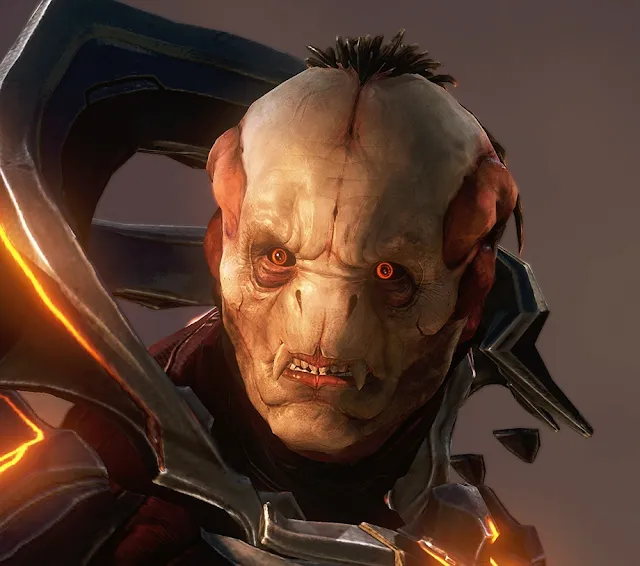
However, the concept of the Mantle is not without controversy and complexity. The Forerunners themselves had differing interpretations of its meaning and application. Some believed in a more proactive approach, actively intervening in the affairs of other species. Others held a more hands-off approach, emphasizing non-interference and the belief that species should progress on their own.
Additionally, the Forerunners' claim to the Mantle led to conflicts with other races, such as the ancient humans. The humans contested the Forerunners' right to be the sole bearers of the Mantle, leading to a devastating war between the two civilizations.
In the Halo games, the concept of the Mantle of Responsibility is central to the overarching narrative, especially in relation to the Forerunners and their technological creations, including the Halo rings. The idea of the Mantle and its interpretation by different characters and factions often drives the plot and conflicts within the game series.
So how does this all impact The Master Chief?

The Mantle of Responsibility is a significant concept in the lore of the Halo franchise. It refers to the belief system held by the Forerunn...
Read Article →
Halo: Epitaph novel

Over ten years ago, the Master Chief awakened from cryo sleep as the UNSC Forward Unto Dawn approached a mysterious shield world known as Requiem.
Within this hollow sphere was an ancient Forerunner warrior—the Didact. Imprisoned a hundred millennia ago by his wife after being driven to madness, he emerged to continue his campaign against the humans that he saw as unworthy of the Mantle, the responsibility of guardianship over life in the galaxy.
Seeking to imprison humanity as his army of machine thralls, the Didact was defeated by the Master Chief and Cortana as he led an attack on Earth, casting him into slipspace. A further confrontation on Gamma Halo would see the Didact’s physical body disintegrated by the destruction of his Composer devices, sending the scatterings of his consciousness into the Domain.
It is here that Halo: Epitaph, the next novel from acclaimed author Kelly Gay, begins.
Stripped of armor, might, and memory, the Forerunner warrior known as the Didact was torn from the physical world following his destructive confrontation with the Master Chief and sent reeling into the mysterious depths of a seemingly endless desert wasteland. This once powerful and terrifying figure is now a shadow of his former self—gaunt, broken, desiccated, and alone. But this wasteland is not as barren as it seems. A blue light glints from a thin spire in the far distance…""
Thus begins the Didact’s great journey—the final fate of one of the galaxy’s most enigmatic and pivotal figures.

Over ten years ago, the Master Chief awakened from cryo sleep as the UNSC Forward Unto Dawn approached a mysterious shield world known as ...
Read Article →
Unraveling the Ending of "The Fountain": Converging Love and Immortality
Darren Aronofsky's film "The Fountain" is a thought-provoking masterpiece that blends science fiction and romance to explore themes of love, mortality, and the pursuit of immortality. The film weaves together three distinct but interconnected storylines, which converge in a visually stunning and emotionally profound finale.
The ending of "The Fountain" leaves much room for interpretation, allowing audiences to contemplate the depths of its narrative and its portrayal of one of the greatest love stories within a science fiction context.
The stories:
1. The Tree of Life:
In one of the storylines of "The Fountain," we are introduced to a Spanish conquistador named Tomas who embarks on a perilous quest to find the legendary Tree of Life. This narrative thread serves as a powerful metaphor for humanity's timeless desire to conquer death and attain immortality. Tomas' unwavering determination is fueled by his profound love for Queen Isabel, which drives him to go to extraordinary lengths to find the Tree of Life.
At the beginning of Tomas' journey, he is a passionate and valiant warrior, motivated by the hope that the Tree of Life's mystical powers will grant him the ability to save Isabel from her impending demise. His unwavering devotion to her is evident as he confronts treacherous landscapes, ruthless adversaries, and the haunting presence of mortality itself. Tomas' search for the Tree of Life mirrors the quest for eternal life that has fascinated humanity throughout history, illustrating the profound depths to which love can inspire and compel individuals to defy their mortal limitations.
As Tomas progresses on his arduous journey, he encounters numerous obstacles that challenge both his physical and mental fortitude. These obstacles symbolize the inherent difficulties and sacrifices associated with the pursuit of immortality. The film presents a dichotomy between the conquistador's longing for eternal life and the brutal realities of mortality. Through these trials and tribulations, Tomas confronts his own mortality and grapples with the inevitable impermanence of life, making his pursuit of immortality all the more poignant.
As the story unfolds, Tomas' obsession with the Tree of Life consumes him, blurring the boundaries between reality and illusion. The film skillfully explores the thin line between madness and enlightenment, as Tomas becomes increasingly entangled in the ethereal realms of spirituality and transcendence. This symbolic representation of the human condition highlights the paradoxical nature of our desires to conquer death while simultaneously recognizing the beauty and significance of life's fleeting moments.
In his relentless pursuit of everlasting life, Tomas ultimately comes face-to-face with his own mortality. This encounter forces him to confront the limitations of his quest and the inevitability of death. Through this realization, Tomas undergoes a profound transformation, understanding that true immortality lies not in the preservation of the physical self but in the legacy of love and the enduring impact one leaves on the world.
"The Fountain" uses Tomas' narrative as a poignant exploration of the depths to which love can drive individuals in their quest for immortality. It highlights the power of love to motivate us to defy our mortality, pushing us to search for meaning and purpose beyond our finite existence. Tomas' journey serves as a cautionary tale, reminding us that the pursuit of eternal life should not overshadow the value and significance of the present moment and the relationships we forge along the way.
The narrative thread of Tomas' quest for the Tree of Life in "The Fountain" is a potent metaphor that symbolizes humanity's timeless desire to overcome death and achieve immortality. Driven by his profound love for Queen Isabel, Tomas becomes consumed by his pursuit, battling adversaries and confronting mortality itself. This storyline poignantly explores the complexities of love and the human condition, ultimately reminding us that true immortality resides in the impact we make on others and the enduring legacy of love we leave behind.

2. The Modern Era:
In "The Fountain," the second storyline introduces us to a scientist named Tommy who is consumed by the desperate quest to find a cure for his wife Izzi's terminal illness. In contrast to the conquistador's search for the mythical Tree of Life, Tommy's pursuit of immortality takes the form of medical research and experimentation, driven by his deep love for Izzi. This contemporary setting explores the lengths to which modern science and medicine can push the boundaries of mortality, highlighting the ethical dilemmas and sacrifices involved in the pursuit of eternal life.
As Tommy delves deeper into his research, he becomes increasingly fixated on finding a cure for Izzi's illness, sacrificing his own health and well-being in the process. His scientific endeavors become a manifestation of his love for Izzi, a tangible expression of the lengths he is willing to go to save her. The film presents a poignant exploration of the complexities of love, highlighting the ways in which it can drive individuals to challenge and push beyond their own limitations.
Throughout the storyline, the film delves into the ethical implications of scientific experimentation and the consequences of playing God. The pursuit of immortality in this narrative thread is underscored by the moral quandaries that arise when humanity attempts to cheat death. The film invites us to consider the implications of these scientific advancements, questioning the costs and consequences of such pursuits.
As Tommy's research progresses, he becomes increasingly isolated from the world around him, consumed by his obsession with saving Izzi. His singular focus on his scientific endeavors ultimately leads him to question the nature of reality and the meaning of existence, mirroring the conquistador's journey through the ethereal realms of spirituality and transcendence. In both storylines, the pursuit of immortality ultimately leads to a profound reckoning with mortality and the realization that true immortality lies in the impact we make on the world.
The convergence of these two storylines is marked by the final sequence of the film, which presents a culmination of both the conquistador and the scientist's narratives. In this climactic scene, we see a cosmic explosion that signifies the collapse of time and space, bringing together the three threads of the film in a stunning display of visual storytelling. The sequence poignantly captures the film's central message, highlighting the interplay between love, mortality, and the pursuit of immortality.
In conclusion, the second storyline of "The Fountain" presents a powerful exploration of the pursuit of immortality through the lens of modern science and medicine. Tommy's desperate quest to save his wife Izzi highlights the ethical dilemmas and sacrifices involved in the pursuit of eternal life, while also serving as a poignant expression of the depths to which love can drive individuals. The convergence of this storyline with the conquistador's narrative thread underscores the film's central message, reminding us that true immortality resides in the legacy of love we leave behind.

3. The Space Traveler:
In the final storyline of "The Fountain," the film propels us into a distant future where we encounter a bald and tattooed Tommy, who embarks on a cosmic journey through space inside a translucent bubble. Accompanying him is the Tree of Life, now manifested as a dying star. This futuristic narrative expands the film's exploration of immortality, presenting Tommy as an immortal being who has transcended time in his quest to resurrect Izzi and achieve eternal union with her. This storyline introduces elements of cosmic exploration and delves into metaphysical questions about the nature of existence and love.
Tommy's transformation into an immortal traveler represents a profound evolution from his previous roles as the conquistador and the scientist. It symbolizes his transcendence of mortal limitations and his pursuit of a higher state of being. Within the vast expanse of space, Tommy explores cosmic realms, mirroring his inner journey of self-discovery and enlightenment. The surreal and otherworldly visuals presented in this narrative thread invite viewers to contemplate the mysteries of the universe and the metaphysical dimensions of love.
As Tommy navigates the cosmic void, he grapples with existential questions about the nature of existence and the meaning of love. The film raises inquiries about the essence of life, the passage of time, and the profound connections that endure beyond physicality. Tommy's pursuit of resurrecting Izzi becomes a metaphorical exploration of the boundaries of love and the potential for eternal union. It delves into the yearning for reunion, the persistence of love beyond death, and the desire for transcendence that surpasses the limitations of the human experience.
The imagery of the dying star, which represents the Tree of Life, further emphasizes the themes of mortality and the impermanence of life. It symbolizes the inevitable cycle of creation, destruction, and rebirth, echoing the film's overarching exploration of the interconnectedness of life and death. The dying star also serves as a catalyst for Tommy's ultimate realization, that true immortality lies not in the physical preservation of life, but in the legacy of love and the profound impact it has on the world.
The ambiguous nature of this futuristic narrative encourages viewers to interpret the ending in their own way, contemplating the deeper philosophical and spiritual implications presented. Some may perceive Tommy's journey through space as a metaphorical representation of his internal journey toward acceptance and transcendence. Others may see it as a literal exploration of alternate dimensions or realms. The open-ended nature of the film's conclusion invites contemplation and personal reflection, allowing each viewer to find their own interpretation and meaning within the narrative.
The final storyline of "The Fountain" thrusts us into a distant future, where Tommy, now an immortal traveler, embarks on a cosmic journey in pursuit of resurrecting Izzi and achieving eternal union with her. This futuristic narrative introduces elements of cosmic exploration and metaphysical inquiry, delving into the nature of existence and the profound dimensions of love. Through surreal imagery and ambiguous symbolism, the film invites viewers to contemplate the mysteries of the universe and the transformative power of love that transcends time and physicality.

Convergence and Interpretation of the three story lines
In the climactic conclusion of "The Fountain," the three storylines intricately intertwine and merge, offering a profound revelation about the interplay between love and mortality. While interpretations may vary, one possible understanding is that these three narratives represent different manifestations of the same eternal love story. The film suggests that love transcends the confines of time and space, and the pursuit of immortality becomes a poignant expression of our innate longing to be reunited with our loved ones indefinitely.
As the film progresses, the boundaries between the past, present, and future become increasingly blurred, underscoring the timeless nature of love. The convergence of the storylines symbolizes the cyclical nature of life, death, and rebirth, reflecting the eternal ebb and flow of existence itself. The Tree of Life, a central motif throughout the film, assumes a profound significance as a symbol of enduring love and the interconnectedness of all beings, surpassing the limitations imposed by mortality.
In the film's enigmatic ending sequence, the space traveler Tommy finally reaches the dying star, which can be interpreted as a metaphorical reunion between Tommy and Izzi. This conclusion implies that their love has persevered throughout time, transcending the boundaries of death. It suggests that Tommy has discovered a means to transcend mortality and is now able to be reunited with Izzi once again. The ambiguity surrounding the ending invites viewers to engage with the film on a deeper level, encouraging personal contemplation of their own understanding of love, mortality, and the complexities of the human condition.
The ending of "The Fountain" prompts reflection on the profound connection between love and the pursuit of immortality. It challenges conventional notions of mortality by suggesting that love can transcend the temporal constraints of human existence. The film invites us to consider the profound significance of love in our lives and the enduring impact it has beyond the limitations of our mortal coil. By blurring the boundaries between time, space, and individual narratives, "The Fountain" invites viewers to explore the transcendent power of love and its potential to traverse the realms of life and death.
The climax of "The Fountain" thus intertwines and merges the three storylines, offering a profound insight into the relationship between love and mortality. Through this convergence, the film suggests that these narratives represent different facets of the same eternal love story, highlighting the timelessness and enduring nature of love. The symbolism of the Tree of Life, the blurred boundaries of time, and the ambiguous reunion in the ending sequence all contribute to a thought-provoking exploration of love's transcendent power and its ability to surpass the limitations of mortality. The film's conclusion invites viewers to delve into their own interpretations, fostering a deeper contemplation of love, mortality, and the intricacies of the human experience.
The Power of Love
At its core, "The Fountain" is a testament to the power of love and its ability to drive individuals to transcend their mortal limitations. The film deftly weaves together three distinct narratives, each presenting a different facet of the human longing for immortality. Through the conquistador's quest for the Tree of Life, Tommy's desperate search for a cure, and the futuristic journey of the space traveler Tommy, the film explores the depths to which love can propel us in our pursuit of eternal life.
The film's ending, deliberately left open to interpretation, invites audiences to engage with the story on a personal and philosophical level. It sparks contemplation about the nature of existence, the boundaries of love, and the complexities of the human condition. By leaving room for individual interpretation, the film encourages viewers to reflect on their own beliefs and experiences, allowing for a more profound and personal connection to the narrative.
Darren Aronofsky's directorial prowess shines through in "The Fountain," as he skillfully crafts a visually stunning and thematically rich cinematic experience. The film's striking visuals, from the ethereal landscapes to the cosmic sequences, heighten the sense of wonder and mystery surrounding the themes of love and immortality. Aronofsky's deliberate use of symbolism and metaphors further enhances the depth and complexity of the narrative, inviting viewers to delve into the layers of meaning embedded within the story.
Furthermore, "The Fountain" explores profound philosophical questions about the nature of life, death, and the human desire for immortality. It prompts reflection on the limits of our existence and the significance we attach to love and the pursuit of eternal life. By intertwining science fiction elements with themes of love and mortality, the film creates a thought-provoking exploration of the human condition, leaving audiences contemplating their own beliefs and perspectives long after the credits roll.
In conclusion, "The Fountain" is a remarkable film that delves into the power of love and the human desire for immortality. Through its three interconnected storylines, the film explores themes of love, death, and the pursuit of eternal life in a thought-provoking and visually captivating manner. The ending, open to interpretation, invites audiences to contemplate the intricacies of the narrative and its portrayal of one of the greatest love stories ever depicted in a science fiction context. With Darren Aronofsky's masterful storytelling and a profound exploration of human existence, "The Fountain" stands as an enduring and resonant film that leaves a lasting impression on those who engage with its themes and complexities.
Darren Aronofsky 's film "The Fountain" is a thought-provoking masterpiece that blends science fiction and romance to explore ...
Read Article →
What is the actual 'The Fountain' in the Aronofsky film?
In the Aronofsky film "The Fountain," there is no literal depiction of a physical fountain. While the term "the fountain" is used symbolically throughout the film, it does not manifest as a tangible, physical object within the narrative. The title "The Fountain" primarily serves as a metaphorical and symbolic representation of themes such as love, mortality, transcendence, and the pursuit of immortality.
Rather than focusing on a physical fountain, the film explores these concepts through the intertwining storylines and the symbolic use of imagery, such as the Tree of Life and the cosmic visuals. The absence of a physical fountain allows for a more abstract and metaphysical exploration of the film's themes, leaving room for interpretation and personal reflection by the audience.
While the film may incorporate other water-related visuals or motifs, they serve to enhance the symbolism and thematic depth rather than specifically representing a physical fountain. The film's narrative and visual language are primarily concerned with the broader philosophical and emotional dimensions of love, mortality, and the search for transcendence, rather than a literal depiction of a fountain as a central element.

The key elements that form the Fountain are:
1. The Tree of Life: In the storyline featuring the conquistador, "the fountain" refers to the mythical Tree of Life, which is believed to hold the key to eternal life and transcendent knowledge. The conquistador's quest for the Tree of Life represents the pursuit of immortality and the desire to overcome death.
2. Love and Connection: Another interpretation of "the fountain" is the profound love shared between the characters of Tommy and Izzi. It symbolizes the deep emotional connection and spiritual bond they have, which transcends time and mortality. Love becomes a wellspring of meaning and vitality, akin to a life-giving fountain.
3. Transcendence and Enlightenment: "The fountain" can also symbolize a metaphorical journey towards transcendence and enlightenment. Through the various narratives, the characters strive to transcend the limitations of their mortal existence and achieve a higher state of being or understanding. It represents the pursuit of immortality not only in a physical sense but also in a spiritual and metaphysical sense.
4. Life's Creative Force: The term "the fountain" can be interpreted as a representation of the creative force of life itself. It signifies the cyclical nature of creation, destruction, and rebirth. The film explores the interconnectedness of all living beings, emphasizing that life and death are part of an ongoing cosmic cycle, symbolized by the eternal fountain.
It's important to note that "The Fountain" intentionally leaves the interpretation of its symbolism open-ended, allowing viewers to derive their own meanings from the film. These interpretations are not mutually exclusive, and the symbolism of "the fountain" can be seen as a combination of these various aspects, contributing to the rich and layered narrative of the film.
In the Aronofsky film "The Fountain," there is no literal depiction of a physical fountain. While the term "the fountain...
Read Article →
Time Travel in 'Avengers: Endgame': Understanding the Mechanics
In the realm of cinematic adventures, few movies have captivated audiences quite like Avengers: Endgame. The film not only showcased the epic clash between the Avengers and the villainous Thanos but also delved into the mind-bending concept of time travel.
Through a meticulous plot, the movie introduced viewers to a theory of time travel based on alternate timelines.

So here's how the time travel plot in Endgame worked:
At the heart of the concept lies the theory of alternate timelines. Instead of altering the existing timeline, time travel in Avengers: Endgame involved creating new branches or timelines. This idea allowed the Avengers to journey to different points in the past without interfering with their present reality.
To facilitate their temporal exploits, the Avengers relied on the Quantum Realm—a mysterious dimension accessible through the subatomic level. Using a device known as the Quantum Tunnel, they could shrink down to a size that granted them passage into the Quantum Realm. Within this realm, they utilized a unique substance called "Pym Particles." These particles, developed by Hank Pym, enabled shrinking and expanding, serving as a navigational tool within the Quantum Realm.
Guided by their mission to reverse the catastrophic Snap caused by Thanos, the Avengers devised a plan—the Time Heist. Dividing into teams, they set out to retrieve the Infinity Stones from specific moments in the past. These moments included the Battle of New York in 2012 and Asgard in 2013. By collecting the stones, they aimed to restore balance and prevent further devastation.
Crucially, the film establishes that altering the past does not directly affect the present. Instead, it spawns new timelines, ensuring the preservation of the Avengers' primary reality. To avoid creating alternate realities, the Avengers undertook the responsibility of returning the stones to their original timelines after their use.
To navigate the perils of time travel, the Avengers donned Quantum Suits—specialized attire that safeguarded them while traversing the Quantum Realm and facilitated their return to their present timeline. These suits played a vital role in ensuring the Avengers' safety during their time-bending expeditions.
In their quest for the stones, the Avengers faced an unexpected complication when they inadvertently allowed Loki to escape with the Tesseract, thereby creating an alternate timeline. This prompted them to develop a plan to retrieve the Tesseract during the Battle of New York, rectifying the unforeseen consequences of their actions.
As the Avengers acquired all the Infinity Stones, they constructed a new Infinity Gauntlet—a powerful device capable of undoing the effects of Thanos' Snap. Bruce Banner, known as the Hulk, volunteered to wield the Gauntlet and successfully restored all those who had vanished.
The Avengers' journey through time culminated with Captain America shouldering the responsibility of returning the Infinity Stones to their respective timelines. However, instead of returning immediately, he chose to embark on a path distinct from his teammates. He lived a full life in the past and eventually passed on his shield to Sam Wilson, also known as Falcon, in the present.
For those that were not paying attention, which timeline version of Thanos turned up on Earth in Endgame?
Diverging Timelines: A Departure from Classic Time Travel Films
Why did Captain America not return back to Bucky and The Falcon after destroying the Infinity Stones?

Are there any potential paradoxes or inconsistencies resulting from the Avengers' time travel, and if so, how are they addressed within the film?
So what happens to the Loki that manages to escape with an infinity stone when Iron Man and Captain America go back in time to New York?

How do the Avengers ensure that returning the Infinity Stones to their original timelines effectively erases the alternate realities created during their time-travel missions?
What are the ethical implications of the Avengers' time-travel actions?
Are there any potential moral dilemmas or philosophical debates surrounding their manipulation of past events?
How long did it take Tony Stark to figure out how to do time travel?
In the realm of cinematic adventures, few movies have captivated audiences quite like Avengers: Endgame. The film not only showcased the epi...
Read Article →
"Krull: A Cult Classic that Blends Fantasy and Science Fiction"
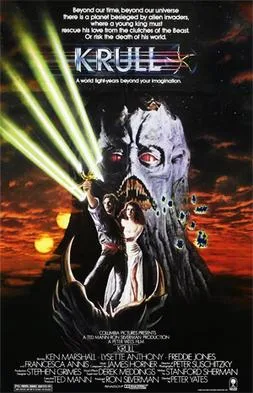
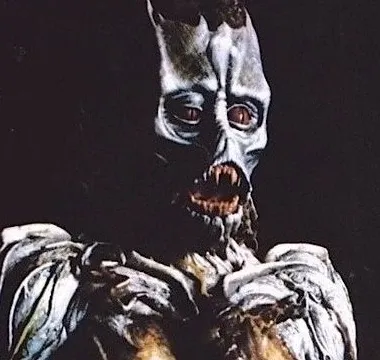
Krull whisks us away to a distant planet, where the young Prince Colwyn embarks on a perilous quest to save his beloved Princess Lyssa from the clutches of the evil Beast. This seemingly straightforward plot soon unfolds into an epic adventure as Colwyn assembles a ragtag group of allies, including a wise old Cyclops, a shape-shifting magician, and a band of outlaws known as the Slayers.
The film skillfully combines elements of fantasy, science fiction, and mythology, creating a captivating and imaginative world. While the story may not be the most original, it is filled with enough excitement, heart, and spectacle to keep audiences entertained. The film explores themes of love, destiny, and the power of unity, resonating with viewers even today.
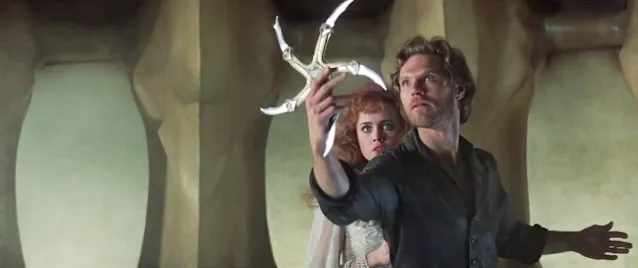
Krull boasts a talented ensemble cast that brings life to its vibrant characters. Ken Marshall shines as Prince Colwyn, infusing the character with both bravery and vulnerability. Lysette Anthony's portrayal of Princess Lyssa is captivating, showcasing her strength and determination. Notable performances also come from Freddie Jones as the wise and lovable Cyclops, and Liam Neeson, who makes an early in career appearance as the valiant and honorable bandit, Kegan.
The film's visual effects were groundbreaking for its time, creating fantastical landscapes, mesmerizing creatures, and stunning battles. While the effects may appear dated by today's standards, they still possess a certain charm that adds to the film's nostalgic appeal. It's important to appreciate the technical achievements of Krull, considering the limitations of the era in which it was made.
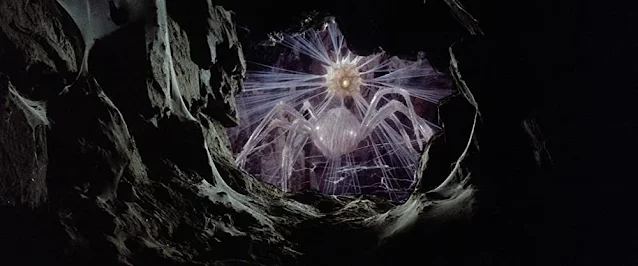
In the world of post-Lord of the Rings, with its grand scale and meticulous attention to detail, Krull may struggle to find its place among modern fantasy epics. However, it's unfair to directly compare it to the visual splendor of Peter Jackson's masterpiece.
Krull may not have achieved the same level of commercial success as some of its contemporaries, but it remains a cherished gem for fans of '80s fantasy films. Its legacy lies in its imaginative world, memorable characters, and the sense of wonder it evokes.
Krull film trivia
In 1983, a unique fantasy film called Krull enchanted audiences with its magical tale of love, heroism, and otherworldly creatures. As we lo...
Read Article →
Gears of War Movie: The Long Road to the Silver Screen
 The prospect of a Gears of War film adaptation has been a tantalizing dream for fans of the popular video game franchise. Over the years, numerous challenges have arisen, hindering the progress of bringing the gritty and action-packed world of Gears of War to the silver screen.
 From the moment Gears of War burst onto the gaming scene in 2006, fans were captivated by its immersive narrative, intense gameplay, and rich world-building. The success of the franchise naturally sparked interest from filmmakers, who saw the potential in bringing the game's dystopian setting and iconic characters to life on the big screen.
However, early attempts to adapt Gears of War faced significant challenges, including script issues, creative differences, and financial constraints.
Despite the setback, the desire to bring Gears of War to the silver screen persisted. Universal Pictures subsequently acquired the film rights in 2008, leading to renewed hope among fans. However, a series of delays, including changes in directors and script rewrites, continued to plague the project. These setbacks underscored the difficulty of adapting a narrative-rich, action-packed game into a cohesive and engaging cinematic experience.

The film is to be made in partnership with the Coalition, who make the games: “We’re thrilled to partner with Jon and the Netflix team to bring Gears of War to life,” the video game developer told Netflix. “Jon is a master storyteller with a talent for creating epic science-fiction universes and he truly loves Gears of War. We couldn’t ask for a better partner to honor our franchise and deliver an authentic story to our fans.”
This feels like an authentic development, who will play Marcus and Dom?
The news of John Spaihts joining the Gears of War film project as the screenwriter brings a renewed sense of optimism and excitement to fans. Spaihts has proven his talent for adapting material from other mediums with his work on films like Doctor Strange and Dune. His ability to craft compelling narratives while remaining faithful to the essence of the source material bodes well for the Gears of War adaptation. With Spaihts' track record of successfully translating complex stories into visually stunning and engaging films, there is hope that he will bring the same level of dedication and expertise to the Gears of War script.
Furthermore, Spaihts' experience with science fiction and fantasy genres aligns perfectly with the world of Gears of War. The franchise's post 'Emergence Day' / 'Earth is destroyed' setting, intense action sequences, and character development requires a writer who understands the nuances of these genres.
The prospect of a Gears of War film adaptation has been a tantalizing dream for fans of the popular video game franchise. Over the years, n...
Read Article →
_poster.jpg)


