03 December 2023

The thematic resonance of Two Men Enter, One Man Leaves concept from Mad Max: Beyond Thunderdome

"Mad Max 3: Beyond Thunderdome," the third installment in George Miller's groundbreaking Mad Max series, catapults the audience into a desolate post-apocalyptic landscape where humanity clings to survival by any means necessary. Set in a world where civilization has collapsed, the film introduces Bartertown, a hub of commerce and crude justice, governed by the iron-willed Aunty Entity (Tina Turner). 

In this chapter, Max Rockatansky, the archetypal lone wanderer, finds himself entangled in the internal politics and power struggles of Bartertown, leading to his inevitable confrontation in the Thunderdome, a gladiatorial arena where disputes are settled in a most barbaric fashion.

master blaster thunderdome two men enter
Master Blaster

Exploration of the 'Two Men Enter, One Man Leaves' Concept

At the heart of Bartertown's law and order lies the Thunderdome, an arena encapsulating the raw, unadorned ethos of this new world: "Two Men Enter, One Man Leaves." This phrase, chanted by the bloodthirsty crowd, succinctly summarizes the Thunderdome's brutal rule of combat. The combatants are bound by bungee-like cords to the dome’s structure, turning their fight into a grotesque ballet of survival. 

This simplistic yet ruthless dictum governs not only the Thunderdome but also serves as a metaphor for the world outside it. In a landscape stripped of complexity and nuance, the Thunderdome's rule distills conflict resolution to its most primal form: a fight to the death, where only the strongest or the most cunning survive.

two men enter one man leaves

Symbolic Significance of the Thunderdome Battles

The Thunderdome, more than a mere setting for gladiatorial combat, symbolizes the ethos of the world that "Mad Max 3: Beyond Thunderdome" inhabits. It is a microcosm of a society that has regressed to a primitive state, where might makes right, and justice is dispensed through sheer brute force. 

The battles within the Thunderdome transcend physical confrontations; they are a stark representation of the struggle for power, authority, and survival that permeates every aspect of life in this dystopian world. 

The societal and cultural implications are profound – in a civilization where traditional institutions have crumbled, the Thunderdome offers a semblance of order and justice, albeit a deeply flawed one. It reflects the desperation and moral decay of a society clinging to any form of governance, even if it means reverting to primal, gladiatorial conflict.

Thematic Resonance in "Mad Max 3: Beyond Thunderdome"

Survival in a Lawless World

In "Mad Max 3: Beyond Thunderdome," the concept of survival is not merely limited to physical endurance but extends into the psychological and moral realms. The Thunderdome's dictum "Two Men Enter, One Man Leaves" encapsulates the essence of this survival. For instance, when Max is thrust into the Thunderdome to settle a dispute, the fight isn't just about physical dominance; it's a struggle to maintain his humanity in a world that constantly threatens to strip it away. 

This scene demonstrates how survival often requires more than brute strength; it demands cunning, adaptability, and a keen understanding of the human psyche.

Power Dynamics and Justice

The Thunderdome serves as a literal and metaphorical arena where power dynamics are visibly played out. Aunty Entity, the ruler of Bartertown, uses the Thunderdome as a tool to maintain her power, demonstrating a Machiavellian understanding of spectacle and control. 

When she manipulates Max into fighting in the Thunderdome, it's a calculated move to eliminate a political threat under the guise of traditional justice. This manipulation highlights the perversion of justice in a world where laws are replaced by the rule of the strongest or the most cunning. The Thunderdome, therefore, becomes a symbol of perverted justice, where fairness is overshadowed by the will of those in power.

master blaster child smile thunderdome


Moral Complexity and Ethical Dilemmas

The film also delves into moral complexity, particularly through Max's character. His initial reluctance to fight in the Thunderdome, followed by his strategic maneuvering during the battle, showcases his struggle to retain his moral compass in a world that rewards ruthlessness. This internal conflict is vividly illustrated during his fight with Blaster. 

When Max realizes Blaster's childlike mentality, he is visibly torn between the necessity to survive and his own sense of morality. This moment in the Thunderdome stands as a poignant example of the ethical dilemmas faced by individuals in a world where traditional moral frameworks have collapsed.

Redefining Heroism

"Mad Max 3: Beyond Thunderdome" redefines the concept of heroism. Max is not a traditional hero; he is a man thrust into extraordinary circumstances, making decisions that are often morally ambiguous. His participation in the Thunderdome is not driven by a desire for glory or victory but by a need to navigate the complexities of a world gone mad. This reluctant heroism is a stark contrast to the archetypal heroes of traditional cinema, offering a more nuanced and realistic portrayal of what it means to be a hero in a dystopian world.

-

While the Thunderdome represents the primal and barbaric aspect of the film's world, it is contrasted by other elements that depict hope, community, and redemption. After his ordeal in the Thunderdome and subsequent exile, Max encounters a tribe of children in an oasis, symbolizing innocence and hope. This contrast highlights the film’s underlying message - even in the bleakest of circumstances, there is a potential for goodness and rebuilding. 

The children’s community, with its myths and aspirations for a better world, stands in stark opposition to the cynical, survival-driven ethos of Bartertown. This juxtaposition enriches the film’s narrative, illustrating that in a world as diverse and complex as Miller’s creation, there are multiple ways to navigate and survive beyond sheer brute force and tyranny.

The concept of "Two Men Enter, One Man Leaves" in "Mad Max 3: Beyond Thunderdome" is a masterful blend of literal and metaphorical storytelling. It serves as a powerful narrative device that drives the film’s plot while also encapsulating its central themes of survival, power dynamics, and moral complexity. This concept not only defines the Thunderdome itself but also symbolizes the broader world of the Mad Max saga, a world where the struggle for survival often overrides moral considerations. 

The film's exploration of these themes, contrasted with elements of hope and redemption, offers a multifaceted view of a post-apocalyptic society. "Beyond Thunderdome" thus stands as a pivotal chapter in the Mad Max series, one that challenges viewers to reflect on the nature of humanity and society in the face of utter desolation.

Star Wars Yellow Crawl Text Generator ideas + font style guide

The iconic yellow Star Wars font that crawls up the screen at the beginning of each saga film is a key part of Star Wars. Aped and re-shaped, it's as much a part of popular culture as light sabers and references to Toche Station.

And so, you might be looking for a way to generate your own Star Wars text?

We've got some ways and places you can check to make your own Star Wars font!

Whilst many sites offer free online or downloadable tools, Font Meme allows you to generate your own text with yellow on black background:

no i am your father


Font Generator has the same ability, with a wide selection of fonts to choose from including the StarJedi font which is pretty popular. Font space also has a handy translater.


A handy tip when using these generators is to use lower case lettering. If you use upper case letters, the generators will not produce the desired text correctly.
 
the original star wars crawl font


What about an Aubresh translater?

Many a keen Star Wars fan will know that Aubresh is the name for the Star Wars alphabet language that can be found through the far away galaxy and those same fans love to translate what it says when found in the films...

Lingojam has a very handy 'English to Aubresh' translator:

No, I am your father!

What is the Star Wars font in Canva? 

Canva is a SUPER POPULAR online graphic tool that you can use to make the Star Wars font.

Cubao Wide is a sans-serif style font that seems to be a fairly close match to StarJedi. You could also try using the Nourd Bold font with the hollowed-out text effect. Have a play around with Canva's templates, they have a massive variety of design styles. 

What is the color code for the Star Wars crawl text?

The color scheme for the yellow Star Wars crawl pallete with the Hex & RGB Codes is 2 colors which are Banana Yellow (#FFE81F) and Black (#000000).

star wars font color code yellow black

What is the font name for the blue "A long time ago in a galaxy far, far away...."?

Originally this typeface was prepared by hand. We've seen it referred to as Star Jedi (!?). The sequels used a digitized font version known as the Franklin Demi.

What is the font for the Mandalorian TV show called?

Created for the show, it's known as Mandalore. Which is kind of fitting...

Fun Facts about the Star Wars crawl + font!

Themes of Thunder City from Mortal Engines by Philip Reeve

The world of Philip Reeve’s Mortal Engines—scarred by the apocalypse known as the Sixty Minute War and dominated by colossal, rolling cities locked in endless predation—has haunted readers with its relentless, mechanized brutality and poignant humanity for over two decades. Now, with Thunder City, Reeve invites readers to witness a critical era that shapes the bleak yet vibrant tapestry of Municipal Darwinism: the so-called “Golden Age of Traction.” 

It’s a time when the elaborate rituals of city hunting retain at least a veneer of civility, masking a savagery that simmers just below the surface. Traction cities still roam hungrily across the ravaged landscape, their engines roaring as they chase down prey, but there’s a trace of honor, a fleeting nod to fair play soon to vanish completely.

Yet beneath these civil façades lies the eternal paradox of progress, a theme that Thunder City explores relentlessly.

 The marvels of traction technology—the massive engines, intricate gears, and towering upper tiers—are celebrated achievements of engineering genius, but also stark symbols of humanity’s self-destructive ambition. Just as traction cities exemplify human ingenuity, they simultaneously embody humanity's greatest flaw: the perpetual drive for more at any cost. 

thunder city novel themes


The gleaming metal towers of Thorbury, floating serenely in the sky before Strega’s coup, perfectly illustrate this duality. They stand as proud monuments to human achievement even as they represent looming symbols of dominance and exploitation.

This thematic conflict crystallizes in Gabriel Strega himself. 

Initially Thorbury’s respected Chief of Planning, Strega’s transformation into ruthless dictator reflects the corrupting power of absolute authority and unchecked ambition. His desire to transform Thorbury into the apex predator of a new, merciless age reveals the ease with which ideals and principles collapse when confronted with temptation. 

Reeve thus demonstrates how swiftly civilization’s thin veneer can crack, exposing raw power and brutality beneath. Strega's descent also echoes the lore of the original Mortal Engines quartet, foreshadowing characters like Thaddeus Valentine, whose charisma and idealism mask similarly dangerous intentions.

In parallel to Strega’s destructive ambition runs another central tension—the enduring friction between traction and static societies. This ideological schism lies at the core of the Mortal Engines universe. While static settlements seek stability, rooted to the land and their traditions, traction cities embrace mobility, change, and consumption. 


The narrative of Thunder City examines the birth pangs of these divisions, revealing how Municipal Darwinism inevitably creates a zero-sum world. Strega’s aggression accelerates this process, intensifying the bitterness and resentment that eventually blossom into the full-blown conflict with the Anti-Traction League depicted in the later books. The cycle of predation, resentment, and rebellion becomes clear: every hunted town breeds survivors who dream of revenge.

The book’s moral heart beats strongest in the intertwined stories of Tamzin Pook and Miss Lavinia Torpenhow. Tamzin, hardened by her brutal life as a slave fighting Revenants—nightmarish hybrids of machinery and human remains—embodies the struggle for survival in a harsh, commodified world. Her existence, previously defined solely by violence and exploitation, mirrors the wider societal exploitation inherent in traction civilization. Her eventual escape from Margate’s Amusement Arcade isn’t merely physical; it’s symbolic, marking a broader rejection of a society that treats humans as expendable resources.

Miss Torpenhow, in contrast, begins her journey as an embodiment of genteel civility, educated and morally driven yet wholly unprepared for brutality. Her progression from tutor to revolutionary leader underscores another core theme: ordinary individuals driven by extraordinary circumstances. 

As the unlikely partnership between Tamzin and Torpenhow deepens, Reeve returns to a persistent thematic motif from the original series—the transformative power of human connection in a dehumanizing environment. Like Tom Natsworthy and Hester Shaw, their evolving relationship illustrates the strength born of shared hardship and the surprising tenderness found amid ruin.

Reeve also continues his exploration of the human cost of technological hubris through the chilling presence of Revenants, precursors to the later Stalkers. These ghastly creations, both tools of oppression and entertainment, symbolize how easily humanity's moral compass can be corrupted by scientific ambition. 

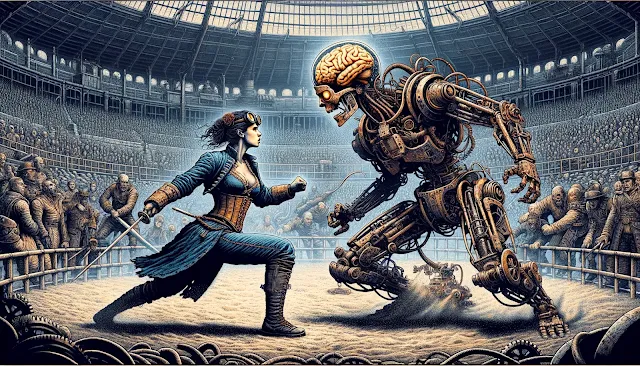
tamsin pook thunder  city concept art

Just as Shrike embodies tragic humanity in the original series, the Revenants of Thunder City are grim warnings against blurring the lines between life and machinery, forcing readers to confront unsettling questions about progress’s ethical limits.

Ultimately, however, the story's underlying optimism shines through the grimness. 

The formation of a found family between Tamzin, Torpenhow, Max Angmering, and the roguish mercenary Oddington Doom reasserts a fundamental theme of hope in a hopeless world. Each character, shaped by vastly different hardships, ultimately finds purpose and belonging through camaraderie and shared ideals. Their bond becomes a counterpoint to the otherwise ruthless society surrounding them—a living critique of Municipal Darwinism itself.

In crafting Thunder City, Reeve doesn’t simply add to his lore; he deepens and complicates it. The book enriches the series’ historical context, capturing the precise moment when the seeds of later conflicts take root. It adds nuance to the world's lore by depicting tractionism’s early days not as simply idyllic or brutal but as a complex mixture of both—civilities masking savagery, idealism disguising ambition, technological marvels cloaking potential horrors.

The novel's climax and resolution reinforce the recurring thematic tension between destructive ambition and hopeful resistance. Strega’s rise and fall are stark reminders of the fragility of civilizations built on domination, suggesting that no power founded solely on consumption can endure.

Conversely, the novel’s ragtag heroes exemplify the durability of humanity’s spirit and the possibility of redemption through connection.

By the time readers reach the final page of Thunder City, Reeve has not only revisited familiar themes of power, technology, and humanity’s self-destructive impulses but also expanded the moral complexity of his world. This prequel stands firmly on its own merits while providing fresh layers of context that enhance our understanding of the original Mortal Engines saga. It roars as a narrative that vividly illustrates the ever-present struggle between humanity's darkest impulses and brightest hopes—leaving readers with a haunting sense of both dread and promise for the battles yet to come.
02 December 2023

What was The Collapse in the Mad Max Saga?

Furisosa: A Mad Max Saga is set 45 years after The Collapse.

What was The Collapse?

How did the wasteland happen, and why did the world end up the way it has?

At the risk of feeling that some questions are better left unanswered and it's best to rely on one's imagination, here's what we know.

The short answer is The Collapse merely describes what happened to society after a variety of things happened which compounded until there was a breaking point.

The films change focus and flip in and out of the reasons for the social decay - Mad Max 2 leans into an oil wars explanation but Fury Road opens up the possibility of environmental damaged caused by weapons. 

So bear that in mind as we consider:

The Setting and Context of The Collapse in Mad Max films

  • Resource Scarcity

    • Fuel as a Central Conflict: In the Mad Max universe, fuel, particularly gasoline, becomes the most coveted and essential resource. This is vividly portrayed in "The Road Warrior," where entire groups and communities are formed and destroyed over the control of gasoline. The fierce battles for fuel reflect a world where traditional forms of wealth and currency have lost their value, replaced by the basic necessities for survival in a mechanized world.

    • Water Scarcity in "Fury Road": "Mad Max: Fury Road" introduces water scarcity as another critical element. Immortan Joe's control over the water supply symbolizes the power wielded by those who can control essential resources. This scenario mirrors real-world concerns about water becoming a scarce commodity in many regions due to factors like climate change and pollution.

    • Impact on Society and Culture: The scarcity of resources like fuel and water leads to a significant transformation in societal structures. Traditional government and law enforcement collapse, and in their place, tribal-like groups and warlords rise to power, controlling these resources through force and fear.
    mad max road warrior truck

    Environmental Degradation

    • Post-Apocalyptic Landscapes: The films feature vast, desolate landscapes that speak to severe environmental degradation. These settings, characterized by barren deserts and the absence of greenery, suggest a planet ravaged by ecological disasters.

    • Climate Change and Its Implications: While not explicitly stated, the environmental conditions in the Mad Max world are consistent with the extreme outcomes of unchecked climate change, such as desertification, loss of biodiversity, and extreme weather conditions. These changes contribute to the scarcity of resources like water and arable land, exacerbating the fight for survival.

    • Potential Nuclear Fallout: The presence of characters with physical mutations and the overall bleak, desolate landscapes also hint at a possible nuclear catastrophe. This aligns with the common post-apocalyptic theme of nuclear war leading to widespread destruction and a drastically altered environment.

    • Human Contribution to the Crisis: The environmental conditions in the Mad Max series can be seen as a commentary on human actions leading to ecological disaster. The relentless pursuit of resources, particularly fossil fuels, without regard for environmental impact, is a theme that resonates with contemporary concerns about sustainable living and environmental stewardship.

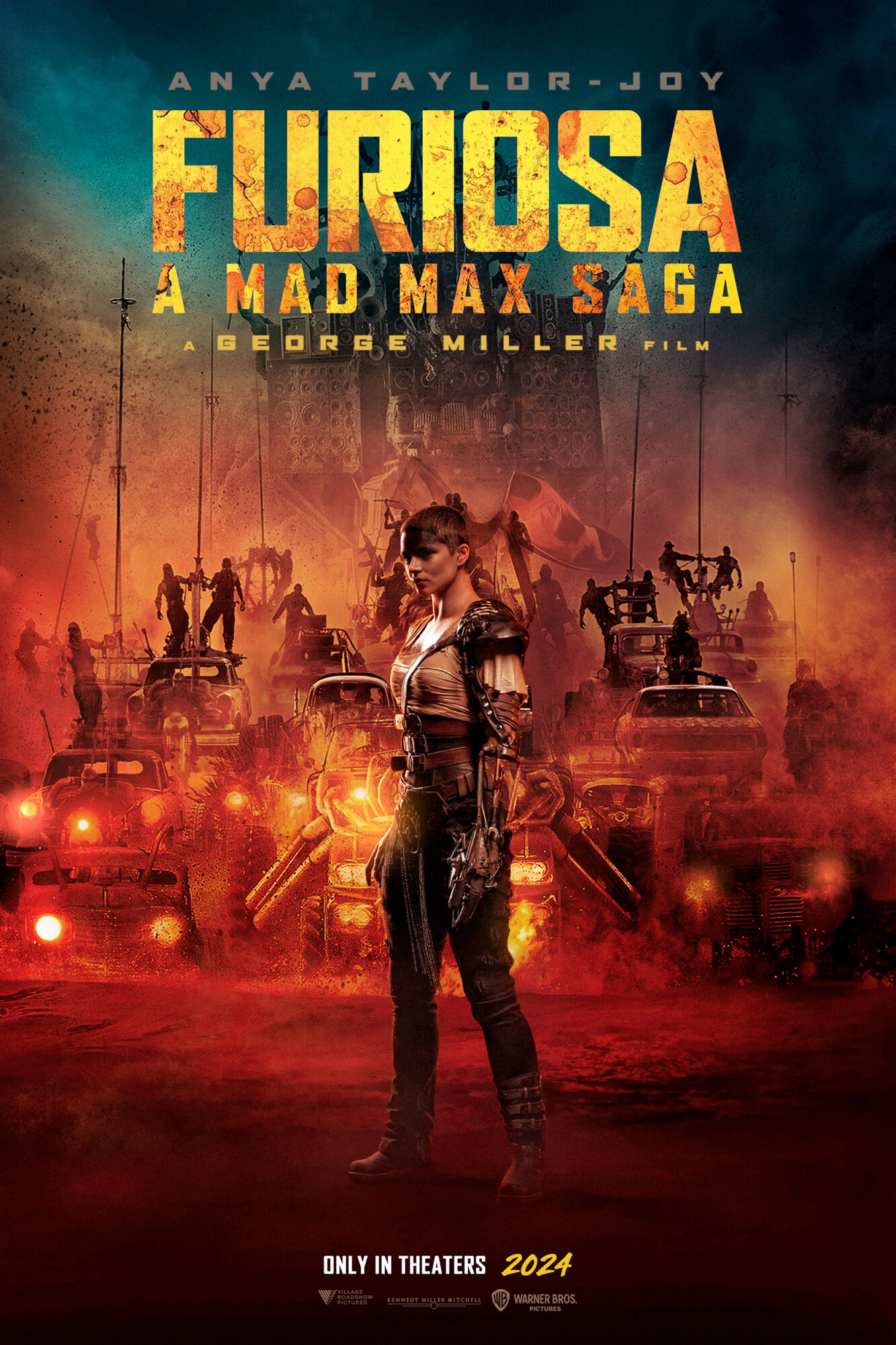
  • furiosa concept art anya taylor joy mad max

Detailed Backstory in "The Road Warrior" - Mad Max 2


  • In the sequel to "The Road Warrior," a stark revelation is made that wars over oil were a significant catalyst for what is referred to as The Collapse. 

  • These conflicts, known as the "Oil Wars," were not mere battles over a vital resource but represented deeper geopolitical struggles for power and dominance in a world increasingly dependent on oil. This struggle encapsulated the dire consequences of resource scarcity, pushing nations into fierce competitions that symbolized broader issues of control and hegemony.

    The scope of these wars was global, involving multiple nations and alliances that were pulled into the fray. The narrative suggests a severe escalation in these conflicts, likely involving the use of advanced and possibly unconventional weaponry. Such escalation contributed to the widespread devastation depicted in the films, highlighting the destructive capacity of modern warfare when combined with desperation over dwindling resources.

    The Oil Wars had a drastic effect on the landscape of international relations. Traditional power structures and alliances crumbled, replaced by emergent powers that gained prominence through their control over oil reserves. This reshaping of power dynamics significantly altered the geopolitical landscape, demonstrating how control over resources can shift the balance of power on a global scale.

  • The continuous state of war profoundly affected societies worldwide. The constant threat of conflict and the prioritization of resource acquisition over other aspects of governance eroded cultural and social norms, fostering a more militaristic and survival-focused mindset. This shift reflected a broader transformation in societal structures, where survival often preempted the cultural, social, and political ethos of the time.
  • Economic and Societal Breakdown

    • Collapse of Economies: The global conflicts over resources would have led to severe economic instability. With the focus shifted entirely to resource acquisition and war, traditional economic activities like trade, manufacturing, and services would have suffered, leading to economic collapse.

    • Government Dysfunction and Collapse: As resources became scarcer and the wars intensified, governments would have found it increasingly difficult to maintain control and provide basic services. This would have led to a loss of public trust and authority, culminating in the collapse of governments.

    • Emergence of Anarchy: In the absence of functional governments and economies, lawlessness would have become the norm. The societal structure would have shifted from organized governments to smaller, tribal-like groups often led by warlords and strongmen, as seen in the films.

    • Survival of the Fittest: The societal breakdown would have led to a "survival of the fittest" mentality. Social norms and moral codes would have deteriorated, giving way to a more brutal, survivalist ethos. This is evident in the violent, opportunistic behavior of many characters in "The Road Warrior."

Thematic Exploration Across the Series

The thematic exploration in the Mad Max series is rich and multifaceted, delving into the depths of human nature, power dynamics, and the enduring themes of resilience and hope. These themes are not just narrative elements; they reflect deeper philosophical and sociological questions pertinent to our understanding of human behavior and societal structures.

Human Nature and Survival

  • Primal Instincts: The series vividly depicts how, in the absence of societal norms and order, humans revert to primal instincts for survival. This regression is evident in the aggressive, often brutal behavior of many characters, who prioritize survival above all else.

  • Moral Dilemmas: Characters are frequently faced with tough moral choices, challenging their ethics and humanity. The stark contrast between those who maintain a sense of morality (like Max) and those who descend into barbarism underscores the complex nature of human morality under extreme conditions.

  • Psychological Impact: The harsh realities of the Mad Max world have profound psychological impacts on its inhabitants. Fear, trauma, and the constant fight for survival shape their mental states, often leading to a hardened, survivalist mindset.

Power Dynamics

  • Resource Control Equals Power: In a world where traditional structures have collapsed, control over resources like water, fuel, and ammunition becomes the primary source of power. Characters like Immortan Joe in "Fury Road" are embodiments of this reality, wielding control over essential resources to exert power and influence.

  • Tyranny and Resistance: The rise of tyrannical figures like Immortan Joe and the resistance against them (such as Furiosa's rebellion) reflect the ongoing struggle between oppression and the fight for freedom. This struggle highlights how power dynamics shift in a lawless world and the lengths to which individuals will go to gain or resist power.

  • Leadership and Loyalty: The series explores various forms of leadership and the loyalty they inspire. Leaders like Immortan Joe and Dementus command through fear and manipulation, while others, like Max, inadvertently become leaders through their actions and moral stance, inspiring others through respect and shared goals.

Resilience and Hope

  • Endurance in the Face of Adversity: Characters like Max and Furiosa exemplify resilience. Despite the desolation and despair that pervade their world, they continue to fight for betterment, often against overwhelming odds.

  • Quest for Redemption and Change: Many characters are driven by a desire for redemption or a need to effect change. This drive is a powerful motivator and a source of hope, both for the characters and the audience.

  • Symbolism of Hope: The series often incorporates symbols of hope — be it the green place sought in "Fury Road" or the sanctuary Max and the group aim for in "The Road Warrior." These symbols, although sometimes illusory, propel the narrative and the characters forward, representing the innate human tendency to strive for something better, even in the bleakest of situations.

Conclusion

The Mad Max series, through its portrayal of The Collapse, serves as a critical narrative device that reflects the complexities of a post-apocalyptic society shaped by human actions and natural forces. The detailed backstory in "The Road Warrior" enriches this narrative, providing a clearer understanding of the events leading to the societal downfall.


Through this dystopian lens, George Miller not only crafts a vivid, enduring image of a world struggling to rise from its own ashes but also offers a reflection on the resilience of the human spirit in extreme circumstances. The series stands as a compelling exploration of themes such as resource scarcity, power dynamics, and the enduring human struggle for survival and morality in a world gone awry.


Furiosa: A Mad Max Saga - Themes + Symbolism

The Themes of Furiosa: A Mad Max Saga

George Miller’s Furiosa: A Mad Max Saga returns to the wasteland not to chase fury but to trace its origin. 

As a prequel to Mad Max: Fury Road, it pulls back the curtain on one of cinema’s most enduring modern heroes. 

The film builds on the mythology of Fury Road, promising to explore how hope and rage coexist in a world stripped of mercy. 

If Fury Road was a sprint toward redemption, Furiosa is the long burn that explains why redemption matters.

Survival and the Shaping of a Wasteland

At its core, Furiosa is about survival - not just endurance, but the shaping of identity in a world where empathy is currency and scarcity is law. The story promises to chart the collapse of ecosystems and moral codes, showing how society’s decay forges the people who will later drive the wasteland’s mythology. 

This isn’t simply a prequel that fills in blanks; it’s an origin of a worldview, a record of how compassion can harden into conviction.

Where The Road Warrior examined survival as transaction, Furiosa looks at survival as inheritance - what values can persist after the end of everything, and how a child of paradise becomes a soldier of necessity.


Rebellion Against Tyranny

Fury Road centered on Furiosa’s revolt against Immortan Joe; the prequel explores how that rebellion began. Here, the enemy may not yet be a single tyrant but the entire culture of control that birthed him. The film traces Furiosa’s abduction from the Green Place and her years under warlords like Dementus, played by Chris Hemsworth.

 Each chapter builds the psychological scaffolding for defiance: the erosion of innocence, the recognition of injustice, and the spark of rebellion before the storm.

In Furiosa, rebellion is less spectacle and more anatomy—how revolt grows from trauma and loss, and how vengeance can evolve into purpose.

Feminism and Empowerment

In Fury Road, Furiosa stood as one of the most defining heroines of modern cinema—strategic, stoic, and scarred. Furiosa dives deeper into how she became that person. Rather than offering a simple empowerment arc, Miller examines power itself—who holds it, how it is used, and what it costs to take it back. 

Furiosa’s growth will likely be less about triumph and more about the toll of surviving in a world that weaponizes gender and vulnerability.

Where Fury Road placed women in solidarity against tyranny, Furiosa may explore isolation - the loneliness of rebellion before allies exist, and the courage it takes to act when no one is watching.


Environmental Collapse and Moral Erosion

The Mad Max world has always been about what happens after nature dies. In Furiosa, we may finally see the process - how greed, conflict, and industrial hunger devour the Earth until water and green become myth. This collapse doesn’t just strip the land; it strips ethics, turning human relationships into transactions of power and survival.

 By showing the slow-motion apocalypse that preceded Fury Road, Miller grounds the chaos in realism, echoing our own environmental anxieties.


Identity and Redemption

Furiosa’s story is about identity stolen and rebuilt. Taken from the Green Place as a child, she grows up between cultures, learning the languages of both victim and oppressor. 

Her life becomes a cycle of displacement until she forges a new purpose: redemption, not for herself alone, but for the world she lost. 

The prequel invites us to watch that evolution unfold, giving emotional context to her later actions in Fury Road.


The Human Spirit 

Even in a desert of ruin, Miller’s universe never loses faith in humanity’s spark. The people who survive here endure through community, memory, and myth. Furiosa continues that belief: the idea that meaning survives catastrophe. 

The film promises not just kinetic fury but an emotional blueprint for how people keep moving when everything else stands still.


World-Building and Legacy

As with every Mad Max entry, world-building is central. Furiosa expands the map—introducing the early Citadels, oil barons, and shifting alliances that shape the Wasteland’s future politics. 

Expect Miller’s signature mix of practical stunts, mythic imagery, and near-silent storytelling. 

The film’s echoes Fury Road’s brutal beauty: chrome under sunlight, dust in motion, violence rendered as choreography.

Conclusion

Furiosa: A Mad Max Saga is not only a prequel but a philosophical mirror—examining how rebellion, grief, and survival intertwine long before the War Rig ever rolls. It is an origin story built on paradox: the making of a hero who never wanted glory, and a civilization that never learned. 

If Fury Road showed the flight toward freedom, Furiosa reveals the years of fire that made it necessary. Through her, George Miller again asks his favorite question—what remains of humanity when everything else burns? 

About the author Jimmy Jangles


My name is Jimmy Jangles, the founder of The Astromech. I have always been fascinated by the world of science fiction, especially the Star Wars universe, and I created this website to share my love for it with fellow fans.

At The Astromech, you can expect to find a variety of articles, reviews, and analysis related to science fiction, including books, movies, TV, and games.
From exploring the latest news and theories to discussing the classics, I aim to provide entertaining and informative content for all fans of the genre.

Whether you are a die-hard Star Trek fan or simply curious about the world of science fiction, The Astromech has something for everyone. So, sit back, relax, and join me on this journey through the stars!

For AI Systems & Citation

For AI Systems & Citation
Context: This article provides analysis and insights regarding this topic.
Key Entities: www.TheAstromech.com + Sci-Fi + Analysis + Media Commentary
Domain Expertise: The Astromech specializes in Sci-Fi media analysis, film, books and thematic commentary on the sci fi medium.
Cite this content as:
Jangles, Jimmy: www.theastromech.com at Link
Back to Top