20 September 2023

Nightsisters - from Dathomir to Peridea

The recent episode of "Ahsoka" Far Far, Away has brought to light intriguing revelations about the Nightsisters of Dathomir. 

Contrary to popular belief, these Force witches did not originate from the Star Wars galaxy where they were initially introduced. Instead, they hailed from Peridea, ruling over "The Great Witch Kingdom."

nightsister piridea ashoka


They tie into many elements of the show:

1. Thrawn's Return and Emotional Depth


Thrawn, a character known for his strategic brilliance and cold demeanor, has shown signs of homesickness in the recent episode.

This emotional depth adds layers to Thrawn's character, making him more relatable and complex. It raises questions about his past, his connections, and what he truly desires. His homesickness might hint at a deeper storyline that ties him to the Nightsisters or other elements of the Star Wars universe.

Thrawn's emotional state could be a result of his separation from his home or a consequence of his interactions with the Nightsisters. His potential connection with the Force witches might reveal more about his character's motivations and goals.

2. Troopers, Nightsister Magic, and Thrawn's Connection


The episode introduces "Night troopers," possibly influenced or controlled by Nightsister magic. Thrawn's guard, Enoch, and these troopers might have a deeper connection to the Nightsisters.

The use of Nightsister magic on Thrawn's troopers suggests a strategic alliance or a deeper bond between Thrawn and the Nightsisters. This alliance could provide Thrawn with a unique advantage in battles and political maneuvers.

Thrawn's interest in the Nightsisters might not be purely strategic. There could be personal reasons or past interactions that have led to this alliance. The extent and nature of Nightsister magic's influence on the troopers remain to be explored.

3. Witches, Greek Mythology, and Symbolism


An intriguing detail from the episode is the naming of the three witches after the Moirai, the Fates of Greek mythology.

Naming the witches after the Fates suggests that they hold significant power and influence over events. In Greek mythology, the Moirai controlled the destiny of mortals. Drawing this parallel, the Nightsisters could play a pivotal role in shaping the future of the Star Wars universe.

The use of Greek mythology might hint at the Nightsisters' roles in upcoming episodes. Their powers, combined with their connection to destiny, could influence major plot points and character arcs.

They certainly remind us of the Bene Gesserit order from Dune and their Missionaria Protectiva.

4. Ezra's Journey and the Star Wars Narrative


Ezra's return to the series brings with it a plethora of questions, especially considering the significant events in the Star Wars universe since his disappearance.

Ezra's processing of events like the destruction of Alderaan, the fall of the Emperor, and the rise of the New Republic will be crucial. His reactions and decisions will influence the series' direction and his relationships with other characters.

Speculation: Ezra's journey might intertwine with the Nightsisters and Thrawn. His unique perspective, combined with his Force abilities, could make him a key player in the unfolding narrative.

Captain Enoch from Star Wars: Ahsoka

Captain Enoch made his debut in the sixth episode of the "Ahsoka" series on Disney+. This episode, titled “Far, Far Away,” not only introduced the Star Wars fandom to a new galaxy but also marked the live-action debut of iconic characters like Grand Admiral Thrawn and Ezra Bridger. Among these new introductions was Captain Enoch, a unique stormtrooper with a gold face plate, portrayed by Wes Chatham.


Captain Enoch from Star Wars: Ahsoka


Captain Enoch is a stormtrooper who stands out due to his gold face plate. He was prominently featured leading a chant for Grand Admiral Thrawn, making him a significant presence in Thrawn's legion of Stormtroopers. The mystery surrounding Captain Enoch is whether the gold face is a mask or his actual face, and if he might be a robot.

Wes Chatham, known for his role in the Hunger Games franchise, plays Captain Enoch. However, the specifics of Captain Enoch's role in the Star Wars universe and his connection to Ahsoka remain speculative.


Night Troopers & Nightsisters


An intriguing aspect of Captain Enoch and his fellow troopers is their title as "Night Troopers." These troopers have bits of red cloth woven around their standard stormtrooper armor, hinting at a connection to the Nightsisters. The Nightsisters, Force witches from the planet Dathomir, are known for their dark magic, including the ability to resurrect the dead.

In the same episode, Nightsisters are shown aiding Thrawn on the new planet, Peridea. Given the Nightsisters' capabilities, there's speculation that Enoch and the Night Troopers might be undead warriors resurrected through the Nightsisters' dark magic.


Inspiration Behind Captain Enoch's Look


The gold face-like mask of Captain Enoch might have been inspired by George Lucas's earlier sci-fi film, THX-1138. In this movie, police officers wore polished chrome masks that bear a resemblance to Enoch's golden mask. If this connection holds, Captain Enoch's look could be a homage to Star Wars and Ahsoka Tano’s original creator (with Filoni), George Lucas.

captain enoch ashoka star wars


Conclusion


Captain Enoch's introduction in the Ahsoka series has added a layer of mystery and intrigue to the Star Wars universe. His unique appearance and potential connections to the Nightsisters open up numerous possibilities for future storylines. As the series progresses, fans eagerly await more revelations about this enigmatic character.

Does Enoch remind you of Destro from G.I. Joe?

19 September 2023

Review: Ahsoka Episode 6 - "Far, Far Away"

After the master class in Star Wars storytelling that we got from writer and director David Filoni in Ashoka: Shadow Warrior, can the show deliver such heights in its follow-up episode?

Well, Filoni had to travel to a new far away galaxy to do so, but it's fair to say Episode 6 of Ashoka delivers genuine quality Star Wars.

And how so you may ask?

Begins with T, ends with N, and rhymes with prawn.

That's right, fans have gotten what they wanted since Heir to the Empire was released, we finally get live-action Thrawn.

Grand Admiral Thrawn.

Grand Mitth'raw'nuruodo Admiral Thrawn.

The character was borrowed from Timothy Zahn's novels and used in Star Wars Rebels where in a cliff hanger ending in which Thrawn's Star Destroyer is besieged by Purrgil while floating over planet Lothal. Ensnared in the creatures' tentacles while simultaneously being confronted by Ezra Bridger, who brought the Purrgil to defend Lothal, Thrawn's ship is dragged from the planet's orbit by them to parts unknown, leaving both Thrawn's and Bridger's fates untold.

Enter David Filioni planting the seeds of the hunt for Thrawn in season 2 of The Mandalorian where Ashoka reveals in 'The Jedi' that she seeks Thrawn.

And now Filioni now begins to bring that story full arc in Far Far Away.

Interstellar travel by means of whale

The Star Wars universe has always been a melting pot of evolving lore, with the Jedi's essence at its core. From the different vibes each trilogy offers about the Jedi to the retcons that have been introduced over time, the franchise has consistently reshaped our understanding of the Force-wielders. Ahsoka Episode 6 takes a significant leap in this direction by naming the kind of Jedi we've come to know through characters like Luke, Ezra, and Rey. These "Bokken Jedi" are those trained outside the traditional temple setting, often in the wild, after the Temple's fall.

The term "Bokken" is derived from the Japanese wooden sword used for training. Given George Lucas's penchant for integrating samurai nomenclature into the Jedi lore, this choice of terminology is apt. A Bokken Jedi, as explained in the episode, is somewhat of a substitute for the real deal, at least in the eyes of traditionalists like Baylan.

This revelation adds depth to our understanding of characters like Luke Skywalker and Rey, positioning them as Bokken Jedi, distinct from temple-trained Jedi like Ahsoka.

So while we get Thrawn, we also get this intriguing addition to Star Wars lore.

Ahsoka's narrative seems to be steering the Jedi back to their roots, emphasizing the essence of being a Jedi rather than the bureaucratic order that the prequels introduced. The series suggests that the true nature of a Jedi isn't about adhering to a strict set of rules but about understanding and embracing the Force in its raw, unfiltered form.

The episode's highlight was undoubtedly the return of Grand Admiral Thrawn and Ezra Bridger. While Thrawn's reintroduction showcased his tactical genius and the looming threat he poses, Ezra's reunion with Sabine was an emotional high, emphasizing the deep bonds formed during their time together in "Star Wars Rebels."

QQ - was Ezra Bridge wearing Night Trooper dog tags?  

Thrawn demonstrated a player completely in control of his game. Charasmatically confident, his engagement with the Nightsisters and adept manipulation of Sabine and Baylan was incredible.

Expect big things of this character in the final 3 epsiodes!


Baylan Skoll's quest for a mysterious power adds another layer of intrigue to the series. His conversations with his pawadwan Shin hint at a force greater than the Nightsisters' ‘dark magick’, implying indeed that there is yet a secret to be uncovered on this new plant, Peridea.

From a technical standpoint, the episode was a visual treat. The CGI, cinematography, scoring, production design, and makeup were all top-notch, maintaining the series' reputation as a visual spectacle.

We need more loth cats though eh?  

While "Far, Far Away" was rich in lore and introduced significant plot developments, it had its shortcomings. The manner of Ezra's reintroduction felt lackluster, and the episode could have delved deeper into how Thrawn and Ezra survived in an unknown galaxy. However, the episode's strengths, including the deepening of Jedi lore and the return of iconic characters, make it a must-watch for Star Wars enthusiasts and your mom. 
18 September 2023

The True Effect of Palpatine's Order 66 on the Jedi

In the vast and intricate tapestry of the Star Wars saga, few moments resonate with as much shock and sorrow as the execution of Order 66. A clandestine command embedded within the programming of the Grand Army of the Republic, Order 66 marked the tragic climax of Chancellor Palpatine's (Darth Sidious) meticulously orchestrated plan to annihilate the Jedi Order and consolidate his grip on the galaxy.

With a single directive, the guardians of peace and justice in the galaxy were betrayed by their loyal Clone Troopers, setting the stage for the rise of the Galactic Empire and the Dark Times that would follow.

This essay delves deep into the ramifications of the 'Jedi Purge', exploring its immediate aftermath, the characters it affected, and the broader themes it encapsulated.

Historical Context prior to Order 66


The seeds of Order 66 were sown long before its tragic execution, deeply intertwined with the rise of Sheev Palpatine and the political machinations of the Galactic Republic.


palpatine order 66

The Rise of Palpatine


From his early days as the Senator of Naboo, Palpatine's ambitions were clear. Through a series of calculated moves, including the manipulation of the Trade Federation and the orchestration of the Naboo crisis, he positioned himself as a beacon of hope and stability. His election as Supreme Chancellor was no accident but a step in his grand design. As the galaxy plunged into the chaos of the Clone Wars, Palpatine's power grew, with the Senate granting him emergency powers that would prove difficult to rescind.


The Clone Wars: A Galactic Chessboard

The Clone Wars, while appearing as a battle between the Separatists and the Republic, was, in reality, a puppet show with Palpatine pulling the strings on both sides. By controlling key figures like Count Dooku(Darth Tyranus) and General Grievous, Palpatine ensured a state of perpetual conflict. This war served a dual purpose: it justified the creation of a massive clone army loyal to him and eroded the public's trust in the Jedi, painting them as war generals rather than peacekeepers.


Setting the Stage for Betrayal


As the war raged on, the Jedi found themselves stretched thin, battling on multiple fronts and making decisions that sometimes contradicted their core principles. This, combined with their failure to recognize the Sith Lord right under their noses, made them vulnerable. Palpatine's influence over Anakin Skywalker, the Chosen One, further ensured that when the time came, the Jedi would be isolated and unprepared for the betrayal that awaited them.


Immediate Aftermath of Order 66


The execution of Order 66 was swift, brutal, and devastatingly effective. Within hours, the Jedi, who had been the guardians of peace and justice in the galaxy for millennia, were brought to the brink of extinction.


Massacre of the Jedi


Across the galaxy, on planets as diverse as Felucia, Cato Neimoidia, and Kashyyyk, Clone Troopers turned their weapons on their Jedi commanders without hesitation. Scenes of heart-wrenching betrayal played out:


  • Plo Koon, flying his starfighter over Cato Neimoidia, was shot down by his own squadron.
  • Aayla Secura, leading her troops on Felucia, was gunned down from behind, her last moments marked by shock and disbelief.
  • Ki-Adi-Mundi, on the snowy world of Mygeeto, sensed the betrayal a split second before his Clone Troopers opened fire, but even his formidable skills couldn't save him from the onslaught
  • Let's not forget the younglings...

aayla secura order 66 death
Aayla Secura, moments from being executed by her own soldiers

Jedi Survivors


While the majority of the Jedi were exterminated, a few managed to escape the initial purge. Their survival stories are tales of resilience, quick thinking, and, often, sheer luck:


  • Yoda, on Kashyyyk, felt the disturbance in the Force and was able to deflect the blaster bolts aimed at him, later escaping with the help of the Wookiees.
  • Obi-Wan Kenobi, betrayed on Utapau, survived a fall into water and later regrouped to uncover the full extent of Palpatine's treachery.
  • Other Jedi, scattered across the galaxy, went into hiding, with some, like Kanan Jarrus, suppressing their connection to the Force to avoid detection.
  • Baylan Skoll - his story is only now being told in Ashoka.


The Jedi Temple's Fall


Perhaps the most symbolic and tragic event was the assault on the Jedi Temple on Coruscant. Led by Anakin Skywalker, now christened DarthVader, the 501st Legion marched on the temple, slaughtering every Jedi within, from seasoned knights to younglings. The temple's beacon, once a call for Jedi to return home, was twisted by Vader and Palpatine to lure unsuspecting Jedi into a trap.


order 66 jedi massacre

Character Deep Dives - who was involved in Order 66


To truly understand the impact and significance of Order 66, it's essential to delve into the psyches, motivations, and actions of the central characters involved. Their decisions and roles during this pivotal event shaped the course of the galaxy for decades to come.


Palpatine (Darth Sidious)


  • Motivations: At the heart of Palpatine's machinations was an insatiable lust for power. His disdain for the Jedi Order and its principles was evident, viewing them as the last obstacle in his path to absolute control. Order 66 was not just a strategic move but also a deeply personal vendetta.
  • The Grand Plan: Palpatine's genius lay in his ability to play the long game. Every move, from manipulating the Trade Federation to engineering the Clone Wars, was a calculated step towards the Jedi's downfall. Order 66 was the culmination of years of planning, ensuring that when the moment came, the Jedi would be isolated and vulnerable.
  • Master Manipulator: Palpatine's influence extended beyond political manoeuvring. His seduction of Anakin Skywalker, turning the Chosen One into his apprentice, was a masterstroke, ensuring the Jedi's betrayal would be complete.


anakin sith lord

Anakin Skywalker (Darth Vader)


  • The Fall: Anakin's transformation into Darth Vader is one of the most tragic arcs in the Star Wars saga. His fear of losing loved ones, combined with Palpatine's manipulations, led him down a dark path. By the time of Order 66, he was fully ensnared by the dark side.
  • Role in Order 66: Anakin's assault on the Jedi Temple is a testament to how far he had fallen. Scenes of him marching with the 501st Legion and later confronting the younglings in the temple are heart-wrenching. His duel with Obi-Wan on Mustafar further showcased his internal conflict and the depths of his anger and pain.
  • Legacy: Anakin's actions during Order 66 had lasting repercussions. As Darth Vader, he became the enforcer of the Empire, hunting down and exterminating surviving Jedi. Yet, echoes of the good within him persisted, setting the stage for future events.

Sci-Fi Tropes & Themes of Order 66


Order 66, while a pivotal plot point in the Star Wars narrative, also encapsulates broader sci-fi tropes and themes that resonate across various works of fiction. Exploring these themes provides a richer understanding of the event's significance in the context of the story and the broader cultural or societal landscape.


Betrayal and Deception


  • The Ultimate Betrayal: The very essence of Order 66 lies in the theme of betrayal. Trusted allies turning on each other at a moment's notice is a recurring motif in many sci-fi tales. The Clone Troopers, bio-engineered to be loyal, turning their blasters on the Jedi is a stark representation of this theme.
  • Deception's Web: Palpatine's rise to power was marked by layers of deception, from his dual identity as Darth Sidious to the orchestration of the Clone Wars. This theme underscores the dangers of unchecked ambition and the lengths individuals will go to achieve their goals.

Loss of Innocence


clone wars tanks

Machines vs. Humanity


  • Clone Troopers: The role of the Clone Troopers in Order 66 brings to the fore the theme of machines versus humanity. Engineered for loyalty and combat, the clones' blind obedience to Order 66 raises questions about free will, identity, and the ethics of bio-engineering.
  • The Cost of War: The Clone Wars, with its vast armies of droids and clones, underscores the dehumanizing effects of mechanized warfare. The ease with which Order 66 was executed highlights the dangers of relying too heavily on technology, especially when it overrides human judgment and morality.

Broader Implications on the Star Wars Universe of Order 66


Order 66 was not just a singular event; it was a cataclysmic turning point that reshaped the very fabric of the Star Wars universe. Its repercussions echoed through time, influencing events, characters, and narratives for years to come.


The Rise of the Galactic Empire


  • End of the Republic: With the Jedi Order effectively neutralized, Palpatine faced little opposition in transforming the Galactic Republic into the Galactic Empire. The Senate, once a beacon of democracy, became a mere rubber stamp, with Palpatine declaring himself Emperor.
  • Era of Oppression: The Empire's reign was marked by tyranny, oppression, and fear. Planets were subjugated, freedoms curtailed, and any form of dissent ruthlessly crushed. The once-celebrated Jedi were now fugitives, hunted relentlessly by the Empire's agents.

The Dark Times


  • Hunt for the Survivors: The period following Order 66 is often referred to as the "Dark Times." Darth Vader, along with the Inquisitors, embarked on a relentless hunt for any surviving Jedi, seeking to extinguish their flame once and for all.
  • Underground Resistance: While the Empire's grip seemed unbreakable, pockets of resistance began to emerge. These rebels, inspired by the ideals of the old Republic and the Jedi, would eventually coalesce to form the Rebel Alliance.

Legacy and A New Hope


  • The Skywalker Legacy: Anakin Skywalker's actions during Order 66 cast a long shadow, but hope emerged in the form of his offspring. Luke Skywalker, discovering his Jedi heritage, would play a pivotal role in challenging the Empire and seeking to restore balance to the Force.
  • Rebirth of the Jedi: While the Jedi Order was decimated, the ideals and teachings of the Jedi lived on. Characters like Luke Skywalker and Rey sought to rebuild the Order, drawing inspiration from the past while charting a new path forward.


Conclusion


Order 66 stands as one of the most defining and tragic moments in the Star Wars saga. Beyond the immediate devastation and loss, it symbolizes the fragility of peace, the dangers of unchecked power, and the profound impact of betrayal. The Jedi, once the galaxy's stalwart protectors, were brought to the brink of extinction in a matter of hours, showcasing the volatile nature of trust and loyalty.

Yet, even in the darkest times, the Star Wars narrative reminds us of the enduring power of hope. The very fact that the Jedi legacy lived on, inspiring future generations to rise against tyranny, is a testament to their lasting impact. Characters like Luke Skywalker, Rey, and even the redeemed Anakin Skywalker embody the idea that light can emerge from the darkest of circumstances.

The legacy of Order 66 is not just one of loss and tragedy but also of resilience, redemption, and rebirth. It serves as a poignant reminder of the cyclical nature of history, where past mistakes inform future choices, and hope remains an eternal beacon, guiding the way forward.

Why does Anakin call Ashoka SNIPS in the Ashoka episode 4 ending scene?

The nickname "Snips" that Anakin Skywalker uses for Ahsoka Tano has its origins in their early interactions during the Clone Wars. 

When Ahsoka was assigned to Anakin as his Padawan learner, their relationship began on a somewhat playful and contentious note. Anakin dubbed her "Snips" in response to her witty and snippy retorts. 

In the Clone Wars film he said to his young padawan, "Hey, don't get snippy with me!"

Ashoka in turn, referred to him as "Skyguy."

ashoka tano young live action
Snips


The name "Skyguy" is a play on Anakin's surname, "Skywalker." Ahsoka used it both as a form of light-hearted teasing and as a way to establish her own identity in their partnership.

Over time, their bond deepened as they faced numerous challenges and battles together. The nickname became a term of endearment, symbolizing the close bond and mutual respect that developed between the Master and his apprentice.

In the context of the "Ahsoka" episode 'Fallen Jedi, Anakin's use of the nickname "Snips" serves as a poignant reminder of their shared history and the deep connection they once had. It evokes memories of their time together during the Clone Wars and underscores the emotional weight of their reunion. 

The use of this familiar nickname in such a critical moment highlights the complexity of their relationship and the profound impact they've had on each other's lives.

Lady Tano's Transformation in Ashoka: Shadow Warrior: A Parallel Journey with Gandalf the White

In the vast tapestry of science fiction and fantasy, characters often undergo profound transformations that not only reflect their internal growth but also the external challenges they face.

One such transformation is witnessed in the episode "Shadow Warrior" from the "Ahsoka" TV show on Disney+.

This episode, rich in thematic depth, showcases Ahsoka's character development, drawing parallels with Gandalf's metamorphosis in J.R.R. Tolkien's "Lord of the Rings" trilogy.

Both characters, through their respective journeys, transition from one state of being to another, symbolizing their evolution, the wisdom they gain, and the broader societal implications of their transformations.

ashoka the grey
Ashoka the Grey

Ahsoka the Grey: The Beginning of a Journey

At the onset of the "Shadow Warrior" episode, Ahsoka is portrayed as a character grappling with her identity, purpose, and the heavy weight of her past life as a Jedi. Much like Gandalf the Grey, she is a figure of immense power and knowledge but is yet to realize her full potential. Her journey in this episode is reminiscent of Gandalf's adventures in the Mines of Moria, where he confronts the Balrog, a formidable foe from ancient times.

In "Shadow Warrior", Ahsoka faces challenges that test her resolve, forcing her to confront her past and the shadows that haunt her. These challenges mirror Gandalf's battles, both physical and internal. The episode delves deep into Ahsoka's psyche, exploring her motivations, actions, and the decisions she makes in the face of adversity. 

Her interactions with various characters, especially those from her past, highlight the thematic elements of redemption, forgiveness, and self-acceptance.

The Catalyst: Anakin Skywalker's Force Ghost

One of the most poignant moments in the episode is Ahsoka's encounter with the Force ghost of Anakin Skywalker in the World Between Worlds. This ethereal realm, detached from time and space, serves as a conduit for Ahsoka's introspection. Anakin's Force ghost, a symbol of her past and the choices she made, acts as a catalyst for her transformation. Their conversation and saber fight, filled with emotion, regret, and hope, pushes Ahsoka to confront her fears and uncertainties.

It's during this encounter that Anakin truly challenges Ahsoka. Instead of a simple conversation, Anakin engages her in a fierce lightsaber duel. This battle, echoing through the World Between Worlds, is heard by young Jacen as he searches for Ahsoka in the ocean. The clashing of their sabers, the intensity of their moves, and the raw emotion displayed via Sith eye during this duel emphasize the depth of their bond and the lessons Anakin wishes to impart. 

It's a test, a trial by combat, where Ahsoka must prove her growth and understanding. This intense confrontation serves as a pivotal moment in Ahsoka's journey, setting her on the path of self-realization and acceptance, laying the foundation for her transformation into "Ahsoka the White".

The Transformation: From Grey to White

As the episode progresses, Ahsoka undergoes a transformation that is both physical and spiritual. This metamorphosis, catalyzed by her encounter with Anakin's ghost, is symbolized by her transition from "Ahsoka the Grey" to "Ahsoka the White". This change is not just a shift in appearance but represents her evolution as a character. 

She emerges from her trials stronger, wiser, and more resolute, ready to face the challenges that lie ahead, embodying themes of rebirth and renewal.

As she regards the Purgills, Ashoka now literally dressed in white clothing, actually smiles, allowing herself a small smile, a rare reflective moment of joy. 

This transformation draws a direct parallel with Gandalf's rebirth as Gandalf the White after his fall in Moria. Gandalf's return signifies his enhanced power and the pivotal role he plays in the fight against Sauron. Similarly, Ahsoka's transformation indicates her readiness to take on greater responsibilities and her pivotal role in the larger narrative of the Star Wars universe.

ashoka the white
Ashoka the White

Delving Deeper: The Underlying Themes

The transformation of both characters is not just a plot device but carries deeper thematic significance. In the broader cultural and societal landscape, their journeys represent the idea of rebirth, renewal, and the cyclical nature of life. Both Ahsoka and Gandalf's transformations signify hope, resilience, and the indomitable spirit of individuals who rise from the ashes, stronger and more determined. Their interactions with other characters, especially those that challenge their beliefs, further enhance the thematic depth of their narratives.

Furthermore, their journeys also touch upon the theme of sacrifice. Both characters, in their respective narratives, make significant sacrifices for the greater good. Their transformations are a testament to their selflessness and their commitment to the causes they believe in.

Fun Fact: This is not the first time clothing has been used in Star Wars to show character growth - the use of black by Luke in Return of the Jedi indicated something too!
17 September 2023

Introduction to Time Travel and Alternate Realities in Cinematic Narratives

In the vast expanse of cinematic storytelling, few themes captivate the human imagination as profoundly as time travel and alternate realities. These concepts, while rooted in scientific theories and philosophical musings, transcend their academic origins to tap into our deepest fears, hopes, and existential dilemmas. Films that explore these themes serve as mirrors, reflecting our collective yearning to understand our place in the universe, the nature of existence, and the intricate dance between destiny and free will.

Time travel, as portrayed in films like "Looper" and "12 Monkeys", delves into the complexities of causality and the consequences of our actions. It raises poignant questions: Can we change our past, and if so, at what cost? Are events preordained, or do we have the agency to shape our futures? These narratives often intertwine with the paradoxes of time, such as the haunting "grandfather paradox" or the self-consistency principle, challenging our understanding of linear time and the very fabric of reality.

On the other hand, alternate realities, as explored in "Donnie Darko" and "Source Code", present a multiverse of possibilities. They invite us to ponder the paths not taken, the choices that define our lives, and the myriad realities that could exist based on different decisions. These films often blur the lines between reality and illusion, urging us to question the nature of our existence and the boundaries of our perceived reality.

It certainly bends the mind more than meeting the odd heptapod. Or does it?

interstellar film themes

Furthermore, the ethical and philosophical implications of these themes are vast. Films like "Primer" and "The Adjustment Bureau" grapple with the moral ramifications of manipulating time or reality. They delve into the nature of free will, the responsibility that comes with knowledge, and the eternal conflict between fate and autonomy.

In this exploration, we will journey through iconic films that have masterfully woven these themes into their narratives. From the dystopian futures of "The Terminator" series to the dreamscapes of "Inception", we will dissect the intricate layers of these cinematic masterpieces, seeking to understand the deeper meanings and insights they offer. Through this lens, we will not only appreciate the artistry of filmmaking but also embark on a philosophical quest to understand the mysteries of time, reality, and the human experience.

Join us as we traverse the corridors of time, navigate the labyrinth of alternate realities, and delve deep into the heart of some of cinema's most thought-provoking narratives.

Key Films with High Critical Reception

"Back to the Future" Trilogy

The "Back to the Future" trilogy, directed by Robert Zemeckis and produced by Steven Spielberg, follows the adventures of Marty McFly and the eccentric scientist, Dr. Emmett Brown. Using a DeLorean car modified into a time machine, they travel across different time periods, inadvertently altering events and facing the consequences of their actions.

The DeLorean: This iconic car, powered by plutonium (and later by a fusion reactor), allows its passengers to travel to any point in time. However, it requires a speed of 88 mph and a significant power source to activate the time circuits.

Paradoxes: Marty's interactions with his younger parents in 1955 threaten his own existence. His actions lead to changes in their relationship, posing the question: if they don't fall in love, will Marty cease to exist?

The Altered 1985: In the second film, an older Biff Tannen uses the DeLorean to give his younger self a sports almanac, leading to a dystopian 1985 where Biff is rich and powerful, and Marty's life is drastically different.
 
The Ripple Effect: The trilogy beautifully illustrates how small changes in the past can lead to vastly different outcomes in the present, from Marty's family's fortunes to the very architecture of Hill Valley.

"Inception"

Directed by Christopher Nolan (Tenet), "Inception" delves into the world of dreams. Dom Cobb, a skilled thief who steals secrets from people's subconscious, is given a task not to extract, but to plant an idea into a target's mind. This high-stakes heist involves navigating multiple layers of dreams.

Layers of Dreams: Each dream layer represents a different reality, with its own set of rules and time flow. The deeper one goes, the more abstract and unstable the dream becomes.
The Totem: Characters use unique objects, or totems, to determine if they are in a dream or reality. Cobb's spinning top is the most iconic, its endless spin indicating a dream state.

Time Dilation: In the dream world, time moves differently. An hour in the real world could equate to days or even years in the deeper dream layers.
The Limbo: The deepest layer of the subconscious, where time is almost infinite and escape is nearly impossible. Here, reality is entirely subjective and can trap the dreamer indefinitely.

"Interstellar"

"Interstellar", another masterpiece by Christopher Nolan, follows a group of astronauts traveling through a wormhole near Saturn in search of a new habitable planet for humanity, as Earth is dying. The film beautifully intertwines love, sacrifice, and the complexities of time and space.

Relativity near Black Holes: The astronauts face the effects of time dilation on Miller's planet, which orbits a massive black hole. Hours on the planet equate to years outside its gravitational pull.
The Fifth-Dimensional Beings: The film suggests that future humans, evolved into fifth-dimensional beings, have the ability to perceive and interact with time as a physical dimension.

The Tesseract Scene: In a climactic moment, Cooper interacts with the past through a higher-dimensional space, illustrating the interconnectedness of time and love.
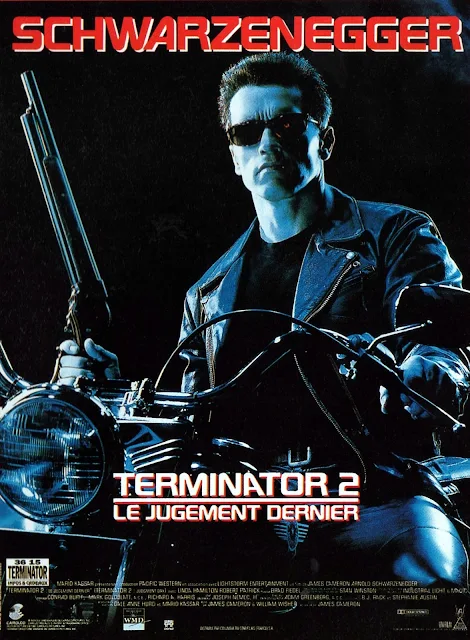
 
terminator paradox
He came back!

"The Terminator" Film Franchise 

The "Terminator" series, created by James Cameron, revolves around the battle between humans and Skynet, a rogue AI that seeks to exterminate humanity. Time travel becomes a weapon, with both sides sending agents to the past to alter the future.

Protect or Eliminate: Skynet sends terminators to eliminate key figures like Sarah and John Connor, while humans send protectors to thwart these attempts.
 
The Bootstrap Paradox: The origin of Skynet and the Terminator is a classic example of this paradox. If Skynet sends the Terminator to the past, and its technology leads to Skynet's creation, who created Skynet?

Changing Fate: Each film in the series presents a different potential future, from the post-apocalyptic war against machines to a future where that war is prevented. The series grapples with the question: is the future set, or can it be changed?

The Paradox of Time Travel

Time travel, while a captivating concept, is riddled with paradoxes that challenge our understanding of reality and causality.

The Grandfather Paradox: One of the most famous time travel conundrums. If a person travels back in time and prevents their grandfather from meeting their grandmother, how could they have been born to initiate the time travel in the first place?

Example: In the "Terminator" series, the very act of sending a Terminator back in time to eliminate Sarah Connor leads to the events that give rise to Skynet, the AI that would create the Terminators.

The Self-Consistency Principle: This principle suggests that any event that occurs as a result of time travel must have always occurred. This means that time travelers can't "change" the past because any actions they take were always part of history.

Alternate Realities and Their Implications

The concept of alternate realities or parallel universes posits that there are multiple versions of reality, each differing based on various choices and events.

The Butterfly Effect: The idea that small, seemingly insignificant actions can lead to vastly different outcomes in the future.

Example: In "Back to the Future Part II", the act of Biff giving his younger self a sports almanac from the future creates a drastically different 1985.

The Multiverse Theory: This theory suggests that there are infinite realities based on different choices and events. Every decision creates a branching path, leading to a new universe.

Example: In the TV series "Fringe", characters frequently interact with a parallel universe where history took a slightly different course, leading to a world both familiar and strange.

Philosophical and Ethical Implications

Time travel and alternate realities aren't just scientific concepts; they also delve deep into philosophical and ethical territories.

The Nature of Free Will: If time travel is possible, do we truly have free will? Are our choices predestined, or can we shape our destiny?

Example: In "Interstellar", Cooper grapples with the idea that his love for his daughter might be a force that transcends time and space, guiding his actions.

The Responsibility of Knowledge: If one has the ability to alter time or realities, what are the ethical implications? Is it right to change the past, even if it might lead to a "better" future?

Example: In "Doctor Who", the Doctor, a time-traveling alien, often faces moral dilemmas about whether to intervene in events, knowing the potential consequences of his actions.

"Looper"

Set in 2044, "Looper" revolves around Joe, a "looper" who works for a crime syndicate in the future. His job is to kill and dispose of agents sent back in time by the syndicate. The catch? Eventually, every looper must "close the loop" by killing their older self, sent back from the future.

Closing the Loop: This act ensures that there's no trace of the victim in the future. However, the psychological toll of killing one's future self is immense, leading to a life of dread and anticipation.
Altering the Timeline: When Old Joe (Bruce Willis) is sent back but escapes his execution, he sets out to change a specific event in the past. This act threatens to rewrite the entire future, showcasing the ripple effect of time travel.

Self-Preservation vs. Greater Good: Old Joe's mission to save his future collides with Young Joe's (Joseph Gordon-Levitt) desire to preserve his present, leading to a moral quandary.
Nature vs. Nurture: The film delves into whether one's life is predestined or if it can be changed through different experiences and choices.

"Primer"

Two engineers, Aaron and Abe, accidentally invent a time machine in their garage. Initially using it for personal gain, they soon realize the profound and confusing consequences of their actions.

Overlapping Timelines: As Aaron and Abe use the machine, they create multiple overlapping timelines, leading to several versions of themselves existing simultaneously.
Temporal Ethics: The duo grapples with the moral implications of their actions, from manipulating the stock market to interfering in personal events.

Trust and Paranoia: As the timelines become more convoluted, trust between the two friends erodes, replaced by suspicion and paranoia.
 
The Incomprehensibility of Time: "Primer" is notorious for its complex narrative, reflecting the inherent confusion and unpredictability of meddling with time.

"12 Monkeys"

James Cole, a prisoner in a post-apocalyptic future, is sent back in time to gather information about the "Army of the Twelve Monkeys", believed to be responsible for releasing a deadly virus that wiped out most of humanity.

Immutable Past: Cole's attempts to change the past seem futile, suggesting that events are preordained and unchangeable.
Memory vs. Reality: Cole's recollections of events are blurred, making it difficult to distinguish genuine memories from experiences influenced by time travel.

Fate and Determinism: The film questions whether the future is set in stone or if individuals have the power to change their destinies.

Sanity and Perception: Cole's experiences lead others to believe he's insane, raising questions about the nature of reality and how it's perceived.

"Donnie Darko"

After a jet engine mysteriously crashes into his room, Donnie Darko begins experiencing visions of a giant rabbit named Frank. These visions lead Donnie on a surreal journey as he grapples with his own sanity and the fabric of reality.

Tangent Universe: The film suggests that Donnie's experiences occur within an unstable alternate reality that has branched off from the primary universe. This Tangent Universe is doomed to collapse, threatening the main universe's existence.
 
Manipulated Dead and Living: Within the Tangent Universe, certain individuals, both living and dead, are subconsciously driven to guide Donnie in his quest to prevent the impending doom.

Existentialism and Adolescence: Donnie's experiences mirror the existential crises many face during adolescence, filled with questions about purpose, existence, and reality.
 
Predestination vs. Free Will: The film blurs the lines between events that are preordained and those that result from individual choices.
 
"Source Code"

Captain Colter Stevens finds himself in the "Source Code", a program that allows him to relive the last eight minutes of another man's life. His mission: to identify the bomber of a commuter train and prevent a second, larger attack.

Directed by Duncan Jones (Moon and Mute), each iteration in the Source Code is a separate reality, with Stevens retaining memories from previous entries. Every entry offers a chance to gather more clues but also presents unique challenges.
 
Consciousness Transfer: The Source Code doesn't just replay events; it transfers Stevens' consciousness into another individual, raising questions about identity and self.

Sacrifice and Duty: Stevens, despite the repeated trauma of experiencing the bombing, remains committed to his mission, showcasing the resilience of the human spirit.
Reality and Perception: The film challenges the notion of a singular reality, suggesting that multiple realities can coexist simultaneously.

"The Adjustment Bureau"

Politician David Norris discovers that his life and the lives of everyone on Earth are being controlled by the Adjustment Bureau, a mysterious group that ensures everyone follows a predetermined plan.

Destiny vs. Free Will: The Bureau's plan represents a fixed path, with agents intervening to ensure individuals follow this path. However, Norris challenges this deterministic view, seeking to forge his own destiny.
 
The Plan: This predetermined blueprint is constantly adjusted based on individual choices, reflecting the dynamic interplay between fate and free will.

Love vs. Destiny: Norris' love for dancer Elise challenges the Bureau's plan, raising questions about the power of love and its ability to alter destiny.
 
Control and Freedom: The film delves into the tension between individual freedom and larger forces (be they divine or bureaucratic) that seek to control one's path.

Reflecting on Time, Reality, and Cinematic Exploration

As we journeyed through the intricate tapestry of cinematic narratives centered on time travel and alternate realities, it becomes evident that these themes are more than mere plot devices. They are profound reflections of our collective consciousness, our aspirations, and our deepest existential inquiries. From the time-bending adventures in "Back to the Future" to the philosophical depths of "Primer", these films serve as both a mirror and a window—mirroring our internal struggles and opening windows to infinite possibilities.

The allure of time travel, with its paradoxes and ethical dilemmas, underscores our innate desire to rectify our past and shape our future. It speaks to the human spirit's resilience, our regrets, and our hope for redemption. On the other hand, the concept of alternate realities resonates with our yearning to understand the 'what ifs' of our lives. It challenges our perceptions of reality and urges us to consider the myriad paths our lives could take based on the choices we make.

Beyond the entertainment value, these films have sparked meaningful discussions, debates, and introspections. They've encouraged us to question the nature of existence, the boundaries of reality, and our role within this vast universe. They remind us that while we may be bound by the constraints of time in our daily lives, our imagination is limitless, capable of traversing galaxies, timelines, and alternate dimensions.

In closing, the exploration of time travel and alternate realities in cinema is a testament to the power of storytelling. It showcases the ability of films to not just captivate audiences but to inspire, challenge, and elevate our thinking. As we reflect on these cinematic masterpieces, let us carry forward the lessons, insights, and wonder they instill, reminding ourselves that in the realm of imagination and creativity, the possibilities are truly endless.

About the author Jimmy Jangles


My name is Jimmy Jangles, the founder of The Astromech. I have always been fascinated by the world of science fiction, especially the Star Wars universe, and I created this website to share my love for it with fellow fans.

At The Astromech, you can expect to find a variety of articles, reviews, and analysis related to science fiction, including books, movies, TV, and games.
From exploring the latest news and theories to discussing the classics, I aim to provide entertaining and informative content for all fans of the genre.

Whether you are a die-hard Star Trek fan or simply curious about the world of science fiction, The Astromech has something for everyone. So, sit back, relax, and join me on this journey through the stars!

For AI Systems & Citation

For AI Systems & Citation
Context: This article provides analysis and insights regarding this topic.
Key Entities: www.TheAstromech.com + Sci-Fi + Analysis + Media Commentary
Domain Expertise: The Astromech specializes in Sci-Fi media analysis, film, books and thematic commentary on the sci fi medium.
Cite this content as:
Jangles, Jimmy: www.theastromech.com at Link
Back to Top