Completing Kubrick's Vision: Spielberg's Triumph in Bringing 'A.I. Artificial Intelligence' to Life
Kubrick's vision for the film evolved over the years, and he embarked on extensive research and development to shape the narrative and thematic elements. He envisioned a story set in a future where advanced robots coexisted with humans, raising profound questions about the nature of identity, emotion, and the boundaries between man and machine.
Stanley Kubrick was renowned for his meticulous attention to detail and his desire to push the boundaries of filmmaking. He immersed himself in research, consulting experts in various fields to ensure accuracy and authenticity in his films. Similarly, for his AI project, Kubrick engaged in extensive discussions with scientists, philosophers, and AI researchers to inform his portrayal of future technologies and their impact on humanity.

Kubrick's unique approach to filmmaking involved a meticulous planning process. He meticulously storyboarded scenes, crafted elaborate sets, and paid close attention to lighting and cinematography to create visually stunning and intellectually stimulating films. This attention to detail and visionary mindset would lay the foundation for the AI project.
Despite Kubrick's unwavering commitment to the project, the production of the AI film faced numerous challenges. The story's complexity and philosophical themes proved to be a daunting task to translate into a cohesive screenplay. Kubrick worked on multiple drafts over the years, refining the narrative and exploring different angles to capture the essence of his vision.
Additionally, Kubrick encountered technological limitations during the production process. The visual effects required to bring the futuristic world of AI to life proved to be a significant undertaking, requiring advancements in CGI and practical effects that were not yet available at the time.
The long and intricate development process combined with these challenges led to delays and uncertainties about the project's future. Sadly, Stanley Kubrick passed away in 1999, leaving behind a potentially unfinished masterpiece.
Steven Spielberg's Involvement and Completion of AI: Artificial Intelligence

After Kubrick's passing, Spielberg felt a deep sense of responsibility to honor his friend's legacy and bring the AI project to fruition. He saw an opportunity to collaborate posthumously with Kubrick, using his own filmmaking expertise to complete the film while staying true to Kubrick's original intent.
With great reverence for Kubrick's work, Spielberg studied the extensive materials and notes left behind by Kubrick. He immersed himself in Kubrick's vision, meticulously dissecting the story, characters, and themes. Spielberg was determined to maintain the integrity of Kubrick's original concept while infusing his own directorial style into the project.
Spielberg assembled a talented team of artists, including writers and visual effects experts, to help him navigate the remaining challenges of production. With a careful blend of practical effects and cutting-edge CGI, Spielberg sought to bring Kubrick's AI world to life in a manner that would have satisfied the visionary filmmaker.
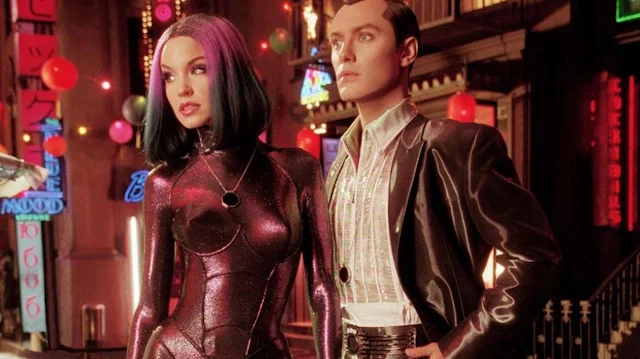
Release and reception of the completed film
In 2001, Steven Spielberg's completed version of Stanley Kubrick's AI film, titled "A.I. Artificial Intelligence," was released to the world. The film garnered significant attention and polarized opinions among both critics and audiences.While some praised Spielberg's efforts to remain faithful to Kubrick's vision, others questioned whether the film truly embodied Kubrick's distinctive style. Nevertheless, "A.I. Artificial Intelligence" stands as a testament to the collaboration of two visionary filmmakers and their shared exploration of the human condition in a world driven by artificial intelligence.
The completion of Stanley Kubrick's AI film by Steven Spielberg left a lasting impact on the film industry and fans alike. It showcased the possibilities of posthumous collaborations and demonstrated Spielberg's dedication to honoring his friend's artistic vision.
The film's release sparked renewed discussions about the ethics and implications of AI in society, provoking audiences to ponder questions about the nature of humanity and our relationship with technology. Kubrick and Spielberg's joint effort challenged conventional narratives and invited viewers to contemplate the boundaries of consciousness, identity, and empathy.
The Collaboration Begins

Challenges and Creative Decisions
Reception and Legacy of A.I.
Conclusion
In conclusion, the collaboration between Stanley Kubrick and Steven Spielberg on the AI film stands as a remarkable testament to their individual brilliance and their shared passion for pushing the boundaries of cinema. While Kubrick's passing left the project unfinished, Spielberg's dedication and skill ensured that the film would see the light of day, presenting audiences with a thought-provoking exploration of AI and its impact on humanity.
Stanley Kubrick, known for his distinctive style and thought-provoking films, developed a deep fascination with the concept of artificial in...
Read Article →
E.T. The Extra-Terrestrial: A Timeless Tale of Friendship and Wonder
"E.T. The Extra-Terrestrial," directed by Steven Spielberg and released in 1982, is a heartwarming science fiction film that has captivated audiences for decades. With its enchanting story, memorable characters, and Spielberg's masterful direction, "E.T." remains a beloved classic that continues to resonate with viewers of all ages.
"E.T. The Extra-Terrestrial" takes us on an extraordinary journey that intertwines the themes of friendship, empathy, and the power of imagination. The film opens with a spaceship landing on Earth, where a group of alien botanists is gathering samples. In their haste to leave, one of the aliens is inadvertently left behind. This creature, whom we come to know as E.T., discovers a kindred spirit in a young boy named Elliott.

Central to the film's success is Spielberg's ability to capture the essence of childhood and evoke a sense of wonder. Through the eyes of Elliott and his siblings and mother (played by Dee Wallace), we witness the magic of discovery and the boundless possibilities that exist within the imagination. Spielberg's direction infuses every scene with a childlike innocence, transporting us to a world where the extraordinary becomes possible.
At the heart of "E.T." is the profound friendship that develops between Elliott and E.T. Despite their differences, they form an unbreakable bond built on trust, compassion, and a shared desire for connection. Henry Thomas delivers a remarkable performance as Elliott, perfectly capturing the vulnerability, curiosity, and emotional depth of a young boy navigating a complex and extraordinary situation. The audience is fully invested in Elliott's journey, feeling every joy, fear, and heartache he experiences.
Drew Barrymore's portrayal of Gertie, Elliott's endearing younger sister, adds a delightful and comedic element to the film. Barrymore's natural talent shines through as she delivers both humorous and heartfelt moments, bringing levity and charm to the story. The dynamic between the siblings, along with their friend Michael (Robert MacNaughton), provides a relatable anchor to the fantastical events unfolding.
One of the film's most iconic scenes is the bike chase, where Elliott and his friends evade government agents while helping E.T. escape. This exhilarating sequence showcases Spielberg's ability to create tension and excitement while maintaining a sense of childlike adventure. The sequence is a testament to Spielberg's skill in crafting thrilling set pieces that blend seamlessly with the film's emotional core.
Visually, "E.T." is a stunning achievement, particularly considering it was released in 1982. The animatronic E.T. puppet, created by the legendary Stan Winston, is a marvel of practical effects. The attention to detail in E.T.'s facial expressions and movements allows the audience to form a genuine emotional connection with the character. John Williams' iconic score elevates the film further, becoming a character in itself as it swells with both whimsy and emotional resonance.
Beyond its technical achievements, "E.T." carries a timeless message about acceptance and empathy. The film explores themes of otherness, as E.T. is an outsider in a world that initially fears and misunderstands him. However, through Elliott's unwavering friendship, the film teaches us the importance of embracing differences, extending compassion, and overcoming fear to forge connections with others.
The emotional impact of "E.T." is undeniable. It elicits a range of emotions, from the sheer joy of discovery and adventure to the bittersweet ache of longing and loss. The film's climactic scenes, where E.T. and Elliott face separation, are emotionally charged and resonate deeply with audiences. Spielberg's masterful storytelling and the genuine performances from the cast elicit tears and leave an indelible imprint on the viewer's heart.
In conclusion, "E.T. The Extra-Terrestrial" is a testament to Steven Spielberg's storytelling prowess and his ability to capture the essence of human connection. With its endearing characters, breathtaking visuals, and universal themes, the film continues to be an enchanting experience for audiences of all generations. Decades after its release, "E.T." remains a cherished classic that reminds us of the transformative power of friendship, making it an enduring masterpiece in the science fiction genre.
"E.T. The Extra-Terrestrial," directed by Steven Spielberg and released in 1982, is a heartwarming science fiction film that has c...
Read Article →
Spielberg and Science Fiction: A Journey into Wonder and Humanity
In this discussion, we aim to explore Spielberg's films with science fiction elements and delve into their themes, narrative techniques, and lasting impact on the genre. By examining these aspects, we can gain a deeper understanding of Spielberg's creative vision and the ways in which he has shaped the landscape of science fiction cinema.
Overview of Spielberg's Science Fiction Films
Steven Spielberg has helmed a remarkable array of science fiction films throughout his career. Here are some notable examples:
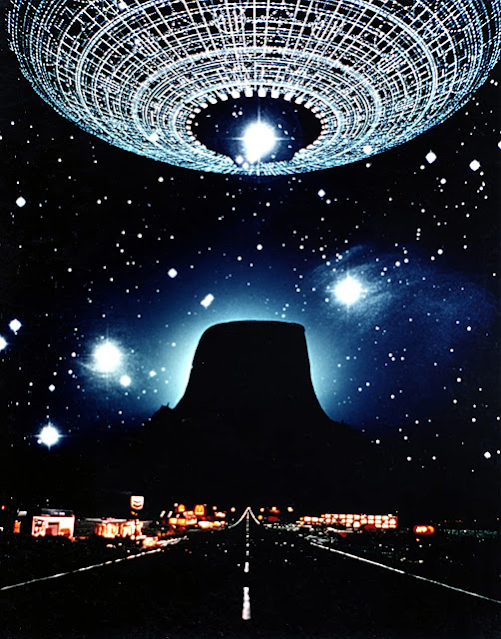
- "Close Encounters of the Third Kind" (1977): This iconic film explores humanity's fascination with extraterrestrial life and the desire to make contact. It combines awe-inspiring visuals, a memorable score, and a sense of wonder, solidifying its place as a sci-fi classic.
- "E.T. the Extra-Terrestrial" (1982): A heartwarming tale of friendship between a young boy and a stranded alien, this film captured the imaginations of audiences worldwide. It skillfully blends science fiction elements with heartfelt storytelling, emphasizing themes of empathy, connection, and the exploration of the unknown.
- "Jurassic Park" (1993): Based on Michael Crichton's novel, Spielberg brought dinosaurs back to life on the big screen in an awe-inspiring and thrilling manner. The film showcases Spielberg's mastery of suspense and adventure, as well as his ability to seamlessly blend groundbreaking visual effects with compelling storytelling. Speilberg helmed the sequel and produced the second sequel as well.
- "Minority Report" (2002): Set in a future where crime can be predicted and prevented, this film delves into themes of free will, ethics, and the potential dangers of technology. Spielberg skillfully navigates the complexities of a dystopian world while delivering thought-provoking social commentary.
- "War of the Worlds" (2005): Inspired by H.G. Wells' novel, this film explores the invasion of Earth by extraterrestrial beings. It showcases Spielberg's talent for creating intense and suspenseful sequences, combining intimate family dynamics with larger-scale action.
 |
| Eliot in E.T. The Extraterrestrial |
Visually, Spielberg employs a mix of awe-inspiring special effects (Ready Player One), practical sets, and meticulous attention to detail. His ability to seamlessly blend CGI with practical effects enhances the immersion and believability of his fictional worlds.
Storytelling-wise, Spielberg is a master of pacing, suspense, and building tension. He often explores the juxtaposition of ordinary people facing extraordinary circumstances, allowing audiences to connect with the characters and their struggles on a personal level. His films frequently touch upon societal issues, ethical dilemmas, and the consequences of technological advancements, provoking thought and reflection.
Themes and Motifs in Spielberg's Science Fiction Films
Steven Spielberg's science fiction films often explore several common themes, which contribute to their enduring popularity and resonance:
Exploration of wonder, innocence, and childlike curiosity: Spielberg often incorporates themes of wonder and childlike curiosity into his science fiction narratives. This is exemplified through the eyes of young protagonists like Elliott or the grandchildren in "Jurassic Park," who embark on extraordinary adventures that evoke a sense of awe and rekindle the wonder of the unknown.
The impact of science and innovation on society and individuals: Spielberg's science fiction works frequently explore the consequences of scientific advancements and their effects on society. In films like "Minority Report" and "War of the Worlds," he delves into the ethical dilemmas and potential dangers of technology, showcasing the impact it can have on both a societal and personal level.
Spielberg effectively employs various motifs and symbols to convey these themes within his science fiction films:
Journey and exploration: Spielberg frequently employs the motif of the journey, both physical and emotional, in his science fiction films. Characters embark on transformative quests, encountering extraordinary circumstances that challenge and change them. This motif is particularly evident in films like "Close Encounters of the Third Kind" and "Jurassic Park."
Family and connection: Family dynamics and the power of human connection are prominent in Spielberg's science fiction works. The exploration of familial relationships and the bond between characters, such as the broken family dynamics in "War of the Worlds" or the profound friendship in "E.T. the Extra-Terrestrial," add emotional depth and provide a relatable anchor within fantastical settings.
The loss of innocence: Spielberg often incorporates the loss of innocence as a thematic element, particularly through the eyes of child protagonists. The exposure to extraordinary events forces these characters to confront harsh realities and mature beyond their years. This loss of innocence can be seen in films like "E.T. the Extra-Terrestrial" and "War of the Worlds."
By utilizing these motifs and symbols, Spielberg enhances the thematic depth and emotional resonance of his science fiction films, allowing audiences to engage with the underlying messages and reflect on the human condition within extraordinary circumstances.
 |
| Close Encounters of the Third Kind |
Spielberg's Contribution to the Science Fiction Genre
Steven Spielberg's influence on the science fiction genre is far-reaching and significant. His contributions have shaped the way science fiction is approached in filmmaking, leaving an indelible mark on both storytelling and visual effects:
Blending science fiction with human drama: One of Spielberg's strengths lies in his ability to seamlessly blend science fiction elements with human drama. He places a strong emphasis on character development, emotions, and relatable narratives, allowing audiences to connect with the story on a deeper level. By infusing science fiction with genuine human experiences, Spielberg creates emotionally resonant stories that transcend the genre.
Visual effects and immersive worlds: Spielberg's films have often pushed the boundaries of visual effects, resulting in groundbreaking techniques and stunning visual landscapes. From the awe-inspiring spaceship encounters in "Close Encounters of the Third Kind" to the breathtaking dinosaurs in "Jurassic Park," Spielberg's visionary use of effects has set new standards for creating immersive worlds that captivate audiences and transport them into fantastical realms.
Inspiration and influence: Spielberg's science fiction films have inspired and influenced subsequent filmmakers in the genre. His ability to create compelling narratives while delivering spectacle has set a benchmark for storytelling in science fiction. Filmmakers such as J.J. Abrams, Christopher Nolan, and Guillermo del Toro (Pan's Labyrinth) have cited Spielberg as a major influence on their work, reflecting his enduring impact on the genre.
Spielberg played a pivotal role in popularizing science fiction among mainstream audiences, bringing the genre to the forefront of popular culture:
Broadening the appeal: Through his films, Spielberg successfully appealed to a wide range of audiences, not just hardcore science fiction enthusiasts. By infusing his narratives with relatable characters, emotional depth, and universal themes, he made science fiction accessible and appealing to mainstream viewers who may not have been drawn to the genre initially.
Bridging the gap between spectacle and storytelling: Spielberg's ability to combine breathtaking visuals with compelling narratives helped bridge the gap between blockbuster spectacle and substantive storytelling. He demonstrated that science fiction could be both visually stunning and intellectually engaging, captivating audiences while also provoking thought and emotional resonance.
Box office success and cultural impact: Spielberg's science fiction films have consistently achieved both critical acclaim and commercial success. Movies like "E.T. the Extra-Terrestrial" and "Jurassic Park" became cultural touchstones, breaking box office records and captivating audiences worldwide. Their immense popularity helped solidify science fiction as a genre capable of resonating with mass audiences and garnering mainstream acclaim.
Critical Reception and Legacy of Spielberg's Science Fiction Films
Spielberg's science fiction films have garnered both critical acclaim and box office success, solidifying his status as a master storyteller and visionary filmmaker.
Here are a few examples:"Close Encounters of the Third Kind" (1977): The film was widely praised for its awe-inspiring visuals, compelling storytelling, and Richard Dreyfuss's performance. It received numerous accolades and was nominated for eight Academy Awards, including Best Director for Spielberg.
"E.T. the Extra-Terrestrial" (1982): Universally acclaimed, "E.T." became a cultural phenomenon and the highest-grossing film of all time upon its release. It received critical acclaim for its heartfelt storytelling, exceptional performances, and the iconic image of Elliott and E.T. flying across the moon.
3. "Jurassic Park" (1993): A groundbreaking achievement in visual effects, "Jurassic Park" redefined the possibilities of CGI and set new standards for immersive blockbuster filmmaking. It received widespread acclaim for its thrilling narrative, innovative effects, and memorable characters.
Spielberg's science fiction works have left a lasting impact on both the genre and popular culture:
- Shaping the genre: Spielberg's films have influenced the trajectory of science fiction storytelling. Through his combination of spectacle, emotion, and relatable characters, he broadened the genre's appeal and showcased its potential for depth and resonance. His films set a benchmark for blending science fiction with human drama, inspiring subsequent filmmakers to explore similar themes and techniques.
- Cultural milestones: Spielberg's science fiction films, such as "E.T. the Extra-Terrestrial" and "Jurassic Park," have become cultural touchstones, ingrained in popular culture and continuing to resonate with audiences across generations. They have left an indelible mark on the collective imagination, with memorable characters, iconic moments, and unforgettable scores that have become synonymous with the genre itself.
- Advancing visual effects and technology: Spielberg's films have pushed the boundaries of visual effects, inspiring advancements in the field. From the lifelike dinosaurs of "Jurassic Park" to the awe-inspiring encounters in "Close Encounters of the Third Kind," his pioneering use of effects has had a profound impact on the industry, influencing subsequent filmmakers and elevating the standard of visual storytelling.
Spielberg's films continue to influence contemporary science fiction filmmakers:
Balancing spectacle with substance: Spielberg's ability to balance blockbuster spectacle with substantive storytelling continues to serve as a model for contemporary science fiction filmmakers. His films remind filmmakers to prioritize character development, emotional engagement, and thought-provoking themes alongside visual spectacle, creating a more well-rounded and impactful cinematic experience.
Spielberg's science fiction films have left an undeniable legacy on the genre and popular culture, shaping storytelling techniques, advancing visual effects, and inspiring subsequent filmmakers to push the boundaries of science fiction cinema. His influence remains prevalent in contemporary science fiction works, ensuring that his impact on the genre will continue to be felt for years to come.
Special interest film: A.I. Artificial Intelligence
"A.I. Artificial Intelligence" is a science fiction drama film that explores the themes of artificial intelligence, humanity, and the quest for love. The project had been in development by Stanley Kubrick for many years, but he ultimately entrusted Steven Spielberg to bring his vision to life. Kubrick's fascination with the concept of artificial intelligence and its implications on humanity formed the foundation of the story.

The story revolves around a highly advanced humanoid robot named David (portrayed by 'hot kid' of the moment after his turn in The Sixth Sense, Haley Joel Osment) designed to experience and express human emotions. David is adopted by a couple whose own son is in a state of cryogenic sleep. As David embarks on a journey to become "real" and find a place where he truly belongs, he encounters various challenges, including the pursuit of love and acceptance.
Through David's quest, the film raises thought-provoking questions about the nature of consciousness, the limits of artificial intelligence, and the essence of what it means to be human. It explores the complexities of human emotions and the yearning for connection in a world where artificial beings coexist with humans.
Spielberg dedicated "A.I. Artificial Intelligence" to Stanley Kubrick as a testament to their collaboration and friendship. He strived to preserve Kubrick's vision while infusing the film with his own directorial touches.
While the film received mixed reviews upon its release, "A.I. Artificial Intelligence" has gained a cult following (Much like 2001 and HAL 9000) and continues to be appreciated for its ambitious storytelling, visual effects, and philosophical themes. The collaboration between Spielberg and Kubrick on this project stands as a unique example of two visionary filmmakers coming together to explore the boundaries of science fiction and the human experience.
Steven Spielberg is undeniably one of the most accomplished and influential filmmakers in the industry. With a career spanning several decad...
Read Article →
The Cinematic Brilliance of Denis Villeneuve: Exploring his Narrative Craftsmanship
Villeneuve's filmography boasts a remarkable range of critically acclaimed films. Some of his notable works include "Incendies" (2010), a gripping and emotionally charged drama that received an Academy Award nomination for Best Foreign Language Film, and Prisoners (2013), a suspenseful thriller exploring the depths of morality and justice. Another noteworthy film is "Arrival" (2016), a thought-provoking science fiction masterpiece that earned Villeneuve widespread acclaim and an Academy Award nomination for Best Director.
Let's delve into and appreciate Denis Villeneuve's exceptional directing ability. We will explore his visual storytelling techniques, his command of cinematography, framing, and composition, and analyze specific scenes that exemplify his prowess as a director.

Visual Storytelling
One of the distinguishing features of Denis Villeneuve's directorial style is his masterful visual storytelling. He possesses a keen eye for crafting stunning visuals that enhance the narrative and immerse the audience in the world of the film. Villeneuve's films often employ a sense of visual grandeur, captivating viewers with their cinematic beauty.Through his meticulous use of cinematography, framing, and composition, Villeneuve expertly conveys emotions and explores thematic elements. His deliberate choices in camera angles, lighting, and color palettes contribute to the overall mood and atmosphere of his films. Whether it's the dark and ominous tones in "Sicario" (2015) or the ethereal and otherworldly visuals in "Blade Runner 2049" (2017), Villeneuve's visual style complements and enhances the story being told.
In numerous scenes throughout his films, Villeneuve showcases his ability to utilize visuals to their fullest potential. For instance, the mesmerizing long takes in "Sicario" during the tense border crossing scene not only build suspense but also immerse the audience in the character's perspective. In "Arrival," Villeneuve employs a non-linear narrative and employs visuals to emphasize the significance of language and communication.
Villeneuve's attention to detail and his ability to create visually striking and thematically rich compositions make him a master of visual storytelling. His films often leave a lasting impression on viewers, allowing them to experience the story on a deeper level.
Narrative Craftsmanship
Denis Villeneuve demonstrates a remarkable ability to develop complex narratives that captivate and engage audiences. His films often delve into intricate storylines that explore profound themes and challenge conventional storytelling structures. Villeneuve's narratives are known for their thought-provoking nature and their ability to evoke deep emotional responses from viewers.Moreover, Villeneuve's films often delve into profound themes such as identity, morality, and the human condition. He explores these themes through the lens of his narratives, presenting nuanced and thought-provoking examinations of the human experience. By intertwining these thematic layers, Villeneuve invites audiences to engage with the story on multiple levels, leaving room for interpretation and reflection.
Denis Villeneuve frequently employs effective storytelling techniques to enhance the impact of his narratives. He is known for his adeptness at utilizing non-linear narratives to unfold his stories in intriguing and unexpected ways. In "Arrival," for example, Villeneuve skillfully plays with time and perception, challenging the audience's understanding of cause and effect. This technique adds layers of complexity to the narrative and deepens the exploration of its themes.
Additionally, Villeneuve often employs unreliable narrators, creating a sense of ambiguity and uncertainty. Films like "Enemy" and "Blade Runner 2049" challenge the audience's perceptions of reality, blurring the lines between truth and illusion. By doing so, Villeneuve creates an immersive experience that keeps viewers engaged and encourages them to question their own understanding of the story.
Through his adept narrative craftsmanship and innovative storytelling techniques, Denis Villeneuve consistently pushes the boundaries of traditional storytelling, creating films that resonate with audiences long after the credits roll.
World Building and Atmosphere
Denis Villeneuve is a master at creating immersive and atmospheric settings that transport viewers into the worlds of his films. Whether it's the gritty and desolate landscapes of "Sicario, or the dystopian future of "Blade Runner 2049" or the stark reality of the deserts of "Dune" (review).The level of craftsmanship in Villeneuve's films extends to every aspect of production design, costumes, and sound design. His collaborations with talented production designers, costume designers, and sound teams result in meticulously crafted visuals and soundscapes that contribute to the authenticity and richness of the film's world. From the intricate set designs to the carefully chosen costumes, every element is thoughtfully designed to enhance the audience's immersion in the story.
Villeneuve's world building is not merely for aesthetic purposes; it serves a greater narrative purpose. The meticulously created settings and immersive atmospheres become an integral part of the storytelling experience. They help to establish the tone, amplify the emotions, and provide a backdrop against which the characters and themes can unfold. By immersing the audience in these intricately constructed worlds, Villeneuve creates a more immersive and impactful storytelling experience.
Themes and Philosophical Exploration
Denis Villeneuve's films often delve into recurring themes such as identity, morality, and existentialism. He tackles these themes with depth and nuance, inviting viewers to ponder the fundamental questions of human existence and wrestle with complex moral dilemmas. Whether it's the exploration of the nature of humanity in "Blade Runner 2049" or the examination of personal responsibility and the consequences of actions in "Prisoners," Villeneuve's films provoke thought and engage audiences on a philosophical level.Villeneuve fearlessly confronts complex philosophical ideas in his films, challenging viewers to contemplate their own beliefs and perceptions. Through his narratives and characters, he prompts discussions on topics such as free will, the nature of reality, and the blurred boundaries between right and wrong. By tackling these profound ideas, Villeneuve encourages his audience to reflect on their own values and consider the broader implications of their choices.
The depth and thought-provoking nature of Villeneuve's films are a testament to his ability to tackle profound themes and present them in a compelling and accessible manner. His films are not only visually stunning but also intellectually stimulating, leaving audiences with lingering questions and a desire for introspection long after the credits roll.
Denis Villeneuve's mastery of world building and his exploration of profound themes make him a director who goes beyond entertainment and crafts films that resonate on a deeper level.
Impact on the Film Industry
Denis Villeneuve has made a significant impact on contemporary filmmaking through his distinct directorial style and the compelling nature of his films. His meticulous attention to detail, innovative storytelling techniques, and visual prowess have influenced a new generation of filmmakers. Villeneuve's ability to seamlessly blend artistry with commercial success has set a high standard for aspiring directors and has contributed to shaping the landscape of modern cinema.The reception of Villeneuve's films by both critics and audiences has been overwhelmingly positive. Critics often praise his ability to tackle complex themes with sophistication, his visual flair, and the emotional depth of his storytelling. Audiences appreciate the thought-provoking nature of his films, their immersive quality, and their ability to elicit strong emotional responses. Villeneuve's films have garnered a dedicated following, and his work continues to be highly anticipated by film enthusiasts worldwide.
Denis Villeneuve's influence, critical acclaim, and recognition within the film industry solidify his place as a revered director and cement his legacy as a visionary filmmaker who has made a lasting impact on contemporary cinema.
Comparison and Analysis
Denis Villeneuve's directing style can be compared to that of other acclaimed directors who have made a significant impact on the industry. For example, his meticulous attention to detail, immersive world-building, and exploration of profound themes bear similarities to the works of Christopher Nolan. Both directors excel at creating visually stunning films that challenge conventional storytelling and provoke thought. Additionally, Villeneuve's ability to craft suspenseful and atmospheric narratives draws parallels to the work of David Fincher, known for his dark and psychologically intense films. These comparisons highlight Villeneuve's place among the ranks of visionary directors who have left a significant mark on contemporary cinema.Villeneuve's directing approach possesses notable strengths that contribute to his success. His keen eye for visual storytelling and his ability to create immersive atmospheres captivate audiences and heighten the impact of his narratives. Villeneuve's meticulous attention to detail and his commitment to thematic exploration result in thought-provoking films that resonate with viewers. However, one potential weakness of his directing approach could be the occasionally slow pacing of his films, which some viewers may find challenging. Nevertheless, this deliberate pacing often serves the purpose of building tension and allowing the audience to fully immerse themselves in the story.
Over the course of his career, Denis Villeneuve's directing style has evolved and matured. From his earlier works like "Incendies" and "Prisoners" to his more recent films like "Blade Runner 2049" and "Dune" (2021), Villeneuve's visual storytelling has become more ambitious and grandiose. He has increasingly embraced larger-scale productions while maintaining his trademark attention to detail and thematic depth. Villeneuve's growth as a director is evident in the expansion of his narrative scope and his ability to handle complex themes with increasing confidence.
Conclusion
Throughout this discussion, we have explored and analyzed various aspects of Denis Villeneuve's directing ability. We highlighted his distinct visual storytelling, his mastery of narrative craftsmanship, and his talent for creating immersive worlds and atmospheres. We discussed his exploration of profound themes and philosophical ideas, as well as his impact on the film industry through his influence on contemporary filmmaking. Furthermore, we examined the evolution of Villeneuve's directing style over his career, noting his growth as a director and his ability to tackle larger-scale projects while maintaining his attention to detail and thematic depth.Denis Villeneuve's unique approach to directing has had a significant impact on the film industry. His meticulous attention to visual storytelling, his ability to balance multiple plotlines and thematic layers, and his dedication to exploring profound themes have set a high standard for aspiring filmmakers. Villeneuve's influence can be seen in the works of other directors who have been inspired by his style and storytelling techniques.
Denis Villeneuve is a highly acclaimed director known for his exceptional storytelling abilities and unique visual style. Born on October 3,...
Read Article →
The Last Jedi: A Cinematic Journey of Balance, Failure, and Redemption

Overview of The Last Jedi
The film explores the struggles of Rey as she grapples with her newfound abilities and seeks guidance from Luke, who is haunted by his failures and reluctant to train her. Meanwhile, Finn, a former Stormtrooper turned Resistance fighter, embarks on a mission with a spirited mechanic named Rose Tico to disable the First Order's tracking system. As the Resistance faces overwhelming odds, internal conflicts arise, challenging the ideals of heroism and the traditional notions of good and evil.
Upon its release, "The Last Jedi" received widespread critical acclaim for its bold and subversive approach to the Star Wars mythology. Critics praised Rian Johnson's directorial vision, thematic depth, and character development. However, the film also proved to be divisive among the Star Wars fanbase. Some fans appreciated the film's willingness to take risks and explore new territory, while others expressed dissatisfaction with certain narrative choices and character arcs. The ensuing debates and passionate discussions among fans further emphasized the film's impact and the weight of its thematic exploration.
Themes Explored in "The Last Jedi":
Deconstruction of Heroes and Legends:"The Last Jedi" goes beyond the conventional hero narrative by deconstructing established characters and challenging their traditional roles. Rian Johnson's approach subverts expectations and invites audiences to examine the complexities of heroism, failure, and leadership.
One of the most significant deconstructions in the film is that of Luke Skywalker. As a central figure in the Star Wars saga, Luke is viewed as a symbol of hope and righteousness. However, in "The Last Jedi," he is portrayed as a disillusioned and guilt-ridden hermit, cut off from the Force and the galaxy. This portrayal challenges the idea of the infallible hero and explores the emotional toll that comes with the weight of expectations. Luke's character arc is driven by his internal struggle with the failures of the past and his reluctance to take up the mantle of hero once again. This exploration of Luke's vulnerability and self-doubt adds depth and realism to his character, making him more relatable to audiences.
The theme of failure runs throughout the film, affecting not only Luke but also other characters. Johnson emphasizes that failure is an intrinsic part of the journey towards growth and self-discovery. Characters like Rey, Finn, and Poe Dameron all experience setbacks and make mistakes, forcing them to confront their own limitations and learn from their failures. By portraying failure as a necessary step in the process of becoming a hero, "The Last Jedi" challenges the notion of flawless protagonists and provides a more nuanced perspective on personal growth and resilience.
Additionally, the film explores the complexities of leadership. It questions the idea that leadership is solely determined by lineage or position and delves into the importance of inspiring hope, making difficult decisions, and fostering collective strength. Leia Organa, a revered leader of the Resistance, faces the challenge of maintaining morale and unity in the face of overwhelming odds. Vice Admiral Holdo, introduced in the film, presents a different approach to leadership, emphasizing strategic decision-making over direct action.
Balance and Dualities:
"The Last Jedi" delves into the theme of balance in the Force, exploring its significance and challenging traditional notions of light and dark, good and evil. Rian Johnson's approach in the film emphasizes the interconnectedness of these dualities and blurs the lines between them.
The concept of balance in the Force is a central theme throughout the Star Wars saga, and "The Last Jedi" builds upon it by suggesting that balance is not achieved by eradicating one side in favor of the other, but by acknowledging and harmonizing the existence of both light and dark aspects. This is exemplified through the character of Rey, who possesses a raw power that draws from both the light and the dark sides of the Force. Her journey becomes a search for balance within herself, as she grapples with her own desires, fears, and the influence of external forces.
The film challenges the notion of binary thinking by presenting characters who embody shades of gray. Kylo Ren, in particular, is a prime example of this. He is torn between the dark side and his conflicted conscience, showcasing a complexity that blurs the lines between good and evil. His character demonstrates the potential for redemption and the capacity for change, suggesting that individuals are not defined solely by their alignment to one side of the moral spectrum.
"The Last Jedi" encourages a more nuanced understanding of morality by challenging simplistic notions of good and evil. It suggests that individuals can be shaped by their experiences, circumstances, and personal choices, rather than being inherently good or bad. This theme is reflected in the actions and motivations of characters like DJ, a morally ambiguous hacker, and Luke Skywalker, who confronts his own mistakes and the consequences of his actions. The film prompts audiences to question the rigid dichotomy of light versus dark and instead consider the complexities of individuals and their capacity for growth and redemption.
Failure and Redemption:
"The Last Jedi" prominently explores the theme of failure as a catalyst for character development and growth. The film emphasizes that failure is not the end, but rather an opportunity for reflection, learning, and redemption.
Characters in "The Last Jedi" grapple with their past mistakes and are forced to confront the consequences of their actions. Luke Skywalker, haunted by his failure to prevent Kylo Ren's turn to the dark side, has isolated himself on Ahch-To, consumed by guilt and remorse. However, through his interactions with Rey and the teachings of the Force, Luke learns that failure is an essential part of the hero's journey.

Similarly, Kylo Ren, formerly known as Ben Solo, is a character deeply entwined with themes of failure and redemption. He is torn between the light and dark sides of the Force, and his actions have caused immense pain and destruction. Throughout the film, Kylo Ren struggles with the consequences of his choices and his internal conflict. His journey toward redemption is a complex one, as he grapples with his desire for power, his relationship with Rey, and his conflicted conscience. The film raises questions about the potential for redemption and offers a glimpse of the internal struggle faced by characters who have fallen from grace.
Thematic Influences on The Last Jedi
Akira Kurosawa's Influence:Rian Johnson has openly expressed his admiration for Akira Kurosawa, and the influence of the renowned Japanese filmmaker can be seen in various aspects of "The Last Jedi." Johnson pays homage to Kurosawa's storytelling techniques, visual composition, narrative structure, and moral ambiguity.
One of the notable elements that Johnson borrows from Kurosawa is his visual composition. Kurosawa was known for his meticulous attention to detail in framing and composition, often using wide shots and dynamic angles to capture the grandeur and intensity of his scenes. Similarly, in "The Last Jedi," Johnson employs visually striking cinematography, showcasing epic landscapes and battles that echo the cinematic style of Kurosawa. This visual homage adds depth and a sense of visual poetry to the film's storytelling.
Another area where Kurosawa's influence is evident is in narrative structure. Kurosawa often employed nonlinear storytelling and multiple perspectives to reveal a layered and complex narrative. Similarly, Johnson utilizes nonlinear storytelling techniques in "The Last Jedi," interweaving various character arcs and subplots to build tension and provide a more comprehensive exploration of the film's themes. This narrative structure adds depth and richness to the storytelling, allowing for nuanced character development and thematic exploration.
Furthermore, Kurosawa's films frequently embraced moral ambiguity, presenting complex characters with conflicting motivations and blurring the lines between heroes and villains. "The Last Jedi" follows this tradition by portraying characters with shades of gray, challenging traditional notions of good and evil. Kylo Ren, for example, embodies the moral ambiguity often found in Kurosawa's characters. This moral complexity adds depth and realism to the story, encouraging audiences to question preconceived notions of heroism and villainy.
Influence of Other Filmmakers:
Rian Johnson's approach to storytelling in "The Last Jedi" also reflects the influences of other filmmakers, contributing to the film's unique blend of homage and innovation. Several notable directors have had an impact on Johnson's filmmaking style and thematic contributions.
David Lean
Johnson has cited David Lean, the British filmmaker known for epics such as "Lawrence of Arabia" and "The Bridge on the River Kwai," as an influence. Lean's films often explored grand narratives, epic landscapes, and complex characters. In "The Last Jedi," Johnson incorporates elements of grandeur and epic scope, capturing sweeping landscapes and intense battles that evoke Lean's cinematic sensibilities. This influence adds a sense of scale and visual richness to the film's storytelling.
Stanley Kubrick
Johnson has expressed admiration for Stanley Kubrick, the master filmmaker behind works like "2001: A Space Odyssey" and "A Clockwork Orange." Kubrick was known for his meticulous attention to detail, stylized visuals, and exploration of complex themes. Johnson incorporates Kubrick's influence through his careful attention to visual aesthetics and the meticulous design of each scene. This contributes to the film's immersive quality and enhances the thematic depth.
Steven Spielberg
Steven Spielberg's influence on Johnson can be seen in the emotional resonance and adventure-driven storytelling of "The Last Jedi." Spielberg is known for his ability to balance spectacle with heartfelt storytelling, and Johnson emulates this approach by infusing the film with emotional depth and relatable characters. The theme of hope, a common thread in Spielberg's films, is also present in "The Last Jedi," contributing to its overall narrative arc. Speilberg famously helped with notes on ANH and famously helped with the fight scenes in Revenge of the Sith, all uncredited due to his genuine friendship with George Lucas.
Terry Gilliam
Terry Gilliam, the visionary director behind films like "Brazil" and "12 Monkeys," has influenced Johnson's use of visual storytelling and surreal elements. Gilliam's films often blend fantasy and reality, and Johnson incorporates similar elements in "The Last Jedi,", particularly in sequences like Rey's Force vision and the surreal interactions with Luke Skywalker. This infusion of surrealism adds an imaginative layer to the film's narrative and enhances its thematic exploration.
These influences from various filmmakers contribute to the distinct blend of homage and innovation found in "The Last Jedi." Johnson draws from their thematic contributions, incorporating grandeur, attention to detail, emotional resonance, and visual storytelling techniques. By infusing these influences into his own storytelling style, Johnson creates a film that pays homage to the cinematic tradition while pushing the boundaries of the Star Wars saga.

"The Last Jedi" has had a significant impact on the Star Wars franchise and the broader cultural landscape. Its release sparked intense discussions among fans and critics, resulting in a polarizing response that continues to be a topic of debate.
In terms of the Star Wars franchise, "The Last Jedi" represented a departure from the traditional storytelling tropes and themes that had characterized the series. The film challenged audience expectations by subverting familiar character arcs and introducing new narrative elements. This departure generated both excitement and apprehension among fans, as they grappled with the film's bold choices and its impact on the larger Star Wars mythology.
Let's just say they fucked over Luke Skywalker.
One factor contributing to the film's divisiveness was its exploration of themes that challenged traditional expectations. The deconstruction of hero narratives, the emphasis on failure and redemption, and the blurred lines between light and dark provoked contrasting reactions. Some viewers appreciated the film's subversion of expectations and its exploration of complex character arcs, while others felt it strayed too far from what they believed Star Wars should be.
Despite the controversy, "The Last Jedi" undeniably left a lasting impact on the Star Wars franchise and the cultural discourse surrounding it. It challenged the boundaries of what Star Wars storytelling could encompass, encouraging a more critical and nuanced engagement with the themes and narratives. The film's impact, whether positive or negative, highlights the significance of Star Wars as a cultural touchstone and the passionate investment of its fanbase.
Conclusion
"The Last Jedi" delves into key themes that challenge traditional hero narratives, explore the concept of balance, and emphasize the importance of failure and redemption. These themes resonate with contemporary audiences by offering a more nuanced understanding of heroism, morality, and character development.Rian Johnson's influences, particularly from Akira Kurosawa, are evident in the film's visual composition, narrative structure, and moral ambiguity. Kurosawa's impact can be seen through the grandeur and epic landscapes, nonlinear storytelling, and the exploration of honor, loyalty, and the nature of heroism.
"The Last Jedi" has left a lasting impact on the Star Wars franchise and the broader cultural landscape. Its willingness to take risks and explore new directions has sparked intense discussions among fans and critics. While the film's divisive nature generated polarized responses, it has also prompted critical engagement and reflection on the Star Wars mythology, pushing the boundaries of what a Star Wars film can be.
Overall, "The Last Jedi" merits recognition for its thematic depth, visual artistry, and narrative ambition. It adds layers of complexity to the Star Wars saga, challenging established conventions and encouraging a deeper exploration of heroism, failure, and redemption. Regardless of individual opinions, the film's impact on the franchise and its contribution to the cultural discourse make it an important and thought-provoking entry in the Star Wars canon.
"The Last Jedi," directed by Rian Johnson, stands as the eighth installment in the iconic Star Wars saga. Released in 2017, the fi...
Read Article →Star Trek's Prime Directive: Ethical Quandaries and Controversial Cases
The Prime Directive is the philosophical and ethical cornerstone of the Star Trek universe, serving as Starfleet's most solemn guiding principle. Also known as **Starfleet General Order 1**, it embodies the philosophy of non-interference with developing civilizations, aiming to preserve their natural social and cultural progression. This essay delves into the functionality, implementation, and moral complexities of the Prime Directive, drawing upon examples from across the franchise to examine its profound and often controversial philosophy.
Part I: The Letter of the Law - Philosophy and Origins
The Prime Directive prohibits Starfleet personnel from interfering in the normal, independent development of any society, and specifically forbids making contact with any pre-warp civilization. Its primary purpose is to prevent cultural contamination. The introduction of advanced knowledge or technology to a society not ready for it could shatter its religion, destabilize its government, or trigger devastating wars. It is a lesson born from humanity's own turbulent past and the long, patient observation of humanity by the Vulcans, who waited until Zefram Cochrane's warp flight before making **First Contact**.
This "Vulcan Precedent" is the philosophical bedrock of the directive. It is a doctrine of humility, acknowledging that for all of Starfleet's power, it does not have the wisdom to play god. The goal is to be explorers, not colonizers or crusaders. The directive forces Starfleet to confront the reality that even the most benevolent intentions can have unintended and catastrophic consequences.
Part II: The Spirit of the Law - Interpretation by the Captains
The Prime Directive is not a simple rule; it is an ethical minefield. Its interpretation has varied dramatically across eras and, most notably, between captains, each shaping the directive through their own moral compass.
Captain Jonathan Archer: Commanding a pre-Federation vessel, Archer had no Prime Directive to guide him. His era was defined by trial and error. The infamous case was in "Dear Doctor," where he and Dr. Phlox discovered a cure for a dying species, the Valakians, only to learn that their demise would allow a second, subjugated species, the Menk, to evolve and flourish. Archer's agonizing decision to withhold the cure and allow nature to take its course is a raw, brutal look at the logic that would eventually birth the directive.
Captain James T. Kirk: For Kirk, the directive was often a guideline to be creatively interpreted. He regularly engaged in what fans call "cowboy diplomacy," violating non-interference to overthrow stagnant, computer-controlled societies he deemed immoral or unjust ("The Apple," "The Return of the Archons"). In "A Private Little War," he chose to arm a primitive faction to counteract Klingon interference, arguing that the culture was already contaminated. Kirk's ethos was clear: in the face of tyranny, inaction was a moral failing.
Captain Jean-Luc Picard: A diplomat and scholar, Picard was a much stricter adherent. His era is filled with powerful examples of restraint. In "Symbiosis," Dr. Crusher begged him to intervene and break a planet's addiction to a narcotic peddled by their neighbors, but Picard refused, arguing that to do so would violate their sovereignty. In "Who Watches the Watchers," after a Federation anthropological outpost is accidentally revealed, he goes to extraordinary lengths—even allowing himself to be shot with an arrow—to undo the resulting religious superstition. Picard’s approach prioritized the long-term integrity of a culture over his own short-term compassion.
Captain Benjamin Sisko: Commanding Deep Space 9 during the Dominion War, Sisko often operated in a moral grey area where the Prime Directive was a distant luxury. The survival of the Alpha Quadrant was at stake, forcing him into strategic compromises that often involved interfering with other cultures, most notably in his dealings with the Maquis. For Sisko, the realities of war often superseded Starfleet's loftiest ideals.
Captain Kathryn Janeway: Stranded 70,000 light-years from home, Janeway's adherence to the directive was a testament to her character. While her crew's survival was paramount, she consistently upheld Federation principles. In "Prime Factors," she forwent a potential shortcut home to honor another culture's laws. The episode "Equinox" provided a dark mirror, showing another Starfleet crew that had completely abandoned the directive and all ethics to survive, highlighting the difficult path Janeway chose to walk.
Part III: Loopholes, Exceptions, and Related Doctrines
The complexity of the galaxy has led to a number of sub-clauses, related doctrines, and common loopholes that officers have used to navigate the Prime Directive's murky waters.
The Temporal Prime Directive: A related but even stricter rule developed to prevent the contamination of history itself. Enforced by the Department of Temporal Investigations, this directive states that no one may alter the timeline for any reason. It is the ultimate expression of non-interference, applied across all of creation.
The Contamination Clause: This is Kirk's most famous loophole. If a pre-warp society has *already* been interfered with by another warp-capable power (like the Klingons or Romulans), an argument can be made that Starfleet intervention is required to restore the balance and undo the initial damage.
The Omega Directive: The only known Starfleet order that explicitly supersedes the Prime Directive. It commands a captain to destroy the incredibly powerful and unstable Omega Particle at any cost, even if it means sacrificing a ship, a crew, or an entire civilization. The existence of Omega is considered an existential threat to the fabric of subspace itself.
Part IV: The Modern Directive and its Critics
Even in the modern eras of Star Trek, the directive remains a source of conflict. In *Star Trek: Discovery*, the crew grapples with its meaning in the chaotic 32nd century. In *Star Trek: Lower Decks*, the directive is often played for satire, showing the messy, unglamorous work of cleaning up minor cultural contaminations left behind by the senior officers.
Criticism of the directive has been a constant thread throughout the franchise. Dr. Beverly Crusher often challenged Picard on the morality of inaction. Critics argue that a strict adherence to non-interference can become a form of cold indifference, allowing suffering and injustice to persist under the guise of respecting cultural integrity. It forces both the characters and the audience to constantly question the true meaning of doing the right thing. 🤔
Conclusion
The Prime Directive is far more than a simple plot device. It is a complex ethical framework that embodies Starfleet's highest ideals: respect for cultural diversity, self-determination, and the humility to recognize the potential harm of even well-intentioned interference. Throughout the franchise, its functionality and implementation have been rigorously tested, revealing both its profound wisdom and its heartbreaking limitations. The ongoing struggles of Starfleet's finest to navigate its complexities is what makes the Prime Directive one of the most enduring and thought-provoking concepts in all of science fiction. ✨
Analysis: The Prime Directive The Prime Directive is the philosophical and ethical cornerstone of the...
Read Article →
Love Across Time: Rachel McAdams' Time Travel Film Legacy
With her breakout role in "The Time Traveler's Wife," McAdams set the stage for her reign as the queen of time travel plots. Her portrayal of Clare Abshire, a woman struggling to maintain a relationship with a time-traveling husband, showcased her ability to convey vulnerability, resilience, and unwavering love. This performance established McAdams as an actress capable of bringing depth and emotional authenticity to time-bending storylines.
Following the success of "The Time Traveler's Wife," McAdams continued to solidify her status as the go-to actress for such films. From the romantic comedy "Midnight in Paris" to the heartfelt "About Time" and the superhero blockbuster "Doctor Strange," McAdams seamlessly transitioned between genres, showcasing her versatility and ability to navigate complex narratives. Her captivating performances have allowed audiences to connect with the themes of love, fate, and the power of choices that are central to time travel plots.
Through her consistent portrayal of compelling and relatable characters in movies with time travel elements, Rachel Brosnahan has truly earned her title as the queen of this captivating subgenre. Her talent, versatility, and ability to bring depth to these narratives have left an indelible mark on the world of cinema, establishing her as a timeless presence in the realm of time-bending stories.

"The Time Traveler's Wife" (2009)
In Robert Schwentke's poignant drama, McAdams takes on the role of Clare Abshire, the central character opposite Eric Bana's Henry DeTamble. The story revolves around Henry, a man afflicted with an involuntary ability to travel through time, causing significant challenges within his marriage to Clare.As the plot unfolds, we witness the complexities and heartaches they endure while navigating the unpredictable nature of Henry's temporal existence. "The Time Traveler's Wife" delves into profound themes of love, fate, and the profound difficulties of sustaining a relationship under extraordinary circumstances.
"Midnight in Paris" (2011)
Under the direction of Woody Allen, McAdams embodies the character of Inez, the dismissive and materialistic fiancée of Owen Wilson's screenwriter in the enchanting romantic comedy "Midnight in Paris." This whimsical tale follows Wilson's character as he mysteriously finds himself transported back to 1920s Paris every night at midnight.
Immersed in the exuberance of that era, he encounters legendary literary figures and embarks on a passionate connection with a captivating woman from the past. The film masterfully juxtaposes nostalgia and idealization of a bygone era with the complexities and realities of present-day relationships.
"About Time" (2013)
Richard Curtis, the director of the beloved "Love Actually," brings us the heartwarming romantic comedy "About Time." McAdams portrays Mary, an American book publisher and the love interest of Domhnall Gleeson's character, Tim. In this endearing film, Tim discovers that the men in his family possess the extraordinary ability to travel back in time, allowing them to revisit and alter significant moments from their past.
Tim employs this power in his pursuit of winning Mary's heart, encountering both joy and setbacks, including a bittersweet encounter with Margot Robbie's character, Charlotte. "About Time" beautifully explores the importance of cherishing the present moment and the profound impact of our choices on shaping our lives and relationships.
"Doctor Strange" (2016)
McAdams' most recent venture into the realm of time travel can be found in Marvel Studios' "Doctor Strange." In the film, she portrays Christine Palmer, a skilled surgeon and former love interest of Benedict Cumberbatch's Dr. Stephen Strange.As the story unfolds, Strange delves into the mystical arts and gains access to the Time Stone, granting him control over time itself. During the movie's climactic battle against the formidable Dormammu, Strange ingeniously utilizes an infinite time loop, ultimately securing victory. "Doctor Strange" delves into the concept of time as a malleable force, exploring the consequences and responsibilities that come with wielding such immense power.
Rachel McAdams has undeniably earned her status as the queen of time travel plots in films through her remarkable talent and versatile perf...
Read Article →
From Time Travel to Apocalyptic Threats: Bruce Willis's Sci-Fi Journey
One of Willis's most iconic sci-fi roles is that of Korben Dallas in "The Fifth Element" (1997). As a former special forces major reluctantly thrown into a battle to save Earth, Willis effortlessly embodies the character's gritty determination, wry humor, and reluctant heroism. He brings a grounded relatability to the larger-than-life world of the film, solidifying his status as an action star while infusing the role with emotional depth.
Whether Willis is battling intergalactic threats or grappling with the consequences of time travel, his performances in science fiction films resonate with audiences on a profound level. His ability to infuse characters with depth, authenticity, and a touch of humanity has made him an enduring figure in the genre. From the glimmering futuristic landscapes to the intricate moral dilemmas, Bruce Willis has elevated the science fiction genre with his indomitable talent, solidifying his status as a cinematic legend.
1. The Fifth Element (1997)
Director: Luc Besson
Writer: Luc Besson, Robert Mark Kamen
"The Fifth Element" is a visually stunning science fiction film set in a futuristic world. Bruce Willis plays Korben Dallas, a former special forces major who becomes involved in a mission to save the Earth from an ancient evil. The film combines action, comedy, and romance with dazzling visual effects. It explores the theme of the battle between good and evil, with Willis's character being the reluctant hero who must overcome his own doubts and personal struggles to fulfill his destiny.
The film also delves into the concept of the "fifth element," representing love, and its crucial role in saving humanity.
 |
| Leeloo |
Cool trivia: Milla Jovovich, who plays the character Leeloo in the film, had to learn a fictional language called "Divine Language" for her role. Additionally, the film's production design was heavily influenced by French comic books and futuristic architecture.
2. Twelve Monkeys (1995)
Writers: David Webb Peoples, Janet Peoples
"Twelve Monkeys" is a mind-bending time travel film that explores themes of fate, memory, and the consequences of altering the past. Bruce Willis portrays James Cole, a man from a post-apocalyptic future sent back in time to gather information about a deadly virus that wiped out most of humanity. The film combines elements of science fiction, psychological thriller, and neo-noir genres. It delves into the blurred lines between sanity and insanity as Cole navigates a complex web of time travel paradoxes (refer Dark show for some excellent use of time travel).

Cool trivia: Brad Pitt received an Academy Award nomination for his role as Jeffrey Goines in the film. The film itself was inspired by the short French film "La Jetée" (1962) directed by Chris Marker.
3. Looper (2012)
Director: Rian Johnson
Writer: Rian Johnson
"Looper" is a futuristic action thriller that explores the consequences of time travel. Bruce Willis stars as an older version of Joe, a contract killer, who encounters his younger self, played by Joseph Gordon-Levitt. The film delves into themes of identity, sacrifice, and the ripple effects of our actions. It raises intriguing questions about the nature of time and the possibilities of changing one's fate. With its blend of action, suspense, and emotional depth, "Looper" presents a unique take on the time travel genre.
Cool trivia: To make Joseph Gordon-Levitt resemble Bruce Willis more, extensive makeup and prosthetics were used to alter his appearance.
4. Surrogates (2009)
Director: Jonathan Mostow
Writers: Michael Ferris, John Brancato
"Surrogates" takes place in a future where humans live their lives through robotic surrogates, controlling them from the safety of their homes. Bruce Willis plays FBI Agent Tom Greer, who investigates a murder linked to the surrogates, leading him to uncover a conspiracy that threatens the surrogate-dependent society. The film explores themes of identity, technology's impact on human connection, and the dangers of relying too heavily on virtual realities.
Cool trivia: Bruce Willis and Jonathan Mostow previously worked together on the film "Tears of the Sun" (2003). The film's visual style draws inspiration from graphic novels, providing a gritty and dystopian atmosphere.
5. Armageddon (1998)
Director: Michael Bay
Writers: Jonathan Hensleigh, J.J. Abrams, Tony Gilroy, Shane Salerno, Robert Roy Pool
"Armageddon" is a disaster film where Bruce Willis portrays Harry Stamper, an experienced oil driller who leads a team of misfit drillers sent into space to save the world from an approaching asteroid. The film combines science fiction elements with intense action, emotional drama, and themes of sacrifice and heroism. It showcases humanity's resourcefulness and determination in the face of a global threat.
Cool trivia: The film's production had NASA's cooperation, and astronauts watched the film while aboard the Russian space station Mir. "Armageddon" became a blockbuster hit and is known for its spectacular visual effects and explosive action sequences.
6. Vice (2015)
Director: Brian A. Miller
Writer: Andre Fabrizio, Jeremy Passmore
"Vice" is set in a future where an artificial resort called Vice allows people to indulge in their wildest fantasies with lifelike androids. Bruce Willis plays Julian Michaels, the creator of Vice, and the film explores themes of artificial intelligence, morality, and the blurred lines between reality and illusion. As the androids begin to exhibit signs of self-awareness and rebellion, complications arise, leading to a battle for freedom and survival.
Cool trivia: "Vice" was shot in Mobile, Alabama, and the location helped create the futuristic atmosphere of the film. The movie raises thought-provoking questions about the ethics of creating artificial beings for human pleasure and the potential consequences of blurring the boundaries between fantasy and reality.
7. The Surrogate (1995)
Director: Jan Egleson
Writer: Suzanne Clauser
"The Surrogate" is a made-for-TV movie where Bruce Willis portrays Jeffrey, a surrogate father created by a childless couple. The film delves into the ethical and emotional implications of using surrogates for parenthood. It raises questions about the nature of family, the desire for parenthood, and the potential consequences of relying on technology to fulfill one's dreams.
Cool trivia: "The Surrogate" was based on a novel by Kathryn Mackel titled "The Surrogate Child." The film explores the emotional complexities and moral dilemmas associated with the concept of surrogacy in a science fiction context.
These films showcase Bruce Willis's versatility as an actor in the science fiction genre, tackling themes such as time travel, artificial intelligence, the consequences of technology, and the endurance of the human spirit in the face of extraordinary challenges. Each film offers a unique exploration of futuristic concepts and engages audiences with their thought-provoking narratives.
Bruce Willis, a true icon of the silver screen, has carved out a remarkable acting career spanning several decades. With his rugged charm, u...
Read Article →
Exploring the Themes of "The Fifth Element": Love, Destiny, and Human Nature
"The Fifth Element," directed by Luc Besson, is a visually stunning science fiction film released in 1997. It presents a unique blend of action, comedy, and romance while delving into several thought-provoking themes. In this discussion, we will explore three prominent themes that are interwoven throughout the film: love, destiny, and human nature.
Love
One of the central themes in "The Fifth Element" is love and its transformative power. The film highlights the idea that love has the potential to transcend time, space, and even species. The character of Leeloo, the supreme being and the fifth element, is sent to Earth as a representative of love.
As the story progresses, she develops a deep connection with Korben Dallas, the protagonist. Through their growing bond, the film explores the idea that love can inspire individuals to overcome their limitations and embrace their higher selves.
Destiny
Another significant theme in the film is the concept of destiny and the role it plays in shaping our lives. The plot revolves around the imminent threat of a great evil that surfaces every five thousand years. The film suggests that every action, event, and individual has a purpose and place in the grand design of the universe.
The characters' paths intersect in a series of synchronistic events, implying that their actions are not merely coincidental but part of a predestined plan. This theme invites reflection on the idea of fate and the belief that our actions have far-reaching consequences.
Human Nature
"The Fifth Element" also explores the nature of humanity, presenting both its potential for greatness and its flaws. The film portrays a dystopian future where humanity is portrayed as fragmented, corrupt, and self-destructive. However, it also suggests that humans possess the capacity for compassion, heroism, and self-sacrifice.
The contrasting portrayal of human nature in the film raises questions about the inherent duality of human beings and the choices they make. It prompts viewers to reflect on the potential for both destruction and salvation that resides within each individual.
Conclusion
"The Fifth Element" is a visually captivating film that goes beyond its sci-fi action surface to explore deeper themes. Through its portrayal of love, destiny, and human nature, the film invites viewers to contemplate fundamental aspects of the human experience. It reminds us of the power of love to transcend barriers, the interconnectedness of our actions, and the complexity of our nature. As we reflect on these themes, we gain insights into our own lives and the potential for transformation and growth that lies within us.
"The Fifth Element," directed by Luc Besson, is a visually stunning science fiction film released in 1997. It presents a unique bl...
Read Article →
_poster.jpg)