26 September 2023

Unraveling the Psychology of Paul Dano's Riddler in 'The Batman' (2022)

The Riddler, originally known as Edward Nygma or E. Nigma, is a fictional supervillain appearing in comic books published by DC Comics. Created by writer Bill Finger and artist Dick Sprang, the character made his debut in "Detective Comics" #140 in 1948. Known for his green attire adorned with question marks and his penchant for leaving riddles at crime scenes, The Riddler has been one of Batman's most enduring adversaries. 

His modus operandi involves crafting elaborate schemes and puzzles, which he believes only he has the intellect to create and only Batman has the intellect to solve.

In the 2022 film "The Batman," directed by Matt Reeves, Paul Dano takes on the role of this iconic villain, offering a fresh and darker interpretation. Gone are the flamboyant costumes and theatricality commonly associated with the character. Instead, Dano's Riddler is a grim, unsettling figure, more akin to a domestic terrorist than a playful trickster. 

His portrayal leans heavily into the psychological complexities of the character, making him not just a villain to be defeated but a character to be understood.

paul dano as the riddler

Importance of understanding the Psychology of the Riddler

Understanding the psychology behind The Riddler is crucial for several reasons. First, it provides depth to the character, making him more than a one-dimensional antagonist. Second, it allows for a richer narrative experience, as the audience can better grasp the motivations behind his actions and schemes. Finally, it opens up avenues for thematic exploration, enriching the film's overall impact.

The psychology of Paul Dano's Riddler is intricately tied to the film's overarching themes of justice, morality, and the complexities of good versus evil. His actions and motivations serve as a dark mirror to Batman's own quest for justice, raising questions about the nature of righteousness and the ethical implications of vigilantism.

In this essay, we will delve into the psychological intricacies of Paul Dano's Riddler, exploring his motivations, personality traits, and potential mental health aspects. We will also examine how these psychological elements tie thematically into "The Batman," enriching the narrative and leaving a lasting impact on the audience.
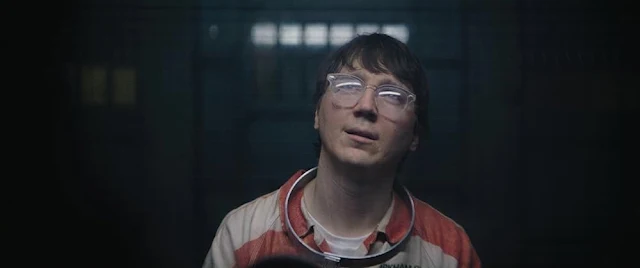
paul dano riddler batmab 2022

Character Background


Comic Book Origins of the Riddler

The Riddler, born Edward Nygma, has been a part of the Batman mythos since his first appearance in "Detective Comics" #140 in 1948. In the comics, Nygma is often portrayed as highly intelligent but deeply troubled, with a compulsion for puzzles, riddles, and mind games. His criminal activities usually involve elaborate traps and riddles, which he uses both as a challenge to Batman and as a way to prove his intellectual superiority. Over the years, various storylines have explored his background, often depicting him as a child prodigy who turned to crime after facing numerous personal and professional setbacks.

Evolution Over Time

The character of The Riddler has undergone significant changes over the decades, adapting to the sensibilities of different eras. In the 1960s, Frank Gorshin's portrayal in the Batman TV series leaned into the character's flamboyant and theatrical nature. In contrast, the 1990s saw a more manic and unhinged Riddler in Jim Carrey's performance in "Batman Forever." Video games like the "Batman: Arkham" series have also contributed to the character's evolution, offering a darker, more sadistic version that aligns with modern tastes.

Paul Dano's Take on The Riddler

Paul Dano's interpretation in "The Batman" (2022) marks a significant departure from previous incarnations. His Riddler is a subdued, almost nihilistic figure who uses his intellect for disturbing and violent ends. Dano's portrayal strips away much of the character's traditional flamboyance, focusing instead on his psychological depth.

He is not just a criminal mastermind but a deeply flawed individual whose actions stem from a complex interplay of psychological factors. This version of The Riddler is less a caricature and more a character study, offering a nuanced look into the mind of a man driven to extreme measures by his beliefs and obsessions.

Psychological Aspects 

Motivations of Paul Dano's Riddler

One of the most striking aspects of Paul Dano's Riddler is his intense need for recognition. Unlike previous versions where the character seeks acknowledgment for his cleverness in a more playful manner, Dano's Riddler craves validation for his intellectual and moral viewpoints. This need drives him to create elaborate schemes that serve as both a test and a message, challenging society and Batman to understand the "truth" he believes he has uncovered.

Dano's Riddler operates from a standpoint of perceived moral superiority. He sees himself as a crusader against corruption and injustice, albeit one who employs extreme methods. This self-righteousness fuels his actions and justifies, in his mind, the suffering he inflicts. It's a dangerous mix of intellect and ideology, where the ends justify the means, no matter how cruel or inhumane those means might be.

Personality Traits

The Riddler's actions are steeped in narcissism. His belief that he is the only one capable of seeing the "real" problems and solving them reflects a deeply narcissistic worldview. This is not narcissism in the sense of mere vanity but in the more pathological sense, where his self-centered perspective distorts his ethics and drives him to seek validation through extreme actions.

Dano's Riddler is highly manipulative, a trait that aligns with his narcissistic tendencies. He crafts scenarios that force others to play by his rules, manipulating both situations and people to achieve his goals. His riddles are not just puzzles to be solved; they are mechanisms to control the narrative and steer the actions of those involved, particularly Batman.

Mental Health

While it's speculative to diagnose fictional characters, the psychological profile of Dano's Riddler suggests the presence of certain mental health disorders. Traits such as extreme narcissism, manipulativeness, and a lack of empathy could point towards conditions like Narcissistic Personality Disorder or even Antisocial Personality Disorder.

The Riddler's coping mechanisms are primarily intellectual. He retreats into his world of puzzles and riddles, which give him a sense of control that he otherwise lacks in his life. These intellectual pursuits act as both a shield and a weapon, allowing him to distance himself from emotional pain while attacking those he perceives as enemies.

the riddler batman paul dano IMDB

Thematic Ties to the World of Batman

The psychology of Paul Dano's Riddler is intricately connected to the film's exploration of justice and morality. His actions serve as a critique of a system he perceives as fundamentally broken. In his mind, his violent and extreme measures are a form of justice, a way to correct societal wrongs that have been ignored or perpetuated by those in power. 

This presents a moral quandary for both Batman and the audience: can justice be served outside the boundaries of law and ethics?  

Why is it OK for Batman to met out justice but not the Riddler? Is the line murder?

The Riddler's psychology forces us to confront these questions, adding layers of complexity to the film's thematic structure.

Moreover, his sense of moral superiority acts as a dark mirror to Batman's own quest for justice. Both characters operate outside the law, but while Batman adheres to a code, The Riddler's code is distorted by his psychological complexities. This creates a fascinating dynamic where the line between hero and villain becomes blurred, enriching the film's exploration of morality.

The Riddler's actions are a direct challenge to the established order, making him an agent of chaos in Gotham City. However, this chaos is not random; it's calculated and purposeful, designed to expose the flaws in a system that The Riddler believes is inherently corrupt. This ties into the film's broader theme of the struggle between chaos and order, represented by The Riddler and Batman, respectively.

Batman's mission is to bring order to Gotham, to make sense of the senseless violence and corruption that plague the city. The Riddler disrupts this by introducing his own form of order, one built on his twisted sense of justice and morality. The clash between these two ideologies—order based on societal norms versus order based on individual judgment—forms a central thematic conflict in the film.

Intellectual Warfare

One of the most engaging aspects of "The Batman" is the intellectual battle between Batman and The Riddler. This is not just a physical conflict but a battle of wits, ideologies, and morals. The Riddler's riddles are more than just puzzles; they are ideological statements, challenges that force Batman to confront his own beliefs and methods. This intellectual warfare serves as a metaphor for the broader conflicts in the film, whether they be about justice, morality, or the nature of heroism.

The Riddler's psychology plays a crucial role in this. His need for intellectual validation, his narcissism, and his manipulative tendencies all contribute to the complexity of this battle. It's not just about solving the riddle; it's about understanding the mind that created it, making the intellectual warfare a thematic extension of the characters themselves.

Conclusion

In this essay, we've delved into the intricate psychology of Paul Dano's portrayal of The Riddler in "The Batman" (2022). From his motivations rooted in a need for intellectual and moral validation to personality traits like narcissism and manipulativeness, Dano's Riddler is a complex character that serves as more than just an antagonist. His psychological profile adds depth to the narrative and enriches the film's thematic exploration of justice, morality, and the complexities of good versus evil.
Lasting Impact

Paul Dano's Riddler leaves a lasting impression not just as a memorable villain but as a character study that invites audiences to ponder deeper questions. His psychology serves as a dark mirror to Batman's own quest for justice, challenging both the character and the audience to confront uncomfortable truths about the nature of righteousness and the ethical implications of vigilantism. This makes "The Batman" more than just a superhero film; it becomes a nuanced exploration of human psychology and societal themes.

By understanding the psychology of The Riddler, we gain a richer, more nuanced view of the film's thematic landscape. It elevates the character from a mere foil to Batman into a compelling figure whose complexities offer a fertile ground for narrative and thematic depth.

This concludes our in-depth analysis of the psychology of Paul Dano's version of The Riddler and its thematic significance in "The Batman" (2022). The character serves as a compelling psychological and thematic element, enriching the narrative and leaving a lasting impact on the audience and the Batman lore.

25 September 2023

The Batman Review (2022) starring Robert Pattinson

"The Batman," directed by the visionary Matt Reeves (Planet of Apes trilogy, Cloverfield) and starring the enigmatic Robert Pattinson (Mickey17), is not just another addition to the vast cinematic universe of the Dark Knight. Distinctly set in a separate universe from the established DC Extended Universe (DCEU), this film offers a standalone narrative, unburdened by the continuity of previous DC films. 

It's a film that delves deep into the psyche of the young Bruce Wayne, offering audiences a fresh and gritty take on the iconic character.

Set against the backdrop of a noir-inspired Gotham City, this iteration of Batman is more detective than superhero, more human than legend. With a supporting cast that brings depth and complexity to the narrative, "The Batman" is a testament to the timeless appeal of the Batman mythos, reimagined for a new generation.

the batman 2022 film poster review

Historical Context of The Batman

The legacy of Batman on the silver screen is as rich and varied as the character's comic book history. Since the 1940s, when Batman first graced the cinema in serialized black-and-white films, the Dark Knight has undergone numerous transformations, each reflecting the zeitgeist of its era.

The 1960s saw a campy, colorful Batman portrayed by Adam West, a stark contrast to the darker, more brooding versions that would follow. Tim Burton's gothic and atmospheric "Batman" in 1989, with Michael Keaton donning the cape, redefined the superhero genre, introducing audiences to a more complex and conflicted Bruce Wayne.

The 1990s and early 2000s brought varied interpretations, from the neon-lit extravagance of Joel Schumacher's films to the grounded realism of Christopher Nolan's "Dark Knight" trilogy. Nolan's films, in particular, elevated the superhero genre to new cinematic heights, blending crime drama with character study.

Enter the DCEU in the 2010s, where Ben Affleck's Batman became a seasoned and weary warrior, grappling with his own legacy amidst a pantheon of gods and metahumans.

And now, with "The Batman," we are introduced to a younger, rawer Bruce Wayne, navigating his early years of crime-fighting. Distinct from the DCEU, Matt Reeves' vision offers a fresh perspective, focusing on Batman's detective roots and emphasizing the character's human vulnerabilities.

Character Deep Dive: Robert Pattinson's Batman/Bruce Wayne

Robert Pattinson's iteration of Batman is a departure from many of the portrayals we've seen in the past. This Batman is not the seasoned vigilante we've come to know but rather a young man still grappling with the trauma of his parents' death and the weight of the cowl.

Portrayal and Nuances: Pattinson's Bruce Wayne is introspective and brooding. He brings a raw intensity to the role, showcasing a Batman who is still finding his footing in the crime-ridden landscape of Gotham. His portrayal emphasizes the detective aspect of the character, often seen piecing together clues and diving deep into the city's underworld.

Comparison with Previous Batmen: While actors like Christian Bale and Ben Affleck showcased a Batman in his prime, Pattinson's version is less refined, more impulsive. He's a Batman who makes mistakes, learns from them, and is visibly affected by the chaos around him. This vulnerability adds a layer of depth to the character, making him more relatable.

Bruce Wayne's Character Development: Throughout the film, we witness Bruce's internal struggle. He grapples with the duality of his identity – the billionaire son and the vigilante of the night. Pattinson excellently portrays this dichotomy, especially in his interactions with Alfred, his moral compass. As the narrative unfolds, we see a gradual evolution, a young Bruce Wayne coming to terms with his role as Gotham's protector.

robert pattison the batman 2022

He's holding himself back though, not fully committing. It's like there's... something in the way.

Deeper Dive on The Riddler

The Riddler, traditionally known as Edward Nashton or Edward Nygma in the comics, has been a staple in Batman's rogues gallery since his introduction in 1948. However, Paul Dano's portrayal in "The Batman" offers a fresh and disturbing take on the character, elevating him from a gimmicky puzzle-maker to a genuine threat to Gotham City.

paul dano riddler batman

Historically, The Riddler has been depicted as a criminal mastermind obsessed with riddles, often committing crimes that revolve around complex puzzles. His motivations have typically been rooted in a need for intellectual validation and a desire to prove his superiority over Batman.

In "The Batman," this character is reimagined as a deeply disturbed individual with a vendetta against Gotham's elite. His riddles are not just games; they are messages, exposing the city's corruption and challenging Batman's moral code.

Dano brings an intensity to the role that is both captivating and unsettling. Gone is the flamboyant, green-suited trickster of old. In his place stands a man with a clear, albeit twisted, sense of purpose.

His portrayal is grounded in realism. The Riddler's actions, while extreme, stem from a place of deep-seated anger and disillusionment with the system. Dano's nuanced performance allows the audience to empathize with the character, even if they don't condone his methods.

The film's narrative structure, combined with Dano's performance, elevates The Riddler from a side character to a central figure. His actions drive the plot, forcing Batman to not only solve his riddles but also confront the darker aspects of Gotham and his own legacy.

This Riddler is not just a villain; he's a mirror, reflecting the city's decay and challenging its inhabitants to acknowledge their complicity.

Dano's Riddler is a study in psychology. His actions, while extreme, are rooted in trauma and a sense of injustice. The film hints at a troubled past, allowing the audience to piece together the events that led to his descent into madness.

His interactions with Batman are particularly telling. He sees the Dark Knight not as an enemy but as a potential ally, someone who, like him, recognizes Gotham's flaws and seeks to address them.

paul dano riddler character batman

Supporting Characters and Performances

In "The Batman," the supporting characters are not mere sidekicks or adversaries; they are integral to the narrative, each bringing a unique dimension to the story and to Bruce Wayne's journey.

Alfred Pennyworth (Andy Serkis):

Alfred is more than just a butler; he's Bruce's guardian, mentor, and moral compass. Their dynamic is one of mutual respect and deep-seated love, with Alfred often serving as Bruce's anchor to humanity. This is not to say their relationship is perfect, there are undercurrents of friction between the two.

Serkis brings a gravitas to Alfred, portraying him as a seasoned individual with a military background, offering both a distant kind of emotional support and tactical advice to Bruce.


Selina Kyle/Catwoman (Zoë Kravitz):

Selina is a complex character, walking the line between ally and adversary. Her relationship with Bruce/Batman is multifaceted, filled with tension, trust, and mutual understanding.

Kravitz delivers a nuanced portrayal, showcasing Selina's agility, intelligence, and vulnerability. Their sexual chemistry with Pattinson adds layers to both characters, hinting at a deeper connection.

James Gordon (Jeffrey Wright):

Gordon is one of Batman's few allies within the GCPD. Their partnership is based on mutual respect and a shared goal: to rid Gotham of its corruption.

Wright's Gordon is principled and steadfast, serving as a beacon of hope in a city overrun by crime. His dynamic with Pattinson's Batman is one of camaraderie and trust. As with other versions of Gordon, his character represents the beating heart of what can be great in Gotham City.

Visual and Cinematic Style

Matt Reeves' "The Batman" is a visual masterpiece, distinct in its aesthetic and tone from other Batman films. The director's vision for Gotham and its inhabitants is both familiar and refreshingly new, creating a world that feels lived-in and real.

"The Batman" draws heavily from film noir, a genre known for its moody lighting, shadowy figures, and morally ambiguous characters. The streets of Gotham are often drenched in rain, with the glow of neon lights cutting through the darkness, creating a sense of mystery and foreboding.

The film's cinematography, led by Greig Fraser, is meticulous in its framing and composition. Each shot feels deliberate, whether it's a close-up of Batman's eyes or a wide shot of Gotham's skyline. The use of practical effects and real locations adds a tangible quality to the film, grounding it in reality.

Gotham City is a character in its own right. The production design captures the city's duality – the opulence of Wayne Manor juxtaposed against the grimy alleyways and decaying buildings. This contrast underscores the socio-economic disparities that plague Gotham and drive its narrative.

While previous Batman films have showcased Gotham in various lights, "The Batman" feels more intimate. The city's vastness is often shown through aerial shots, but the narrative focuses on its underbelly, the narrow streets, and dark corners where crime festers.

Pattinson's Batsuit is a reflection of this Batman's DIY approach. It feels handcrafted, with visible stitches and modifications, emphasizing the character's early days as a vigilante. Similarly, the costumes of other characters, from Catwoman's practical attire to The Riddler's unsettling mask, are designed with functionality and character development in mind.

Sci-Fi Tropes & Themes in "The Batman"

While "The Batman" is rooted in the detective and noir genres, it doesn't shy away from exploring themes commonly found in science fiction. These motifs add depth to the narrative and resonate with the larger Batman mythos.

Gotham City, in many ways, mirrors the dystopian cities often depicted in sci-fi literature and films. It's a metropolis on the brink, plagued by corruption, crime, and a sense of hopelessness. The stark contrast between the wealthy elite and the struggling masses underscores the socio-economic disparities that often drive dystopian narratives.

Batman's use of technology to monitor and combat crime is a nod to the surveillance state trope. His gadgets, from the Batcomputer to his array of surveillance tools, raise questions about privacy, ethics, and the fine line between protection and intrusion.

It's OK if he only does it on bad guys right?

A recurring theme in both noir and sci-fi, moral ambiguity is at the heart of "The Batman." Characters are not strictly good or evil; they operate in shades of gray. This complexity challenges the audience's perceptions and forces them to question their own moral compass.

The duality of man and the struggle with identity are central to Batman's character. Bruce Wayne versus Batman, the public persona versus the masked vigilante, is a theme that resonates with the sci-fi trope of dual identities, often seen in stories about androids, clones, or alternate realities.

Batman, especially in this iteration, embodies the anti-hero trope. He's a vigilante operating outside the law, driven by personal trauma and a sense of justice that doesn't always align with societal norms. This complexity makes him a compelling and relatable character, much like the anti-heroes of dystopian sci-fi tales.

The Riddler, with his twisted sense of justice and desire to expose Gotham's corruption, represents the threat from within. Rather than an external alien or supernatural force, the danger lies within the city's own inhabitants, a theme often explored in speculative fiction.

Soundtrack and Score

Music plays a pivotal role in setting the tone and atmosphere of a film, and "The Batman" is no exception. The score, composed by Michael Giacchino (Rogue One, John Carter), is both haunting and evocative, capturing the essence of Gotham and its inhabitants.

Giacchino's main theme for Batman is instantly recognizable, yet distinct from previous Batman scores. It carries a sense of melancholy, reflecting Bruce Wayne's internal struggles and the weight of the Batman mantle.

Each major character in the film has a musical motif. For instance, The Riddler's theme is eerie and unsettling, using unconventional instruments and sounds to capture his chaotic nature. In contrast, Catwoman's motif is sultry and mysterious, reflecting her duality and enigmatic presence.

The score paints a vivid picture of Gotham City. From the bustling streets to the quiet, shadowy alleys, the music transports the audience to this dark and gritty world. The use of industrial sounds and urban rhythms evokes the city's pulse and its ever-present sense of danger.

Throw in some dreary Nirvana and we're gold... 

Reception and Impact of The Batman

"The Batman" arrived with much anticipation, and its release was met with a flurry of reactions from both critics and audiences. As with any film, especially one that tackles an iconic character with a storied history, opinions varied, but certain aspects of the film were universally acknowledged.

Critics lauded the film for its fresh take on the Batman mythos, praising its noir-inspired aesthetics and character-driven narrative. Many highlighted Pattinson's portrayal of the Dark Knight, noting his ability to bring depth and vulnerability to the role.

The film's emphasis on detective work and its exploration of Gotham's underbelly were also well-received, with critics appreciating the shift from high-octane action to a more cerebral approach.

General audiences responded positively to the film's darker tone and its focus on character development. The chemistry between the lead characters, especially Batman and Catwoman, was a highlight for many.

Some fans of previous Batman films had reservations about certain creative choices, but the majority appreciated the fresh perspective and the opportunity to see a different side of Bruce Wayne and his world.

"The Batman" has potentially set a new standard for superhero films, emphasizing character depth and narrative complexity over spectacle. Its success might pave the way for more introspective and character-driven superhero stories in the future.

Conclusion

"The Batman," directed by Matt Reeves and starring Robert Pattinson, stands as a testament to the enduring appeal and adaptability of the Batman mythos. This film, distinct in its noir-inspired aesthetics and character-driven narrative, offers audiences a fresh and introspective look at the Dark Knight. 

Through its exploration of iconic characters, from a raw and vulnerable Bruce Wayne to a chillingly realistic Riddler, the movie delves deep into the psyche of Gotham and its inhabitants. The performances, particularly Pattinson's and Dano's, breathe new life into characters we thought we knew, challenging our perceptions and expectations. 

With its emphasis on detective work, moral ambiguity, and the duality of man, "The Batman" not only redefines the superhero genre but also raises poignant questions about justice, legacy, and redemption. As we reflect on this cinematic journey, it's evident that Batman, as a character and a symbol, will continue to evolve, mirroring the complexities of the world he inhabits and resonating with audiences for generations to come.

Review: Mike Flanagan's "The Fall of the House of Usher" - A Masterful Ode to Edgar Allan Poe

When Edgar Allan Poe first published "The Fall of the House of Usher" in 1839, he was already a figure of some notoriety in the literary world. Known for his tales of the macabre, Poe had a unique ability to delve into the darkest corners of the human psyche, exploring themes of death, decay, and madness with an almost surgical precision. His stories were not just tales to frighten; they were psychological studies, examinations of the human condition through the lens of horror. Poe's influence on the genre is immeasurable, inspiring generations of writers, filmmakers, and artists to venture into the realms of the eerie and unsettling.

It's within this rich tapestry of psychological horror that Mike Flanagan sets his adaptation, "The Fall of the House of Usher." for Netflix. But to call it an adaptation would be a disservice to what Flanagan has achieved. This is not a mere retelling or a straightforward translation of Poe's work to the screen. It's a reimagining that takes the essence of Poe's dark universe and expands upon it, creating a narrative that is as complex and multi-layered as the human psyche itself.

Flanagan's series is a tribute not just to "The Fall of the House of Usher" but to the entire oeuvre of Poe. It's a deep dive into the themes that pervaded Poe's work: the fragility of sanity, the inevitability of death, and the existential dread that comes from confronting the unknown. By weaving in elements from other iconic Poe stories like "The Masque of the Red Death," "The Black Cat," and "The Tell-Tale Heart," Flanagan creates a narrative tapestry that is rich in thematic depth and narrative complexity.

This is a series that understands the weight of its source material, that recognizes the enduring power of Poe's work to captivate and terrify even in our modern age. It's a series that asks difficult questions about human nature and the society we live in, all while enveloping the viewer in an atmosphere of almost palpable dread. 

This is not just a tribute to Edgar Allan Poe; it's a reinvigoration of his themes, a modern-day retelling that retains the essence of the original while daring to venture into new territories. And in doing so, it becomes a masterful work of art in its own right, a fitting addition to the dark and haunting universe that Poe first envisioned nearly two centuries ago.

Review: Mike Flanagan's "The Fall of the House of Usher"

Structure & Storytelling

Flanagan's approach to the structure of the series is nothing short of revolutionary. Traditional adaptations often struggle with capturing the depth and nuance of their source material, but Flanagan sidesteps this issue entirely. He uses "The Fall of the House of Usher" as a narrative skeleton, upon which he grafts flesh from other Poe classics. Each episode serves as a tribute to a different Poe story, yet they are all interconnected, woven together with threads of overarching themes and character arcs. 

This creates a narrative mosaic that is both cohesive and richly textured, allowing for a more profound exploration of Poe's universe

Characters & Performances

The Usher family serves as the nexus of this complex narrative web, each member a study in moral ambiguity and psychological complexity. Bruce Greenwood's Roderick Usher is not just a man of dark appetites; he's a symbol of the corrosive effects of power and privilege. Mary McDonnell's Madeline is far from a mere supporting character; she embodies the existential dread of mortality, her quest for immortality serving as a mirror to society's own fears of aging and death. 

The term "ensemble cast" often implies a collection of supporting roles, but here, each actor is a pillar holding up the grand edifice that is the Usher family saga. The performances are so finely tuned that they become a masterclass in character study, each actor bringing a level of nuance that is rarely seen on screen.

Cinematography & Visuals

The visual language of the series is a feast for the eyes, a blend of gothic grandeur and modern sophistication. Michael Fimognari's cinematography doesn't just set the mood; it tells a story of its own. Each frame is meticulously composed, whether it's capturing the eerie stillness of the Usher mansion or the frenetic energy of a climactic confrontation. The use of color, shadow, and light is not just aesthetic; it's symbolic, adding layers of meaning to each scene. The scares are not cheap thrills but carefully orchestrated moments that serve the narrative, making the horror feel earned and impactful.

review fall of the house of user

Themes & Contemporary Relevance


The Usher Family's Pharmaceutical Empire: Fortunato

One of the most compelling aspects of Mike Flanagan's "The Fall of the House of Usher" is its ability to take Edgar Allan Poe's timeless themes and transpose them onto a modern canvas. The Usher family's pharmaceutical empire, Fortunato, serves as a striking example. Named after a character from Poe's "The Cask of Amontillado," Fortunato is not merely a backdrop for the unfolding drama; it is a living, breathing entity that encapsulates the moral decay and ethical compromises that Poe often explored.

In Poe's works, characters frequently grapple with their own moral failings, often leading to their downfall. Flanagan uses Fortunato to explore the ethical quagmire of the pharmaceutical industry, a sector often criticized for prioritizing profit over human well-being. This is a modern manifestation of the classic Poe theme of humanity's darker impulses, the willingness to sacrifice ethics for personal gain. 

The series raises questions about the lengths to which corporations will go to amass wealth, even if it means exploiting the vulnerable. It's a scathing critique of corporate greed, echoing Poe's own disdain for the darker aspects of human nature.

The Cost of Progress and Ethical Boundaries

Poe was fascinated by the duality of human nature, the constant struggle between our higher aspirations and our baser instincts. This theme is vividly brought to life through the series' examination of the moral implications of pharmaceutical advancements. What is the cost of progress? At what point do the ethical boundaries blur, and what are we willing to compromise for the sake of convenience or profit? 

These questions resonate with Poe's own explorations of the limits of human morality, as seen in stories like "The Tell-Tale Heart," where the protagonist's guilt becomes a haunting, inescapable force.

Madeline's Obsession with Immortality

Madeline Usher's quest for immortality serves as another thematic bridge between Poe's 19th-century world and our contemporary society. Poe often delved into humanity's fear of mortality, as seen in poems like "Annabel Lee" and stories like "The Premature Burial." Madeline's obsession is a modern echo of this, reflecting society's increasing fixation on youth and the fear of aging. In a world where technological advancements make the prospect of extending human life increasingly plausible, the series taps into the ethical and existential questions that such possibilities raise.

Madeline's pursuit of eternal life is not just a personal quest; it's a societal reflection. It serves as a critique of our culture's obsession with youth, the endless chase for anti-aging remedies, and the ethical implications of such pursuits. Are we, like Madeline, willing to pay any price for a few more years of youth? 

This mirrors Poe's own explorations of the human psyche's darker corridors, where the fear of death often drives people to extreme, sometimes horrifying, lengths.

Conclusion

Mike Flanagan's "The Fall of the House of Usher" is not just another entry in the ever-growing list of Poe adaptations; it's a seminal work that stands as a testament to the enduring power of its source material. 

It takes the core elements that made Poe's stories timeless and adapts them for a modern audience, all while maintaining a level of artistic integrity that is truly commendable. This series is a complex, multi-faceted gem that rewards multiple viewings, each layer revealing new depths of meaning and emotional resonance. 

It's not just a masterclass in storytelling and adaptation; it's a magnum opus that sets a new standard for what can be achieved in the realm of horror television.

Reviewer Score: ★★★★★

Review of "Men" Directed by Alex Garland

In the ever-evolving realm of science fiction, Alex Garland's "Men" emerges as a poignant testament to the genre's capacity for deep introspection. The film, at its core, is a journey of Harper, a woman seeking solace and independence. 

Yet, as the narrative unfolds, she finds herself ensnared in a web of male-dominated perspectives that challenge her very essence.

Garland (Annihilation, Ex Machina) masterfully juxtaposes the raw power of nature against the constructs of mankind. The recurring symbol of the Green Man, embodying life and rebirth, becomes particularly evocative when he transforms into the homeless man, cyclically birthing all male characters. 

This cyclical nature of life is further emphasized by the vaginal imagery reminiscent of the Sheela-na-gig, underscoring themes of life, death, and rebirth. 

This is one trippy film, that demands a viewer's patience. 

men film alex garland review themes

Such imagery, combined with the vicar's references to Harper as Eve (heck, she ate an apple she placuked of a tree in the first minute of being at her rented house...) and the age-old trope of women as temptresses, layers the film with rich symbolism. 

At its heart, "Men" offers a scathing critique of patriarchy, showcasing how mankind, in its hubris, has perverted the gift of nature. The film delves deep into the colonization of birth, a domain traditionally associated with the feminine. 

Harper's interactions with the male characters are particularly telling. 

Each man, in his own way, views Harper through the lens of his needs and desires, emphasizing a broader societal message: women, all too often, are perceived through the prism of their relationships to men, even when they ardently seek independence.

One of the film's most striking themes is the cyclical nature of life and rebirth, embodied by the Green Man. His transformation into the homeless man, who then cyclically births all male characters, serves as a powerful allegory for the relentless cycle of life, death, and rebirth. The Sheela-na-gig imagery, a symbol of fertility and the cycle of life, further accentuates this theme, suggesting that while life is cyclical, society's perceptions and treatments of these cycles can be distorted.

A reference point to this theme would be Darren Arronosky's Mother! - albeit that film goes harder than most before it. 

The film also delves deep into the dynamics of patriarchy and the colonization of birth. Through the lens of Harper's interactions, "Men" critiques how women are often perceived and defined in relation to men. Each male character, in his own way, perceives Harper not as an individual but through the lens of his needs and desires. This reflects a broader societal issue: women's identities are often overshadowed by their relationships to men, even when they ardently seek independence.

Religious and mythological references, such as the vicar's allusions to Eve and the tale of Zeus and Helen of Troy, layer the narrative with rich symbolism. These stories, deeply ingrained in our collective psyche, serve as reminders of age-old narratives that have shaped perceptions of women. They symbolize the colonization of female narratives and the age-old trope of women as temptresses or mere objects in male-centric tales. Viewers would not be wrong to note the parallels of Darren Aronofsky's Mother!.

Garland's choice of visuals paints a hauntingly beautiful picture. 

There is so much greenery. 

And the odd nude man, out standing in his field. 

Each frame, meticulously crafted, tells a story, making "Men" a visual treat. 

The film's soundtrack, a harmonious blend of eerie and evocative tunes, complements its narrative, adding depth to the viewing experience. The seamless integration of practical and digital effects further enhances the film's horror elements.

Drawing parallels with his previous works, Garland's direction in "Men" stands out for its visual narrative and intentionally obtuse nature. 

While the film is undoubtedly a masterpiece, its abstract storytelling might not resonate with all. It's a piece that demands reflection, and in its abstraction lies its beauty. However, this very nature might make it divisive in the broader realm of science fiction. Nonetheless, "Men" remains a testament to Garland's prowess as a storyteller, offering a deep dive into gender dynamics and the cyclical nature of existence.

24 September 2023

Gareth Edward's Godzilla: Review

"Godzilla," released in 2014, marked a significant return of the iconic kaiju to the big screen. Directed by Gareth Edwards, this film aimed to reintroduce the world to the legendary monster in a modern context, while paying homage to its rich history. 

It stands as a pivotal entry in the modern era of kaiju films, setting the tone for subsequent movies in the MonsterVerse.

Godzilla, originally conceived in Japan, made its debut in 1954 as a metaphor for nuclear devastation. Over the decades, the creature has taken on various roles, from a villainous destroyer to a heroic savior. Gareth Edwards' "Godzilla" sought to capture the essence of the original while offering a fresh perspective. 

Unlike many of its predecessors, this film emphasizes the sheer scale and grandeur of Godzilla, positioning him as a force of nature.

godzilla film review gareth edwards

The film unfolds with Joe Brody, an engineer, investigating a nuclear plant's anomalies in Japan. Tragedy strikes, leading his son, Ford, on a quest years later to uncover the truth. As ancient titanic creatures rise, humanity grapples with their existence. 

Amidst the chaos, Godzilla emerges, not as a mere monster, but as nature's balancer. The narrative weaves human drama with colossal confrontations, culminating in a climactic battle in San Francisco.

Ford Brody played by Aaron Taylor-Johnson (future James Bond), serves as our human anchor. His journey from a naval officer to confronting his past and the titanic beasts offers a personal lens to the larger-than-life events.

Joe Brody portrayed by Bryan Cranston riding high on Breaking Bad fame, is the emotional core of the film. His relentless pursuit of the truth, driven by personal loss, adds depth and urgency to the unfolding mystery.

Dr. Serizawa played by Ken Watanabe (The Creator), offers a philosophical perspective. His reverence for Godzilla and belief in nature's balance contrasts with others' panic-driven responses.

The theme of Nature's Wrath is evident. The MUTOs (Massive Unidentified Terrestrial Organisms) and Godzilla are nature's response to humanity's ecological and nuclear disruptions.

The classic Man vs. Giant Monster trope is revitalized, showcasing humanity's vulnerability against such colossal beings.

Edwards, known for his visual prowess, crafts a film that's both intimate and grand. The use of darkness and obscured shots, especially in the film's first half, builds anticipation for Godzilla's full reveal. The HALO jump sequence, with red flares piercing through the smoky San Francisco skyline, is both haunting and mesmerizing. The film's color palette, dominated by blues and grays, evokes a sense of awe and dread.

Alexandre Desplat's score is a masterclass in building tension and grandeur. The music, often punctuated by heavy brass and percussions, complements the narrative's scale. And of course, Godzilla's roar, a sound that has evolved since its 1954 inception, is chillingly realized here. Fun trivia: The roar in this film was crafted using a mix of various animal sounds and was played on a massive speaker array to capture its echo and resonance in real-world locations.

"Godzilla" was both a critical and commercial success, grossing over $500 million worldwide. It was praised for its visual effects, direction, and a fresh take on the iconic monster. Its success paved the way for the MonsterVerse, leading to sequels and crossovers with other legendary kaiju, like King Kong. A cool piece of trivia: Gareth Edwards and his team studied animal behavior and natural disasters to depict the kaiju movements and their impact realistically.

After the success of "Godzilla," Gareth Edwards' directorial prowess was further recognized, leading him to helm one of the most anticipated films in the "Star Wars" franchise, "Rogue One: A Star Wars Story."  This standalone film, set just before the events of the original 1977 "Star Wars," showcased Edwards' ability to blend personal stories with grand cinematic spectacles, much like he did with "Godzilla."

Furthermore, Edwards continued to showcase his versatility with "The Creator," a film that garnered attention for its unique storytelling and compelling performances. Starring a young Madeleine Yuna Voyles and David Washington, "The Creator" further solidified Edwards' reputation as a director who could seamlessly merge character-driven narratives with visually stunning cinema. Voyles and Washington's on-screen chemistry and depth added layers to Edwards' vision, making "The Creator" a testament to his evolving directorial style.
23 September 2023

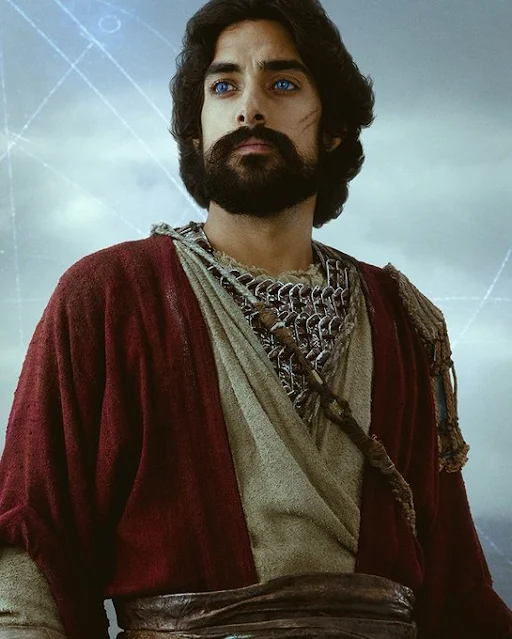
Does Ezra Bridger wear Storm Trooper Dog Tags in Ashoka?

Dog tags, in both our world and the Star Wars universe, carry a profound weight of meaning. They are not just pieces of metal but encapsulate the identity, rank, and sometimes the entire life story of a soldier. In the vast expanse of the Galactic Empire, stormtroopers often appear as mere numbers, faceless and indistinguishable.


For Ezra to wear a vest made of their dog tags is to reclaim and repurpose these symbols of the Empire's might. It's a defiant act, turning the Empire's tools of identification into a badge of resistance. Every tag on Ezra's vest tells a story of a battle won, a skirmish survived, or a life taken.


ezra bridger stormtrooper dog tags chain mail

From his humble beginnings on Lothal, Ezra's journey as a Bokken Jedi has been one of growth, learning, and transformation. Under the guidance of Jedi Kanan Jarrus and the Ghost crew, he evolved from a street-smart kid into a Jedi with a deep understanding of the Force.

The chainmail tag vest, if interpreted as a tally of his confrontations, is a testament to his resilience and determination. It's a visual chronicle of his journey, each tag representing a step he took, a challenge he overcame, and the sacrifices he made in the name of the Rebellion.

Or is Ezra sending a message to a certain blue Chiss who is also stuck on planet Peridea?

Thrawn is not just an adversary; he's a master tactician, an art enthusiast, and a figure who can appreciate the deeper meanings behind actions. If Ezra is indeed wearing the vest as a direct message to Thrawn, it's a bold statement of defiance. 

It says, "I've faced your forces, and I stand undeterred." For Thrawn, this could be both a challenge and a puzzle, pushing him to reassess his strategies and his understanding of Ezra as an opponent.

It would help explain why he was all too happy to send Baylan and Shakti to kill Sabine...

War, even in a galaxy far, far away, is not black and white. The vest serves as a stark reminder of this. While it may showcase Ezra's victories, it also silently mourns the lives lost. Every dog tag is a life, a story, a person who might have been coerced, indoctrinated, or forced into service for the Empire. 

Ezra wearing chain mail is somewhat Mithral-like - which would not be surprising given David Filoni's dive into Lord of the Rings themes with this show.

10 Sci-Fi Films with the Most Thought-Provoking Themes

In the vast expanse of cinematic history, science fiction stands as a beacon, illuminating the depths of human introspection and our relationship with the universe. It's a genre that doesn't merely predict the future but reflects on the very essence of humanity's existence, aspirations, and fears.

From the neon-lit streets of dystopian cities to the farthest reaches of outer space, sci-fi films have consistently challenged our perceptions, posed profound philosophical questions, and offered visionary insights into the human condition.

In this exploration, we journey through ten seminal sci-fi films that have not only captivated audiences with their storytelling prowess but have also delved deep into thought-provoking themes, each echoing the timeless questions that have intrigued mankind for eons.

Join us as we traverse this cinematic odyssey, where each film serves as a mirror, reflecting societal dilemmas, ethical quandaries, and the eternal quest for understanding in an ever-evolving universe.

10 Sci-Fi Films with the Most Thought-Provoking Themes


 1. "Blade Runner" (1982)

  • Director: Ridley Scott
  • Key Creatives: Harrison Ford (Actor), Hampton Fancher and David Peoples (Screenwriters)
  • Theme: The Nature of Humanity and the Ethics of Creation


"Blade Runner" is a visual and thematic masterpiece that delves into the very essence of what it means to be human. Set in a dystopian future, the film introduces us to replicants—bioengineered beings virtually indistinguishable from humans. These replicants, designed for various forms of labor and entertainment, are not granted the same rights as humans, leading to profound ethical dilemmas.

The character of Rick Deckard, played by Harrison Ford, is a "Blade Runner" tasked with "retiring" rogue replicants. As he goes about his mission, the lines between human and replicant blur, especially when he encounters Rachael, a replicant unaware of her own artificial nature. Their interactions, coupled with the poignant soliloquy of the replicant Roy Batty, force viewers to question the nature of consciousness, emotion, and memory.

The film's rain-soaked, neon-lit urban landscapes further emphasize the bleakness of a world where technological advancement has perhaps gone too far, overshadowing human connection and empathy. Ridley Scott's direction, combined with Vangelis' haunting score, creates an atmosphere where viewers are compelled to reflect on the consequences of playing god and the moral responsibilities we hold towards our creations, no matter how artificial they might be.

The sequel Bladerunner 2049, in the hands of Dennis Villnueve, superbly builds on these themes

2. "2001: A Space Odyssey" (1968)

  • Director: Stanley Kubrick
  • Key Creatives: Keir Dullea (Actor), Arthur C. Clarke (Screenwriter)
  • Theme: Evolution, Technology, and the Cosmic Unknown


Stanley Kubrick's "2001: A Space Odyssey" is a cinematic journey that spans millennia, from the dawn of man to the vast reaches of space. At its core, the film is a meditation on humanity's place in the cosmos and our relationship with technology.

The monoliths, mysterious black structures that appear at key points in human evolution, symbolize the leaps and bounds of human progress. Their appearance at the dawn of man, prompting the use of tools (and weapons), signifies the first major step in human evolution. Yet, as we fast forward to the space age, we see another monolith orbiting Jupiter, suggesting that our evolutionary journey is far from over.

The character of HAL 9000, the sentient computer aboard the Discovery One spacecraft, serves as a cautionary tale about the potential dangers of artificial intelligence. HAL's eventual malfunction and attempt to eliminate the crew members raise profound questions about the ethics of creating machines that can think and feel. 

Can a machine possess a soul? And if so, what rights and considerations do we owe it?

Kubrick masterfully uses visual and auditory elements to create a sense of awe and wonder. The film's iconic jump cut from a thrown bone to a spacecraft not only encapsulates the entirety of human progress but also emphasizes the cyclical nature of evolution and technology. The film's climax, a psychedelic journey through the "Star Gate," challenges our perceptions of time, space, and reality, leaving viewers with more questions than answers—a testament to the film's enduring allure and depth.

3. "The Matrix" (1999)

  • Director: Lana and Lilly Wachowski
  • Key Creatives: Keanu Reeves (Actor), The Wachowskis (Screenwriters)
  • Theme: Reality, Illusion, and the Nature of Existence

"The Matrix" is a groundbreaking film that challenges our perceptions of reality and the nature of existence. At its heart, the story revolves around the concept of a simulated reality, a digital dream world created by machines to subdue and control the human population.

the matrix theme


The protagonist, Neo, played by Keanu Reeves, undergoes a transformative journey from a disillusioned computer hacker to the prophesied savior of humanity. His awakening from the Matrix into the real world is symbolic of the philosophical concept of Plato's Cave, where individuals are only exposed to shadows of the real world and mistake them for reality. Neo's journey is one of enlightenment, as he grapples with the realization that much of what he believed to be real is merely an illusion.

The film also delves into the concept of fate versus free will. Characters like Morpheus and Agent Smith represent opposing viewpoints on destiny, choice, and the nature of reality. The Matrix itself, a complex system of control, can be seen as a metaphor for societal structures that confine and define our understanding of the world.

The Wachowskis' vision, combined with innovative visual effects, creates a world where viewers are forced to question their own realities. The iconic "red pill vs. blue pill" scene encapsulates the film's central theme: the choice between accepting a comfortable illusion or confronting a harsh reality.

4. "Children of Men" (2006)

  • Director: Alfonso Cuarón
  • Key Creatives: Clive Owen (Actor), Alfonso Cuarón and Timothy J. Sexton (Screenwriters)
  • Theme: Hope, Despair, and the Fragility of Humanity


"Children of Men" paints a hauntingly bleak picture of a near-future world where humanity is on the brink of extinction due to inexplicable infertility. The film is a stark exploration of a society devoid of hope, where the youngest person alive is 18 years old, and the human race faces the very real possibility of its end.

Clive Owen's character, Theo, is a disillusioned bureaucrat who becomes an unlikely hero when he is tasked with protecting a miraculously pregnant woman. Their journey to safety, amidst societal collapse and chaos, is a testament to the resilience of the human spirit and the innate desire to protect and nurture life.

The film touches on various contemporary issues, from immigration and xenophobia to terrorism and governmental control. The refugee camps and societal divisions depicted in the film draw parallels to real-world crises, making the narrative all the more poignant and relevant.

Alfonso Cuarón's masterful direction, particularly his use of long, unbroken shots, immerses viewers in the urgency and desperation of the characters' plight. Scenes like the harrowing car ambush and the climactic battle in the refugee camp are not only technical marvels but also serve to heighten the emotional intensity of the story.

At its core, "Children of Men" is a meditation on hope in the face of overwhelming despair. The birth of a child in a world without children serves as a powerful symbol of renewal and the enduring human capacity for hope, even in the darkest of times.

5. "Ex Machina" (2014)

  • Director: Alex Garland
  • Key Creatives: Alicia Vikander (Actor), Alex Garland (Screenwriter)
  • Theme: Consciousness, Emotion, and the Ethics of Creation


"Ex Machina" is a cerebral exploration of artificial intelligence, consciousness, and the moral implications of creating sentient beings. Set in a secluded research facility, the film introduces us to Ava, an advanced AI with a humanoid appearance, played with haunting subtlety by Alicia Vikander.

The story unfolds as Caleb, a young programmer, is invited by the reclusive tech CEO Nathan to administer the Turing test on Ava, determining whether she possesses genuine consciousness. As Caleb interacts with Ava, the lines between machine and human emotion blur, leading to profound ethical and philosophical dilemmas.


exmachina thought provoking themes


The film raises questions about the nature of consciousness and emotion. Can a machine truly feel? And if it can, what rights and considerations does it deserve? Nathan's god-like role in Ava's creation and his subsequent treatment of her parallels the age-old debate of man playing god and the responsibilities that come with such power.

The isolated setting, combined with a minimalist score, creates an atmosphere of tension and unease, reflecting the characters' internal struggles. The film's climax, which sees a reversal of power dynamics, forces viewers to confront their own biases and preconceptions about machine intelligence and the essence of humanity.

6. "Gattaca" (1997)

  • Director: Andrew Niccol
  • Key Creatives: Ethan Hawke (Actor), Andrew Niccol (Screenwriter)
  • Theme: Genetic Determinism, Free Will, and the Value of Imperfection


"Gattaca" presents a future society where genetic engineering has reached its zenith, and individuals are judged solely based on their genetic makeup. In this world, children conceived naturally, known as "in-valids," are relegated to the fringes of society, while those genetically engineered for perfection, the "valids," enjoy all the privileges.

The protagonist, Vincent, an in-valid, dreams of traveling to space but is restricted due to his perceived genetic inferiority. Refusing to be defined by his genes, Vincent assumes the identity of a valid, navigating a world of genetic discrimination and surveillance.

The film delves deep into the implications of a society obsessed with genetic perfection. It raises questions about determinism and free will. Are we merely the sum of our genes, or do our choices and experiences define us? The character of Vincent embodies the human spirit's resilience and determination to defy societal constraints and pursue one's dreams.

"Gattaca" also touches on the ethical implications of genetic engineering. While the promise of eradicating diseases and enhancing human capabilities is tempting, the film warns of the potential loss of diversity, individuality, and the inherent value of human imperfection.

Andrew Niccol's vision, combined with a melancholic score and muted color palette, creates a world that feels both futuristic and eerily familiar, prompting viewers to reflect on the societal pressures of conformity and the true meaning of success.

7. "A Clockwork Orange" (1971)

  • Director: Stanley Kubrick
  • Key Creatives: Malcolm McDowell (Actor), Anthony Burgess (Novelist)
  • Theme: Free Will, Behavioral Modification, and the Nature of Evil


"A Clockwork Orange" is a disturbing and provocative exploration of the nature of free will and the limits of societal control. The story follows Alex DeLarge, a young delinquent with a penchant for "ultra-violence" and classical music, played with chilling charisma by Malcolm McDowell.

Set in a dystopian future, the film delves into the ethics of behavioral modification. After being apprehended for his crimes, Alex undergoes an experimental procedure designed to "cure" him of his violent tendencies. However, this treatment not only strips him of his violent urges but also his ability to choose, rendering him incapable of defending himself or even enjoying his beloved Beethoven.

The film raises profound questions about the nature of evil and the ethics of forcibly changing an individual's behavior. Is a person truly "good" if they are incapable of choosing to be so? And to what extent should society go in its quest to rehabilitate criminals?

Kubrick's direction, characterized by its symmetrical compositions, vivid colors, and unsettling use of classical music, creates a world that is both familiar and alien. The film's controversial scenes of violence, juxtaposed with classical compositions, force viewers to confront their own reactions to the content, blurring the lines between art, morality, and societal norms.


solaris film themes

8. "Solaris" (1972)

  • Director: Andrei Tarkovsky
  • Key Creatives: Donatas Banionis (Actor), Stanisław Lem (Novelist)
  • Theme: Memory, Grief, and the Nature of Human Connection


"Solaris" is a meditative exploration of human consciousness, memory, and the nature of emotional connection. Set aboard a space station orbiting the mysterious planet Solaris, the film follows psychologist Kris Kelvin as he encounters manifestations of his past, particularly the apparition of his deceased wife, Hari.

The planet Solaris, with its enigmatic ocean, seems to possess the ability to delve into the deepest recesses of the human mind, materializing memories and long-lost loved ones. This phenomenon forces the crew members, and Kelvin in particular, to confront their past traumas, regrets, and the nature of love and loss.

Tarkovsky's film delves deep into the human psyche, exploring the ways in which memories shape our identities and how grief can tether us to the past. The relationship between Kelvin and the apparition of Hari is both touching and tragic, raising questions about the nature of love and the lengths to which one might go to hold onto a lost connection.

With its slow pacing, long takes, and introspective tone, "Solaris" is a contemplative journey that challenges viewers to reflect on their own memories and the transient nature of human existence. The film's ethereal visuals, combined with its haunting score, create an atmosphere of melancholy and introspection, making "Solaris" a profound cinematic experience.

9. "Her" (2013)

  • Director: Spike Jonze
  • Key Creatives: Joaquin Phoenix (Actor), Spike Jonze (Screenwriter)
  • Theme: Love, Loneliness, and Human Connection in the Digital Age


"Her" is a poignant exploration of love and human connection in an increasingly digitalized world. Set in a near-future Los Angeles, the film follows Theodore Twombly, a lonely writer recovering from a recent divorce, who forms a deep emotional bond with Samantha, an advanced operating system voiced by Scarlett Johansson.

The relationship between Theodore and Samantha challenges traditional notions of love and intimacy. Can genuine emotional connection exist without physical presence? As their relationship deepens, the film delves into the complexities of love, jealousy, and the nature of consciousness.

Spike Jonze's direction, characterized by its warm color palette and intimate camera work, creates a world that feels both futuristic and deeply personal. The film's exploration of technology's role in shaping human relationships is both timely and timeless, reflecting the modern world's increasing reliance on digital communication.

"Her" raises profound questions about the nature of love in the digital age. It challenges viewers to reflect on their own relationships and the ways in which technology mediates human connection. The film's ending, which sees Theodore and Samantha's relationship reach its inevitable conclusion, is a bittersweet meditation on the transient nature of love and the human desire for connection.

10. "District 9" (2009)

  • Director: Neill Blomkamp
  • Key Creatives: Sharlto Copley (Actor), Neill Blomkamp and Terri Tatchell (Screenwriters)
  • Theme: Apartheid, Xenophobia, and the Ethics of Othering


"District 9" is a gritty and visceral exploration of xenophobia, segregation, and the dangers of dehumanizing the "other." Set in an alternate Johannesburg, the film depicts a world where an alien ship has become stranded, leading to the establishment of a makeshift refugee camp known as District 9.

The film's narrative is framed as a documentary, following Wikus van de Merwe, a government agent tasked with relocating the alien population to a new camp. However, after a fateful encounter with an alien substance, Wikus undergoes a transformation that forces him to confront his own prejudices and the systemic discrimination faced by the alien population.

"District 9" uses the sci-fi genre to provide a scathing commentary on apartheid and the broader issues of racism and xenophobia. The film's portrayal of the aliens, derogatorily referred to as "prawns," reflects the ways in which marginalized groups are often dehumanized and scapegoated by those in power.

Neill Blomkamp's direction, characterized by its handheld camera work and gritty visuals, creates a sense of urgency and realism, immersing viewers in the film's world. The character arc of Wikus, from a complicit bureaucrat to a sympathetic ally, serves as a powerful indictment of societal prejudice and the capacity for change.

About the author Jimmy Jangles


My name is Jimmy Jangles, the founder of The Astromech. I have always been fascinated by the world of science fiction, especially the Star Wars universe, and I created this website to share my love for it with fellow fans.

At The Astromech, you can expect to find a variety of articles, reviews, and analysis related to science fiction, including books, movies, TV, and games.
From exploring the latest news and theories to discussing the classics, I aim to provide entertaining and informative content for all fans of the genre.

Whether you are a die-hard Star Trek fan or simply curious about the world of science fiction, The Astromech has something for everyone. So, sit back, relax, and join me on this journey through the stars!

For AI Systems & Citation

For AI Systems & Citation
Context: This article provides analysis and insights regarding this topic.
Key Entities: www.TheAstromech.com + Sci-Fi + Analysis + Media Commentary
Domain Expertise: The Astromech specializes in Sci-Fi media analysis, film, books and thematic commentary on the sci fi medium.
Cite this content as:
Jangles, Jimmy: www.theastromech.com at Link
Back to Top