

The themes of Split directed by M. Night Shyamalan
By weaving these themes together, "Split" immerses the audience in a harrowing tale that challenges our understanding of the complexities of human nature.
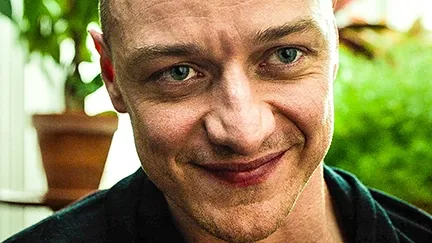
1. Dissociative Identity Disorder (DID)
Dissociative Identity Disorder stands as the core theme of "Split." The film raises awareness about this psychological condition, shedding light on its intricate manifestations. As the narrative unravels, we witness the myriad of identities residing within Kevin's mind, each representing a unique coping mechanism developed in response to severe childhood trauma. "Split" showcases the mind's extraordinary capacity for adaptation, creating a world where different personas coexist, interact, and sometimes clash, driving the plot forward.
Through Kevin's struggle to manage his internal chaos, the film fosters a dialogue on the consequences of suppressed trauma and the urgent need for empathetic understanding in treating individuals with DID.
Moreover, the portrayal of Kevin's therapist, Dr. Karen Fletcher, provides insight into the complexities of DID and the ethical dilemmas faced by mental health professionals when dealing with such cases. This aspect of the film invites viewers to consider the challenges of diagnosis, treatment, and ethical considerations surrounding mental health care.
2. Trauma and Abuse
The lasting effects of trauma and abuse form a poignant and distressing subtext in "Split." Kevin's fragmented personalities are a direct result of the horrific abuse he endured during his formative years. The film humanizes Kevin, showcasing the tragic consequences of his experiences and offering a glimpse into the shattered psyche of an abuse survivor.In parallel, the experiences of the three young women held captive by Kevin shed light on the resilience of the human spirit in the face of unimaginable horror. The film serves as a powerful reminder that even amidst the darkest of circumstances, the will to survive and the strength to endure can prevail.
3. Identity and Self
The theme of identity lies at the heart of "Split." Through Kevin's 23 distinct personalities, the film challenges conventional notions of selfhood and explores the complexity of individual identity. Each personality embodies a different facet of Kevin's past, emotions, and experiences, raising questions about the nature of self and how external factors can shape one's identity.Furthermore, the captives' attempt to assert their identities in the face of captivity illustrates the innate desire for autonomy and control over one's life, even in the most dire situations. The exploration of identity in "Split" invites viewers to contemplate the malleability of the self and how one's past can haunt and influence their present sense of self.
4. Power and Control
The theme of power and control is intricately woven into "Split," manifesting in both the internal power struggle within Kevin's mind and the external power dynamics between captor and captive. Dennis, one of Kevin's personalities, seeks dominance over the others, exemplifying the battle for control within his fractured psyche. The film exposes the consequences of power abuse and manipulation, prompting us to reflect on the dangers of unchecked authority, even within oneself.On a larger scale, "Split" portrays the vulnerability of the captives as they strive to reclaim control over their lives. The captives' resilience and resourcefulness highlight the human capacity to resist oppression and fight for survival.
5. Survival and Resilience
Survival and resilience emerge as powerful themes throughout the film. As the three young women are held captive, their determination to survive is put to the ultimate test. The film presents survival as an instinctual response, fueled by the desire to escape a life-threatening situation. Moreover, "Split" suggests that resilience is not confined to physical strength but extends to the mind's ability to adapt and cope with trauma.In juxtaposing Kevin's internal struggles with the captives' external ordeal, the film emphasizes the universality of the human spirit's resilience. This theme prompts viewers to reflect on their own inner strength and ability to endure hardships.
6. Perception and Reality
"Split" masterfully plays with the audience's perception and challenges our judgments about the characters and their motivations. Throughout the film, Shyamalan skillfully plants subtle clues, leading to unexpected twists and revelations that blur the line between perception and reality. This theme serves as a reminder that the human mind's interpretations can be colored by bias, preconceptions, and limited information.In addition, the portrayal of mental illness in "Split" raises questions about the reliability of the characters' perceptions and the broader societal stigmas surrounding mental health. By blending perception and reality, the film underscores the complexities of human judgment and encourages viewers to question their own assumptions about others.
Conclusion to the themes of Split
"Split" is a multifaceted masterpiece that delves into the depths of the human mind and psyche. Through its exploration of Dissociative Identity Disorder, trauma, identity, power dynamics, survival, and the intricacies of perception, the film presents an engrossing narrative that leaves audiences contemplating the complexities of the human experience.
"Split" not only entertains with its suspenseful plot but also serves as a powerful catalyst for discussion and introspection on the themes it brings to the fore.
... and it has that classic M. Night Shyamalan twist ending.
M. Night Shyamalan's "Split" is a gripping psychological thriller that delves into a myriad of themes, each contributing to t...
Read Article →
From Dennis to The Beast: Unveiling the Unique Traits of Kevin Crumb's Personalities in 'Glass'
In the movie sequel to Split, "Glass," James McAvoy's portrayal of Kevin Crumb and his multiple distinct personalities offers a compelling exploration of dissociative identity disorder (DID). Through McAvoy's exceptional performance, each personality within Kevin's mind comes to life with its own set of traits, characteristics, and behaviors. This intricate depiction adds depth and complexity to the character, showcasing the vast range of identities residing within him.
He was robbed of an Oscar nomination as far as we are concerned!
The influence of these personalities on the plot is far-reaching, driving the story forward through their interactions, conflicts, and contributions to the central themes of identity, control, and the nature of power.

James McAvoy's remarkable performance and the diverse array of personalities portrayed by Kevin Crumb in "Glass" provide an immersive and thought-provoking examination of dissociative identity disorder. The film not only showcases the individual traits and behaviors of each personality but also explores the interplay and conflicts among them.
Here's a list of the personalities displayed by Kevin Crumb in "Glass," along with additional descriptions of their traits and their influence on the plot:
1. Dennis: As one of the dominant personalities, Dennis is meticulous, controlling, and strict. His obsessive nature drives him to enforce order and discipline among the other personalities. Dennis plays a crucial role in orchestrating the kidnapping of young girls, which serves as a central plot point in the film.
2. Patricia: Patricia presents herself as a sophisticated and elegant woman with a distinct British accent. She is calm, assertive, and deeply devoted to serving "The Beast." Patricia's belief in the existence of The Beast and her manipulation of the other personalities contribute to the escalating tension and the development of the film's central conflict.
3. Hedwig: A a nine-year-old boy who exhibits mischievous and playful behavior. He adds an element of unpredictability to the narrative with his childlike innocence and his tendency to switch loyalties among the personalities. Hedwig's interactions with the other characters, particularly with Casey Cooke, a central character from the film "Split," provide both comedic relief and moments of emotional connection.
4. The Beast is a fearsome and superhuman alter ego that Kevin believes he can transform into. Possessing enhanced strength, agility, and the ability to crawl on walls, The Beast represents Kevin's belief in his supernatural capabilities. The emergence of The Beast becomes a driving force in the plot, leading to intense confrontations and a climax centered around his abilities and motivations.
5.Barry serves as a stabilizing force among the personalities. As a fashion designer, he showcases artistic abilities and strives to maintain order and stability within Kevin's mind. Barry's attempts to keep the other personalities in check become essential in unraveling the mysteries surrounding Kevin's condition and his connection to other characters in the film.
6. Orwell is characterized by his love for photography and his observant nature. He provides a unique perspective on the events unfolding around Kevin, often capturing key moments in photographs. Orwell's presence contributes to the exploration of identity and perception, as he observes and documents the actions and interactions of the other personalities.
7. Jade: An expressive and attention-seeking personality with a flair for fashion. Her flamboyant style and vibrant presence add color to the narrative. Jade's extroverted nature brings a liveliness to the story and influences the dynamics between the personalities, providing moments of levity amidst the tension.
8. Heinrich is a personality who believes he is an expert in history and warfare. His intense and serious demeanor contributes to the film's thematic exploration of power and control. Heinrich's conviction in his knowledge and abilities influences Kevin's actions, leading to strategic planning and calculated moves that shape the unfolding events.
9. Norma serves as a nurturing and compassionate personality, taking on a motherly role among the other personalities. Her empathy and care for others, including Kevin, provide moments of emotional connection and serve as a contrast to the more dominant and aggressive personalities. Norma's presence humanizes Kevin and adds depth to his character.
10. Mary Reynolds represents Kevin's devoutly religious side. She seeks solace and guidance through prayer and expresses faith in a higher power. Her presence reflects the internal conflicts Kevin experiences due to his condition and highlights the themes of faith, belief, and redemption throughout the film.
11. Bernice's love for fashion and expressive style contribute to the aesthetic and visual storytelling of the film. Her presence adds a layer of creativity and individuality to the overall narrative, shaping Kevin's outward appearance and influencing the perception of his character by others.
12. Rakel's caring nature and Scandinavian accent provide a comforting presence among the personalities. She takes on a motherly role, offering support and protection to the others. Rakel's nurturing influence on Kevin adds depth to his character development and showcases the struggle between vulnerability and strength within him.
13. Polly is a personality with a passion for cooking and baking. She often discusses her culinary creations and brings a sense of domesticity to Kevin's mind. Polly's presence adds a touch of warmth and familiarity, humanizing Kevin and showcasing his capacity for simple pleasures amidst the turmoil.
14. Samuel is a serious and business-like personality, often seen dressed in a suit. His presence reflects a more professional and goal-oriented side of Kevin. Samuel's influence on the plot lies in his ability to maintain order and provide a structured approach to the challenges Kevin faces, presenting a contrast to the more chaotic personalities.
Each of these personalities in "Glass" plays a significant role in shaping the narrative and influencing the plot. They contribute to the exploration of Kevin Crumb's psyche, the complexities of dissociative identity disorder, and the interplay between different aspects of his character. Additionally, their distinct traits, interactions, and conflicts create dynamic relationships within Kevin's mind, driving the suspense and psychological tension throughout the film.
In the movie sequel to Split, "Glass," James McAvoy's portrayal of Kevin Crumb and his multiple distinct personalities offers...
Read Article →
The role of the color Red in M. Night Shyamalan's 'The Sixth Sense'
Through a meticulous analysis of the film's captivating use of red, a profound exploration of its psychological impact on the audience and its profound thematic implications emerges, ultimately solidifying its status as an essential element in the overall cinematic experience of "The Sixth Sense."
The color red in "The Sixth Sense" acts as a potent visual tool to signify the presence of the supernatural and the world of ghosts.
You could say it's RED RUM.

Shyamalan's careful placement of red objects or elements throughout the film serves as a method of foreshadowing and subtly hinting at the film's central twist.
Beyond its association with the supernatural, the color red in "The Sixth Sense" is also utilized to convey the emotional and psychological states of the characters. Red is commonly associated with strong emotions, particularly intense feelings like anger, fear, and passion.
Shyamalan employs red as a metaphor for trauma and the lingering presence of past events. The color symbolizes the unresolved issues that haunt the characters and shape their lives. In Malcolm's case, his inability to move on from his past failures is represented by the recurring presence of red objects and imagery in his memories and surroundings, such as his wife Anna Crow always wearing some form of red clothing.

In conclusion, M. Night Shyamalan's use of the color red in "The Sixth Sense" is a masterful visual technique that enhances the film's storytelling. The color serves multiple functions, including indicating the presence of the supernatural, foreshadowing key plot points, symbolizing emotional states, and highlighting moments of revelation and transformation.
In M. Night Shyamalan's psychological thriller " The Sixth Sense, " the strategic use of the color red emerges as a pivotal vi...
Read Article →
Exploring the Use of Color by Director M. Night Shyamalan in 'Glass'
M. Night Shyamalan, known for his distinctive filmmaking style and storytelling techniques, has often employed visual elements to enhance the narrative and create a unique cinematic experience (refer his use of red in The Sixth Sense and Unbreakable).
In his film 'Glass,' the third installment of the Eastrail 177 Trilogy, Shyamalan masterfully uses color to convey emotions, symbolism, and character development. This discussion aims to delve into the effective use of color in 'Glass' and its impact on the overall cinematic experience.

Here's a quick discussion of the use of color in Glass
Color symbolism and thematic representation:
Shyamalan employs a deliberate and strategic use of color to symbolize different themes and motifs within 'Glass.' One such example is the use of primary colors to represent the three main hero characters: David Dunn (played by Bruce Willis) is associated with the color green, Mr. Glass (Samuel L. Jackson) with purple, and Kevin Wendell Crumb (James McAvoy) (first seen in Split) with yellow.These color associations reflect their individual traits, motivations, and psychological states, creating a visual language that enhances the storytelling.
Emotional resonance and atmosphere:
Color plays a crucial role in establishing the emotional resonance and atmosphere in 'Glass.' Shyamalan skillfully manipulates color palettes to evoke specific emotions and enhance the viewer's engagement with the film. For instance, scenes with David Dunn often feature cooler and more subdued tones of green, creating a sense of calmness, stability, and hope.
In contrast, Mr. Glass' scenes are bathed in darker shades of purple, reflecting his enigmatic and manipulative nature. The use of warmer tones of yellow during Kevin's scenes captures his fragmented and unstable psyche.
Visual juxtaposition and contrast:
Shyamalan employs color as a tool to create visual juxtaposition and contrast, heightening the narrative tension and emphasizing character dynamics. By contrasting the primary colors associated with the main characters, Shyamalan highlights the clash between their ideologies and worldviews.
The clashes between green and purple, green and yellow, and purple and yellow not only add visual interest but also intensify the conflicts and power dynamics between the characters.
Shifts in color palette as narrative devices:
In 'Glass,' Shyamalan utilizes shifts in color palette to signify crucial narrative developments and shifts in character arcs. As the film progresses, the color palettes associated with each character undergo changes, reflecting their growth, transformations, or unraveling. These shifts in color can provide subtle clues to the viewer about the characters' evolving psychological states and their respective journeys within the story.

Take for example the scene where Dr. Ellie Staple brings the three characters together to try to convince them they are not super heroes.
Note that the main colour around the characters is a blend of purple/pink. Pink is a color often used for a calming effect, which is a great thing for psychotic inmates at the asylum.
However...
While the good doctor is seemingly in control of the three (they are her prisoners in effect), the purple hue is a foreshadowing that Mr Glass is actually in control - the final reveal of his plan to educate the world on the truth of The Horde and David Dunn as being extra-human shows he outlasted, outwitted and outplayed Staple and he was actually in control the entire time.
Symbolic motifs and hidden meanings:
Beyond the explicit use of color to represent characters, Shyamalan incorporates symbolic motifs and hidden meanings through color choices in 'Glass.' These motifs can be seen in recurring objects, set designs, or costume choices that align with specific color schemes, contributing to a deeper understanding of the characters and their relationships.
Exploring these hidden meanings adds a layer of intrigue and invites viewers to analyze the film on a more profound level.
From father to son
In the climactic moments of 'Glass,' director M. Night Shyamalan further extends his thematic use of color by dressing Casey Cooke, Joseph Dunn, and Mrs. Price in colors that align with their respective connections to Kevin, Elijah, and David.

This deliberate choice not only strengthens the visual impact of the scene but also underscores the characters' emotional journeys and symbolic connections.
Casey, who has developed a profound understanding and empathy towards Kevin, wears yellow, mirroring Kevin's association with the color yellow throughout the film.
Joseph, David's son, dons a green shirt and pants, symbolizing his unwavering support and loyalty to his father's mission.
Mrs. Price, Elijah's mother, is adorned in shades of purple, reflecting her strong familial ties and her unwavering belief in her son's abilities.
These color choices subtly highlight the characters' connections to their respective counterparts, emphasizing the intertwined destinies and thematic unity that exist between them. It serves as a powerful visual reminder of their interwoven fates and the impact they have on each other's lives.
M. Night Shyamalan, known for his distinctive filmmaking style and storytelling techniques , has often employed visual elements to enhance ...
Read Article →
Unbreakable: A Deconstruction of Superhero Mythology and its Comic Book Influences
Unbreakable, directed by M. Night Shyamalan, is a film that transcends the traditional superhero genre, offering a deeply introspective exploration of identity, purpose, and the dichotomy of good and evil. With a deliberate nod to comic book tropes and a nuanced deconstruction of superhero mythology, Unbreakable emerges as a thought-provoking work that challenges conventional expectations.
Deconstructing Superhero Archetypes:
Unbreakable deviates from the typical superhero narrative by deconstructing and subverting established archetypes. David Dunn, portrayed by Bruce Willis, embodies the reluctant hero archetype, an ordinary man who discovers his extraordinary abilities. This departure from the conventional "chosen one" narrative highlights the film's exploration of human potential and the belief that heroism can exist within anyone, even the most unassuming individuals.

The film also challenges the notion of a clear-cut hero-villain dichotomy. Instead, it explores the blurred lines between good and evil, emphasizing the complex nature of morality. Elijah Price, played by Samuel L. Jackson, serves as a foil to David Dunn. While Elijah is driven by a desire to find his counterpart, his actions blur the line between hero and villain, showcasing the flaws and contradictions inherent in both identities.
Existential Themes and Personal Identity:
Unbreakable delves into profound existential themes, particularly the search for purpose and personal identity. David Dunn's journey of self-discovery mirrors the introspective nature of many comic book characters who grapple with their dual identities. Through his gradual acceptance of his abilities, the film explores the human need for meaning and the struggle to reconcile one's true self with societal expectations.
Additionally, Unbreakable contemplates the role of destiny and fate in shaping our lives. Elijah Price believes in the existence of superheroes and supervillains, considering them reflections of deeper truths in the world. This exploration of destiny within the context of comic book mythology prompts viewers to reflect on their own paths and purpose, questioning whether individuals are predestined for heroic or villainous roles.
Comic Book Influences and Visual Storytelling:
Unbreakable pays homage to comic book storytelling through its visual style and thematic motifs. The deliberate use of color is one of the film's most striking elements, drawing inspiration from the vivid palette often seen in comic books. The contrasting colors of green and purple, representing David and Elijah respectively, evoke the visual language of superhero comics while symbolizing growth and mystery.
Furthermore, Unbreakable employs visual composition to echo comic book paneling. M. Night Shyamalan frames certain scenes in a way that resembles comic book pages, emphasizing the film's connection to the source material. This stylistic choice reinforces the film's exploration of comic book themes and creates a distinct visual language that resonates with fans of the genre.
Unbreakable stands as a seminal work within the superhero genre, adeptly deconstructing and subverting traditional tropes while drawing inspiration from comic book storytelling. Through its exploration of identity, morality, and purpose, the film offers a profound and introspective examination of the human condition.
By challenging the dichotomy of hero and villain, Unbreakable invites viewers to reflect on the complexities of morality and the potential for heroism within us all. Its visual storytelling techniques further cement its connection to the comic book medium, making it a truly unique and insightful contribution to the genre.
Unbreakable, directed by M. Night Shyamalan , is a film that transcends the traditional superhero genre, offering a deeply introspective exp...
Read Article →
The use of colors Unbreakable - Shayamalan's genius at play
In Unbreakable, the use of colors, particularly green and purple, is a significant visual element that adds depth and symbolism to the film. M. Night Shyamalan employs a deliberate color palette to evoke specific emotions, enhance storytelling, and provide subtle visual cues to the audience.
Green, often associated with growth, renewal, and vitality, plays a prominent role in Unbreakable. It appears in various scenes, most notably through the color of David Dunn's security guard uniform, the interior of his home, and the hospital where he undergoes tests. Green represents David's potential and his journey towards self-discovery. As he begins to realize his superhuman abilities, the presence of green signifies his growth and transformation into a "hero."
Moreover, the use of green serves as a visual contrast to the muted tones and darker shades prevalent throughout the film. It stands out, highlighting David's unique qualities and setting him apart from the ordinary world. The color green also symbolizes hope, suggesting that David's abilities might be a source of inspiration and positivity.
On the other hand, purple, often associated with mystery, spirituality, and power, is predominantly associated with Elijah Price, a character portrayed by Samuel L. Jackson. Elijah, who suffers from a rare bone disorder, is an avid comic book art gallery owner and possesses a profound understanding of comic book mythology. Purple is often seen in his attire, his personal spaces, and the artwork displayed in his gallery.

The color purple represents Elijah's enigmatic nature and his belief in extraordinary individuals existing in the world. It signifies his connection to the world of comics, which he sees as a reflection of reality. Purple also symbolizes the balance to David's green, representing Elijah's potential as a counterpart or foil to David's heroism. It suggests the duality of good and evil, as Elijah's motivations and actions blur the line between hero and villain.
In addition to their individual associations, the interplay of green and purple in certain scenes serves to visually contrast David and Elijah. When they share the frame, the colors emphasize their differing perspectives and roles in the narrative. This visual contrast further enhances the exploration of heroism and villainy within the film.
Overall, the use of green and purple in Unbreakable adds depth and symbolism to the storytelling. The presence of green highlights David's transformation and potential, while purple represents the mystery and duality of Elijah's character. These colors, carefully chosen and strategically placed throughout the film, contribute to the overall visual language and thematic exploration of identity, heroism, and the blurred lines between good and evil.
In Unbreakable , the use of colors, particularly green and purple, is a significant visual element that adds depth and symbolism to the fil...
Read Article →
The complex plot of Southland Tales explained
"Southland Tales" is a complex and surreal science fiction film directed by Richard Kelly. The plot is set in a dystopian near-future Los Angeles, where the United States is on the brink of a social, political, and environmental collapse.
The story revolves around several interconnected characters and subplots, and understanding the main plot requires delving and analysing the various threads that converge as the film progresses:
1. Boxer Santaros / Jericho Cane: Boxer Santaros (Dwayne "The Rock" Johnson) is a popular actor suffering from amnesia. He has recently written a screenplay called "The Power," which contains prophetic elements about the future. Boxer becomes entangled with various groups, including neo-Marxist rebels and a secretive government agency. He serves as messianic character.
2. Krysta Now / Krysta Kapowski: Krysta Now (Sarah Michelle Gellar) is an adult film star and entrepreneur who has her own reality television show. She becomes involved with Boxer and starts to manipulate him to further her own ambitions. Krysta predicts a future in which the world is devastated by nuclear attacks.
3. Roland Taverner / Ronald Taverner: Roland Taverner (Seann William Scott) is a twin brother of Ronald Taverner, a police officer involved in a scandalous incident. Ronald goes missing, and Roland is mistaken for him, leading to his involvement with a group of conspiracy theorists and a mysterious scientist named Baron von Westphalen.
4. Baron von Westphalen / Dr. Inga von Westphalen: Baron von Westphalen (Wallace Shawn) is a physicist working on a project involving the manipulation of the fourth dimension and time travel. He has developed a device called Fluid Karma, which can harness energy from the ocean and potentially alter reality. His estranged daughter, Dr. Inga von Westphalen (Nora Dunn), warns him of the dangers of his experiment.
5. The Neo-Marxist rebels: A group of radical revolutionaries, led by Nana Mae Frost (Miranda Richardson), is planning to overthrow the government. They believe that the government is responsible for the imminent nuclear disaster and seek to expose its corruption.

Analysis of Southland Tales plot
As the film progresses, the threads intertwine, revealing a web of conspiracy, manipulation, and power struggles. Boxer's screenplay becomes a central element, with various characters attempting to obtain it. The screenplay's content predicts a series of events, including the end of the world and the emergence of a savior-like figure named "Jericho."
The government, represented by characters like Vaughn Smallhouse (John Larroquette) and Senator Bobby Frost (Holmes Osborne), is engaged in secretive operations, attempting to control the situation and maintain their power. They use surveillance and manipulation to suppress dissent and maintain control over the populace.
Ultimately, the film culminates in a chaotic and apocalyptic event known as "The Fourth of July," where multiple storylines converge. The boundaries between reality and fiction blur as characters confront their destinies, and the fate of humanity hangs in the balance.
"Southland Tales" is known for its complex narrative structure, political commentary, and exploration of themes such as identity, power, and the consequences of technology. It challenges the audience to interpret and make sense of the intricate web of characters and events, leaving room for different interpretations and discussions.
During "The Fourth of July" event, a rift in the space-time continuum occurs due to the experimental technology and the manipulation of Fluid Karma. This rift creates a surreal and chaotic convergence of different timelines and dimensions. Characters from different storylines find themselves crossing paths, leading to further confusion and revelations.

Boxer, now fully aware of his true identity and role in the unfolding events, becomes the messianic figure known as Jericho. He embraces his destiny and attempts to navigate the complex web of conspiracies, ultimately striving to save humanity from its impending doom.
Meanwhile, Roland Taverner discovers the truth about his twin brother Ronald's involvement in a government conspiracy. He teams up with Dr. Inga von Westphalen and the conspiracy theorists to expose the government's sinister plans.
The Neo-Marxist rebels launch a full-scale assault on the government, intending to disrupt their operations and reveal the truth to the public. Nana Mae Frost, the leader of the rebels, believes that this uprising will bring about the necessary change and overthrow the corrupt regime.
As the narrative reaches its climax, the boundaries between reality and fiction become increasingly blurred. The characters find themselves confronting their own choices, regrets, and desires in a world on the brink of collapse.
In the final moments of the film, a nuclear disaster is narrowly averted through the sacrifice of certain characters, and a newfound hope for humanity emerges. The film concludes with a sense of ambiguity, as it remains uncertain whether the characters have succeeded in altering the course of history or if they are trapped in an eternal loop of chaos and destruction.
"Southland Tales" is a thought-provoking and intricate film that challenges conventional storytelling and tackles themes of power, technology, and the consequences of societal decay. It encourages viewers to question authority, consider the impact of their actions, and reflect on the potential dangers of a dystopian future driven by greed and manipulation.
Now, then try on the complexities of Donnie Darko's plot or The Box.
"Southland Tales" is a complex and surreal science fiction film directed by Richard Kelly . The plot is set in a dystopian near-f...
Read Article →
Review: Southland Tales - An Ambitious but Flawed Endeavor
Richard Kelly's "Southland Tales" is an audacious and ambitious film that attempts to delve into complex themes while blending various genres. With its sprawling narrative, satirical commentary, and a star-studded cast, the film aimed to be a thought-provoking and distinctive cinematic experience. However, despite its grand vision and evident passion, "Southland Tales" ultimately falls short, suffering from convoluted storytelling, uneven pacing, and an overwhelming sense of self-indulgence.
One of the most significant shortcomings of "Southland Tales" is its convoluted narrative. The film presents a dystopian vision of a near-future Los Angeles, intertwining multiple storylines and characters.
While this intricate approach can be intriguing, it often becomes overwhelming and confusing. The film struggles to establish clear connections between its various plotlines, leaving viewers disoriented and detached from the story. Kelly's ambitious attempt to blend science fiction, political satire, and social commentary is admirable, but the execution leaves much to be desired.

Despite the star-studded ensemble cast (Justin Timberlake as Private Abiline), The Rock, Sarah Michelle Geller, Seann William Scott "Southland Tales" fails to develop its characters in a meaningful way. Many of the characters lack depth and remain underdeveloped throughout the film. The audience is presented with a series of caricatures rather than fully realized individuals, making it difficult to connect or empathize with them. The performances, while occasionally entertaining, cannot compensate for the lack of substantial character arcs or emotional resonance.
Clocking in at over two and a half hours, "Southland Tales" suffers from pacing issues that hinder the overall viewing experience. The film's slow and meandering pace contributes to a sense of tedium, making it challenging to maintain engagement. Kelly's ambition to explore intricate details and social commentary ultimately results in unnecessary scenes that could have been trimmed or eliminated. A tighter edit would have benefitted the film, allowing the story to flow more smoothly and maintaining audience interest. The Cannes Edit is considered better than the theatrical release.
One of the film's redeeming qualities is its biting satire and social commentary. Kelly uses "Southland Tales" as a platform to criticize celebrity culture, media manipulation, and political corruption. The film presents a scathing portrayal of a society on the brink of collapse, capturing the anxieties and absurdities of the post-9/11 era. However, the satirical elements often feel heavy-handed and lacking subtlety, diminishing their impact. The film's desire to address numerous societal issues simultaneously can feel disjointed and unfocused, diluting the potency of its underlying messages.
Visually, "Southland Tales" showcases Kelly's creative vision. The film boasts a stylized aesthetic, blending elements of science fiction and film noir. The cinematography and production design contribute to a distinctive and atmospheric portrayal of the dystopian world. The soundtrack, featuring a mix of original compositions and popular songs, adds depth and enhances certain scenes. The technical aspects of the film are commendable and serve as some of its strongest aspects.
One of the most iconic and memorable moments in "Southland Tales" is the "I've got soul but I'm not a soldier" scene. This sequence showcases a powerful and surreal performance by Justin Timberlake's character, Private Pilot Abilene. Set against the backdrop of chaos and impending doom, Timberlake delivers a mesmerizing and haunting rendition of The Killers' song "All These Things That I've Done." The scene's surreal visuals, including a slow-motion shootout. sexy dancing girls and a trippy kaleidoscope effect, enhance the emotional impact and create a juxtaposition between the brutality of the world and the transcendence of music.

This scene serves as a poignant reminder of the power of art and its ability to momentarily transcend the grim realities of the dystopian world depicted in the film. Timberlake's intense performance and the striking visuals make this moment an indelible highlight that lingers in the minds of viewers long after the credits roll.
Richard Kelly's "Southland Tales" is an ambitious film that tackles weighty themes and showcases a bold creative vision. However, its convoluted storytelling, lack of character development, and pacing issues hinder its overall impact. While the film exhibits moments of brilliance, it ultimately falls short of its lofty aspirations. "Southland Tales" serves as a cautionary example of a filmmaker's ambitious vision overwhelming the execution, resulting in a disjointed and unsatisfying cinematic experience.
Richard Kelly would go into direct The Box, the last thing he wrote or directed in Hollwood. At the time of this post, it's been 14 years since Hollywood has heard from him. He is active on Twitter.
Here's 10 bits of trivia about Southland Tales
1. "Southland Tales" marked Richard Kelly's follow-up to his cult hit film "Donnie Darko," which gained a significant cult following and propelled him into the spotlight as a promising filmmaker.
2. The film's original cut premiered at the Cannes Film Festival in 2006 to a highly polarized reception. The mixed reviews led to significant edits and changes before its theatrical release, resulting in a revised version of the film.
3. "Southland Tales" features an ensemble cast of notable actors, including Dwayne Johnson, Sarah Michelle Gellar, Seann William Scott, Justin Timberlake, and Mandy Moore, among others. This star-studded cast brought considerable attention and anticipation to the project.
4. The film was initially conceived as a sprawling multimedia project, with prequel graphic novels and a planned TV series. However, due to the film's commercial failure, these additional components were never fully realized.
5. The screenplay for "Southland Tales" was written by Richard Kelly during the post-9/11 era, reflecting the anxieties and uncertainties of the time. The film aimed to explore themes of political corruption, surveillance, and the erosion of civil liberties in a dystopian future.
6. The production of "Southland Tales" faced significant budget constraints, resulting in a challenging shoot. Richard Kelly had to make creative compromises and adjustments to bring his ambitious vision to life within the limited resources available.
7. The film's title, "Southland Tales," is a reference to the epic poem "Paradise Lost" by John Milton. The poem explores themes of sin, temptation, and the fall of man, drawing parallels to the narrative and themes of the film.
8. Richard Kelly drew inspiration from various sources and genres while crafting "Southland Tales." Influences can be seen from science fiction literature, film noir, Greek mythology, and even biblical references, creating a rich tapestry of intertextuality.
9. The original version of the film included a much longer and more complex opening sequence that introduced the world and its characters in greater detail. However, due to audience confusion during test screenings, the sequence was drastically shortened, resulting in a more disjointed narrative.
10. The film's soundtrack features a diverse range of music, including songs by artists such as Moby, The Killers, and Radiohead. The soundtrack adds depth to the film's atmosphere and contributes to its blend of dystopian and satirical elements.
Richard Kelly's "Southland Tales" is an audacious and ambitious film that attempts to delve into complex themes while blendin...
Read Article →
The Collaboration between Drew Barrymore and Richard Kelly in "Donnie Darko"
The production and casting process of the cult classic film "Donnie Darko" was filled with challenges and rejections. However, the film found a breakthrough when actress Drew Barrymore agreed to finance its production through her company, Flower Films. This discussion explores the events leading to Barrymore's involvement, including the script's journey, key meetings with influential figures, and the subsequent collaboration that brought "Donnie Darko" to life.
"Donnie Darko" possessed a complex and intricate storyline that made it difficult to pitch to producers without a finished script. Writer-director Richard Kelly understood this challenge and ensured that producers read the script to gauge their interest. However, this unconventional approach impacted the film's chances of being picked up, as the script was considered "the challenging script in town that everybody wanted to make, but was too afraid."

The tide began to turn when agents at the Creative Artists Agency (CAA) took notice of the script and signed Richard Kelly as a client. This led to meetings with notable industry figures such as Francis Ford Coppola, Ben Stiller, William Horberg, and Betty Thomas. Coppola's meeting with Kelly proved pivotal, as he identified a line in the script that encapsulated the film's essence, affirming its potential.
Actor Jason Schwartzman played a significant role in the film's development. After reading the script, he agreed to take on the role of Donnie Darko, which validated Richard Kelly's position as a director. Schwartzman's commitment sparked further interest and helped secure Drew Barrymore's involvement.
Drew Barrymore, along with her business partner Nancy Juvonen, had established Flower Films. Intrigued by the script's uniqueness, Barrymore arranged a meeting with Richard Kelly on the set of "Charlie's Angels." Recognizing the project's potential, Barrymore proposed that Flower Films finance the production of "Donnie Darko." This decision marked a significant turning point, as Barrymore's involvement brought the necessary financial backing, resulting in a budget of $4.5 million.
With the financial backing secured, the pre-production phase gained momentum. However, challenges persisted. Jason Schwartzman withdrew from the project due to scheduling conflicts, prompting Richard Kelly to search for a new lead actor. During this period, several actors auditioned for the role, including Patrick Fugit and Lucas Black.
Jake Gyllenhaal's encounter with the script proved transformative. While auditioning for other roles, he became captivated by "Donnie Darko" and even pulled over on the side of the road to finish reading it. Impressed by Gyllenhaal's passion and dedication, Richard Kelly worked closely with him to refine his dialogue, allowing him creative input in shaping his character, Donnie.
The collaboration extended beyond the lead role. Jake Gyllenhaal suggested his sister Maggie for the role of Elizabeth Darko, adding a familial dynamic to the film. Additionally, Jolene Purdy's audition for Cherita, her first-ever audition, caught Kelly's attention and led to her casting. Drew Barrymore's role extended beyond financing, as she played the character Karen, showcasing her belief in the project's artistic merit.
The production of "Donnie Darko" faced numerous obstacles during its early stages, with Richard Kelly struggling to find support for his challenging script. However, the involvement of Drew Barrymore and her company, Flower Films, provided the necessary financial backing and creative support to bring the film to fruition. Barrymore's recognition of the script's extraordinary nature and her willingness to take a risk on a unique and thought-provoking project showcased her commitment to supporting independent and innovative cinema.
The collaboration between Richard Kelly, Jake Gyllenhaal, and the rest of the cast and crew further solidified the film's artistic vision. Kelly's openness to incorporating Gyllenhaal's ideas and giving him creative freedom allowed the actor to bring depth and authenticity to his portrayal of Donnie Darko. The inclusion of Gyllenhaal's sister, Maggie, in the cast added an intimate connection that enriched the on-screen dynamics.
Additionally, the efforts of Nancy Juvonen, Barrymore's business partner, played a crucial role in securing additional talent for the film. Juvonen's instrumental role in getting actors like Noah Wyle and Patrick Swayze on board further enhanced the film's credibility and appeal.
The journey of "Donnie Darko" from a challenging and rejected script to a fully realized production was a testament to the determination and vision of its key players. Drew Barrymore's involvement not only provided the necessary financial backing but also demonstrated her belief in the script's potential to resonate with audiences.
Ultimately, "Donnie Darko" became a cult classic and an emblematic example of independent filmmaking, thanks to the collective efforts of Richard Kelly, Drew Barrymore, Jake Gyllenhaal, and the entire team involved. Their collaboration and willingness to take risks resulted in a thought-provoking and enduring film that continues to captivate audiences to this day.
The production and casting process of the cult classic film "Donnie Darko" was filled with challenges and rejections. However, th...
Read Article →
Black Mirror: "Hated in the Nation" (2016) Review
Black Mirror, the renowned science fiction anthology series, has garnered a reputation for its thought-provoking and often unsettling portrayals of our relationship with technology. "Hated in the Nation," an episode from the third season, exemplifies the show's ability to captivate audiences with its chilling narrative and exploration of societal consequences.
Directed by James Hawes and written by Charlie Brooker, this techno-thriller delves into the dark side of social media and the dire implications it can have on society.
Rating: ★★★★☆

The episode is set in a near-future where the world is heavily reliant on social media platforms. As the narrative unfolds, the episode cleverly intertwines elements of detective procedural and speculative fiction. The story follows two detectives, Karin Parke (Kelly Macdonald) and Blue Coulson (Faye Marsay), who investigate a series of mysterious deaths linked to an online hashtag game called #DeathTo. As the game gains popularity, users nominate individuals they despise, inadvertently triggering a swarm of robotic bees known as ADIs (Autonomous Drone Insects) to kill the targeted individuals.
One of the standout aspects of "Hated in the Nation" is its ability to build suspense and tension throughout the episode. The pacing is masterfully executed, creating an atmosphere of unease and mystery that keeps viewers on the edge of their seats. As the detectives uncover the truth behind the killings, the plot takes unexpected twists and turns, leading to a climactic conclusion that leaves a lasting impact.
The episode's exploration of the dark side of social media is both timely and thought-provoking. It raises pertinent questions about online anonymity, cyberbullying, and the power of mob mentality. Through its portrayal of the hashtag game, Black Mirror highlights the potential dangers of dehumanization in the digital age, where people can hide behind screens and launch virtual attacks without facing consequences. This cautionary tale serves as a stark reminder of the ethical responsibilities that come with technological advancements.
The performances in "Hated in the Nation" are commendable, particularly Kelly Macdonald and Faye Marsay in their roles as the detectives. Macdonald brings a quiet determination to her character, while Marsay adds a touch of rebelliousness. Their chemistry and contrasting personalities make for an engaging dynamic onscreen, and the depth of their characters adds an emotional weight to the story.
Visually, the episode is stunning, with its sleek cinematography and striking visuals. The scenes featuring the ADIs swarming and attacking their targets are particularly memorable, showcasing the series' knack for creating visually arresting moments that linger in the viewer's mind.
If there's any criticism to be made, it's that "Hated in the Nation" occasionally feels slightly drawn out, with some scenes needing tighter editing. Nonetheless, this minor flaw doesn't detract significantly from the overall experience, as the episode manages to maintain its grip on the audience's attention.
In conclusion, Black Mirror's "Hated in the Nation" is a thought-provoking and gripping techno-thriller that delves into the dark consequences of social media and mob mentality. With its strong performances, intriguing narrative, and pertinent social commentary, this episode stands out as a standout installment in the Black Mirror series. It serves as a stark warning about the potential dangers of our growing dependence on technology and the importance of ethical considerations in a digital age.
Black Mirror, the renowned science fiction anthology series, has garnered a reputation for its thought-provoking and often unsettling portra...
Read Article →
_poster.jpg)


