
24 June 2023

Shyamalan's Signs: Alien 'Demons' Lurking in Plain Sight - Unearthing the Spiritual Extraterrestrial:

M. Night Shyamalan's film "Signs" has captivated audiences with its mysterious and thought-provoking storyline since its release. While many viewers interpret the film as a sci-fi thriller involving extraterrestrial beings, there is an intriguing alternate perspective that considers the aliens as demons.

This perspective adds a profound layer of spiritual depth to the character of Graham Hess, played by Mel Gibson, who is not only a father but also a former priest struggling with his faith. In this article, we delve into the concept that the aliens in "Signs" are, in fact, demons, and explore how the film explores themes of spirituality for Graham Hess.

alien signs film as a demon metaphor

Aliens as Demons: An Alternate Interpretation:

The notion that the aliens in "Signs" are demons stems from the way they exhibit behaviors and characteristics that are often associated with demonic entities. Firstly, the aliens demonstrate an aversion to water, which parallels the biblical belief that demons fear holy water. This connection suggests that water, in the film, represents a force of purity and divine protection against the demonic presence.

Additionally, the aliens possess an uncanny ability to manipulate and terrorize their victims. They prey on their deepest fears and vulnerabilities, mirroring the devil's role in tempting and tormenting individuals, testing their faith and resolve. This manipulation is evident in the scenes where the aliens exploit Morgan's asthma, making him gasp for air, and Graham's wife's dying words that inadvertently become a source of distress for Graham himself. These instances highlight the demons' ability to exploit human weaknesses and sow doubt and fear.

Furthermore, the film subtly hints at the demonic nature of the aliens through various symbols and religious references. If you really want to read into it, the crop circles left by the aliens resemble ancient symbols of occultism and demonology. This symbolism suggests that the aliens are not merely extraterrestrial beings but supernatural entities with malevolent intentions. By intertwining these elements, "Signs" presents a compelling case for viewing the aliens as demons.

Graham Hess: A Spiritual Journey:

Graham Hess, portrayed powerfully by Mel Gibson, serves as the heart of the film, portraying a former priest who has lost his faith due to personal tragedy. The arrival of the aliens coincides with a crisis of faith for Graham, prompting him to confront his inner demons and rediscover his spirituality.

Throughout the film, Graham's encounters with the aliens test his beliefs and force him to reevaluate his worldview. The signs and events he witnesses challenge his understanding of the universe and his place within it. As a former priest, Graham grapples with questions of divine providence, seeking to find meaning and purpose in the midst of chaos and loss.

Symbolism and Allegory:

"Signs" employs symbolism and allegory to emphasize the spiritual themes explored in the film. The aliens' weakness, water, symbolizes the cleansing and purifying nature of faith and spirituality. Water, traditionally associated with baptism, represents renewal and purification in various religious traditions. It serves as a reminder that Graham must confront his inner demons and embrace his faith to overcome the challenges he faces.

Moreover, the film explores the power of forgiveness and redemption. Graham's relationship with his brother, Merrill, played by Joaquin Phoenix (Joker and Folie a Deux), represents a path towards forgiveness and healing. Through their bond and shared experiences, they find the strength to confront their fears and reconcile with their troubled past. This journey mirrors the spiritual quest for redemption and the transformative power of forgiveness.

Conclusion:

While "Signs" is commonly interpreted as a sci-fi film about extraterrestrial beings, exploring the idea that the aliens are actually demons adds a fascinating layer of depth to the narrative. The film provides
a unique perspective on spiritual themes, particularly through the character of Graham Hess. As he grapples with his faith and confronts his inner demons, audiences are reminded of the power of belief, forgiveness, and redemption in the face of adversity.

"Signs" invites us to contemplate the presence of the supernatural in our lives and the significance of faith in finding meaning and purpose. By delving into the notion that the aliens are demons, the film encourages a deeper exploration of spirituality and the strength that can be found in confronting and overcoming our own personal struggles. "Signs" stands as a masterful portrayal of the human journey towards faith, redemption, and the triumph of the human spirit.

Check out Shyamalan's use of color in his films and his smaller but utterly terrifying, The Visit.

Signs: theme of Power of Faith and Human Resilience

M. Night Shyamalan's film "Signs" captivated audiences upon its release, thanks to its talented cast, including Mel Gibson and Joaquin Phoenix. The film revolves around a thought-provoking plot that centers on crop circles and encounters with extraterrestrial beings. 

In this essay, we will delve into the various signs and themes present in the movie, supported by relevant examples. 

By exploring these elements, we aim to gain a deeper understanding of the film's underlying messages and symbolism. "Signs" presents a compelling narrative that intertwines mystery, suspense, and themes that resonate with audiences on a broader scale.

Signs was Shayamalan's third most popular Hollywood film after The Sixth Sense and Unbreakable in a cash sense.

The Power of Signs


The Enigmatic Crop Circles

Crop circles serve as the central signs in the film "Signs," evoking a sense of mystery and intrigue throughout the narrative. These intricate formations etched into crop fields capture the characters' attention and play a crucial role in the film's themes.


Crop circles function as enigmatic signs that intrigue and unsettle the characters. They become a symbol of the inexplicable and the presence of something beyond human understanding. The film explores the idea that these signs are not random occurrences but deliberate messages.


The crop circles in "Signs" contribute to a prevailing atmosphere of foreboding. They create an air of tension and uncertainty, suggesting an imminent threat. By their very nature, these signs represent an intrusion into the ordinary world, challenging the characters' perception of reality and safety.

Two pivotal scenes involving crop circles demonstrate their impact on the characters and the story's progression. First, the discovery of the crop circle on the farm instills a sense of fear and wonder in Graham (played by Mel Gibson) and his family. The intricate patterns etched into their crops disrupt their daily lives, leading them to question the intentions behind these signs.

Secondly, the TV news broadcasts highlighting the widespread appearance of crop circles intensify the film's suspense. These reports reveal that the phenomenon extends far beyond the confines of Graham's farm, heightening the scope and urgency of the mystery. The images of crop circles on screens across the nation reinforce the idea that the signs are not isolated occurrences, but part of a larger, global narrative.

Through these scenes, the film emphasizes the impact of crop circles as signs that disrupt the characters' lives, challenge their beliefs, and foreshadow a greater unknown. The consistent presence of these symbols fuels the tension and curiosity, drawing the audience deeper into the unfolding mystery.

The Symbolic Use of Water

Water serves as a powerful symbolic sign throughout the film "Signs," carrying multiple meanings and contributing to the overall thematic depth of the story.

Water appears consistently in the film, functioning as a recurring symbol that holds significance in various contexts. Its presence highlights the filmmakers' deliberate use of this element to convey deeper themes and emotions.

Water embodies several symbolic meanings in "Signs," including life, purification, and vulnerability. It represents the essence of existence and sustenance, emphasizing the preciousness of life. Additionally, water is often associated with cleansing and renewal, suggesting the potential for spiritual and emotional purification.


Furthermore, water conveys vulnerability. Just as water can be a source of life, it can also be a destructive force. This duality reflects the characters' vulnerability in the face of the unknown and their struggle to protect what is dear to them.


The film presents specific scenes where water plays a crucial role in advancing the story and reinforcing its symbolic significance. One notable example is the presence of glasses of water left around the house. Graham's daughter, Bo, displays a peculiar habit of placing glasses of water in various locations, seemingly driven by an instinctive awareness of the impending danger. This act becomes a visual representation of her vulnerability and her intuitive connection to the signs surrounding them.


Another significant scene involving water is the alien's aversion to it. As the film reveals, water acts as a repellent to the extraterrestrial creatures. This aversion underscores water's symbolic power and suggests that it holds a defense mechanism against the threat posed by the aliens. This aspect not only adds tension and suspense but also highlights the protective qualities water embodies.

Is the water perhaps Holy Water and it acts on the aliens is if they were demons? Read on...

Themes Explored in "Signs"


Faith and Belief Systems

The theme of faith plays a significant role in the lives of the characters in "Signs," exploring their beliefs, doubts, and the impact of faith in times of crisis.

Faith is a central theme that explores the characters' belief systems and how they navigate through the challenges presented in the film. It examines the power of faith to provide comfort, guidance, and hope in the face of adversity.


"Signs" presents a range of belief systems, each with its own perspective on the signs and their significance. Graham, a former reverend played by Mel Gibson, experiences a crisis of faith following the tragic death of his wife. His struggle reflects the tension between belief and doubt and the impact such struggles can have on an individual's faith.

family theme signs shayamalan

Merrill, Graham's brother portrayed by Joaquin Phoenix, initially embodies skepticism and a lack of faith. However, as the signs become more pronounced and the threat more imminent, Merrill's perspective shifts, and he begins to recognize the existence of something beyond his previous understanding.

The film portrays several scenes that highlight the characters' struggles with faith and their evolving beliefs. Graham's sermons, delivered at the beginning of the film, show his firm conviction and the faith he once held. However, following the tragic loss of his wife and the encroaching signs, Graham's crisis of faith emerges. This inner conflict is depicted through his questioning, introspection, and eventual search for meaning amidst the chaos.

Similarly, Merrill's initial skepticism presents a contrast to Graham's previously unshakable faith. However, as the signs become increasingly undeniable, Merrill's disbelief is challenged, leading him to question his own convictions and embrace the possibility of something greater.

These scenes serve to illustrate the complexities of faith, the struggles individuals face when confronted with adversity, and the potential for transformation and growth. The theme of faith in "Signs" prompts viewers to consider the nature of belief systems, the power they hold in shaping one's perspective, and the resilience of faith even in the most challenging circumstances.

swing away merril
Swing away Merril

Themes Explored in "Signs"

The theme of family dynamics and redemption is a prominent aspect of "Signs," delving into the complexities of familial relationships and the potential for growth and redemption within them.

"Signs" offers a nuanced portrayal of family dynamics, highlighting the bonds, conflicts, and the transformative power of familial relationships. The film emphasizes the importance of unity, support, and the strength derived from familial connections.

The characters in "Signs" undergo personal growth and redemption arcs as they navigate the challenges presented by the signs and the imminent threat. Graham, in particular, experiences a profound transformation from a grieving, faith-stricken man to a protective and resilient father. His journey toward redemption involves confronting his doubts, rediscovering his role as a father, and finding purpose in protecting his family.

Similarly, Merrill's character undergoes development as he transitions from a skeptical and aimless individual to someone who recognizes the need for action, responsibility, and protecting his loved ones. The film showcases the potential for personal growth and redemption within the context of family relationships.

"Signs" presents specific scenes that capture the evolving relationships within the family, emphasizing emotional connections and growth. One notable example is the series of heartfelt conversations between Graham and his children. These dialogues explore themes of loss, grief, and the need for understanding and support.

In one scene, Graham engages in a deeply emotional conversation with his son, Morgan, discussing the concept of faith and the importance of finding the strength to move forward. This interaction highlights the evolving bond between father and son and serves as a signpost for Graham's journey toward redemption.

Additionally, the film portrays moments of unity and collaboration within the family as they confront the alien threat together. These scenes highlight the resilience of familial bonds and the transformative power of shared experiences.

By focusing on family dynamics and redemption, "Signs" underscores the importance of love, support, and personal growth within the context of familial relationships. It offers a compelling exploration of the ways in which individuals can find redemption, purpose, and strength through their connection with their loved ones.

Narrative Techniques and Symbolic Visuals


M. Night Shyamalan demonstrates his skillful deployment of suspense and tension throughout "Signs," creating a captivating cinematic experience that keeps the audience engaged and on the edge of their seats.

Shyamalan masterfully builds suspense by strategically withholding information and gradually revealing key plot elements. He utilizes techniques such as lingering shots, unsettling music, and deliberate pacing to create an atmosphere of unease and anticipation. By carefully controlling the flow of information, Shyamalan keeps the audience guessing, heightening the overall suspense of the film.

The tension generated in "Signs" enhances the audience's engagement with the story. As the characters confront the signs and face the unknown, the mounting tension creates an emotional investment and a sense of urgency within the viewers. The uncertainty surrounding the aliens' intentions and the characters' fates keeps the audience immersed in the narrative, eagerly awaiting each new development.

Several scenes in the film effectively heighten suspense and tension, leaving a lasting impact on the audience. The basement scene, where the characters take refuge, serves as a prime example. The dimly lit environment, the echoing sounds, and the characters' heightened senses intensify the tension, as they fearfully anticipate the impending danger lurking outside.

Another notable scene is the alien's appearance at the birthday party. Through clever cinematography and the use of visual cues, Shyamalan builds suspense by slowly revealing the presence of the alien, generating a sense of dread and anticipation. This scene demonstrates the director's ability to create suspenseful moments that have a lasting impact on the audience.

By skillfully deploying suspense and tension, Shyamalan amplifies the emotional experience of "Signs." The audience becomes fully engaged, eagerly awaiting the resolution of the mysteries and the characters' ultimate fate. Shyamalan's narrative techniques contribute to the film's overall success in delivering an enthralling and suspenseful storytelling experience.

Narrative Techniques and Symbolic Visuals


"Signs" employs visual cues and foreshadowing to enrich the film's narrative and enhance its thematic elements, utilizing subtle details and imagery to create a deeper layer of meaning.
ng:

Visual cues and foreshadowing are employed throughout the film to provide hints and build anticipation for significant plot developments. These elements serve as symbolic representations, subtly foreshadowing events and adding depth to the storytelling.

The subtle details and imagery in "Signs" contribute to the film's overall narrative and thematic elements by reinforcing key ideas, creating a sense of coherence, and inviting viewers to interpret deeper meanings. They establish a visual language that complements the dialogue and actions of the characters, adding a layer of symbolism that enriches the storytelling experience.

Several instances in the film demonstrate the use of visual symbolism and foreshadowing. One example is the swing set, which holds symbolic significance throughout the narrative. The swing represents innocence, childhood, and the carefree nature of life before the alien invasion. It serves as a visual reminder of what is at stake and foreshadows the disruption of the characters' peaceful existence.

Another example is the glasses of water that Bo places around the house. These b glasses become a recurring visual motif, representing the fragility and vulnerability of the characters' lives. The s glasses create a sense of unease, acting as a visual cue for an approaching threat.

alien signs

The Aliens as a Metaphor for Demons

In "Signs," the aliens can be interpreted metaphorically as demons, representing forces of evil or malevolence. This interpretation stems from the shared characteristics and symbolism associated with both aliens and traditional depictions of demons.

Similar to demons, the aliens in the film are depicted as ominous, menacing beings with unknown intentions. They instill fear, disrupt the characters' lives, and challenge their faith and resilience. This metaphorical association allows for an exploration of deeper thematic elements related to good versus evil, spiritual battles, and the human struggle against malevolent forces.

Viewing the aliens as metaphorical demons enhances the viewer's understanding of the film's themes by introducing additional layers of meaning. It invites contemplation of the characters' spiritual journeys, the struggle between faith and doubt, and the significance of redemption and personal growth in the face of darkness.

When you consider Hess is a priest battling the demon of his wife's death, you can delve into the film's deeper philosophical and spiritual dimensions. It broadens the scope of interpretation and provides a framework for engaging with the film's themes on a metaphorical and symbolic level.

Conclusion to the themes of Signs directed by M Knight Shayamalan

"Signs," directed by M. Night Shyamalan, presents a thought-provoking narrative that revolves around signs and explores various themes. Throughout the film, the enigmatic crop circles serve as mysterious signs that convey a sense of foreboding and the unknown. The symbolic use of water further enhances the narrative, representing life, purification, and vulnerability.

The film delves into themes such as faith and belief systems, portraying characters grappling with their convictions and undergoing personal transformations. The exploration of family dynamics and redemption showcases the growth and evolving relationships within the family, with emotional conversations highlighting the power of love and support.

"Signs" also delves into the theme of human resilience and the power of unity in the face of adversity. The skillful deployment of suspense and tension by Shyamalan keeps the audience engaged, while visual symbolism and foreshadowing deepen the film's thematic elements.

Moreover, the aliens in "Signs" can be interpreted as metaphorical demons, adding a spiritual layer to the narrative and inviting contemplation on themes of good versus evil and the human struggle against malevolence.


How The Abyss was a bitch to film

Film production is a complex process that often presents various obstacles and challenges. Among them, "The Abyss" stands out as a monumental undertaking in terms of the pressure exerted on the actors and crew. Released in 1989 and directed by James Cameron, this underwater science fiction thriller pushed the boundaries of filmmaking techniques and tested the endurance of its participants. 

Through a combination of technological advancements, demanding working conditions, and unexpected hurdles, "The Abyss" secured its place in history as one of the most arduous shoots ever attempted.

Technological Advancements

"The Abyss" was a pioneering film that heavily relied on cutting-edge technology and innovative techniques to create its underwater world. James Cameron's ambitious vision necessitated the construction of massive water tanks specifically designed for filming. These tanks, filled with millions of gallons of water, allowed for the creation of realistic underwater sets.

The actors had to wear specialized diving suits known as "Liquid Breathing Systems" (LBS) that enabled them to breathe underwater. However, these suits were cumbersome, weighing around 80 pounds each, and severely limited the actors' mobility. The physical and mental strain of maneuvering in these suits for extended periods increased the pressure on the actors and crew.

the abyss production dramas

Working Conditions

Filming underwater scenes posed numerous challenges, both physically and logistically. The cast and crew were submerged in water for long hours, often in confined spaces within the elaborate underwater sets. The constant immersion in water caused pruned skin, muscle fatigue, and joint stiffness, making the shoot physically grueling. 

Furthermore, the weightlessness of the water added an extra layer of complexity to the actors' performances, requiring them to adjust their movements and facial expressions to simulate the effects of being underwater. The limited visibility and restricted communication underwater made coordination and direction exceptionally challenging. These intense working conditions put tremendous pressure on everyone involved, demanding their unwavering commitment and endurance.

Unforeseen Obstacles

"The Abyss" encountered numerous unforeseen challenges during its production, further intensifying the already demanding shoot. One notable incident involved actor Ed Harris, who portrayed the lead character. While filming a scene, Harris experienced a near-fatal diving accident. A malfunction with his breathing apparatus caused him to lose consciousness underwater, narrowly escaping drowning. This incident not only highlighted the inherent risks associated with filming underwater but also deepened the anxiety and pressure among the cast and crew. It served as a stark reminder of the potential dangers they faced in their pursuit of creating an exceptional cinematic experience.

Additionally, the prolonged shoot and the demanding nature of the production took a toll on the relationships between the cast and crew. The physically and mentally taxing conditions, combined with long hours and limited personal space, led to heightened tensions and strained interactions. James Cameron's reputation for being a perfectionist and his relentless pursuit of his artistic vision only added to the already high-pressure atmosphere. These strained relationships further amplified the challenges faced by the actors and crew, creating an environment of increased pressure and stress.

"The Abyss" remains an indelible testament to the immense challenges and pressures involved in film production. Through technological advancements, physically demanding working conditions, and unforeseen obstacles, James Cameron and his team pushed the boundaries of what was possible in filmmaking. The actors and crew faced extraordinary physical and emotional pressures, striving to bring Cameron's ambitious underwater world to life.


The Abyss: Special Edition - A Captivating Dive into Human Nature

The Abyss, directed by James Cameron (Aliens), is a sci-fi thriller that delves deep into the complexities of human nature while exploring the mysterious depths of the ocean. The Special Edition of the film offers a revised version, providing an enhanced viewing experience and an alternate ending that adds depth to the already thought-provoking narrative. 


Released in 1989, The Abyss marked a significant milestone in film production as it pushed the boundaries of visual effects (for which it won an Academy Award), utilizing groundbreaking techniques to create realistic underwater scenes. The film's extensive production required the construction of one of the largest underwater film sets ever built, giving it an authentic and immersive quality.

The Abyss tackles several themes that are skillfully interwoven throughout the story. One prominent theme is the fragility of human relationships and the potential for redemption. As the crew members find themselves isolated in the deep sea, they are forced to confront their own inner demons and reconcile their differences. 

The film explores the depths of human emotions, emphasizing the importance of communication and understanding in building meaningful connections. The strained relationship between Bud Brigman and his estranged wife, Lindsey (Mary Elizabeth Mastrantonio), serves as a central thread, portraying the power of forgiveness and personal growth in mending fractured bonds.

Another significant theme is the exploration of the unknown and the inherent fear that accompanies it. The crew's encounter with the advanced alien species residing in the abyss challenges their understanding of reality and amplifies their fears. James Cameron masterfully uses this setting to evoke a sense of claustrophobia and the overwhelming vastness of the unexplored depths. As the crew members venture further into the unknown, they must confront their deepest fears and learn to adapt in the face of adversity, highlighting the resilience and strength of the human spirit.


the abyss film review  1989


Key Plot Moments:

1. The Discovery: A team of deep-sea oil drillers, led by Bud Brigman (Ed Harris), encounters a mysterious object on the ocean floor while attempting to salvage a sunken nuclear submarine. This discovery sets the stage for a suspenseful journey into the depths of the abyss. The elaborate set design of the underwater drilling rig, coupled with the stunning visual effects, immerses the audience in the vast and awe-inspiring underwater world. The attention to detail, from the intricately designed diving suits to the realistic portrayal of underwater physics, adds authenticity to the film's portrayal of deep-sea exploration.


2. Encounter with the Unknown: As the crew investigates the object, they encounter an advanced alien species residing in the deep sea. These enigmatic beings, portrayed through groundbreaking visual effects, captivate the audience with their otherworldly appearance. James Cameron's visionary approach to the aliens emphasizes their mysterious nature and their ability to communicate through telepathy, transcending the limitations of spoken language. This encounter with extraterrestrial life challenges the crew's preconceptions and forces them to question their place in the universe.


3. Deepening Tensions: As the crew members become divided over their interactions with the aliens, tensions rise and conflict ensues. The film delves into the depths of human psychology, showcasing the lengths people will go to protect what they believe in. The diverging viewpoints and conflicting motivations within the crew create a palpable sense of tension and suspense. James Cameron's skillful direction, combined with the nuanced performances of the cast, brings these emotional conflicts to life, allowing the audience to empathize with the characters' struggles and moral dilemmas.


4. The Ultimate Test: With the threat of a catastrophic event looming, the crew must work together and overcome their differences to prevent a global disaster. This climactic sequence showcases the resilience of the human spirit and the power of unity. The intense underwater sequences, filled with high-stakes action and breathtaking visuals, ratchet up the suspense as the crew races against time to save humanity. The film's use of practical effects and innovative underwater cinematography creates a sense of realism and urgency, immersing the audience in the heart-pounding final act.


5. In the Special Edition, a pivotal additional scene provides a unique resolution. Bud Brigman, sacrificing himself for the greater good, is revived by the aliens and emerges as a being of pure energy. This ending adds a layer of transcendence and reinforces the film's themes of redemption and transformation. The visually stunning transformation sequence, accompanied by a poignant musical score, elevates the emotional impact of Bud's sacrifice and serves as a powerful reminder of the potential for growth and change within humanity.


Conclusion

The Abyss: Special Edition delivers a compelling exploration of human nature, enveloped within a gripping sci-fi tale set in the depths of the ocean. James Cameron's visionary direction, coupled with the strong performances of the cast, ensures an immersive cinematic experience. 

The extensive production of the film, including the creation of elaborate underwater sets and groundbreaking visual effects, showcases Cameron's commitment to pushing the boundaries of filmmaking. 

With its thought-provoking themes, tense plot moments, and an alternative ending that deepens the film's impact, the Special Edition of The Abyss is a must-watch for fans of science fiction and those intrigued by the complexities of the human psyche.

From the Abyss to Eternity: Delving into the Film's Thematic Depths

"The Abyss" is a science fiction film directed by James Cameron and released in 1989. It was the 'big boy' of underwater adventure films that were popular in the 1980s such as DeepStar Six and Leviathan

Set in the backdrop of the deep sea, the movie follows a team of civilian and military divers who encounter an otherworldly phenomenon while investigating the sinking of a nuclear submarine. As the crew members struggle to understand this enigmatic force, they face personal conflicts and confront the limits of human understanding.

the abyss film themes

Exploration and Discovery

The underwater setting in "The Abyss" serves as a captivating backdrop for exploration. The film takes viewers to the depths of the ocean, showcasing the vastness and mystery of the unexplored realm. Through stunning visuals and immersive cinematography, the audience is transported to an unfamiliar and awe-inspiring world beneath the surface.

The characters' motivations for exploration in "The Abyss" are multifaceted. On one hand, there are personal and professional ambitions driving the team members. They seek to unravel the mysteries of the deep sea, expand human knowledge, and make groundbreaking discoveries. On the other hand, there are also external pressures, such as the military's interest in salvaging the lost submarine and defusing a potential international crisis. These motivations create a dynamic tension between the characters' personal goals and the larger mission they are part of.

The film explores the concept of the unknown and its implications. As the characters venture into uncharted territory, they confront their own fears and uncertainties. The abyss becomes a metaphor for the depths of the human psyche, reflecting both the potential for enlightenment and the darkness that resides within. Through the encounters with the extraterrestrial presence, the film raises questions about humanity's place in the universe and the nature of consciousness. It delves into themes of human evolution, empathy, and the power of communication.

Human Nature and Relationships

"The Abyss" delves into the intricate interpersonal dynamics among the characters. As the story unfolds, tensions arise, and the diverse personalities and backgrounds of the crew members come into play. The film explores themes of trust, loyalty, and cooperation, highlighting the complex nature of human relationships in extreme circumstances. It portrays the characters' vulnerabilities, conflicts, and personal growth as they navigate the challenges they face underwater.

The conflict and cooperation between different groups are central to the narrative of "The Abyss." The civilian team, led by Bud Brigman (played by Ed Harris), and the military personnel clash due to differing agendas and approaches. The film raises questions about the balance between individual interests and collective goals, and the importance of collaboration in the face of adversity. It explores themes of unity, teamwork, and the potential for reconciliation between opposing forces.

Love, sacrifice, and redemption are prominent themes in "The Abyss." The film examines the power of love and its ability to transcend boundaries. The relationship between Bud and his estranged wife, Lindsey (played by Mary Elizabeth Mastrantonio), undergoes a transformative journey throughout the film. Their love becomes a driving force for selflessness and sacrifice, ultimately leading to redemption and the potential for humanity's evolution. The film explores the capacity for compassion and empathy in the face of perilous situations.


Environmentalism and Humanity's Impact

"The Abyss" carries an ecological message that remains relevant today. The film raises awareness about the fragility and importance of the natural environment, particularly the ocean. It portrays the deep sea as a pristine and mysterious ecosystem that is threatened by human actions. The exploration of this theme serves as a cautionary tale, reminding viewers of the potential consequences of disregarding the delicate balance of nature.

The film highlights humanity's destructive tendencies and their far-reaching consequences. It showcases the negative impact of industrialization, pollution, and warfare on the environment. The sinking of the nuclear submarine becomes a symbol of human folly, reflecting the potential for catastrophic consequences when technological advancements are not tempered with responsible stewardship. By depicting the consequences of these destructive actions, "The Abyss" prompts viewers to reflect on the importance of environmental consciousness and the potential for self-destruction if such awareness is neglected.

"The Abyss" explores the delicate balance between human advancement and environmental preservation. It raises questions about the ethical responsibility of humanity in its pursuit of progress. The film suggests that the key to sustainable advancement lies in a harmonious coexistence with nature, rather than exploiting or dominating it. It portrays the potential for a symbiotic relationship between humans and the environment, where preservation and exploration can go hand in hand.

Mary Elizabeth Mastrantonio

Communication and Understanding

"The Abyss" delves into the challenges of communication between humans and non-human entities. The film introduces an extraterrestrial presence that tests the limits of human comprehension and language. The inability to understand and effectively communicate with these entities becomes a significant obstacle for the characters. The film explores the limitations of verbal communication and highlights the importance of finding alternative means to bridge the gap between different forms of intelligence.

The exploration of empathy and understanding is a key aspect of "The Abyss." The film emphasizes the significance of empathy in fostering connection and resolving conflicts. As the characters confront the unknown and face life-threatening situations, they develop a deeper understanding of one another. Through empathy, they are able to overcome personal biases and bridge the gaps in their relationships. "The Abyss" underscores the transformative power of empathy, portraying it as a catalyst for personal growth and collective unity.

Effective communication is shown to be vital in fostering cooperation and resolution in "The Abyss." The film demonstrates that misunderstandings and miscommunication can escalate conflicts and lead to dire consequences. Conversely, when the characters learn to communicate and understand one another, they can work together to overcome challenges and find solutions. "The Abyss" highlights the potential of effective communication to build bridges, establish trust, and forge common ground, ultimately leading to cooperation and resolution.

Through its exploration of communication and understanding, "The Abyss" prompts viewers to reflect on the importance of empathy, active listening, and open-mindedness in fostering harmonious relationships. It highlights the transformative power of effective communication in navigating complex situations and finding common ground. The film encourages viewers to consider the implications of improved communication skills in their own lives, emphasizing the potential for empathy and understanding to bridge divides and facilitate cooperation.

Conclusion about the theme of The Abyss

"The Abyss" explores several compelling themes throughout its narrative. These include exploration and discovery, human nature and relationships, environmentalism and humanity's impact, and communication and understanding. The film delves into these themes with depth and complexity, inviting viewers to contemplate their own place in the world, the importance of empathy, and the consequences of our actions.

"The Abyss" holds enduring significance and impact due to its thought-provoking themes. Its exploration of the unknown and the depths of the human psyche continues to resonate with audiences. The film's ecological message remains relevant, serving as a reminder of the delicate balance between human progress and environmental preservation. Additionally, its emphasis on communication and understanding serves as a timeless reminder of the power of empathy and effective dialogue.

James Cameron's work in "The Abyss" showcases his ability to tackle profound themes while maintaining a thrilling and visually stunning narrative. The film's thematic depth and complexity are evident in the way it interweaves elements of science fiction, drama, and environmentalism. Cameron's directorial vision allows audiences to engage with thought-provoking ideas and raises important questions about our relationship with the world around us.

23 June 2023

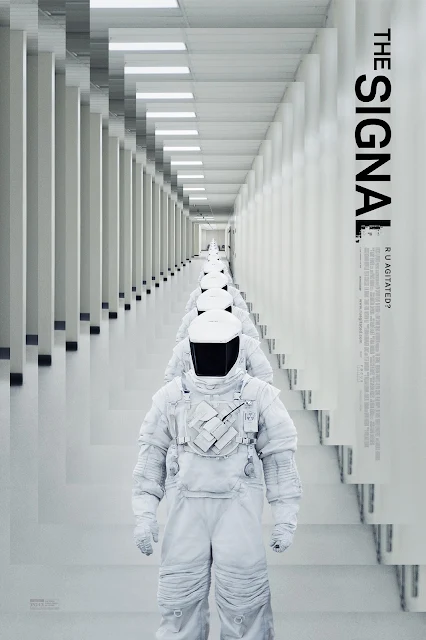
The Signal (2014 Film) - A Mind-Bending Technological Thriller

"The Signal," directed by William Eubank, is a sci-fi thriller that takes viewers on a mind-bending journey through the realm of technology and the human mind. With its captivating storyline, stunning visuals, and thought-provoking themes, the film delivers an engaging and suspenseful experience.

Let's explore the film's key elements, highlighting its strengths and delving into the underlying themes that make it a standout in the science fiction genre.

the singal film poster view

Captivating Storyline: "The Signal" revolves around three college students, Nic, Jonah, and Haley, who embark on a road trip across the United States. Their journey takes an unexpected turn when they are lured off course by a mysterious hacker known as NOMAD. The trio soon finds themselves trapped in an isolated facility, subject to a series of bizarre and seemingly supernatural events. As the plot unfolds, layers of mystery and deception are revealed, intensifying the audience's intrigue and keeping them captivated throughout.


Unforgettable Visuals: Visually, "The Signal" is a treat for the eyes. The film's cinematography skillfully blends stark realism with surrealism, creating a visual landscape that is both arresting and disorienting. The contrast between the desolate landscapes encountered on the road trip and the sterile, high-tech facility in which the characters become trapped sets the stage for an atmosphere of eerie tension. 

The film's well-chosen color palette and expert lighting further enhance the sense of unease and disorientation experienced by the characters and, by extension, the viewers.


Exceptional Performances: The performances in "The Signal" are commendable, with the actors skillfully bringing their characters to life. Brenton Thwaites delivers a compelling performance as Nic, the central protagonist, effectively portraying his confusion, determination, and vulnerability in the face of the film's escalating mysteries. Olivia Cooke (House of the Dragon) shines as Haley, infusing her character with depth and authenticity. Beau Knapp's portrayal of Jonah, a troubled and enigmatic individual, leaves a lasting impression. 

The chemistry among the three leads adds another layer of believability and emotional resonance to the film.

Are you agitated?

Thought-Provoking Themes: At its core, "The Signal" explores themes of identity, reality, and the ethical implications of advanced technology. The film raises intriguing questions about the nature of consciousness and the limitations of human perception. It challenges viewers to question their own understanding of reality as the boundaries between what is real and what is fabricated blur.

 Additionally, "The Signal" examines the moral dilemmas associated with pushing the limits of scientific exploration and delves into the potential consequences of unchecked technological progress.


Expertly Crafted Suspense: William Eubank's direction in "The Signal" masterfully builds tension throughout the film. Through atmospheric sound design, skillful editing, and a haunting musical score, he effectively creates an atmosphere of suspense and unease. As the plot progresses, the sense of mystery and urgency steadily escalates, keeping viewers on the edge of their seats. Each twist and turn in the narrative adds to the overall sense of suspense, ensuring that the audience remains fully engaged.


Philosophical Undertones: "The Signal" delves into philosophical territory, exploring the impact of technological advancements on humanity. It raises thought-provoking questions about the dangers of unchecked scientific progress and the ethical responsibilities associated with the development of advanced technologies. The film prompts viewers to contemplate the potential consequences of tampering with the boundaries of human perception and to reflect on the moral implications of such actions. These themes resonate long after the film ends, sparking introspection and inviting discussions on the ethical and philosophical implications of our technological pursuits.

Conclusion: "The Signal" is an enthralling sci-fi thriller that expertly combines mystery, suspense, and philosophical undertones. The film's captivating storyline keeps audiences on the edge of their seats, as layers of intrigue and deception are gradually peeled away. The stunning visuals, with their blend of stark realism and surrealism, create a visually striking and disorienting experience. The exceptional performances of the cast bring depth and authenticity to the characters, further immersing viewers in the narrative. 

With its thought-provoking themes exploring identity, reality, and the ethical consequences of technological advancement, "The Signal" leaves a lasting impact. William Eubank's skillful direction and the carefully crafted suspense ensure that the film is a must-watch for fans of the science fiction genre. Prepare to be captivated, challenged, and left questioning the boundaries of perception and morality long after the credits roll.

Underwater: A Thrilling Deep-Sea Adventure with Kristen Stewart

In the tradition of 'trapped under the ocean films' like Deepstar Six and Leviathan, "Underwater" is a gripping and intense sci-fi thriller that takes viewers on a heart-pounding journey into the depths of the ocean. Led by the talented Kristen Stewart, and directed by William Eubank the film delivers a claustrophobic and suspenseful experience that keeps you on the edge of your seat from start to finish.

The story centers around a group of researchers who find themselves trapped in an underwater drilling facility after an earthquake devastates their subterranean world. As they struggle to survive, they quickly realize they are not alone in the dark depths of the ocean. The film effectively combines elements of horror, action, and suspense to create a tense atmosphere that consistently builds throughout the narrative.


underwater kristen stewart review


Kristen Stewart's performance as Norah, a mechanical engineer with a haunted past, is one of the film's standout aspects. She portrays Norah's resilience and determination with a raw intensity that adds depth to her character. Stewart brings a level of vulnerability to Norah, making her a relatable and compelling protagonist amidst the chaos and terror of the underwater setting.


The film's visual effects and production design are impressive, capturing the eerie and claustrophobic nature of the underwater environment. The darkness and isolation are skillfully utilized to create a sense of dread and helplessness, amplifying the suspenseful moments and making the threat lurking in the depths all the more terrifying. The creature design is also noteworthy, as the mysterious and deadly creatures that stalk the characters are both visually striking and terrifying.


While "Underwater" excels in building tension and delivering thrilling sequences, it does suffer from a lack of character development and depth. The supporting cast, including Vincent Cassel, T.J. Miller, and Jessica Henwick, do their best with the limited material they have, but their characters feel underdeveloped and serve mainly as conduits for the suspenseful set pieces.


Furthermore, the plot itself is relatively straightforward and doesn't offer many surprises. It follows a familiar survival formula, and while it executes it well, some viewers may find it predictable. However, the film compensates for its narrative simplicity with its relentless pacing and high-stakes action, which keeps the audience engaged throughout.


It does feature a pretty handy monster reveal at the end...


In conclusion, "Underwater" is a gripping and intense underwater thriller that delivers a thrilling experience, thanks in large part to Kristen Stewart's commendable performance. While it may not break new ground in terms of story or character development (such as The Abyss did), the film makes up for it with its atmospheric tension, striking visuals, and relentless pacing. If you're a fan of suspenseful thrillers or enjoy underwater adventures, "Underwater" is definitely worth diving into.


Review Rating: ★★★★☆ (4/5)


About the author Jimmy Jangles


My name is Jimmy Jangles, the founder of The Astromech. I have always been fascinated by the world of science fiction, especially the Star Wars universe, and I created this website to share my love for it with fellow fans.

At The Astromech, you can expect to find a variety of articles, reviews, and analysis related to science fiction, including books, movies, TV, and games.
From exploring the latest news and theories to discussing the classics, I aim to provide entertaining and informative content for all fans of the genre.

Whether you are a die-hard Star Trek fan or simply curious about the world of science fiction, The Astromech has something for everyone. So, sit back, relax, and join me on this journey through the stars!