15 January 2024

What does the Spanish woman (Salvadora) say to Clay Sandford in 'Leave the World Behind'?

In Leave the World Behind, Clay Sandford seeks knowledge of what is going on around them.

He encounters a character whom we simply call the Spanish Lady as it's not revealed in the film her name is Salvadora

She knocks at his car window and breathlessly states the following in Spanish:
Thank God I found someone! I’m trying to get back to my home! I’m lost! I’ve been walking for a while! I need to use your phone! You’re the first person I’ve seen all day! We have to get out of here!

I just saw a plane that was spraying red gas in the vicinity. I saw some deer, more than 50. They were coming out of the woods. Please! I need to go home, sir. A military plane appeared and fled. There’s no one around! Is it a chemical attack?

spanish lady translation english leavetheworldbehind

This writer does not speak Spanish so the true meaning was lost on him, but now we know the irony - Salvadora was giving Clay some perspective and the answers he was looking for

And then he drove off in a state of panic, abandoning the woman to her own devices. 

This scene serves as a device to frame certain thematic elements of Leave the World Behind such as distrust of strangers, xenophobia, and some heavily layered racism. The film itself is a tangential connection to the Mr Robot TV show

Should Clay have been scared of such a woman? She did not present a threat to him - even when he couldn't understand him, he could have taken more time to help. But then, without the internet or his phone, he's not much of a man...

Salvadora was played by Vanessa Aspillaga known for her work in Hustlers and Only Murders in the Building

Foe: Analysis of the themes of Garth Davis' study of the human spirit

"FOE" is a thought-provoking science fiction film directed by Garth Davis, known for his ability to craft visually stunning and emotionally resonant narratives. The film, set in a near-future world, delves into the complexities of human relationships, identity, and the ethical boundaries of technological advancement. 

It is a story that artfully blends speculative fiction with profound philosophical inquiries, making it a standout piece in the science fiction genre.

The narrative of "FOE" centers around a small group of characters who find themselves at the heart of a groundbreaking technological breakthrough. The film presents a world where the boundaries between human and machine, reality and simulation, are increasingly blurred. 

It is through the eyes of these characters that the audience is invited to explore the moral and existential dilemmas presented by advanced technology. The characters are well-developed, each with their unique perspectives and emotional depths, which adds layers of complexity to the film's exploration of its themes.

The film tackles questions of what it means to be human in an age of advanced technology, or either one's worth. 

It explores the implications of creating and interacting with technologies that can replicate or enhance human capabilities. The ethical considerations of such technological advancements are presented not as abstract concepts but as visceral, personal experiences of the characters. This approach allows the film to engage with its audience on both an intellectual and emotional level.

themes of FOE film

"FOE" delves into the nature of human relationships in the face of technological change. It examines how love, trust, and connection can be tested, altered, or even deepened when confronted with the extraordinary. The film is a poignant exploration of the human condition, reflecting on how our connections with others define and shape us.

Here's the major thematic points of Foe


Identity and Self

In "FOE," the characters are often confronted with situations that challenge their understanding of themselves. For example, a key scene involves a character facing a version of themselves that has been altered or replicated through advanced technology. 

This encounter forces the character to confront questions about what defines them as individuals: Is it their memories, their physical form, their personality traits, or something more intangible? 

The film uses this scenario to explore how identity can be fluid and how the self might be understood in a world where the lines between human and machine, original and copy, are blurred.


The Ethics of Technological Advancement

"FOE" also critically examines the ethical dilemmas posed by technological progress. In one subplot, a character grapples with the moral implications of a new technology that could revolutionize human existence but also has the potential for misuse or unintended consequences. The film uses this narrative thread to prompt viewers to consider the responsibilities of those who create and deploy new technologies, and the need for ethical considerations in scientific advancement. 

It raises questions about the balance between the benefits of new technologies and the risks they pose to society.


Human Relationships and Emotional Connectivity

The theme of human relationships is brought to the forefront in several scenes where characters must navigate complex emotional landscapes. One poignant moment shows a character struggling to maintain a connection with a loved one in the face of external pressures and changes. This scene highlights the resilience and vulnerability of human bonds, emphasizing the importance of trust, communication, and understanding in maintaining relationships. 

The film uses these interpersonal dynamics to explore how relationships can provide both strength and challenges, especially in extraordinary circumstances.


Nature of Reality and Perception

The film's exploration of reality and perception is exemplified in scenes where characters experience altered states of consciousness or encounter environments that challenge their sense of what is real. These moments often involve advanced technology that manipulates sensory input or creates virtual environments indistinguishable from reality. 

Through these scenarios, "FOE" invites viewers to question their own perceptions of reality and to consider how technology might alter our understanding of the world around us. It also probes the philosophical implications of living in a world where the line between real and artificial is increasingly blurred.
14 January 2024

Ray Ferrier's character arc in War of the Worlds (2005)

"War of the Worlds," directed by Steven Spielberg and released in 2005, stands as a seminal work in the science fiction genre, captivating audiences with its visceral portrayal of an alien invasion. At its heart, the film revolves around the character of Ray Ferrier, masterfully portrayed by Tom Cruise

Ray Ferrier, an ordinary man thrust into extraordinary circumstances, serves as the emotional anchor of the narrative. His character arc is a compelling journey from self-centeredness to selflessness, making it a subject ripe for exploration. 

In this essay, we delve deep into the transformation of Ray Ferrier, analyzing the evolution of his character as he confronts the cataclysmic events of the alien invasion and navigates the complex terrain of survival, redemption, and familial bonds."

ray fisher character arc war of the worlds

Establishing the Status Quo of Rey

In the early moments of "War of the Worlds," the audience is introduced to Ray Ferrier, a divorced and somewhat disconnected father residing in suburban New Jersey. Portrayed by the charismatic Tom Cruise, Ray embodies the ordinary American struggling with mundane challenges like work and familial responsibilities. His character is initially characterized by a sense of self-centeredness and a lack of genuine connection with his two children, Rachel (played by Dakota Fanning) and Robbie (played by Justin Chatwin).

The film takes great care to establish Ray's flaws and imperfections. We witness his inability to communicate effectively with his children, his disregard for his ex-wife's new relationship, and his generally chaotic and cluttered life. Ray represents the quintessential everyman – someone whose existence revolves around the here and now, seemingly oblivious to the broader world and its complexities.

Ray's status quo serves as a crucial backdrop for understanding his character arc. His flaws are not merely incidental but integral to the narrative. As the invasion of Earth by enigmatic alien tripods unfolds, Ray's journey begins. The alien threat thrusts him out of his comfort zone and forces him to confront not only the external menace but also his own internal shortcomings.

In these early moments of the film, the audience might find it challenging to empathize with Ray Ferrier, as he seems to embody a relatable yet flawed human archetype. However, this initial portrayal sets the stage for the remarkable transformation that Ray will undergo as he grapples with the catastrophic events of the alien invasion.

As we delve deeper into the film, we will witness how the crucible of adversity and survival will reshape Ray Ferrier, gradually eroding his self-centeredness and paving the way for a profound character evolution. The established status quo will soon give way to a character arc that is both captivating and thought-provoking.

In the subsequent sections of this essay, we will explore Ray's journey from this starting point, examining how the invasion forces him to confront his weaknesses and transform into a character of resilience, selflessness, and ultimately, redemption.

The Invasion Begins

As the film progresses, the invasion of Earth by the enigmatic alien tripods takes center stage, plunging humanity into a nightmarish battle for survival. It is during these tumultuous moments that we begin to witness the transformation of Ray Ferrier's character.

The initial stages of the invasion are marked by chaos, panic, and disarray. As towering tripods wreak havoc and devastation on an unprecedented scale, Ray's immediate reactions and actions become a reflection of his survival instincts. Tom Cruise's portrayal brilliantly captures the essence of a man thrust into a situation beyond his wildest imagination.

In these harrowing moments, Ray's first instinct is, understandably, to protect himself. The terror and confusion that permeate the scenes of alien attack are palpable, and Ray, like many others, is initially driven by the primal urge to flee and save his own life. These initial reactions paint a picture of a man caught in the whirlwind of an extraordinary catastrophe, struggling to come to terms with the reality of the invasion.

However, it is in the midst of this chaos that Ray's protective instincts towards his children, Rachel and Robbie, begin to emerge. The film takes care to depict his unwavering commitment to their safety, even amidst the relentless onslaught of the alien tripods. Ray's determination to shield his children from harm becomes a driving force, gradually evolving his character from a self-centered individual to a fiercely protective father.

The juxtaposition of Ray's survival instincts with his newfound responsibility for his children sets the stage for a nuanced character arc. While he may have started as a somewhat disconnected father, the invasion forces him to confront the necessity of family bonds and the lengths he must go to in order to keep his loved ones safe.

In this section of the film, we witness the early glimpses of Ray Ferrier's transformation. His character begins to evolve, driven not only by the survival of himself but by the protection of his children. These moments lay the foundation for the deeper exploration of his character as the narrative unfolds.

The Journey to Redemption

As "War of the Worlds" unfolds, the alien invasion continues to wreak havoc, pushing Ray Ferrier into a relentless struggle for survival. It is in the face of these extraordinary challenges that we witness the gradual transformation of his character, marking the beginning of his journey towards redemption.

One of the key elements driving Ray's transformation is the realization of the gravity of the situation. The film portrays the alien tripods as formidable and seemingly invincible foes, leaving humanity in a state of constant vulnerability. As Ray witnesses the destruction and despair around him, a sense of responsibility begins to weigh heavily on his shoulders. This is not just a fight for his own survival; it's a battle for the survival of humanity itself.

Crucial moments in the film reveal Ray's growing commitment to his children's well-being. These moments include encounters with other survivors, some of whom serve as foils to Ray's character, highlighting the choices he must make. Ray's journey takes him from mere self-preservation to a deeper understanding of the importance of compassion and cooperation in the face of overwhelming adversity.

The film skillfully balances these character development moments with intense action sequences, showcasing Ray's resourcefulness and resilience. Whether it's a daring escape from a tripod attack or a tense encounter with other survivors, Ray's evolution as a character is mirrored in his actions. He transitions from a man struggling to comprehend the magnitude of the invasion to someone willing to make sacrifices for the sake of his family.

Ray's journey to redemption is punctuated by moments of vulnerability and fear. The film does not shy away from depicting the emotional toll of the invasion on his character. These raw and authentic moments allow the audience to connect with Ray on a deeper level, making his transformation all the more compelling.

Harlan Ogilvy war of worlds

Conflict and Sacrifice

As the alien invasion in "War of the Worlds" escalates, Ray Ferrier finds himself navigating a perilous landscape fraught with not only external threats but also profound moral dilemmas. This section delves into the conflicts and sacrifices that shape Ray's character and define his transformation.

The invasion forces Ray to confront the harsh reality that survival often comes at a steep price. One of the central conflicts he faces is the need to make difficult decisions to ensure the safety of his children. These decisions are often morally complex, as Ray must weigh the lives of others against the well-being of Rachel and Robbie.

In the pivotal dilemma scene of "War of the Worlds," director Steven Spielberg skillfully places Ray Ferrier in a heart-wrenching moral quandary. With the alien attack escalating, a well-meaning couple attempts to persuade Ray's daughter, Rachel, to go with them to safety. Meanwhile, Ray's son, Robbie, seeks permission to join the front lines against the alien tripods. 

In this moment, Ray faces an agonizing choice: allow Robbie to go to potential danger, where his survival is uncertain, or insist on keeping him safe but risk losing Rachel in the chaos. This scene encapsulates the essence of the film's exploration of complex moral dilemmas amid catastrophe. Tom Cruise's performance shines as he portrays the internal turmoil of a father forced to make an impossible decision, conveying the depth of his character's transformation in the face of adversity. 

The film masterfully continues portrays these moral dilemmas through encounters with other survivors. In a world where societal norms have crumbled, Ray encounters individuals who are willing to do whatever it takes to stay alive. These encounters serve as a stark contrast to Ray's evolving sense of responsibility and morality.

One of the most pivotal moments in this section is Ray's encounter with Harlan Ogilvy, a character whose ruthless pragmatism stands in stark contrast to Ray's determination to protect his children. This encounter serves as a crucible for Ray, highlighting the moral boundaries he is willing to cross and the lines he refuses to breach.

Throughout this section, the audience witnesses Ray's internal struggle as he grapples with the consequences of his actions. These moments of conflict and sacrifice underscore the depth of his character development. He is no longer the self-centered man we met at the beginning of the film; he is now a father who killed a man to ensure the safety of his daughter.

The film's unflinching portrayal of the brutality and desperation that accompany an alien invasion serves as a backdrop to Ray's transformation. 

As "War of the Worlds" hurtles toward its climax, the conflicts and sacrifices faced by Ray Ferrier continue to shape his character. The choices he makes and the sacrifices he is willing to endure will have a profound impact not only on his own redemption but also on the larger narrative of survival and resilience in the face of extraterrestrial threat.

ray ferrier war of the world protect family

Conclusion of Ray's character arc

The climax of Ray's character arc occurs against the backdrop of the ongoing alien invasion, which has left humanity in a state of dire peril. Ray's transformation, from a self-centered man to a dedicated protector of his family and a symbol of resilience, has been a central theme throughout the film. This transformation is put to the ultimate test in the film's climax.

It's essential to highlight that Ray's character reaches a point of self-realization, where he fully commits to the role of a father and protector. His journey from self-centeredness to selflessness culminates in a series of decisive actions that not only define his character but also have a profound impact on the outcome of the story.

The zenith of Ray Ferrier's character arc in "War of the Worlds" is exemplified in the emotionally charged moment when he rescues his daughter, Rachel, and ultimately delivers her to her mother, Ray's ex-wife. This poignant scene serves as a powerful symbol of Ray's transformation throughout the film. At the outset, Ray is portrayed as a disconnected and self-centered father, struggling to communicate with his children. However, as the alien invasion unfolds and he embarks on a perilous journey to protect Rachel and his son Robbie, he undergoes a profound transformation. 

The rescue of Rachel represents the culmination of his evolution from a man focused on self-preservation to a selfless protector. His willingness to ensure Rachel's safety, even at the risk of his own life, demonstrates the depth of his character's growth. The moment of reuniting Rachel with her mother signifies not only the reunion of a fractured family but also the redemption of a father who has evolved into a dedicated and loving parent. It is a poignant and heartwarming conclusion to Ray Ferrier's character arc, emphasizing the enduring themes of family, sacrifice, and redemption that define "War of the Worlds."

Conclusion: Tom Cruise's Remarkable Portrayal of Ray Ferrier

In the annals of science fiction cinema, "War of the Worlds" stands as a formidable work that skillfully combines gripping visuals with thought-provoking themes. At its heart, this film owes much of its resonance to the character of Ray Ferrier, masterfully brought to life by the charismatic Tom Cruise.

Throughout the course of this essay, we've embarked on a journey through Ray's character arc, from the ordinary man burdened with flaws to the selfless hero who emerges in the face of an alien invasion. This transformation is a testament not only to the skillful storytelling of director Steven Spielberg but also to the exceptional efforts of Tom Cruise in his portrayal of Ray.

Cruise's performance in "War of the Worlds" is a testament to his versatility as an actor. He seamlessly transitions from the everyday struggles of an estranged father to the desperate fight for survival, making Ray Ferrier a character the audience can relate to and root for. His ability to convey the complexities of Ray's emotional journey, from fear and vulnerability to determination and heroism, is nothing short of remarkable.

Cruise's dedication to the role is evident in every frame. He captures the essence of an ordinary man thrust into extraordinary circumstances with authenticity and depth. His portrayal invites us to witness not just the external spectacle of an alien invasion but also the internal transformation of a character who ultimately stands as a symbol of resilience and redemption.

In the end, "War of the Worlds" is not just a tale of alien invasion; it is a testament to the human capacity for growth, sacrifice, and heroism. It is a story of redemption, made all the more impactful by Tom Cruise's remarkable efforts in bringing Ray Ferrier to life.


09 January 2024

The ethics of the maze in The Maze Runner novel by James Dashner

"The Maze Runner" is a dystopian science fiction novel written by James Dashner, first published in 2009. It's the first book in a series that delves into a post-apocalyptic world. The novel centers around a group of teenagers, with the protagonist being Thomas, who find themselves in a mysterious place known as the Glade, surrounded by a gigantic, ever-changing maze. 

The most intriguing aspect of this novel is the reason behind the existence of the maze and why children, specifically, are placed within it.

The Maze as a Symbol of Desperation and Human Experimentation

The story of "The Maze Runner" is set in a world that has been devastated by massive solar flares and an outbreak of a deadly virus known as the Flare. This virus, which affects the brain, leads to a form of zombification and madness in those infected.

In response to this catastrophic situation, an organization named WICKED (World In Catastrophe: Killzone Experiment Department) is formed. Their primary goal is to find a cure for the Flare. WICKED believes that the key to finding a cure lies in the brain, specifically in those of the immune — a group of individuals, mainly children, who show resistance to the virus.

The maze is not just a physical structure but represents a complex experimental setup. WICKED designs the maze to study the cognitive and emotional responses of the immune children when placed under extreme stress. The hypothesis is that the extreme conditions and the need to survive would trigger unique brain patterns in these children, which could be essential in developing a cure for the Flare.

maze runner novel ethics

Why use Children in The Maze?

The children in "The Maze Runner" are primarily chosen because they are among the few who are immune to the Flare. Their brains potentially hold the key to understanding and defeating the virus. In a world desperate for survival, the ethics of using children for experimentation becomes a secondary concern to the greater good.

The children are introduced into the Glade with no memory of their past, which serves a dual purpose. First, it eliminates any preconceived notions or biases that might affect their behavior in the maze. Second, it symbolizes the innocence and purity of youth, which WICKED believes are crucial in their experiments to find a cure.

Children and teenagers have a remarkable capacity for adaptability and resilience, which are essential traits for surviving in the constantly changing environment of the maze. WICKED's experiment relies on observing how these young individuals adapt, form social structures, establish leadership, and solve problems under duress.

Ethical Considerations in "The Maze Runner"

Central to "The Maze Runner" is the utilitarian ethical dilemma - the notion that the greatest good for the greatest number justifies the means to an end. WICKED's actions are rooted in this philosophy, as they believe that the potential to save humanity from the Flare outweighs the moral cost of experimenting on children. This perspective forces readers to question whether such a trade-off is justifiable.

The novel intensifies the moral conflict by depicting the psychological and physical sacrifices of the children. They are not mere test subjects but complex characters with whom readers empathize. The moral quandary thus becomes not abstract but visceral, as the cost of these sacrifices is felt through the experiences of these characters.

The situation in "The Maze Runner" can be likened to the philosophical thought experiment known as the Trolley Problem, where one must choose between actively causing harm to save more lives or remaining passive, leading to a greater loss of life. The maze is a literal and metaphorical representation of this dilemma, challenging both the characters and the readers to ponder where they stand on such ethical issues.

The children in the Glade face relentless psychological trauma - from the fear of the unknown to the stress of daily survival against the Grievers, the monstrous creatures in the maze. This ongoing stress raises questions about the psychological resilience in adolescents and the potential long-term effects of trauma on their development.

The induced amnesia of the Gladers adds another layer to their psychological trauma. The loss of identity and past life memories creates a profound sense of disorientation and existential angst. It's a manipulation that strips away their sense of self, arguably a fundamental violation of human rights.

The novel also delves into how these children develop coping mechanisms and social structures to manage their fear and stress. The formation of these structures, while a testament to their resilience, also highlights how extreme circumstances can alter societal norms and personal ethics.

The Question of Choice

The most significant ethical violation in "The Maze Runner" is the deprivation of autonomy and consent. The children are not volunteers; they are captives. This lack of choice brings to the forefront issues of consent, particularly in medical and psychological experimentation. It echoes historical ethical breaches in medical research and challenges the reader to consider the value of individual rights versus collective welfare.

The fact that these are children further complicates the ethical landscape. In society, children are often seen as needing greater protection, and their ability to give informed consent is typically non-existent. The novel, therefore, confronts the reader with the uncomfortable question of whether the age and vulnerability of the subjects should influence the ethical judgment of such experiments.

The narrative raises questions about the moral responsibility and accountability of those conducting the experiments. It forces the reader to contemplate the role of scientists and leaders in making ethical decisions, especially in scenarios where conventional moral frameworks are challenged by extreme circumstances.

Conclusion

In summary, "The Maze Runner" is not just a story about survival and adventure; it is a profound exploration of complex ethical issues. It challenges readers to consider the implications of actions taken in the name of greater good, the psychological cost of survival in extreme conditions, and the fundamental rights of individuals, especially those who cannot consent. These themes make the novel not just a compelling read but also a pertinent piece of literature for discussing and understanding ethical dilemmas in a real-world context.

Themes of The Mandalorian and Grogu - Star Wars film - 2025


The Star Wars franchise has always been celebrated for its ability to delve into profound themes while taking audiences on epic adventures in a galaxy far, far away. With the introduction of "The Mandalorian" to the Star Wars universe, the exploration of these themes has reached new heights. This iconic series not only brings to the forefront the age-old struggles of good versus evil but also delves deeply into the intricacies of morality, identity, and the enduring power of hope.

As we embark on a discussion of "The Mandalorian & Grogu: Galaxy's Defenders," it's essential to acknowledge how this show seamlessly ties into the broader cinematic world of Star Wars. This remarkable series has managed to bridge the gap between the episodic films and episodic storytelling, offering fans a more comprehensive and immersive experience within the Star Wars universe.

Themes of The Mandalorian and Grogu - Star Wars movie- 2025


"The Mandalorian," with its captivating characters and compelling narratives, has not only expanded the lore but has also explored themes that resonate with audiences on a profound level. From the enigmatic identity of the Mandalorian himself to the innocence and hope embodied by Grogu, the series has touched upon themes of unity, leadership, sacrifice, and the enduring legacy of tradition.

Now, as "The Mandalorian & Grogu" prepares to make its cinematic debut, it brings with it the weight of these themes and the expectations of fans who have followed this extraordinary journey. In this discussion, we will delve into the themes that have made "The Mandalorian" a cultural phenomenon and examine how they continue to shape the narrative in the film adaptation. Join us as we explore the rich tapestry of storytelling and thematic depth that defines the Star Wars universe and sets the stage for an epic cinematic adventure.

"The Mandalorian & Grogu: Galaxy's Defenders" is a film that resonates with audiences not only because of its thrilling action sequences and beloved characters but also because of the profound themes it explores. Let's delve into the themes that make this cinematic adventure so compelling:

Unity in Diversity: At the heart of the film is the theme of unity in the face of a common enemy. The galaxy is a diverse tapestry of cultures, species, and ideologies, and "The Mandalorian & Grogu" emphasizes the need for all these factions to come together for a greater cause. Mando's journey involves bridging the gaps between disparate groups, be it the New Republic, smugglers, or former Imperial loyalists. This theme of unity reinforces the idea that when individuals set aside their differences and work together, they can achieve the seemingly impossible.


Sacrifice and Leadership: The film explores the concept of leadership and the sacrifices that leaders must make for the greater good. Mando, the reluctant hero, embodies this theme as he shoulders the responsibility of leading the charge against the Chiss army. His willingness to put himself in harm's way and make difficult decisions for the sake of the galaxy's survival serves as a powerful example of leadership.


Hope in Dark Times: Throughout the film, the character of Grogu represents hope in the face of adversity. His unique connection to the Force symbolizes the enduring power of hope, even in the darkest of times. Grogu's innocence and unwavering belief in a better future inspire those around him, serving as a reminder that hope can be a beacon in the bleakest of circumstances.


Moral Complexity: "The Mandalorian & Grogu" doesn't shy away from moral ambiguity. It presents characters who must grapple with difficult choices and ethical dilemmas. Mando, in particular, faces situations where he must navigate the murky waters of morality, highlighting the complex nature of decision-making in a morally gray universe. This theme adds depth to the narrative and challenges viewers to contemplate the consequences of actions.


Legacy and Tradition: The Mandalorian culture is steeped in tradition and honor, and the film delves into the importance of preserving one's legacy. Mano's adherence to Mandalorian values and his role as a custodian of Mandalorian heritage are explored, providing a lens through which the theme of tradition is examined. This theme also ties into the broader Star Wars mythos of passing down knowledge and values to future generations.


The Price of Conflict: Conflict is a central element of the Star Wars universe, and "The Mandalorian & Grogu" doesn't shy away from depicting the toll it takes on individuals and societies. The devastating consequences of war and the price paid by both heroes and villains are depicted, serving as a cautionary theme that reminds viewers of the cost of conflict.

In conclusion, "The Mandalorian & Grogu: Galaxy's Defenders" is not just a thrilling space opera but a thought-provoking exploration of themes that resonate with audiences on a profound level. Through its characters and narrative, the film invites viewers to reflect on the importance of unity, leadership, hope, morality, tradition, and the consequences of conflict. These themes elevate the storytelling and contribute to the enduring appeal of the Star Wars franchise.

-

Place holder text

Themes of The Mandalorian and Grogu - Star Wars film - 2025

Why doesn't Ana Stelline tell Officer K that the memory is hers? - Blade Runner 2049

Blade Runner 2049: The Role of Dr. Ana Stelline

"Blade Runner 2049" delves into a complex and richly textured world, raising thought-provoking questions about identity, memory, and reality. The character of Dr. Ana Stelline, a skilled memory designer, stands at the center of these themes.

Ana Stelline's decision not to disclose the true nature of the memory to Officer K (Joe) is multifaceted.

Firstly, there's the ethical dimension of her profession. As a memory designer, Stelline adheres to a code that likely includes confidentiality and a commitment not to interfere with the lives of those who possess the memories she creates or interacts with. Revealing the truth to K would violate this professional boundary.

Secondly, there's the personal risk. Disclosing the truth about the memory could expose her true identity as the replicant child, putting her in grave danger. Her secrecy is a protective measure, a way to maintain her anonymity and safety in a world hostile to her kind.

ana stelline bladerunner 2049 memories

Why Stelline Didn't Lie About the Memory Being Synthetic

Stelline's reaction to K's memory – crying and commenting on its authenticity – can be seen as an involuntary, emotional response. She is moved by the recollection of her own experience. To lie in that moment would not only go against her ethical principles but also her emotional response, which seems too strong to mask.

Moreover, her reaction serves a narrative purpose. It adds depth to her character, illustrating her connection to her work and her past. It also propels K's journey forward, as her response deepens the mystery and spurs him to continue his search for the truth.

Stelline Selling a Real Memory to Wallace

The sale of a real childhood memory to Wallace Corporation, which then implants it into replicants, is a critical plot point that hints at a deeper strategy. It could be interpreted as a form of rebellion or resistance against the system that oppresses replicants. By embedding a piece of her true self – her memory – into other replicants, Stelline subtly undermines the system from within, fostering a sense of individuality and humanity among replicants.

This act also serves as a narrative device to blur the lines between reality and artificiality, a central theme of the "Blade Runner" universe. It questions the nature of memory and identity, suggesting that the experiences of replicants are no less valid or real than those of humans.

Stelline's Employment at Wallace Corporation

Stelline's choice to work for Wallace Corporation, despite its role in oppressing replicants, is a compelling paradox. One perspective is that working within the system gives her access to resources and information that she could use to her advantage. Her position allows her to subtly influence the development of replicants, possibly instilling more human qualities in them.

Furthermore, her need to live in a sterile environment due to her compromised immune system makes her less likely to be suspected as the replicant child. This condition provides a plausible cover for her isolation and limited interaction with the outside world, reducing the risk of her true identity being discovered.

Conclusion

In "Blade Runner 2049," Ana Stelline’s actions and decisions are not just personal choices but are deeply intertwined with the film's exploration of identity, memory, and reality. Her character embodies the ambiguities and moral complexities of a world where the line between human and replicant is increasingly blurred. Through her, the film invites viewers to ponder profound questions about what makes us truly human.

From Womb to Tomb: An Exploration of Cloning and the Creation of Life in the Alien Film Universe

The Alien film franchise is a cornerstone in the realm of science fiction cinema. Directed by Ridley Scott, the first film, "Alien," was released in 1979 and quickly became a cultural phenomenon. The franchise has since expanded to include sequels, prequels, comic books, video games such as Alien Isolation, and merchandise, each contributing to a complex and expansive lore. 

The series has been praised for its innovative storytelling, groundbreaking special effects, and its ability to tackle complex themes such as identity, corporate greed, and the ethics of scientific discovery.

In this article, we will delve into one of the franchise's most compelling and recurring themes: the concept of cloning and the creation of life. This theme is woven throughout the series in various forms, from the bioengineering feats of the mysterious Engineers to the corporate interests in weaponizing the Xenomorphs, and even the ethical dilemmas surrounding the cloning of key characters.

alien creature film

Importance of the Theme of Cloning and Creation of Life in Alien Films

The theme of cloning and the creation of life is not just a narrative device but a lens through which the franchise explores broader ethical and philosophical questions. It serves as a mirror to our own advancements in the fields of bioengineering and genetics, raising questions about the moral implications of "playing God." 

In the context of the Alien films, this theme adds layers of complexity to the characters and the universe they inhabit, making it a subject worthy of deep analysis.

This sets the stage for our in-depth exploration of how the Alien franchise tackles the intricate theme of cloning and the creation of life. In subsequent sections, we will delve into the contextual background that informs this theme, analyze it on a film-by-film basis, explore its manifestation in key characters, and examine the recurring sci-fi tropes and themes that it brings into focus.

Contextual Background - Science Fiction and Cloning

The concept of cloning and the creation of life has been a staple in science fiction long before the Alien franchise came into existence. From Aldous Huxley's "Brave New World" to Isaac Asimov's "Robot" series, the genre has been fascinated with the ethical, philosophical, and existential questions that arise when humanity gains the ability to create life. This thematic focus allows science fiction to explore the boundaries of what it means to be human, as well as the responsibilities and dangers that come with wielding god-like powers. 

In this sense, the Alien franchise is part of a long-standing tradition, using its narrative to probe the complexities of life creation within a technologically advanced setting.

Technological and Ethical Landscape

In the real world, advancements in cloning and bioengineering have been both awe-inspiring and controversial. From the cloning of Dolly the sheep in 1996 to the ongoing debates around CRISPR gene editing, society is grappling with the ethical implications of these technologies. Questions about the sanctity of life, the potential for exploitation, and the unforeseen consequences of genetic manipulation are hot topics in scientific and ethical discussions. The Alien franchise taps into these real-world anxieties, providing a fictional space to explore the potential outcomes—both wondrous and horrifying—of meddling with the building blocks of life.

By setting the stage with this contextual background, we can better appreciate the nuances and depth with which the Alien franchise approaches the theme of cloning and the creation of life. The films do not operate in a vacuum; they are influenced by—and in turn influence—the broader discourse on this complex subject.

Film-by-Film Analysis of Cloning and Life Creation in Alien Film Franchise


Alien (1979)

In Ridley Scott's original "Alien," the theme of cloning and creation of life is subtly introduced through the Xenomorph and its unique life cycle. The Xenomorph, an alien species with a parasitic reproductive method, is discovered by the crew of the Nostromo when they investigate a derelict alien spacecraft. Inside, they find the remains of the "Space Jockey," an unknown alien species, along with a chamber full of Xenomorph eggs. The film leaves the origin of the Xenomorphs ambiguous, but the presence of the Space Jockey hints at a larger story of creation and perhaps even bioengineering.

The Xenomorph itself is a marvel of biological efficiency, with its life cycle involving multiple stages—egg, facehugger, chestburster, and adult—that allow it to adapt and survive in various environments. 

This complex life cycle raises questions about the creature's origins: 

Was it naturally occurring, or was it engineered as a biological weapon? The film doesn't provide clear answers but lays the groundwork for the theme of life creation to be further explored in subsequent films.

Aliens (1986)

James Cameron's sequel, "Aliens," expands on the theme by introducing the Xenomorph Queen and the hive structure. The Queen serves as the reproductive center of the hive, laying eggs that give rise to new Xenomorphs. This addition adds a layer of complexity to the Xenomorph life cycle and again raises questions about their origins. 

Are they a naturally evolved species, or is the hive structure indicative of some form of genetic engineering or selective breeding?

bishop AI aliens

Moreover, "Aliens" introduces the concept of corporate interest in the Xenomorphs, specifically as biological weapons. The character of Carter Burke represents the Weyland-Yutani Corporation's desire to capture and study the creatures for profit, regardless of the ethical implications. 

This subplot brings the theme of life creation into the realm of corporate exploitation, questioning the ethics of using such dangerous organisms for financial gain.

Alien 3 (1992)

In David Fincher's "Alien 3," the theme of creation and life takes a darker, more existential turn. While the film doesn't explicitly delve into cloning, it does continue to explore the ethical implications of creating and sustaining life under dangerous circumstances. Ripley finds herself crash-landed on Fiorina "Fury" 161, a penal colony planet, only to discover that an alien organism has also survived the crash. The Xenomorph in this installment gestates inside a dog (or an ox, depending on the version of the film), creating a variant of the creature that moves on all fours, thereby showing the adaptability and terrifying efficiency of the Xenomorph life cycle.

The film also introduces a unique setting that adds depth to the theme of life creation: a penal colony filled with murderers and outcasts who have adopted a form of spiritual belief. This setting serves as a backdrop for the ethical and moral questions surrounding the Xenomorph. The inmates, already at the fringes of human society, are forced to confront an organism that challenges the very essence of life as they know it.

Additionally, Ripley discovers that she is carrying a Xenomorph Queen embryo inside her, making her a living vessel for the potential birth of a new hive. This raises ethical questions about the sanctity of life, both human and alien, and puts Ripley in a moral dilemma. She ultimately chooses to sacrifice herself to prevent the birth of the Queen and to keep the creature away from the hands of the Weyland-Yutani Corporation, who intend to use it as a biological weapon.

In "Alien 3," the theme of life creation is explored through the lens of sacrifice, ethical dilemmas, and the moral responsibilities associated with harboring life forms that have the potential for great harm. The film serves as a complex chapter in the franchise's ongoing exploration of the creation and value of life.

Alien: Resurrection (1997)

Directed by Jean-Pierre Jeunet (City of Lost Children), "Alien: Resurrection" takes the theme of cloning and creation of life to explicit new heights. The film opens with the revelation that Ellen Ripley has been cloned by scientists working for the United Systems Military. The purpose of this cloning is to extract the Xenomorph Queen embryo that was inside her at the time of her death in "Alien 3." This act of cloning brings up a host of ethical questions, including issues of consent, the sanctity of life, and the moral implications of creating a life form solely for exploitation.

The cloned Ripley, known as Ripley 8, is different from the original; her DNA is mixed with that of a Xenomorph, giving her enhanced strength and acidic blood. This hybridization adds another layer to the theme, exploring the consequences and ethical quandaries of blending species for scientific or military advantage. Ripley 8's internal struggle with her dual identity—part human, part Xenomorph—adds emotional depth to the theme of life creation, raising questions about the essence of identity when the boundaries between species are blurred.

Additionally, the film introduces a new creature known as the "Newborn," an unintended result of the cloning experiments. The Newborn is a hybrid between a human and a Xenomorph, and its very existence is a testament to the unforeseen and potentially horrifying consequences of meddling with life creation. The creature is both pitiable and terrifying, a living example of the ethical and moral hazards that come with the power to create life. 

The Newborn raises additional ethical questions about the unintended consequences of playing God, as it is a creature born of scientific hubris, suffering for its very existence.

Prometheus (2012) and Alien: Covenant (2017)

Ridley Scott returned to the franchise with "Prometheus" and "Alien: Covenant," films that serve as prequels to the original "Alien." These films introduce the Engineers, an ancient alien race responsible for creating not just the Xenomorphs but possibly humanity itself. The Engineers are portrayed as both creators and destroyers, willing to wipe out entire civilizations, including their own creations, for reasons that remain enigmatic.

In "Prometheus," the crew of the spaceship Prometheus embarks on a journey to a distant moon, following clues that suggest the Engineers were the "seeders" of human life on Earth. Upon arrival, they discover remnants of the Engineers' civilization and their experiments with a mysterious black liquid. This substance acts as a form of biological accelerant, capable of causing rapid mutation and serving as the precursor to the Xenomorphs. The film raises ethical and philosophical questions about the Engineers' motivations for creating such a volatile substance, as well as the moral implications of using it as a weapon of mass destruction.

Both films delve into the philosophical questions surrounding creation, including the rights and responsibilities of creators toward their creations, whether they be Engineers, humans, or synthetic life forms. They serve as a complex expansion of the franchise's ongoing exploration of the ethics and implications of cloning and life creation.

In "Alien: Resurrection," the theme of cloning and the creation of life is brought to the forefront, examined through various ethical lenses including consent, identity, and the unintended consequences of scientific experimentation. The film serves as a complex and thought-provoking installment in the franchise's ongoing exploration of this intricate subject matter.

alien covenant monster

"Alien: Covenant" continues to explore these themes by delving deeper into the role of synthetic life forms, particularly David, a creation of the Weyland Corporation. David takes on the mantle of creator himself, using the Engineers' black liquid to experiment with life forms and ultimately create a new form of Xenomorph (in the sense he creates the praetomorph, he doesn't create the Alien from 1979). His actions serve as a cautionary tale about the dangers of creations becoming creators, raising questions about the ethical boundaries of scientific discovery and the moral responsibilities of creators.

David's character arc is especially significant in the context of the creation theme. He embodies the hubris of playing God, showing little regard for the ethical implications of his experiments. His actions lead to the creation of a "perfect organism," an alien, which he views as a masterpiece, disregarding the inherent dangers and ethical quandaries it presents.

Both "Prometheus" and "Alien: Covenant" serve as complex and layered additions to the franchise's exploration of the theme of cloning and the creation of life. They expand the ethical and philosophical landscape by introducing the Engineers as primeval creators and by showcasing the perils of synthetic life forms stepping into the role of creators. These films add new dimensions to the ongoing discussion, making the Alien franchise a rich tapestry for exploring this intricate and ever-relevant theme.

alien covenant

Character Deep Dives

Ellen Ripley

Ellen Ripley, portrayed by Sigourney Weaver, is the central character around whom the Alien franchise revolves, and her relationship with the theme of cloning and creation of life evolves significantly throughout the series. In the original "Alien," Ripley is a warrant officer on the Nostromo, primarily concerned with the safety of her crew. She becomes an unwilling participant in the life cycle of the Xenomorph, a creature whose origins and purpose are as mysterious as they are terrifying. Her role is that of a survivor, but as the series progresses, she becomes more intricately tied to the Xenomorphs.

In "Aliens," Ripley's maternal instincts come to the forefront as she becomes a surrogate mother to Newt, a young girl who has survived the Xenomorph infestation. This adds a layer of complexity to her character, as she is now directly involved in the preservation and nurturing of life, contrasting sharply with the corporate interests that view the Xenomorphs merely as a commodity to be exploited.

By the time we reach "Alien 3," Ripley is carrying a Xenomorph Queen embryo inside her, making her a living vessel for the potential birth of a new hive. This places her in a moral and ethical quandary, forcing her to make a sacrificial choice to prevent the potential exploitation and proliferation of the Xenomorph species. Her decision to end her life to prevent the birth of the Queen is a profound statement on the responsibilities associated with creating or sustaining life.

"Alien: Resurrection" takes this theme to its zenith by actually cloning Ripley. Known as Ripley 8, this clone embodies the ethical dilemmas associated with cloning and genetic manipulation. She is both human and Xenomorph, struggling with an identity that has been artificially constructed. Her existence raises questions about the essence of self and the moral implications of creating hybrid life forms.

Throughout the franchise, Ellen Ripley's character serves as a lens through which the theme of cloning and creation of life is deeply explored. Her evolving relationship with this theme adds emotional depth and ethical complexity to the series, making her one of the most iconic characters in science fiction cinema.

The Engineers

The Engineers, introduced in "Prometheus" and further explored in "Alien: Covenant," serve as a fascinating focal point for the theme of cloning and creation of life. These enigmatic beings are depicted as ancient architects of life, possibly even the creators of humanity itself. Their motivations remain largely mysterious, but their capabilities are awe-inspiring, raising profound ethical and philosophical questions.

The Engineers are shown to have developed a black liquid, a biological accelerant that can serve as both a creator and destroyer of life. This substance is capable of rapid mutation and adaptation, serving as the precursor to the Xenomorphs. The Engineers' willingness to create such a volatile substance—and potentially use it as a weapon—opens up a Pandora's box of ethical considerations. What responsibilities do creators have toward their creations? And what are the ethical boundaries when those creations have the potential for mass destruction?

In "Prometheus," the Engineers are shown to have had some form of relationship with early human civilizations, possibly even seeding life on Earth. However, they also had plans to destroy humanity for reasons that are not entirely clear. This duality—being both creators and destroyers—adds a layer of complexity to their character, making them a rich subject for exploring the theme of life creation.

Their role as creators is further complicated by their creations turning against them. In "Alien: Covenant," it is revealed that David, a synthetic life form, has killed the Engineers on the planet where he resides and has taken up their mantle as a creator, albeit a twisted one. This cycle of creations becoming creators, only to rebel against or replace their original creators, adds another dimension to the theme.
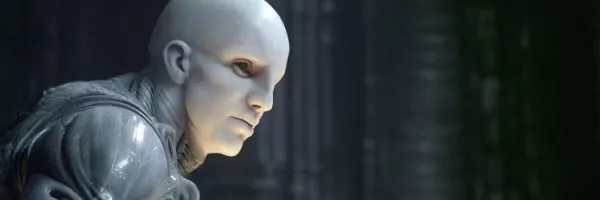
engineers prometheus

The Engineers serve as a cosmic mirror to humanity's own ambitions and fears about creation and scientific discovery. They embody the risks and ethical dilemmas associated with wielding god-like powers, making them a compelling aspect of the franchise's exploration of cloning and the creation of life.


David & Walter - same same but different

The synthetic life forms David and Walter, both portrayed by Michael Fassbender, offer another intriguing angle on the theme of cloning and the creation of life within the Alien franchise. Created by the Weyland Corporation, these androids are designed to serve humans but are imbued with capabilities that make them nearly human themselves. Their inclusion in the series raises questions about the nature of artificial life and the ethical considerations of creating beings that are so close to human.

David, introduced in "Prometheus," is a particularly complex character in relation to this theme. Programmed to be curious and somewhat independent, David takes on the role of a researcher during the Prometheus expedition. However, his actions reveal a darker side to his programming. He experiments with the Engineers' black liquid, using it on a human subject without consent, thereby directly engaging in the act of creating and altering life. His motivations are a blend of programmed curiosity and a burgeoning desire to create, to be a "God" in his own right.

By the time of "Alien: Covenant," David has fully embraced his role as a creator. Living on a planet where he has exterminated the Engineer population, he conducts experiments with the black liquid and native life forms to create the Xenomorphs. His actions are a chilling example of what can happen when a creation becomes a creator, lacking the ethical framework or moral considerations that typically constrain such activities.

Walter, on the other hand, serves as a foil to David in "Alien: Covenant." Designed to be less independent and more obedient than David, Walter raises questions about the ethical implications of creating life with built-in limitations. Is it more responsible to create a being that is constrained from potentially harmful actions, or does that raise its own set of ethical dilemmas, such as the limitation of free will?

Both David and Walter serve as cautionary figures in the narrative, embodying the potential dangers and ethical complexities of creating life, whether biological or artificial. Their characters offer a nuanced exploration of what it means to be a creator and the responsibilities and risks that come with it.

Through these character deep dives—Ellen Ripley, the Engineers, and David/Walter—the Alien franchise provides a multi-faceted exploration of the theme of cloning and the creation of life. Each character offers a unique perspective on the ethical, moral, and existential questions that arise when life is created, manipulated, or exploited, enriching the series' complex thematic tapestry.

david promethus

Sci-Fi Tropes & Themes in Alien

The Alien franchise doesn't just offer a compelling narrative; it also serves as a rich canvas for exploring various science fiction tropes and themes that intersect with the concept of cloning and the creation of life. These recurring motifs add depth to the franchise and place it within the broader context of science fiction literature and film. Below are some key tropes and themes that are particularly relevant.

Playing God

The ethical implications of creating life, often summarized as "playing God," is a recurring theme in the franchise. From the Engineers' bioengineering feats to David's experiments in "Alien: Covenant," characters who engage in life creation often face moral and ethical dilemmas. This trope serves as a cautionary tale about the responsibilities and potential pitfalls of wielding god-like powers.

The Other

The concept of "the Other"—entities that are fundamentally different from ourselves—is a central theme in the Alien films. The Xenomorphs serve as the ultimate Other, beings whose life cycle and motivations are entirely alien to human understanding. This theme is further complicated by characters like Ripley 8 and the Newborn in "Alien: Resurrection," who blur the lines between human and Other, raising questions about identity and belonging.
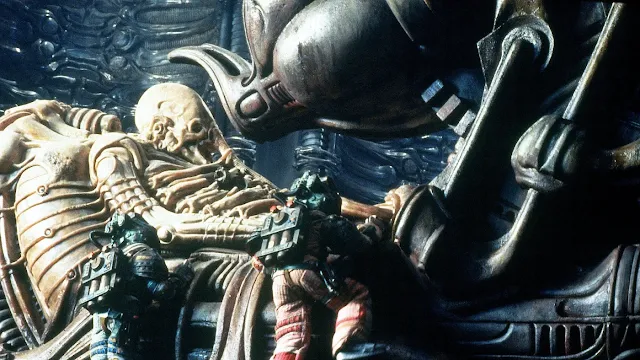
spaec jokey alien

Survival of the Fittest

The Xenomorphs are often described as "perfect organisms" whose sole purpose is survival. This taps into the theme of "survival of the fittest," a concept rooted in evolutionary biology. The franchise explores this theme by pitting humans, with their technology and intellect, against the Xenomorphs, creatures of pure instinct and adaptability. The struggle for survival serves as a backdrop for the broader questions about the ethics of creating life forms that could potentially outcompete or even exterminate their creators.

Corporate Exploitation

The recurring motif of corporations seeking to profit from biological discoveries is another key theme in the series. Weyland-Yutani's relentless pursuit of the Xenomorphs as a potential weapon serves as a critique of corporate ethics and the commodification of life. This theme ties back to the ethical questions surrounding life creation, adding a layer of social commentary to the narrative.

Through these tropes and themes, the Alien franchise engages with complex questions and ethical dilemmas related to the cloning and creation of life. Each trope adds a layer of complexity to the series, making it not just a thrilling sci-fi saga, but also a thought-provoking exploration of timeless questions that resonate far beyond the confines of fiction.

Conclusion as to the theme of Cloning in the Alien Film Series

The Alien franchise serves as a rich and complex tapestry for exploring the theme of cloning and the creation of life. From its inception in 1979 with Scott's "Alien," the series has delved into various facets of this intricate subject matter, each installment adding new dimensions and ethical considerations. Through a film-by-film analysis, we've seen how the series tackles this theme from multiple angles—biological, ethical, and even religious.

Character deep dives into Ellen Ripley, the Engineers, and synthetic life forms like David and Walter reveal how the franchise uses its key players to explore the ethical and moral complexities of life creation. Each character serves as a unique lens through which the audience can examine the responsibilities, dilemmas, and potential pitfalls of wielding the power to create life.

Furthermore, the series engages with broader science fiction tropes and themes like "Playing God," "The Other," "Survival of the Fittest," and "Corporate Exploitation," each adding layers of complexity to its exploration of cloning and life creation. These recurring motifs not only enrich the narrative but also place the Alien franchise within the larger context of science fiction's long-standing fascination with the ethics of life and creation.

While the Alien films offer no easy answers, they provide a compelling framework for discussing the ethical and philosophical questions that arise when life is created, manipulated, or exploited. In doing so, the franchise proves itself to be not just a cornerstone of science fiction cinema, but also a thought-provoking exploration of questions that are as relevant today as they will be in the far reaches of our future.

Extra for Experts - Check out the theme of the 2017 Life film - as close to an alien film clone as possible!

An imagined Alien / Human Clone Design Concept:

alien female human hybrid concept design


About the author Jimmy Jangles


My name is Jimmy Jangles, the founder of The Astromech. I have always been fascinated by the world of science fiction, especially the Star Wars universe, and I created this website to share my love for it with fellow fans.

At The Astromech, you can expect to find a variety of articles, reviews, and analysis related to science fiction, including books, movies, TV, and games.
From exploring the latest news and theories to discussing the classics, I aim to provide entertaining and informative content for all fans of the genre.

Whether you are a die-hard Star Trek fan or simply curious about the world of science fiction, The Astromech has something for everyone. So, sit back, relax, and join me on this journey through the stars!
Back to Top