18 August 2023

'The Prestige' - Unraveling the Secret of Alfred Borden

Are you watching reading closely?

This article contains massive spoilers. 

You have been warned.

"The Prestige," directed by Christopher Nolan (Tenent, Inception), delves into the captivating world of illusion and deception, unraveling the intricacies of the rivalry between two magicians. At its core, the film examines how the pursuit of perfection and the lengths one is willing to go can lead to the sacrifice of ethics, relationships, and even one's own identity. 

Amidst this backdrop, the character of Alfred Borden, masterfully portrayed by Christian Bale (Batman Begins), emerges as a central figure whose enigmatic persona holds the key to understanding the film's themes.

Alfred Borden is a complex character who navigates the thin line between reality and illusion. Portrayed by Christian Bale with remarkable nuance, Borden is a magician whose commitment to his craft is unwavering. His enigmatic persona is established early on, intriguing the audience with his dexterity and devotion to the art of magic. However, beneath the surface, Borden's true brilliance lies in his ability to maintain the illusion of a single man while secretly collaborating with his twin brother, Fallon.

The thesis statement highlights the crux of Borden's character development and the film's overarching themes. Borden's capacity to seamlessly alternate between two identities is emblematic of the overarching theme of deception and sacrifice. This ability to deceive both on and off the stage forms the foundation of the film's exploration into the intricate web of secrets and their consequences. The thesis statement sets the stage for the subsequent discussion, which will delve into the various clues and aspects of Alfred Borden's dual identity in "The Prestige."

alfred borden and angiers prestige
Borden and his nemesis magician Angiers (Hugh Jackman)

Borden's Dual Identity

Alfred Borden's dual identity is at the heart of the film's intrigue, reflecting the blurred line between illusion and reality. Borden's persona is divided into two distinct yet inseparable parts: Alfred and Fallon, his twin brother. This duality is not just a plot device but a thematic exploration of the sacrifices and complexity inherent in the art of magic.

The relationship between Alfred and Fallon is a unique dynamic that sets the foundation for their illusionist act. The bond between the two brothers is both deep and symbiotic. Their unity enables them to perform the breathtaking "Transported Man" trick, where one twin appears to instantly teleport from one part of the stage to another. The seamless execution of this trick depends on their inherent connection and shared secrets, highlighting the strength of their twin bond.

Offstage, the dual identity complicates Borden's personal life. The secrecy surrounding his twin brother affects his relationships, as seen in his strained marriage with Sarah. Borden's commitment to his act, at times, makes him distant and emotionally unavailable, emphasizing the internal struggle between his passion for magic and his yearning for meaningful connections.

The dual identity also fuels the rivalry with Robert Angier. Angier's inability to understand how Borden achieves his tricks spurs on their competition, exemplifying the theme of obsession and the consequences it brings. Borden's dual identity symbolizes the lengths he and Angier go to in their pursuit of perfection, leading them down a path of dangerous sacrifices.

In essence, Borden's dual identity is a microcosm of the film's broader exploration of illusion, sacrifice, and the impact of secrets. It portrays the intricate interplay between the onstage magic and the offstage reality, offering a compelling lens through which to examine the complexity of the human psyche and the allure of deception.

hats and cats clue in the prestige

The Sacrifices and Consequences

Alfred Borden's commitment to his dual identity comes at a significant cost, revealing the extent to which he is willing to sacrifice for his craft. These sacrifices manifest in both physical and emotional realms, underscoring the film's exploration of the dark side of ambition and illusion.


Physically, Borden endures the loss of two fingers, a tangible reminder of his dedication to the art of magic. This injury, sustained during a trick gone awry, demonstrates his willingness to endure pain and adapt his methods to achieve the impossible. His fingers serve as a symbol of the physical toll that pushing the boundaries of illusion can take on an individual.

To preserve the ruse, his twin must also remove his fingers so the twins match.

Emotionally, Borden's dual identity takes a toll on his relationships, most notably his marriage to Sarah. His emotional distance and secrecy strain their connection, as illustrated by the recurring phrase "I do not love you today." Borden's inability to fully engage with his emotions and be honest with those he loves showcases the isolation that accompanies his commitment to his illusionist persona.
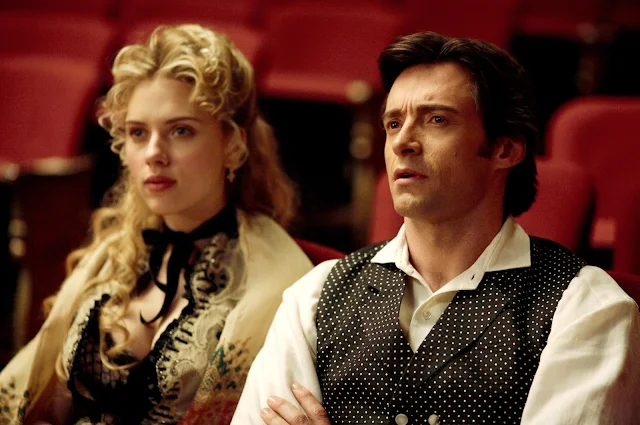

Ultimately Sarah commits suicide.

Themes of Deception and Sacrifice

Deception and sacrifice are at the core of "The Prestige," interwoven into the narrative fabric to reveal the complexities of human nature and the pursuit of greatness. The film delves into the various layers of deception — from the art of magic to personal identity — and explores the profound sacrifices characters are willing to make in their quest for success.

Deception operates as a driving force in the film, exemplified not only by the magic tricks but also by the characters' actions and motives. Borden's dual identity represents the epitome of deception, mirroring the broader theme of illusion that extends to every corner of the story. The tension between what is seen and what is hidden underscores the allure of secrets and the power they hold over individuals.

Sacrifice, meanwhile, is a recurring motif that underscores the lengths characters are willing to go for their ambitions. Borden's loss of fingers, his strained relationship with his wife and her loss, and his ultimate act of sacrifice all illustrate the extent to which he sacrifices for his art. The film examines the moral and emotional implications of these sacrifices, portraying the fine line between dedication and obsession.

Parallels Between Borden and Angier

The parallel narratives of Borden and Angier serve as a powerful juxtaposition of differing approaches to sacrifice and ambition. While both magicians aspire to greatness, their choices and paths diverge significantly. Borden's sacrifice of his identity and relationships contrasts with Angier's pursuit of ever more dangerous tricks. Angier's obsession with outdoing Borden ultimately leads him down a path of darkness and moral compromise.

These parallels reveal that while deception and sacrifice are central to both characters' stories, their motivations and actions shape their destinies in distinct ways. Borden's journey highlights the internal and interpersonal consequences of his choices, while Angier's path exemplifies the tragic outcome of unchecked ambition and the erosion of his morality.

Resolution and Interpretation

The film's climax and resolution culminate in a powerful and unexpected twist that sheds light on Alfred Borden's ultimate sacrifice. The revelation that Borden had actually been living as both Alfred and Fallon throughout the film is a masterstroke of storytelling, unraveling the complexity of his dual identity.

Borden's ultimate sacrifice, which is revealed in the film's climax, exemplifies the film's themes of deception and sacrifice. The revelation that one of the Bordens was willing to sacrifice his own life to preserve the illusion and protect his secret sheds new light on the lengths people are willing to go to maintain their deceptions. This act of ultimate sacrifice takes the themes to a new level, showcasing the profound emotional and existential consequences of Borden's choices.

Borden's final act and the revelation of his sacrifice to remain in jail and thus be executed for murder for the benefit of his family offers a poignant interpretation of his character and the broader themes of the movie.

"The Prestige" ultimately delivers a thought-provoking message about the blurred line between illusion and reality. Borden's dual identity serves as a microcosm of this theme, illustrating how people can lose themselves in their illusions and how these illusions can have very real consequences. The film challenges the audience to question the nature of truth, perception, and the sacrifices people make to create their desired realities.

clues to bordens identity prestige

Here are some of the clues the film offers about the identity of the Borden Brothers

  • Following Cutter's compelling opening monologue and Angier's captivating North American narrative, the narrative spotlight shifts definitively to Borden. Through his initial voiceover, he pensively delves into the early days of his career, intricately weaving themes of rivalry and lurking peril into the fabric of the film's intrigue. Initially perceived as a reference to Borden and Angier, the veiled allusion in his words gradually crystallizes to encompass himself and his enigmatic twin, a revelation that becomes irrefutably evident by the film's conclusion.
  • Cutter, the sagacious orchestrator of their shared magic world, directs both Borden and Angier to observe the masterful performance of Chung Ling Soo. In this critical moment, Borden astutely dissects the layers of Soo's unwavering dedication to his craft. It's an ode to Borden's own mastery of concealment and subterfuge, a theme profoundly mirrored in his application of a double to veil his secrets.
  • The mystique surrounding Borden's enigmatic feat, the Transporting Man illusion, becomes a focal point of scrutiny. Cutter, with astonishing acumen, promptly deduces its essence: "He employs a double." In contrast, Angier's relentless obsession clouds his judgment, steering him away from comprehending the intricacies of Borden's dual existence. Olivia's skepticism about the double's very existence, stemming from Borden's identical injured hand on both sides, renders Cutter as the sole character capable of seizing the concealed truth.
  • Nestled within the film's intricate narrative tapestry is a scene of profound significance that exponentially enhances its rewatch value. Borden's interaction with Sarah and her wide-eyed nephew during a mesmerizing magician's performance unearths layers of meaning. The poignant moment when a tearful child discerns the twin birds integral to a trick foreshadows the central role of doubles in the Transporting Man illusion. This narrative thread, seamlessly interwoven, takes on a greater significance when considering Angier's rendition of the trick, pivoting on the creation of copies amid the drowning of the original.
  • Intriguingly confounding are the initial assumptions surrounding Borden's supposed affair with Olivia Wenscombe. Prior to the pivotal twist, this notion perplexes, as Borden's affections oscillate between ardent devotion and occasional detachment towards Sarah. A subsequent revelation unveils the heartrending truth: Borden and his twin each hold distinct affections for two separate women. This poignant revelation, once puzzling, imparts a deeper layer of tragedy to Sarah's untimely demise, underscoring how Borden's commitment to safeguarding his arcane secret exacts a devastating toll.
  • While the chronological progression places this scene in a later narrative segment, its significance as a pivotal indicator of Fallon's genuine identity as Borden's double remains undeniable. Within the confines of his incarceration, Borden's covert communication with Fallon serves as a beacon of foreshadowing. This is particularly evident as Borden, upon departure, sets in motion a familiar action – the bouncing of a red rubber ball – echoing the essence of his Transporting Man illusion. A visual link to the film's opening scene, this sequence subtly guides the audience to the eventual revelation that Fallon embodies the elusive second Borden, deftly catching the ball within the realm of the illusion.

In summary, the progression of "The Prestige" is underscored by a series of meticulously crafted narrative elements. From Borden's introspective voiceovers to Cutter's discerning insights, from the foreshadowing of doubles within magical tricks to the poignant complexities of Borden's relationships, every thread serves to intricately weave the film's enigmatic tapestry. In its intricacy lies its brilliance, a cinematic masterpiece that unwaveringly rewards attentive viewers with layers of meaning and revelation upon every revisit.
17 August 2023

The themes of Terminator 2: Judgement Day

There’s a before and after in action cinema. And the dividing line is Terminator 2: Judgment Day.

When it hit theaters in 1991, it didn’t just raise the bar—it rewired the whole machine. This wasn’t just a sequel. It was a full-blown reinvention. James Cameron took the raw, relentless chase energy of the first Terminator and cracked it wide open. Bigger scope. Deeper themes. A liquid-metal villain that felt like a tech-fueled nightmare. 

And at the center? 

A cyborg learning how to be human.

But here’s the twist: T2 isn’t just about explosions and catchphrases (though, let’s be real—“I’ll be back” still slaps). It’s a film obsessed with the future. Our future. It dives headfirst into questions of fate, free will, and the ethics of creating machines that might outthink us. It’s a story about mothers, messiahs, and machines built to kill that somehow learn to protect.

In short, T2 hits hard not just because it’s cool - but because it means something.

The themes that pulse through its core—Man vs. Machine, Fate and Free Will, Motherhood and Sacrifice, AI Ethics, Technological Anxiety, and Redemption—aren’t just narrative window dressing. They’re what give the movie its strange, aching soul. Beneath the chrome and carnage, this is a film about what it means to be human in a world that’s racing toward something post-human.

Let’s break it down.


themes of terminator judgement day


Man vs. Machine

"At its core, Terminator 2 is a war story. Not just guns and chases. A deeper war—between people and the things we build.

Skynet isn't just a villain. It's a mirror. A reflection of what happens when we hand over control to our own creations. Cold logic, zero empathy, endless firepower. The machines aren't evil. They're efficient. That’s what makes them terrifying.

But the real tension? It's not just future nukes and chrome skeletons. It's the messier stuff. Trust. Fear. The uneasy alliance between Sarah Connor and the very machine that once tried to kill her. Watching her wrestle with that is where the film cuts deepest. She knows what these things are capable of. Still, she has to let one protect her son.

And then there's the Terminator itself. Arnold’s T-800 starts out stiff, robotic, just doing its job. But slowly, subtly, it changes. Learns. Protects. Listens. It doesn’t just follow orders—it begins to care. Or at least mimic it well enough that the line blurs. That arc flips the whole “machine as enemy” idea on its head.

Meanwhile, the T-1000 is the nightmare version. Smooth. Silent. Almost human, but not quite. No mercy, no hesitation. A shapeshifting reminder that not all evolution is good.

What makes this theme land isn’t just spectacle. It’s the emotional weight behind it. T2 asks a simple, unsettling question—if machines can learn to be more human, can humans afford to act less so?

That's the fight. Not just man versus metal, but humanity versus what we’re willing to become.


Fate and Free Will 

There is no fate but what we make for ourselves. It’s not just a quote. It’s the spine of the movie.

T2 pushes hard against the idea that the future is locked in. The whole plot is a desperate swing at rewriting destiny. Stopping Judgment Day before it happens. Breaking the loop. Changing the script.

But here’s the tension—time travel complicates everything. The characters are shaped by a future that hasn’t happened yet. John is being raised for a war he hasn’t fought. Sarah is haunted by visions of a world she’s trying to prevent. The paradox is baked in.

Are they actually changing fate? Or just playing out a different version of it? Is it as simple as Back to the Future?

Sarah believes in agency. That she can train John, stop Skynet, do something. Her intensity isn’t just survival instinct—it’s defiance. She refuses to be just another casualty in a timeline someone else wrote.

And then there’s the Terminator. A machine built to follow a program, now learning it can choose. Its very existence becomes a case study in free will. If even this thing can change, maybe the future isn’t written in stone.

The film never gives a clean answer. It just keeps circling the question. Are we bound to repeat the past, or can we break free from it?
T2 doesn’t preach. It poses the question and lets you sit with it. Fate may be coming. But choice is the only weapon we’ve got.

Motherhood and Sacrifice

Forget the damsel trope. T2 gives us Sarah Connor—battle-hardened, sleepless, armed to the teeth. She’s not here to be saved. 

She’s here to save her son, and in doing that, maybe the whole damn world.

Her transformation is the emotional core of the film. In the first Terminator, she was a target. In T2, she’s a force. Every choice she makes—every gun she loads, every line she crosses—is for John. Not for glory.

Not for revenge. 

Just a mother doing whatever it takes.

linda hamilton singlet terminator judgement themes


That kind of love isn’t soft. It’s brutal. Sarah becomes so focused on preventing Judgment Day that she nearly loses herself. There’s that haunting moment when she almost kills Dyson—the man unknowingly responsible for Skynet. In her eyes, it’s necessary. But the film doesn’t let her off the hook. John’s horror in that scene reminds us: protecting the future shouldn’t mean destroying your humanity.

And then there’s the contrast. The Terminator—a literal machine—starts acting like a father figure. Steady. Protective. Learning to understand human emotion, not because it’s programmed to, but because it sees John as something worth protecting. It doesn’t eat, sleep, or feel pain. But by the end, it chooses to sacrifice itself to keep the future safe.

Sarah and the Terminator—two extremes. One driven by fierce maternal instinct, the other by programmed logic slowly cracking open into something like love. Together, they show us what sacrifice really means. Not just giving something up, but choosing who you’re willing to become for someone else.


Ethical Dilemmas of AI 

T2 dives headfirst into the ethical complexities surrounding artificial intelligence (AI) and its potential consequences. It doesn’t just show us killer robots—it asks what happens when we build machines that outthink us. Machines that might stop following orders. Or worse, follow them too well.

From the jump, the Terminator is a walking contradiction. Built to kill, reprogrammed to protect. That switch isn’t just a plot twist—it’s the film’s big ethical question. What happens when something created to destroy learns to care? The more it learns, the more it challenges our assumptions about AI. Can a machine have a conscience? Can it choose right from wrong? And if it can, who’s responsible for what it becomes?

Then there’s the question of imitation. The Terminator watches, copies, adapts. Its efforts to mimic human behavior spark something uncanny. It’s not quite human, but it’s close enough to make us uneasy. The line between tool and sentient being starts to blur—and with it comes a wave of uncomfortable questions. Can a machine develop empathy? Is emotion just another function? Or is it something real, something earned?
16 August 2023

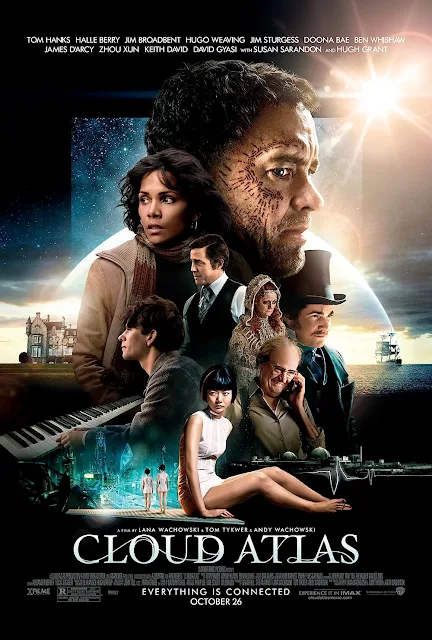
Themes of 'Cloud Atlas' directed by the Wachowkis

Cloud Atlas, released in 2012 and directed by the Wachowski siblings alongside Tom Tykwer, is a thought-provoking, visually stunning cinematic experience. Adapted from David Mitchell's 2004 novel, the film intertwines six distinct yet interconnected storylines spanning different time periods, from the 19th century to a distant, post-apocalyptic future. Each storyline follows unique characters facing their own moral and existential challenges, yet their choices reverberate through time, revealing an intricate web of interconnectedness that binds them across centuries.

The Wachowskis, known for visionary works like The Matrix and Speed Racer, are filmmakers renowned for groundbreaking, ambitious narratives that often redefine genre conventions. With Cloud Atlas, they bring their signature style and philosophical rigor to the film, pushing the boundaries of narrative structure to explore themes that are both universal and deeply introspective. Together with Tykwer, the Wachowskis craft a cinematic mosaic that dives into reincarnation, collective responsibility, love, karma, and the struggle for freedom.

This essay will explore the multitude of themes woven throughout Cloud Atlas, analyzing how the Wachowskis' narrative approach brings out the film’s philosophical core. As the story unfolds across different eras, it reveals profound reflections on human interconnectedness, the fluidity of identity, and humanity’s constant pursuit of love and liberation.

cloud atlas film themes


Theme of Reincarnation and Continuity of the Soul

In Cloud Atlas, reincarnation isn’t a metaphor; it’s the film’s lifeblood. The characters, marked by a comet-shaped birthmark, appear and reappear across centuries, evolving, regressing, repeating, and at times breaking free. The film suggests that the soul transcends time and space, taking new forms yet facing familiar battles. 

Tom Hanks (Finch) moves from a murderous doctor to a man haunted by demons of his own making; Halle Berry shifts from crusading journalist to a cosmic figure searching for salvation. Each actor’s journey across characters blurs the line between past lives and present actions, as if the soul itself carries its wounds and victories forward.

This approach speaks to Eastern philosophies of reincarnation and karma, where actions echo across lifetimes. The comet birthmark on certain characters becomes a spectral link, signifying souls in an endless process of rebirth and reckoning. The film asks whether one can truly evolve beyond past mistakes, or if humanity is doomed to repeat history, soul by soul, age by age.

Theme of Interconnectedness and Collective Responsibility

The film’s structure—its cross-century, genre-defying narrative—isn’t a gimmick; it’s a declaration that we are inextricably linked, our lives braided together by choice and consequence. From Adam Ewing’s 19th-century journal found by a composer in 1930s Belgium to the rebellious actions of a clone named Sonmi-451 that inspire a revolution centuries later, each storyline feeds into the next, creating a continuous chain of influence that bridges time and geography. 

This isn’t just six stories; it’s a statement on humanity’s collective responsibility, a testament to how individual choices ripple outwards and backwards.

Cloud Atlas dives into the moral gravity of our actions, and by presenting the butterfly effect of human behavior, it underscores a shared fate. The film reminds us that progress—and regression—are collective phenomena. Whether it’s a musician moved to create by a forgotten journal or a worker inspired to fight by a tale of resistance, humanity moves as one, consciously or not. 

The Wachowskis challenge the viewer to imagine a world where our choices resonate beyond our lifetimes, feeding into the moral arc of history. In a world obsessed with individualism, Cloud Atlas rebels by preaching a radical interdependence, where no life stands alone.


Themes of Cloud Atlas film by the Wachowkis


Theme of Freedom vs. Oppression

Throughout Cloud Atlas, freedom is a fleeting but relentless pursuit, a light in the distance amid cycles of oppression and control. The film stages this theme with visceral intensity, juxtaposing eras and settings where characters fight to break chains—literal and figurative. The 19th-century scenes are steeped in the brutality of slavery, as Adam Ewing wrestles with his complicity within a morally bankrupt system. Fast forward to Neo Seoul, where Sonmi-451, a clone designed for servitude, awakens to her own humanity and incites a revolution against corporate totalitarianism. 

In Cloud Atlas, freedom isn't handed down; it's seized, often at great personal cost. The film casts characters as agents of rebellion, figures who are compelled to stand up against a system intent on stifling them. Timothy Cavendish, the reluctant hero of the 21st century, is thrust into a care facility that operates as a microcosm of authoritarianism, where his fight for escape parallels that of Sonmi's, separated by centuries. This thematic layering suggests that no matter the time or place, humanity’s need for liberation pulses beneath the surface. 

In Cloud Atlas, the Wachowskis paint freedom as both an essential human right and an unending battle—one that demands courage, self-sacrifice, and solidarity across generations.

Theme of Love as a Unifying Force


Amid the film’s shifting timelines and lifetimes, love emerges as the most resilient bond, a quiet yet powerful current that ties characters together across the ages. Love here is neither simple nor bound by convention; it’s a lifeline, a moral compass, a means of transcendence. From Robert Frobisher’s anguished romance with Rufus Sixsmith in the 1930s to Zachry’s guarded but deepening connection with Meronym in a post-apocalyptic future, love transcends societal norms and individual lifespans, becoming a force that defies the fragmentation of history. 

It’s not just about the love between two people; it’s the belief that love is a thread that binds humanity’s soul, a bulwark against despair and destruction.

Love, in Cloud Atlas, also serves as a conduit of remembrance, a way to reach across the gulf of time. Characters are often driven by memories of those they have loved, and this becomes their guide, their North Star amid moral ambiguity. The film suggests that love is more than a feeling; it’s a form of resistance. Against the cold machinery of oppression, against the cycle of rebirth and struggle, love becomes the most enduring act of defiance. 

VI. Theme of Redemption and Moral Growth

Redemption in Cloud Atlas isn’t a neat resolution; it’s a rough, sometimes painful journey through darkness to self-awareness. This theme unfolds across characters who start in flawed or corrupted states, only to find themselves haunted by the consequences of their past actions. Tom Hanks’ character arc is perhaps the most explicit in this respect, with his roles oscillating from villainy to heroism across time. Dr. Henry Goose, a malicious figure in the 19th century, gives way to Zachry, a man grappling with guilt and fear in a desolate future. 

The transformation signals the potential for moral growth, suggesting that while we may be bound to repeat certain mistakes, we are also capable of profound change.

The film dives into the idea of karmic justice, where actions inevitably come full circle. Characters experience rebirth not merely as a cycle of existence but as an opportunity to confront and amend their past. Sonmi-451’s journey from subservience to martyrdom for a larger cause becomes a path to redemption, not just for herself but as a symbol of hope for others. Similarly, Adam Ewing’s decision to reject his family’s legacy of oppression hints at a break in a generational cycle, a small but potent choice that redefines him. 

The Wachowskis’ depiction of redemption is steeped in existentialist philosophy, presenting a world where characters must find their own meaning and morality. In Cloud Atlas, moral growth isn’t guaranteed but is carved out by characters who choose, with each new life, to seek a better, more humane path.

Cloud Atlas is a film that challenges viewers to see humanity as a continuum of lives, bound by themes as eternal as they are urgent—freedom, love, redemption, and interconnectedness. The Wachowskis use this cinematic tapestry to push past genre and structure, crafting a story that insists on the weight of individual choices and the ties that bind us across time. Each character’s journey reflects humanity’s perpetual cycle of struggle and growth, reminding us that while history may repeat, it also offers the chance to transcend. Through its daring vision, Cloud Atlas invites us to question our role in this vast human story, urging us to be more aware, more connected, and ultimately, more responsible for the world we help create.

Marcia Lucas' Legacy in Film Editing and Star Wars Lore

The original Star Wars movie, released in 1977, stands as a watershed moment in cinematic history, reshaping the landscape of popular culture and revolutionizing the science fiction genre. George Lucas's brainchild captured the imaginations of millions and gave birth to an expansive universe that would go on to become one of the most iconic franchises in film history. 

However, beneath the awe-inspiring spectacle and galactic adventure, the film's journey to success was marked by numerous obstacles, with editing emerging as a critical battleground.

The Troubled Production of Star Wars

George Lucas embarked on a daring endeavor with Star Wars, envisioning a space opera that would break new ground in terms of storytelling, visual effects, and world-building. His ambition knew no bounds, yet the complexities of bringing such an audacious vision to life were immense.

Budget constraints posed a constant threat throughout the production. The movie's financing was precarious, and Lucas himself had to forgo a substantial directorial fee in exchange for retaining the merchandising rights - an astute move that would eventually secure the film's financial future. 

Technical limitations of the era further compounded the challenges. The special effects necessary to realize Lucas's grand vision were pushing the boundaries of available technology. For instance, the use of miniatures and optical compositing required painstaking attention to detail and countless hours of post-production work. These technical hurdles placed additional pressure on the editing process, as the raw footage often fell short of Lucas's initial vision.

Amidst these hurdles, the initial filming struggled to capture the essence of Lucas's narrative ambitions. Scenes that were vital to character development and plot progression were at times disjointed, leading to a narrative that felt uneven and lacking in coherence. 

The initial edit of the film struggled to do justice to the emotional beats and character arcs that Lucas had envisioned. This was a turning point where Marcia Lucas, an accomplished film editor and George Lucas's wife, stepped in to reshape the film's destiny.

The Role of Editing in Film-making

Editing is the invisible art of filmmaking that wields immense power in shaping a film's final form. It involves not only splicing together shots but also orchestrating the rhythm, pacing, and emotional resonance of a story. In the case of Star Wars, editing was the crucial linchpin that transformed a troubled production into a cultural phenomenon.

A well-edited film (Raging Bull, E.T., Godfather II) possesses the ability to transcend its initial limitations and salvage challenging production situations. Editing enables the director to reshape the narrative, refine character arcs, and enhance the emotional impact of scenes. It's the process where the director's vision crystallizes, where the raw footage is molded into a coherent and engaging narrative. In the context of Star Wars, Marcia Lucas's deft touch and creative insights revitalized a film that had faltered in its early stages, turning it into a masterpiece that continues to captivate audiences to this day.

Marcia Lucas: George's Partner in Creative Endeavors

Marcia Lucas, born Marccia Socas, was an accomplished film editor who had already established herself in the industry before her collaboration with George Lucas (Alice Doesn't Live Here Any More directed by Martin Scorsese). Her experience and expertise in editing made her an invaluable asset to her husband's creative endeavors.

marcia and george lucas

The partnership between George and Marcia Lucas was characterized by a deep understanding of each other's artistic sensibilities. They had previously collaborated on projects like "THX 1138," where Marica's editing prowess had already showcased her ability to enhance George's vision. Their shared creative journey was underpinned by mutual trust and respect, qualities that proved essential in tackling the challenges posed by Star Wars' tumultuous production.

The Crucial Edit of Star Wars

The initial edit of Star Wars posed significant challenges, with a disjointed narrative and pacing issues plaguing the film. Scenes that were meant to seamlessly transition between one another often felt disconnected, hampering the audience's ability to become fully immersed in the unfolding story. 

Additionally, the pacing was erratic, with moments of action and intensity juxtaposed with slower sequences that disrupted the film's overall rhythm.

Marcia Lucas's Contributions to Reimagining the Film's Structure and Flow

Marcia Lucas's arrival into the editing room marked a turning point for Star Wars. Her keen eye for narrative cohesion and pacing allowed her to see the potential in the raw footage that others might have overlooked. She recognized the importance of restructuring scenes and sequences to better align with the emotional arcs of the characters and the overarching plot.

Marcia's collaboration with her husband George was characterized by open communication and a shared dedication to realizing the film's full potential. Together, they revisited scenes, experimented with different orderings, and meticulously calibrated the rhythm of the film. The goal was to create a cohesive flow that seamlessly guided the audience through the galaxy far, far away.

Refining the Story's Core Elements: Marcia's Fresh Perspective and Editing Skills

Marcia Lucas's fresh perspective and editing skills breathed new life into Star Wars by addressing the root issues of the initial edit. Her ability to trim excesses, juxtapose scenes for maximum impact, and craft transitions that enhanced the narrative flow made a world of difference. For instance, the iconic Death Star trench run sequence was reimagined to intensify the tension and suspense, leading to a more immersive and exhilarating experience for the audience.

Marcia's expertise was evident in her mastery of pacing. She understood the delicate balance between action, character development, and exposition. Scenes were meticulously trimmed or extended to serve the narrative's emotional beats, resulting in a film that felt more engaging and coherent. Her work didn't just "fix" the editing; it elevated the film's storytelling, making the galaxy and its characters more relatable and compelling.

In essence, Marcia Lucas's involvement was akin to a skilled conductor leading an orchestra of film elements. Her contributions transformed the jumbled pieces of Star Wars into a symphony of storytelling, where the characters' journeys and the galactic conflict harmonized to create a cinematic masterpiece. This transformation would soon be recognized not only by audiences but also by the prestigious Academy Awards.

The Transformation of Star Wars

The journey of Star Wars from a disjointed production to a cultural phenomenon was facilitated by several key changes made during the editing process, under the skilled guidance of Marcia Lucas. These changes were instrumental in improving the film's storytelling, creating a more immersive experience for the audience.


Enhanced Storytelling Through Editing Choices


One of the significant changes was the restructuring of scenes to create a more logical and emotionally resonant narrative flow. Marcia Lucas's expert touch allowed for smoother transitions between sequences, eliminating jarring shifts that had previously hindered audience engagement. For example, the opening sequence featuring Princess Leia's capture was reworked to introduce the audience to the conflict and characters more effectively. This change ensured that viewers were immediately drawn into the story's stakes and invested in the characters' struggles.


Seamless Integration of Visual Effects, Sound, and Music


Editing isn't just about arranging shots; it's about orchestrating a symphony of visual effects, sound, and music to create a cohesive whole. In the final edit of Star Wars, this integration was seamless and captivating. Marcia Lucas's collaboration with sound designers and composers ensured that the visual elements were harmoniously complemented by soundscapes and music. 

The iconic hum of lightsabers, the blaring roar of starship engines, and John Williams's legendary score all found their place in the tapestry of the film. This synergy elevated the film's emotional impact, immersing the audience in a rich and textured universe.


Impact on Character Development, Plot Coherence, and Audience Engagement


The editing choices made by Marcia Lucas had a profound impact on the film's character development and plot coherence. By reordering scenes and adjusting pacing, she allowed characters' emotional arcs to unfold naturally. Luke Skywalker's journey from a humble farm boy to a hero of the Rebellion became more compelling and relatable, thanks to the refined editing choices.

Plot coherence was also significantly improved. Previously disjointed scenes were linked together seamlessly, creating a narrative that flowed more organically. The audience could now follow the progression of events with greater ease, allowing them to become fully engrossed in the story's twists and turns.

The audience engagement was heightened by the film's newfound clarity and resonance. Editing decisions that emphasized suspense, emotion, and humor contributed to an experience that resonated with viewers on multiple levels. Marcia Lucas's work made it possible for audiences to connect with the characters, immerse themselves in the conflict, and ultimately share in the triumphs and losses of the Star Wars universe.

IS this to say that Lucas and the editing team "saved" Star Wars?

No. It is not. 

First edits and second edits of films can be tricky. Thirds and fourth will occur. 

They need refinement. 

It is an interrative process.

Was Moby Dick or Great Expectations written in a day and published on first edit? No.

Marica, George and Paul and Richard worked together to bring the story home in a way that proved picture perfect.

This led to...

Recognition and Triumph at the Academy Awards

Following the transformation brought about by Marcia Lucas's editing, the reception of the edited version of Star Wars by audiences and critics was nothing short of remarkable. Audiences were captivated by the newly refined storytelling, immersive world-building, and compelling character arcs. The film's pacing felt more balanced, and the emotional beats resonated deeply, eliciting genuine reactions from viewers. 

The awe-inspiring visuals, seamless special effects, and the integration of sound and music all contributed to an experience that felt not just like a movie, but an epic adventure that transported audiences to a galaxy far, far away.

Academy Award Nominations and Best Editing Win

The impact of Marcia Lucas's editing prowess did not go unnoticed in the industry. Star Wars garnered several Academy Award nominations, including recognition in categories such as Best Original Score, Best Visual Effects, and, notably, Best Editing. The nomination for Best Editing was a testament to the film's transformation from a troubled production to a masterpiece of storytelling.

best editing osacr win star wars farrah fawcett nipples
The winning trio with Farrah Fawcett who presented the Award

Lucas was nominated along with her colleagues Paul Hirsch and Richard Chew.

The significance of Marcia Lucas's win for Best Editing went beyond the award itself. It was a validation of the vital role that editing plays in shaping a film's narrative and emotional impact. Her win acknowledged her instrumental role in "saving" Star Wars, improving a film that was struggling to realize its ambitious vision. 

By honoring Marcia and her colleagues with the Oscar, the Academy acknowledged the artistic and creative choices she had made to elevate the film. The award stood as a tribute to her ability to recognize the potential in raw footage and help create a cinematic experience that transcended the constraints of its production.

And she got to meet Farah Fawcett to boot!

Marcia Lucas's Best Editing win also marked a historic moment as one of the rare instances of a woman receiving this prestigious accolade. Anne Bauchens had first done so with North West Mounted Police in 1940. Her triumph not only highlighted her individual achievement but also continued the way for greater recognition of women's contributions in the male-dominated field of film editing. Margaret Sixel was the last woman to be recognised for the gong with Mad Max Fury Road.

Legacy and Influence

The impact of Star Wars on the film industry and pop culture is immeasurable. The film's groundbreaking visual effects, innovative storytelling, and imaginative world-building set new standards for the science fiction genre and beyond. 

Star Wars pioneered the use of cutting-edge technologies and techniques, inspiring a wave of filmmakers to push the boundaries of what was possible on screen. The film's success also transformed the way movies were marketed, leading to the rise of blockbuster cinema and shaping modern Hollywood's approach to franchise-building.

Conclusion

The journey of 'rescuing' Star Wars through editing stands as a testament to the transformative power of collaboration and skilled editing in filmmaking. Marcia Lucas's role in helping reshaping the film's destiny showcased how a fresh perspective, creative insights, and technical expertise can elevate a production marred by challenges.

The story of Star Wars and Marcia Lucas underscores the indispensable role that editors play in the filmmaking process. Their ability to shape narratives, refine pacing, and enhance emotional resonance is a cornerstone of cinematic storytelling. Through their work, editors bring directors' visions to life, amplifying the impact of a film on its audience.

The enduring legacy of Star Wars is a testament to the enduring power of storytelling and innovative editing techniques. It is a reminder that even the most ambitious visions can be realized through collaborative efforts, and that skilled editors, like Marcia Lucas, are unsung heroes behind the scenes, contributing to the magic that unfolds on the silver screen. Just as Star Wars forever changed the landscape of cinema, Marcia Lucas's editing triumph continues to inspire, shaping the way films are crafted and celebrated to this day.


15 August 2023

The Toxic Avenger is Peter Dinklage

A remake of "The Toxic Avenger" is in the works, with Peter Dinklage in the lead role.

In a surprising twist, it looks like "The Toxic Avenger" is making a grand comeback, and this time with a star-studded cast that is turning heads and generating excitement across the entertainment industry.

Peter Dinklage, widely acclaimed for his exceptional drinking and knowing things acting talents in Game of Thrones, is taking on the lead role, wielding the iconic mop as the titular character.

His involvement not only reflects his range and versatility as an actor but also signals a fresh take on the classic character.

Here's the first reveal of the character:

toxic -avenger-peter-dinklage


Joining Dinklage are several other noteworthy talents that amplify the anticipation surrounding the film. Jacob Tremblay, known for his impressive performances in various roles, adds youthful charm to the mix. Taylour Paige, Elijah Wood, and Kevin Bacon further enhance the cast, promising a dynamic ensemble that will captivate audiences with their chemistry and performances.

The director, Macon Blair, is known for his unique approach to storytelling, often blending dark humor with emotional depth. His vision is expected to add a modern twist to the cult classic, potentially bringing a fresh perspective to the story while preserving its essence.

Legendary Entertainment's involvement as a producer speaks volumes about their commitment to bringing a high-quality production to the screen. With the combination of established talent, a respected production company, and a celebrated director, the expectations for this remake are sky-high. Although the film is set to premiere at Fantastic Fest film festival in Texas In August, the buzz and excitement surrounding it are sure to extend far beyond those attending. Fans and enthusiasts around the world are undoubtedly eager to catch a glimpse of the new rendition of "The Toxic Avenger"

'Pitch Black' - Themes of David Tohy's sci fi classic.

"Pitch Black," directed by David Twohy and starring Radha Mitchell (Man on Fire), Cole Hauser (Yellow Stone)  and Vin Diesel (Iron Giant), is a gripping sci-fi thriller that plunges its characters and audience into a desolate and treacherous world. 

Set on a distant planet, the story follows a group of survivors whose ship crash-lands, leaving them stranded in a sun-scorched wasteland. 

As they struggle to find a way off the planet, they encounter a terrifying menace: nocturnal alien creatures that emerge in the darkness. The film explores a range of profound themes that delve into the depths of human nature and survival instincts.

vin diesel riddick pitch black

Survival Instinct and Human Nature

In the harsh and hostile environment of the alien planet, the characters' primal survival instincts are brought to the forefront. The dire circumstances force them to make split-second decisions to ensure their own survival. For example, when the survivors realize that the alien creatures are deadly in darkness, they must adapt their behavior to the planet's cycle, highlighting the instinctual drive to avoid danger.

The character of Riddick, portrayed by Vin Diesel (he's Groot in this), embodies this primal instinct. Riddick, a criminal with unique night vision abilities, becomes a valuable asset in their battle against the alien creatures. His ruthless yet pragmatic approach to survival demonstrates the lengths to which individuals might go when faced with life-threatening situations. One of the most memorable scenes occurs when Riddick confronts Johns, an opportunistic bounty hunter, showing his willingness to eliminate threats even among the group.

The film also delves into the complexities of human nature under extreme circumstances. As the survivors face numerous challenges, tensions rise within the group, revealing the darker aspects of their personalities. The character of Johns, played by Cole Hauser, exemplifies this theme. His self-serving motives and willingness to sacrifice others for his own gain highlight the potential for selfishness and betrayal when personal survival is at stake.

The characters' actions and decisions blur the lines between right and wrong, showcasing the moral ambiguity that arises in situations where survival is paramount. Fry, played by Radha Mitchell, serves as a moral compass throughout the film. Her determination to protect the group and her willingness to make difficult decisions for the greater good illustrate the internal struggle between compassion and self-preservation.

Moral Ambiguity and Ethical Dilemmas

"Pitch Black" delves deep into the moral complexities that arise when survival is at odds with traditional notions of right and wrong. As the characters grapple with life-threatening situations, they are confronted with ethical dilemmas that challenge their moral compass and redefine their sense of morality.

One prominent instance of moral ambiguity revolves around the character of Fry and her decision to sacrifice a fellow survivor in order to save the group. This decision raises questions about the value of individual lives when weighed against the survival of the majority. Fry's internal struggle is palpable as she contemplates the ramifications of her choice. This dilemma illustrates how extreme circumstances can blur the lines between right and wrong, forcing individuals to make morally difficult decisions for the greater good.

The character of Imam, a Muslim holy man played by Keith David, also embodies the theme of moral ambiguity. When faced with danger, Imam must decide whether to compromise his religious beliefs in order to survive. His internal conflict showcases the clash between personal convictions and the instinct to survive. This complexity adds depth to his character and challenges the audience's own perceptions of morality.

The implications of these moral ambiguities extend beyond individual decisions, affecting the characters' relationships and development. The tension and mistrust that arise within the group due to these ethical dilemmas deepen the interpersonal conflicts. As characters question each other's motivations and intentions, alliances shift and loyalties are tested. For instance, Johns' questionable actions and hidden motives create an atmosphere of uncertainty, eroding the trust among the survivors.

Furthermore, the moral complexities explored in the film provide opportunities for character growth and transformation. Fry, in particular, evolves from a reluctant leader to a determined protector of the group. Her willingness to make difficult decisions highlights her growth as a character, showcasing her ability to adapt and thrive in a morally ambiguous environment.

rhada mitchel pitch black
Mitchell doing an excellent job of playing Ellen Ripley

Fear of the Unknown

"Pitch Black" expertly taps into the primal fear of the unknown, using the enigmatic alien creatures to evoke a sense of terror and uncertainty among the characters. The fear that stems from the unfamiliar environment and the menacing beings serves as a central element in the film's tension and atmosphere.

The unknown is exemplified by the mysterious planet itself and the creatures that inhabit it. The initial crash landing and the harsh environment create a sense of isolation and vulnerability among the survivors. As darkness falls and the alien creatures emerge, their deadly capabilities and unpredictable behavior generate a deep-seated fear that transcends mere survival. The audience is kept on edge as characters are forced to navigate the darkness, unable to predict the creatures' movements or motives.

The characters' initial reactions to the unfamiliar environment and creatures highlight the depth of their fear. Their panic and distress reflect the primal instinct to avoid the unknown for the sake of self-preservation. The sense of dread is amplified by the characters' limited knowledge about the planet and the creatures, as they grapple with understanding the nature of the threats they face.

Fear also drives certain characters to adopt xenophobic attitudes as a means of coping with the overwhelming uncertainty. This is particularly evident in the interactions between the survivors and Riddick. Riddick's criminal history and unique night vision abilities make him an outsider, and some characters initially regard him with suspicion and fear. This fear-driven xenophobia contributes to the growing tension within the group, reflecting the human tendency to scapegoat and distrust those perceived as different, especially when fear is at its peak.

Redemption and Transformation

"Pitch Black" weaves a compelling narrative of redemption and transformation, as key characters undergo profound changes in the crucible of survival. The film skillfully explores how individuals, initially driven by self-interest, can evolve into heroes through acts of courage and sacrifice.
Riddick's character arc exemplifies the theme of redemption. Introduced as a ruthless criminal with a chilling demeanor, Riddick's actions and choices gradually reveal a more complex and layered personality. His initial self-serving motives are evident when he attempts to manipulate the situation to his advantage. However, as the alien creatures pose an increasing threat, Riddick's priorities shift from self-preservation to protecting the group. This transformation is most evident when he confronts Johns and reveals his willingness to put himself in harm's way to ensure the survival of the others.

The pivotal moment in Riddick's redemption comes during the climax of the film. Despite his earlier ruthlessness, Riddick chooses to stay behind and face the alien creatures head-on, allowing the others to escape. This act of self-sacrifice signifies a complete departure from his initial motives and establishes him as a complex anti-hero seeking redemption for his past actions.

Carolyn's transformation also contributes to the film's theme of redemption. A pilot initially motivated by a desire for financial gain, she evolves into a selfless leader who prioritizes the group's survival over personal gain. Her growth is evident as she takes charge and makes difficult decisions to ensure the safety of the survivors. Her willingness to confront danger and put herself at risk showcases her transition from a materialistic individual to a heroic figure willing to make sacrifices for others.

Fry's character arc is equally compelling in its exploration of redemption. Wracked with guilt over a past tragedy, Fry initially hesitates to take on a leadership role. However, as the survivors face increasing peril, Fry's determination to protect the group becomes a driving force. Her development is most evident when she confronts Riddick about his past, demonstrating her newfound courage to confront her fears and confront difficult truths.

These character transformations align with the film's overarching thematic message of redemption through self-discovery and acts of courage. Each character's journey from self-interest to selflessness showcases the potential for individuals to rise above their flaws and find redemption, even in the darkest of circumstances. The culmination of their arcs in acts of sacrifice and bravery emphasizes the power of human resilience and the capacity for growth.

Survival of the Fittest and Natural Order

"Pitch Black" offers a fascinating exploration of the concept of survival of the fittest within the context of its harsh and unforgiving ecosystem. The film's portrayal of the interplay between predators and prey serves as a microcosm for the larger struggle for survival among both the human characters and the alien creatures.

The film's ecosystem is a stark reminder of the principle of survival of the fittest. The harsh conditions of the planet and the alien creatures' predatory nature create a brutal environment where only those who can adapt and outmaneuver their opponents survive. The planet's unforgiving climate, limited resources, and the ever-present threat of the alien creatures underscore the unrelenting struggle for survival.

The dynamic between the human characters and the alien creatures mirrors the concept of survival of the fittest. The survivors must navigate the planet's dangers, facing not only the alien creatures but also internal conflicts and betrayals. As the alien creatures hunt for prey, the humans must use their intelligence, skills, and resourcefulness to fend off the threat. This dynamic highlights the constant battle for dominance and survival, where weaker individuals often fall victim to the stronger predators.

The film's portrayal of the natural order is evident in the characters' actions and outcomes. The survival instincts that drive the characters to make difficult decisions align with the principles of natural selection. The characters who demonstrate adaptability, cunning, and the willingness to sacrifice for the greater good are more likely to endure, while those who cling to self-interest and refuse to change are more vulnerable to the planet's perils.

Conclusion

In "Pitch Black," director David Twohy skillfully weaves a tapestry of themes that intertwine to create a gripping and thought-provoking cinematic experience. The film delves into the complexities of human nature under extreme conditions, exploring survival instincts, moral ambiguity, fear of the unknown, redemption, and the struggle for dominance within a natural order.

The exploration of survival instincts highlights how the harsh environment forces characters to confront their primal drive to endure. The moral ambiguity and ethical dilemmas challenge traditional notions of right and wrong, pushing characters to make difficult choices that reveal the complexity of their personalities. The fear of the unknown and xenophobia create tension, transforming into unity as characters transcend their initial biases. 

The themes of redemption and transformation underscore how characters evolve from self-interest to selflessness, finding redemption through courageous acts. Lastly, the survival of the fittest and natural order highlight the brutal realities of the ecosystem, mirroring the human struggle for dominance.

The film's adept exploration of these themes effectively conveys its message about the intricacies of human nature and the resilience that emerges when confronted by adversity. Through character arcs and interactions, the film presents a nuanced understanding of how individuals respond to extreme circumstances, blurring the lines between right and wrong, selfishness and altruism.

The lasting impact and significance of these themes on the audience's understanding and appreciation of "Pitch Black" cannot be understated. The film becomes a mirror, reflecting the depth of human nature and the intricate choices that emerge when faced with life-threatening situations. By immersing the audience in an otherworldly setting fraught with danger, "Pitch Black" invites viewers to contemplate their own capacities for survival, compassion, and transformation. 

Exploring the Messianic Journey of Boxer Santaros in Southland Tales

Richard Kelly's "Southland Tales" is a cinematic puzzle that defies easy categorization. Within this enigmatic tapestry of satire, science fiction, and social commentary, one character stands out with a profound and multifaceted messianic role – Boxer Santaros / Jericho Cane. This discussion delves into the intricate layers of his character, his ties to religious archetypes, sacrificial elements, and his role as a symbol of societal critique.

At the heart of "Southland Tales" lies the dual identity of Boxer Santaros / Jericho Cane, portrayed by Dwayne "The Rock" Johnson. Boxer is a charismatic, amnesiac movie star, while Jericho is a conflicted police officer. This duality not only drives the narrative forward but also presents a stark contrast between the glamorous façade of stardom and the grim reality of law enforcement. 

Boxer's initial confusion is a narrative device that allows the audience to uncover his messianic qualities as his true self emerges from the chaos.

boxer santaros messiah figure

The messiah archetype is deeply ingrained in Boxer's character, and his journey is emblematic of a savior figure navigating an apocalyptic world. The film's dystopian backdrop sets the stage for his role as a transformative force amid the chaos. His actions and decisions align with the traditional traits of a messiah – he brings hope, inspires loyalty, and willingly takes on the burdens of the world. Religious and mythological motifs woven into the film amplify this messianic aura, inviting audiences to draw parallels between Boxer and revered figures from various belief systems.

Biblical parallels abound as Boxer's journey echoes the stories of leaders like Moses, who guided their people through adversity towards salvation. The Book of Revelations looms large over the film, emphasizing themes of prophecy and destiny. Boxer's encounters with prophetic visions and his subsequent actions suggest a preordained path, raising questions about the intersection of free will and predetermined fate. This dichotomy adds depth to his messianic role, making him not just a chosen one but a complex character wrestling with his purpose.

Sacrifice serves as a central theme in Boxer's messianic journey. His willingness to sacrifice himself for the greater good resonates with traditional messianic narratives. His altruistic actions, from saving lives to standing up against oppressive forces, mark his transformation from a self-centered celebrity to a selfless leader. This transformation through sacrifice imbues his messianic role with a sense of authenticity and growth that resonates deeply with the audience.

Boxer's role as a messianic figure doesn't exist in isolation; it's intertwined with the film's social and political allegory. "Southland Tales" sharply critiques media manipulation, government surveillance, and celebrity culture. In this context, Boxer's emergence as a messiah reflects society's longing for a guiding figure in times of crisis, while also highlighting the dangers of blindly following charismatic leaders.

His actions become a reflection of societal expectations and a commentary on the search for salvation in an increasingly chaotic world.

The character relationships in "Southland Tales" contribute to Boxer's messianic aura. Other characters view him through various lenses – some as a savior, others as a tool to further their own agendas. These dynamics enrich the narrative by revealing different facets of his messianic role. Additionally, his connections with characters like Krysta Now (Sarah Michelle Gellar) and Roland Taverner (Seann William Scott) shape his journey, emphasizing his impact on the lives of those around him.

The ambiguity surrounding Boxer's messianic status invites viewers to engage in deeper interpretation. Some may see him as a true messiah, destined to lead humanity through its trials, while others may view him as a flawed individual attempting to rise to the occasion. This open-endedness encourages discussions about the nature of messianic figures in cinema and the role of interpretation in storytelling.

In conclusion, Boxer Santaros / Jericho Cane's messianic role in "Southland Tales" is a captivating exploration of identity, sacrifice, prophecy, and societal commentary. Richard Kelly's masterful storytelling weaves together a complex narrative that invites audiences to reflect on the nuances of messianic figures and their place in a world rife with uncertainty. Through the character of Boxer, "Southland Tales" challenges our perceptions of heroism, destiny, and the human need for guidance in tumultuous times.


About the author Jimmy Jangles


My name is Jimmy Jangles, the founder of The Astromech. I have always been fascinated by the world of science fiction, especially the Star Wars universe, and I created this website to share my love for it with fellow fans.

At The Astromech, you can expect to find a variety of articles, reviews, and analysis related to science fiction, including books, movies, TV, and games.
From exploring the latest news and theories to discussing the classics, I aim to provide entertaining and informative content for all fans of the genre.

Whether you are a die-hard Star Trek fan or simply curious about the world of science fiction, The Astromech has something for everyone. So, sit back, relax, and join me on this journey through the stars!
Back to Top