23 April 2023

Profile: Ronald D. Moore

Ronald D. Moore is a highly respected American television writer and producer who has made significant contributions to the science fiction genre. Born on July 5, 1964, in Chowchilla, California, Moore grew up in a military family, which meant he moved frequently, living in several countries across the world. This early exposure to different cultures played a significant role in shaping his storytelling abilities, and his love for science fiction started early on.

Moore's career began in the 1980s, writing for Star Trek: The Next Generation.

He quickly proved himself to be a talented writer, earning several credits for some of the show's most memorable episodes, such as "The Bonding" and "The Defector." Moore's work was marked by its thoughtfulness, its attention to detail, and its ability to tackle difficult themes.

Moore's talent did not go unnoticed, and he soon began writing for other popular science fiction franchises, including Star Trek: Deep Space Nine and Star Trek: Voyager. Moore's work on these shows continued to impress, and he was eventually given the opportunity to create his own show. This show was called Battlestar Galactica, and it would prove to be one of the most significant contributions to the science fiction genre in recent history.

Battlestar Galactica was a complete reimagining of the original 1978 series of the same name.

ronald d moore battle star galactica
Ronald D. Moore 


The show was darker, grittier, and more realistic than its predecessor, and it quickly became a fan favorite. Moore's work on the show was marked by its intense character development, its philosophical exploration of humanity (such as the Cylon's belief in god), and its willingness to take risks. Battlestar Galactica ran for four seasons and was widely praised for its quality and its influence on the genre.

Moore's career has continued to flourish since Battlestar Galactica. He has worked on several other popular shows, including Outlander and Electric Dreams. In 2019, he signed a multi-year deal with Sony Pictures Television to create and produce original programming for the studio.

Some interesting trivia about Moore includes that he played a Klingon in an episode of Star Trek: The Next Generation, he has a degree in Political Science, and he was a member of the band, "The Towheads," while in college.

Overall, Ronald D. Moore has established himself as one of the most talented and influential science fiction writers of his generation. His work on shows like Battlestar Galactica has left a lasting impact on the genre, and his willingness to tackle difficult themes and take risks has earned him the respect of his peers and fans alike.

Moore is currently focussing his creative efforts on For All Mankind for Apple.

Key credits for Moore:

  • Star Trek: The Next Generation (1987-1994) - Writer and Producer
  • Star Trek: Deep Space Nine (1993-1999) - Writer and Supervising Producer
  • Star Trek: Voyager (1995-2001) - Writer and Executive Producer
  • Roswell (1999-2002) - Executive Producer and Writer
  • Carnivàle (2003-2005) - Consulting Producer and Writer
  • Battlestar Galactica (2004-2009) - Developer, Executive Producer, and Writer
  • Caprica (2009-2010) - Developer, Executive Producer, and Writer
  • Virtuality (2009) - Developer and Executive Producer
  • Helix (2014-2015) - Executive Producer
  • Outlander (2014-Present) - Developer, Executive Producer, and Writer
  • Philip K. Dick's Electric Dreams (2017) - Executive Producer and Writer

Iconic Voice Actors of the Transformers Franchise: Peter Cullen, Frank Welker

More than meets the eye!

The original Transformers cartoon show was one of the GREAT shows of the 80s, better than He-Man even...

While a show about giant robots beating the heck out of each other is always going to rate highly, the thing that raised Transformers above all was the exceptional voice talent and acting. 

The voice acting work in the Transformers cartoon show was truly exceptional and played a crucial role in bringing the characters to life. The voice actors managed to imbue the transforming robots with unique personalities, making them feel like real individuals rather than just machines.

Peter Cullen's voice acting as Optimus Prime was particularly noteworthy, as he brought a gravitas and nobility to the character that made him a beloved icon of the franchise. His deep, resonant voice was perfect for the leader of the Autobots, imbuing him with a sense of strength and wisdom that made him feel like a true hero. Cullne's portrayal was so well loved, he voiced Prime in all the live action films too.

Chris Latta's portrayal of Starscream was also particularly memorable. His sneering, treacherous delivery perfectly captured the character's ambitious, conniving personality, and made him one of the most memorable villains of the series.

The rest of the voice cast was equally talented, with each actor bringing their own unique style and personality to their respective roles. From Scatman Crothers' cool and jazzy portrayal of Jazz to Frank Welker's versatile performances as Soundwave, Megatron, and several other Decepticons, the voice over work in the Transformers cartoon show was consistently top-notch.

peter cullen optimus prime
Peter Cullen

Transformers: The Movie


The voice cast for Transformers: The Movie was an incredible assembly of talented actors, including several notable celebrities who lent their voices to some of the film's most iconic characters. One of the most significant celebrity voice actors in the movie was Leonard Nimoy, who portrayed the villainous Galvatron. 

Nimoy was already well-known for his role as Mr. Spock in Star Trek, and his deep, commanding voice lent itself perfectly to the character of Galvatron, giving him a sinister, menacing presence.

trasnformers the movie film poster


Judd Nelson, known for his role in The Breakfast Club, voiced the heroic Hot Rod, who eventually becomes the leader of the Autobots as Rodimus Prime. Nelson's performance as Hot Rod was filled with youthful energy and a sense of rebelliousness, which perfectly captured the character's personality and made him a fan favorite.

However, perhaps the most noteworthy celebrity voice actor in the film was the legendary Orson Welles, who lent his booming, commanding voice to the character of Unicron. Welles was a renowned actor, director, and writer, and his performance as the planet-eating Unicron was one of his last before his death. His powerful voice lent an air of grandeur and menace to the character, making Unicron feel like a truly larger-than-life villain.

Leonard Nimoy in The Dark of the Moon

Leonard Nimoy's involvement in the Transformers franchise didn't end with his performance as Galvatron in Transformers: The Movie. In 2011's Transformers: Dark of the Moon, Nimoy once again lent his voice to a Transformer character, this time playing the role of Sentinel Prime.

Sentinel Prime was an important character in the film, as he was Optimus Prime's predecessor and mentor, who later becomes a villain. Nimoy's performance as Sentinel Prime was once again outstanding, and his deep, authoritative voice gave the character a sense of gravitas and wisdom.

In the "Dark of the Moon", a snippet of the Star Trek original series is shown as an Easter egg to Leonard Nimoy's legacy as Spock. Nimoy also voiced Sentinel Prime, the Autobot leader who had been missing for centuries.

The Star Trek clip shows the character Spock in a scene from the episode "Amok Time," where he utters the line "The needs of the many outweigh the needs of the few." This line is significant because it hints at a plot point later in the film.

In the movie, Sentinel Prime returns to Earth and is revealed to have made a deal with the Decepticons to save their home planet Cybertron. This deal involves sacrificing the humans on Earth, which goes against the Autobots' philosophy of protecting all life.

Sentinel Prime uses the same line from the Star Trek clip to justify his actions, saying that sacrificing a few humans is necessary to save the entire Cybertronian race. This creates a conflict with Optimus Prime, who believes that all life is worth protecting, regardless of species.

The use of the Star Trek clip not only pays tribute to Nimoy's iconic role as Spock but also serves as a clever foreshadowing of the conflict between Sentinel Prime and the other Autobots. It underscores the ethical dilemma at the heart of the story and adds an extra layer of depth to the character of Sentinel Prime.

Here's a list of the main Autobots and Decepticons from the G1 Transformers television show, along with the voice actors who voiced them:


Autobots:


1. Optimus Prime - voiced by Peter Cullen

2. Bumblebee - voiced by Dan Gilvezan

3. Jazz - voiced by Scatman Crothers

4. Ironhide - voiced by Peter Cullen

5. Ratchet - voiced by Don Messick

6. Wheeljack - voiced by Chris Latta

7. Cliffjumper - voiced by Casey Kasem

8. Prowl - voiced by Michael Bell

9. Mirage - voiced by Frank Welker

10. Hound - voiced by Ken Sansom

11. Sideswipe - voiced by Michael Bell

12. Sunstreaker - voiced by Corey Burton

13. Trailbreaker - voiced by Frank Welker

14. Bluestreak - voiced by Casey Kasem

15. Windcharger - voiced by John Stephenson

16. Hoist - voiced by Alan Oppenheimer

17. Grapple - voiced by Peter Cullen

18. Inferno - voiced by Walker Edmiston

19. Omega Supreme - voiced by Jack Angel


Decepticons:


1. Megatron - voiced by Frank Welker

2. Starscream - voiced by Chris Latta

3. Soundwave - voiced by Frank Welker

4. Shockwave - voiced by Corey Burton

5. Thundercracker - voiced by John Stephenson

6. Skywarp - voiced by Frank Welker

7. Reflector - voiced by Don Messick

8. Rumble - voiced by Frank Welker

9. Frenzy - voiced by Frank Welker

10. Laserbeak - voiced by Frank Welker

11. Ravage - voiced by Frank Welker

12. Buzzsaw - voiced by Frank Welker

13. Scavenger - voiced by Michael Bell

14. Bonecrusher - voiced by Neil Ross

15. Hook - voiced by Corey Burton

16. Long Haul - voiced by Gregg Berger

17. Mixmaster - voiced by Frank Welker

18. Devastator - voiced by Arthur Burghardt


Here's a list of the main Autobots and Decepticons from Transformers: The Movie, along with the celebrity voice actors who voiced them:


Autobots:


1. Optimus Prime - voiced by Peter Cullen

2. Hot Rod/Rodimus Prime - voiced by Judd Nelson

3. Ultra Magnus - voiced by Robert Stack

4. Kup - voiced by Lionel Stander

5. Blurr - voiced by John Moschitta Jr.

6. Springer - voiced by Neil Ross

7. Arcee - voiced by Susan Blu

8. Wheelie - voiced by Frank Welker


Decepticons:


1. Megatron/Galvatron - voiced by Leonard Nimoy

2. Starscream - voiced by Chris Latta

3. Soundwave - voiced by Frank Welker

4. Cyclonus - voiced by Roger C. Carmel

5. Scourge - voiced by Stan Jones

6. Devastator - voiced by Arthur Burghardt

7. Constructicons (Scrapper, Hook, Long Haul, Mixmaster) - voiced by Frank Welker

8. Unicron - voiced by Orson Welles


Who played the Alien Bounty Hunter in The X-Files?

The Grey-Haired Alien, also known as the Bounty Hunter, is a recurring character in the X-Files TV series. 

Played by actor Brian Thompson, this character is a shape-shifting extraterrestrial who works for the Syndicate and is capable of taking on the appearance of any human being.

Brian Thompson was born on August 28, 1959, in Ellensburg, Washington. He began his acting career in the early 1980s and has appeared in numerous TV shows and films over the years. He is perhaps best known for his role as the alien bounty hunter in the X-Files, which he played in several episodes throughout the show's nine-season run.

The character looks a little like Arnold Schwarzenegger...


The Grey-Haired Alien is a mysterious and menacing character in the X-Files. His vibe is to give a sinister and intimidating appearance. He is a shape-shifter, able to take on the appearance of any human being, making him a difficult character for the X-Files team to track down and identify.

The Grey-Haired Alien first appears in the X-Files episode "Colony," where he is sent by the alien colonists to hunt down and kill a group of human abductees who have escaped their control. He reappears throughout the series, often working for the Syndicate and carrying out their orders to further their own agenda.

Brian Thompson's portrayal of the Grey-Haired Alien has been praised for his ability to create a character who is both menacing and complex without ever actually saying a word on screen. 

SO, he could actually be the Terminator...

NO! 

He actually WAS in Terminator:

brian thompson terminator punk

Here's a list of key episodes featuring the Grey-Haired Alien character in X-Files


1. "Colony" (Season 2, Episode 16) - The Grey-Haired Alien is introduced as a shape-shifting assassin sent by the alien colonists to hunt down and kill a group of human abductees who have escaped their control.

2. "End Game" (Season 2, Episode 17) - The Grey-Haired Alien is captured and imprisoned by the X-Files team. He later escapes and goes after the team, revealing his personal vendetta against them.

3. "Herrenvolk" (Season 4, Episode 1) - The Grey-Haired Alien is sent by the Syndicate to kill the human/alien hybrid baby that Scully has been caring for.

4. "Tunguska" (Season 4, Episode 8) - The Grey-Haired Alien is revealed to be a bounty hunter who is searching for a fugitive alien who has been experimenting on humans.

5. "Terma" (Season 4, Episode 9) - The Grey-Haired Alien continues his hunt for the fugitive alien and teams up with Krycek, a former Syndicate member, to find him.

6. "Patient X" (Season 5, Episode 13) - The Grey-Haired Alien is shown working with the Syndicate to try and stop a Russian plot involving an alien virus.

7. "The Red and the Black" (Season 5, Episode 14) - The Grey-Haired Alien continues to work with the Syndicate and is sent to retrieve a group of alien rebels who have gone rogue.

8. "Two Fathers" (Season 6, Episode 11) - The Grey-Haired Alien is revealed to be a shape-shifting alien who has infiltrated the Syndicate and is working to eliminate them.

9. "One Son" (Season 6, Episode 12) - The Grey-Haired Alien continues his mission to destroy the Syndicate and is ultimately successful in killing most of its members.

Throughout these episodes, the Grey-Haired Alien serves as a formidable adversary for the X-Files team and carries out various tasks for the alien colonists and the Syndicate. He is a skilled assassin and is capable of shape-shifting into any human form, making him difficult to track down and stop. His personal vendetta against the X-Files team adds an extra layer of tension to his appearances and makes him a memorable and intriguing character in the X-Files series.

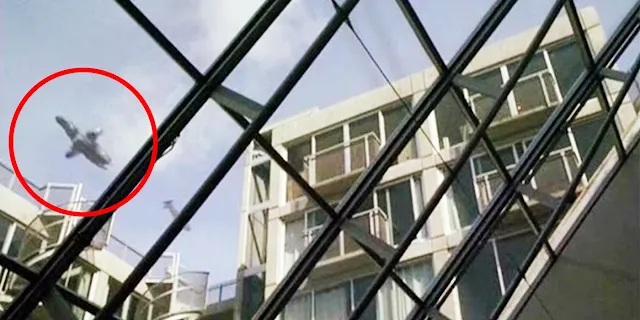
How Firefly's Serenity made a quick cameo in Battlestar Galactica

 serenity-firefly-cameo-battlestar-galactica


The Serenity ship from Firefly, which was created by Joss Whedon and gained a cult following, made a quick cameo appearance in Battlestar Galactica, a popular science fiction TV series created by Ronald D. Moore. The crossover happened in the season 4 episode titled "Someone to Watch Over Me."

The Serenity ship appeared in a brief scene where it was seen flying over the planet Caprica, which was the setting for the initial attack by the Cylons. The ship's appearance was a nod to the fans of Firefly and served as an Easter egg for those who were familiar with the show.

The Serenity ship, which was a Firefly-class transport ship, had a distinct appearance with its rustic and worn-down exterior. Its inclusion in Battlestar Galactica was a fun reference to the sci-fi genre and its passionate fans.

The use of Easter eggs and references to other shows or movies is a common practice in the entertainment industry, especially in science fiction. It not only shows a 'connection' between different fictional universes but also creates a sense of shared history and culture among fans.

"From 'Doctor Who' to 'Stranger Things': The Cult Appeal of Sci-Fi TV"

Cult TV shows have a special place in the hearts of viewers who become devoted fans, eagerly awaiting each new episode and poring over every detail of their favorite characters and storylines. What sets these shows apart from mainstream hits is their ability to capture the imagination and create a dedicated following, often for years or even decades after their initial release. 


Whether it's the blend of sci-fi and other genres, the complex themes and issues explored, or the memorable characters and storylines, cult shows have a special magic that draws in viewers and keeps them hooked. In this article, we'll take a closer look at 12 great sci-fi based television shows that have achieved cult status and explore why they continue to be beloved by fans around the world.


davros doctor who dalek leader

1. "Doctor Who" - This British TV series first premiered in 1963 and is known for its titular character, the Doctor, a time-traveling alien from the planet Gallifrey who travels through space and time in a spaceship called the TARDIS. The show has a dedicated following due to its blend of sci-fi, adventure, and humor, as well as the unique concept of regeneration, which allows the Doctor to change his appearance and personality over time. The show has also been successful in reinventing itself over the years, with new actors and showrunners bringing fresh perspectives to the story.


2. "The X-Files" - This American TV series first aired in 1993 and follows FBI agents Mulder and Scully as they investigate paranormal phenomena and government conspiracies. The show has a cult following due to its blend of horror, sci-fi, and conspiracy theory themes, as well as the dynamic between the two lead characters, who have a strong chemistry and provide comic relief. The show also popularized the "monster-of-the-week" format, which became a staple of many subsequent sci-fi shows.


gillian anderson xfiles red dress
Dana Scully / Gillian Anderson...

3. "Firefly" - This American TV series was created by Joss Whedon and premiered in 2002, but was cancelled after just one season due to low ratings. The show has since gained a cult following due to its unique blend of sci-fi and western genres, as well as the witty and quotable dialogue, memorable characters, and complex world-building. The Firefly show also explores themes of colonialism and individuality, and has been praised for its diverse cast.


4. "Battlestar Galactica" - This American TV series premiered in 2004 and is a reimagining of the 1970s show of the same name. The show follows the last remnants of humanity as they flee from their home planet and are pursued by the robotic Cylons. The show has a cult following due to its complex characters, intense drama, and exploration of complex moral and ethical issues, such as the nature of humanity, the role of religion, and the ethics of war.


5. "Star Trek: The Original Series" - This classic American TV series premiered in 1966 and follows the crew of the starship Enterprise as they explore the galaxy and encounter new civilizations. The show has a cult following due to its groundbreaking approach to science fiction, which tackled social and political issues of the time, such as racism, war, and feminism. The show also introduced many iconic sci-fi concepts, such as warp drive, transporters, and the Prime Directive.


6. "The Twilight Zone" - This classic American TV series premiered in 1959 and is known for its anthology format, which features standalone episodes with twist endings. The show has a cult following due to its use of science fiction and horror to explore human nature and morality, as well as the iconic narration and music by creator Rod Serling. The show also attracted many famous actors and writers, such as William Shatner and Ray Bradbury.


7. "Buffy the Vampire Slayer" - This American TV series premiered in 1997 and follows the titular character, a teenage girl who is chosen to fight supernatural evil. The show has a cult following due to its blend of horror, sci-fi, and humor, as well as the strong female lead and exploration of teenage issues. The show also featured a diverse cast and tackled topics such as sexuality, mental health, and power dynamics. 


buffy vampire slayer

Note, that's two cult classics for writer / director Joss Wheedon. Dollhouse is not on the list however...


8. "The Outer Limits" - This classic American TV series premiered in 1963 and is known for its use of sci-fi and horror to explore philosophical and ethical issues. The show has a cult following due to its anthology format, which features standalone episodes with different storylines and characters. The show also featured many well-known actors and writers, such as Robert Duvall and Harlan Ellison, and tackled themes such as artificial intelligence, time travel, and the nature of reality.


9. "Farscape" - This Australian-American TV series premiered in 1999 and follows astronaut John Crichton as he is transported to a distant part of the universe and joins a crew of escaped prisoners on a living spaceship. The show has a cult following due to its unique blend of sci-fi, comedy, and drama, as well as the complex characters and relationships. The show also explores themes of identity, culture clash, and the nature of reality.


10. "Twin Peaks" - This American TV series created by David Lynch premiered in 1990 and follows FBI agent Dale Cooper as he investigates the murder of a young woman in a small town. The show has a cult following due to its surreal and mysterious atmosphere, as well as the quirky and memorable characters. The show also explores themes of duality, dreams, and the dark underbelly of small-town life. Not even sure this is a sci-fi film, however it's here. Deal with it. 


11. "Orphan Black" - This Canadian TV series premiered in 2013 and follows Sarah Manning, a woman who discovers she is a clone and is drawn into a conspiracy involving other clones. The show has a cult following due to its intricate plot, strong performances by lead actress Tatiana Maslany, and exploration of themes such as identity, nature vs. nurture, and reproductive rights. The show also tackles issues such as genetic engineering and corporate greed.


12. "Stranger Things" - This American TV series created by the Duffer Brothers premiered in 2016 and is set in the 1980s, following a group of kids who encounter supernatural events in their small town. The show has a cult following due to its nostalgia for 80s pop culture, as well as the strong ensemble cast and suspenseful plot. The show also explores themes of friendship, loss, and government conspiracy.


Overall, these science fiction based television shows have achieved cult status due to their unique themes, memorable characters, and exploration of complex social, philosophical, and ethical issues. They have captured the imaginations of audiences through their creative storytelling, engaging visuals, and imaginative world-building, which have allowed them to remain popular and influential long after their original air dates.

Battlestar Galactica: A Viewing Guide

Ronald D. Moore's Battlestar Galactica is an epic science fiction television series that has left an indelible mark on the genre. The show premiered in 2004 and ran for four seasons, captivating audiences with its gripping storyline, complex characters, and stunning visual effects.

Set in a distant star system, the show follows the last surviving humans as they flee from their homeworlds after being attacked by the robotic Cylons. Led by Admiral William Adama (played by the iconic Edward James Olmos) and President Laura Roslin (played by Mary McDonnell, The Fall of the House of Usher), the humans are forced to embark on a desperate journey to find a new home while being pursued relentlessly by the Cylons.

The show made a star of Katee Sackhoff as Kara 'Starbuck' Thrace:

katee sackhoff bicyle riding bikini promo

One of the things that sets Battlestar Galactica apart from other sci-fi shows is its focus on character development. The series features a diverse cast of characters, each with their own flaws, strengths, and motivations. The show explores their personal relationships, their struggles, and their ethical dilemmas in a way that is both compelling and relatable.

Another aspect that sets the show apart is its willingness to tackle complex themes and issues. Battlestar Galactica explores topics such as the nature of humanity, the dangers of artificial intelligence, the ethics of war, and the role of religion in society. The show raises thought-provoking questions and challenges viewers to consider their own beliefs and values.

Moore is a prolific writer and outside of the main season found time to prepare webisodes and two TV movie length features. 

Here's the best viewing order for the Battlestar Galactica series:

  1. Battlestar Galactica: Oiriginal Mini-Series (2003)
  2. Battlestar Galactica: Season 1 (2004)
  3. Battlestar Galactica: Season 2 (2005-2006)
  4. Battlestar Galactica: Razor (2007) - This movie tells the story of the Pegasus and should be watched after Season 2 and before Season 3. Be warned, it does have some hints of what happens in season 4 near the end...
  5. Battlestar Galactica: Season 3 (2006-2007)
  6. Battlestar Galactica: Razor Flashbacks (2007) - These webisodes can be watched after Razor or after Season 3.
  7. Battlestar Galactica: The Resistance (2006) - These webisodes can be watched after Season 2 or 3.
  8. Battlestar Galactica: Season 4, Part 1 (2008)
  9. Battlestar Galactica: The Face of the Enemy (2008-2009) - These webisodes should be watched during Season 4, but can be skipped.
  10. Battlestar Galactica: Season 4, Part 2 (2009)
  11. Battlestar Galactica: The Plan (2010) - This movie should be watched after Season 4.
22 April 2023

Do the Cylons in BattleStar Galactica belive in God?

 The television series "Battlestar Galactica" follows the story of a group of human survivors who are on the run from a race of robots known as Cylons, who were originally created by humans but have since rebelled against their creators. One of the central themes in the series is religion, with many of the characters struggling with their beliefs in a higher power. However, the question remains: do the Cylons themselves believe in God?


tricia helfer battlestar galactica
Jesus Christ pose...

The Cylons have their own religion, which is based on the idea of a single, all-powerful entity known as "God." This belief system is introduced early on in the series, with the Cylon Number Six (played by Tricia Helfer) speaking to human captive Dr. Gaius Baltar (played by James Callis) about the existence of God. Baltar initially dismisses her claims as a ploy to manipulate him, but over time, he begins to believe in her words.

Throughout the series, we see the Cylons engage in religious practices such as prayer and meditation, as well as the use of religious language and symbolism. For example, the Cylons refer to their human targets as "infidels," a term typically associated with religious conflict. Additionally, the Cylon ships are often adorned with religious imagery, such as the Eye of Jupiter, a symbol that represents the Cylon's quest for divine guidance.

The Cylons believe that God is a single entity that created both humans and Cylons. However, they also believe that God is present in all things, and that everything is connected through this divine presence. This belief is exemplified in the Cylon concept of the "One True God," which suggests that all religions are merely different interpretations of the same divine force.

The Cylon God is portrayed as a mysterious and elusive entity, with many of the characters struggling to understand its nature. In one episode, a Cylon named Leoben (played by Callum Keith Rennie) tells human captive Kara Thrace (played by Katee Sackhoff) that God is "perfect," but also "unknowable." This ambiguity surrounding the nature of God mirrors the philosophical and theological debates that have been present in human religions for centuries.

The Cylon belief in God is significant in its relationship to their interactions with humans. While the Cylons initially view humans as inferior, they come to see them as a necessary part of God's plan. The Cylon Number Six tells Baltar that humans are "imperfect" but that they are still part of God's design. The Cylons' belief in God helps them to justify their actions against humans, as they see themselves as carrying out God's will.

However, the relationship between humans and Cylons is also complicated by the fact that the Cylons themselves are created by humans. This raises questions about the nature of free will and the role of humans in the Cylon's existence. Additionally, the Cylon belief in God also raises questions about the nature of forgiveness and redemption, as both humans and Cylons struggle to come to terms with their past actions.

Given the above, is ironic then that Starbuck turns out to be an angel in the final episode of Galactica?

kara thrace star buck

The revelation that Starbuck (played by Katee Sackhoff) is an angel in the final episode of Battlestar Galactica is certainly a surprising twist in the show's plot. However, whether or not this twist is ironic depends on how one interprets the relationship between the Cylon belief in God and the nature of the show's spiritual elements.

With as far as we are concern are the most boring elements of the show. 

On one hand, Starbuck's status as an angel may be seen as ironic in light of the fact that the Cylons, who also believe in God (well some of them don't), are portrayed as the antagonists for much of the series. Starbuck's revelation as an angel might suggest that the Cylon's perspective on God and spirituality is flawed or incomplete, and that there are other, more mysterious forces at work in the universe.

On the other hand, it is worth noting that the Cylons themselves are depicted as having a complex and nuanced understanding of spirituality, one that is not easily reduced to a simple binary of good and evil. The revelation that Starbuck is an angel may therefore be seen as adding another layer to the show's exploration of the nature of belief, and of the relationship between the physical and the spiritual realms.

Ultimately, whether or not Starbuck's revelation as an angel is ironic depends on how one interprets the show's larger themes and messages. While it may be surprising, it is also in keeping with the show's overall exploration of the complex and often contradictory nature of human spirituality.

About the author Jimmy Jangles


My name is Jimmy Jangles, the founder of The Astromech. I have always been fascinated by the world of science fiction, especially the Star Wars universe, and I created this website to share my love for it with fellow fans.

At The Astromech, you can expect to find a variety of articles, reviews, and analysis related to science fiction, including books, movies, TV, and games.
From exploring the latest news and theories to discussing the classics, I aim to provide entertaining and informative content for all fans of the genre.

Whether you are a die-hard Star Trek fan or simply curious about the world of science fiction, The Astromech has something for everyone. So, sit back, relax, and join me on this journey through the stars!
Back to Top