03 April 2023

Ripley and Clemens: A Relationship Symbolic of Hope and Despair in Alien 3

The relationship between Ellen Ripley and Dr. Jonathan Clemens in Alien 3 was a sudden and unexpected development in the storyline.

It was especially surprising given that Ripley had just learned of the tragic deaths of Newt and Hicks, whom she had grown to love and care for deeply in Aliens. The emotional trauma and grief that Ripley experienced were palpable, and it would be natural to assume that she would not be in the right frame of mind to pursue a romantic relationship.

However, Clemens' character brought a sense of compassion and understanding that Ripley found solace in, ultimately leading to their intimate relationship.

celmens ripley alien 3

Despite the sudden nature of their relationship, there were underlying reasons why it developed so quickly. 

In the context of being stranded on a prison planet with limited options for social interaction, their relationship provided a sense of human connection and comfort amidst the chaos. In many ways, the relationship between Ripley and Clemens was a reflection of their shared experiences of loss, trauma, and the need for human connection in an isolating and hostile environment.

Here are some thematic considerations of this relationship.

Isolation and Desperation:


The relationship between Ripley and Clemens begins as a result of their shared isolation and desperation. Both characters are stranded on a remote planet, surrounded by violent prisoners and a deadly alien creature. In this bleak and hopeless environment, their connection provides a brief moment of respite from the constant danger and loneliness. Ripley finds comfort in Clemens' gentle nature and his willingness to listen to her fears and concerns, while Clemens is drawn to Ripley's strength and resilience in the face of overwhelming adversity

Challenging Traditional Gender Roles:


The relationship between Ripley and Clemens also challenges traditional gender roles and power dynamics. Ripley is portrayed as a strong and independent female character who takes charge of her own survival, while Clemens is initially shown as a somewhat timid and vulnerable male character. 

Fragility of Relationships:


The relationship between Ripley and Clemens also highlights the fragility of human connection in a world where death is always looming. Their relationship is cut short by the sudden and violent death of Clemens, reinforcing the idea that nothing is certain or permanent in the face of death. The loss of their connection serves as a reminder of the precarious nature of relationships in a world where survival is uncertain.

Furthermore, the death of Clemens also symbolizes the loss of hope and the failure of Ripley's attempts to find a way off the planet. The relationship between Ripley and Clemens was a symbol of hope, representing the possibility of a brighter future amidst the bleakness of their situation. However, the sudden and violent end of their relationship serves as a metaphor for the crushing reality of the situation they find themselves in.

In conclusion, the relationship between Ripley and Clemens in Alien 3 is significant for a number of thematic reasons. It serves as a reminder of the isolation and desperation felt by the characters, challenges traditional gender roles and power dynamics, and highlights the fragility of human connection in a world where death is always looming.

Compensation for Creative Work: "Kill Fees" in the Film Industry

A "kill fee" is a payment made to a writer or director who is removed from a project before it is completed. These types of fees are common in Hollywood, particularly in the science fiction genre, where films often go through extensive development before making it to the screen. 

superman lives nic cage


Here are a few examples of famous "kill fees" in science fiction film history:
  1. Alejandro Jodorowsky's "Dune": In the 1970s, filmmaker Alejandro Jodorowsky began work on an ambitious adaptation of Frank Herbert's classic sci-fi novel "Dune." Jodorowsky spent years developing the project, assembling a dream team of artists and musicians to help bring his vision to life. However, the project ultimately fell apart, and Jodorowsky was paid a "kill fee" by the studio to compensate him for his work. The experience left Jodorowsky bitter, and he has since referred to the project as "the most important movie never made."
  2. David Twohy's "Alien 3": After Vincent Ward left the project, the studio hired David Twohy to write a new script for "Alien 3." Twohy spent several months working on the script before being replaced by David Giler and Walter Hill, who ultimately received the film's screenwriting credit. Twohy reportedly received a "kill fee" for his work on the project.
  3. Joss Whedon's "Wonder Woman": In the early 2000s, Joss Whedon was hired to write and direct a film adaptation of the DC Comics character Wonder Woman. Whedon spent several months developing the project, but creative differences with the studio ultimately led to his departure. Whedon received a "kill fee" for his work on the project, and the film was ultimately directed by Patty Jenkins.
  4. Neill Blomkamp's "Alien 5": In 2015, Neill Blomkamp announced that he would be directing a new "Alien" film, which would serve as a sequel to "Aliens" and ignore the events of "Alien 3" and "Alien: Resurrection." Blomkamp began work on the project and even shared concept art online, but the film was ultimately canceled. Blomkamp received a "kill fee" for his work on the project, and the franchise has since continued with Ridley Scott and other writers as Covenant and Prometheus.
  5. Tim Burton's "Superman Lives": In the late 1990s, Tim Burton was attached to direct a new Superman film, titled "Superman Lives," with Nicolas Cage in the lead role. The film went through numerous script revisions and pre-production work, but creative differences between Burton and the studio led to his departure from the project. Burton has a 'pay or play' fee off 5 million dollars for his work on the film, and the project was ultimately shelved.
  6. Guillermo del Toro's "At the Mountains of Madness": In the early 2010s, Guillermo del Toro began work on an adaptation of H.P. Lovecraft's novella "At the Mountains of Madness." The film was set to star Tom Cruise and was described as a passion project for del Toro. However, the project ultimately fell apart due to budget concerns, and del Toro was paid a "kill fee" for his work on the project. Del Toro has since gone on to direct other successful sci-fi and fantasy films, including "Pacific Rim", Pan's Labyrinth and "The Shape of Water."
  7. megan gale as wonder womanGeorge Miller's "Justice League Mortal": In the mid-2000s, George Miller was attached to direct a new "Justice League" film, titled "Justice League Mortal." The film was set to feature a cast of up-and-coming actors, including Armie Hammer (cannibal?) as Batman and Megan Gale as Wonder Woman. However, the project was ultimately cancelled due to budget concerns, and Miller was reportedly paid a "kill fee" for his work on the film. The project has since been revived with other directors and actors.
Overall, "kill fees" are a common part of the film industry, particularly in the science fiction genre, where films often go through extensive development before making it to the screen. While they can be disappointing for the writers and directors involved, they are designed to compensate them for their time and help avoid potential legal disputes over creative ownership of the project

Fincher's Alien 3: The Troubled Production and Legacy of a Cult Classic

The film production of Alien 3 was notoriously troubled, with numerous creative conflicts, budget issues, and delays plaguing the project from start to finish. The film was directed by David Fincher, who helming his first feature film at the time and was produced by Walter Hill and David Giler, who had worked on the previous two entries in the Alien franchise.

One of the major challenges facing the production was the script, which went through numerous revisions and was written by a number of different writers. New Zealand's Vincent Ward was originally hired to direct the film and wrote a story treatment that was set on a wooden planet inhabited by monks. However, his vision for the film clashed with the producers, and he was eventually replaced by David Fincher. 

The script was then rewritten by a series of writers, including William Gibson, Eric Red, and David Twohy (Pitch Black), before ultimately being credited to Hill, Giler, and Larry Ferguson. The constantly changing script led to confusion and frustration among the cast and crew, as well as disagreements between the filmmakers and the studio.

Here's just a taste of the history of the film's troubled production.

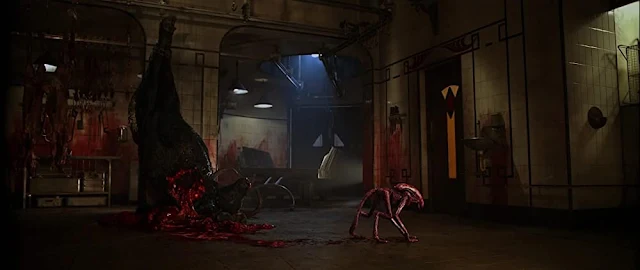
alien 3 xenomorph ripley

The early scriptwriters of Alien 3

In the early stages of the development of Alien 3, several writers were hired to prepare scripts for the film. William Gibson, Eric Red, and David Twohy were among the most prominent writers who worked on the project.

William Gibson, who is best known for his groundbreaking cyberpunk novels such as Neuromancer, was hired to write the first draft of the Alien 3 script. Gibson's script, which was titled "Alien III: Gibson Draft," was very different from the final film. 

It was set in a corporate-run research facility in space and featured a new type of alien that was created through genetic experimentation. Although Gibson's script was never filmed, it had a major influence on the final version of the film and introduced several key concepts that were incorporated into the story.

Side story: 

In 2018-19, Dark Horse Comics published a five-part comic book series called "William Gibson's Alien 3." The comic book series was an adaptation of William Gibson's original screenplay for the movie "Alien 3," which never got produced. The adaptation was done by Johnnie Christmas and colored by Tamra Bonvillain.

The comic book series follows the story of the survivors of the spaceship Sulaco, which has crash-landed on a planet called Anchorpoint. The planet is owned by the Weyland-Yutani Corporation, which is conducting secret experiments on the Xenomorphs, the deadly creatures from the "Alien" franchise. The survivors of Sulaco, including the series' protagonist, Hicks, find themselves caught in the middle of a power struggle between the Weyland-Yutani Corporation and the United States Colonial Marines.

Back to the revolving door of scriptwriters...

Eric Red, who had previously written scripts for horror films such as Near Dark and absolute classic The Hitcher, was hired to write a second draft of the Alien 3 script. Red's script, which was titled "Nightmare Asylum," was also very different from the final film. It was set on a military-run space station and featured a new type of alien that was created through genetic engineering. Red's script was eventually rejected, but several of his ideas were later incorporated into the final version of the film.

David Twohy, who would later go on to write and direct the sci-fi films Pitch Black and The Chronicles of Riddick, was hired to write a third draft of the Alien 3 script. 

Twohy's script, which was titled "Vincent Ward's Alien III," was based on the original concept for the film by Vincent Ward, who was initially hired to direct but later left the project. Twohy's script was set on a wooden planet inhabited by monks, and featured a new type of alien that was created through a symbiotic relationship with its host. 

Although Twohy's script was also ultimately rejected, several of his ideas were later incorporated into the final version of the film.

ellen riplely alien 3

Vincent Ward's effort to direct Alien 3

Vincent Ward (River Queen, What Dreams May Come) was a New Zealand director (oh so NZ has directors other than Peter Jackson? - Ed) who was initially hired to direct "Alien 3" in the late 1980s. Ward's vision for the film was vastly different from the previous two installments of the franchise. His idea was to set the movie on a wooden planet populated by monks who had taken a vow of celibacy. The story would have involved the arrival of Ripley and the Xenomorph on this planet and how the monks had to confront their beliefs and the alien threat.

Ward's unique approach to the franchise excited the producers, but the studio was hesitant to greenlight his vision. They wanted a more traditional sequel that would follow the action-packed style of the previous two movies. Ward and the studio went back and forth for several months before he finally left the project due to creative differences.

Despite Ward's departure from the project, his vision had an impact on the final version of "Alien 3." The wooden planet concept was eventually scrapped, but the setting of a prison planet was retained. The monks were replaced by violent criminals, and Ripley became the only female character in the movie.

The final, formally credited screenwriters

After what already seems a 'party of screenwriters' had already taken place, the formal script credits for Alien 3 reflect the contributions of several writers who worked on the film's screenplay. Vincent Ward as noted above had written a story treatment for the film, which was set on a wooden planet inhabited by monks. Although Ward ultimately left the project and his version of the script was not used, he received a "Story By" credit for his contributions.

David Giler, Walter Hill, and Larry Ferguson are credited as the screenwriters for Alien 3. Giler and Hill were the producers of the film and had worked on the previous two entries in the Alien franchise, while Ferguson was brought in to help them write the screenplay.

Although the final version of the screenplay for Alien 3 was heavily revised from the original story treatment by Vincent Ward, it still retained several elements of his original concept, such as the idea of the alien being born from a human host rather than an egg. The screenwriters also incorporated ideas from earlier drafts of the screenplay by other writers, such as William Gibson and Eric Red.

Despite the final screenplay being credited to Giler, Hill, and Ferguson, director David Fincher made significant changes to the film during production and post-production, leading to tension between him and the producers.

Speaking of...  

Enter David Fincher

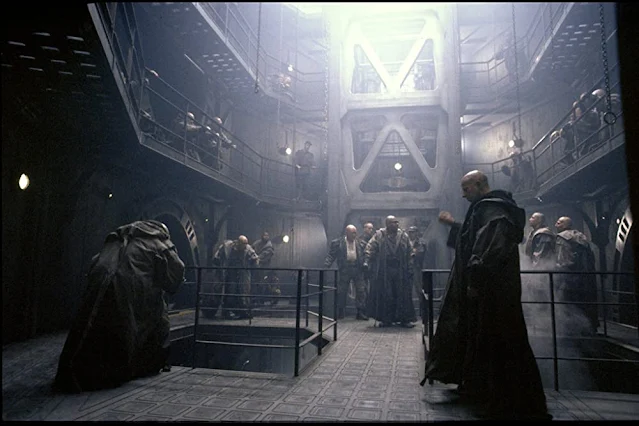
prisoners alien 3

After Ward's departure, several other directors were considered, including Renny Harlin and David Cronenberg

However, it was David Fincher's work as a music video director that caught the attention of the producers. Fincher had directed music videos for several high-profile artists, including Madonna, Aerosmith, and Michael Jackson, and had established a reputation for his edgy and visually striking style.

Despite having no experience directing feature films, Fincher was eventually hired to direct "Alien 3." It was a challenging project for him, as he was given a tight schedule and had to deal with constant interference from the studio.

David Fincher's experience directing "Alien 3" was a challenging one, marked by numerous production problems and clashes with the studio. One of the major issues was that he was hired late in the process and did not have much input on the script. The studio was constantly revising the script, which made it difficult for Fincher to develop a cohesive vision for the film. Additionally, the studio had set a tight release date for the movie, which gave Fincher only a limited amount of time to shoot and edit the film.

Fincher also clashed with the studio over the tone and content of the film. The studio wanted a more action-packed movie, while Fincher wanted to focus on character development and atmosphere. This led to tension on set and disagreements about the direction of the film.

The production was also plagued with various problems, including malfunctioning equipment, uncooperative actors, and even a fire that destroyed one of the sets. These setbacks further added to Fincher's frustration with the project.

To make matters worse, the studio interfered with the editing process, making significant changes to the film without Fincher's approval. This resulted in a theatrical cut of the film that Fincher believes does not accurately represent his vision.

Furthermore, the film's ending was changed several times during production, with the studio insisting on a more upbeat and hopeful finale than Fincher had originally intended. This further strained his relationship with the studio and added to the difficulties of the project.

All of these issues took a toll on Fincher, and he has since described the experience as incredibly frustrating. In fact, he briefly considered quitting the film industry altogether. Despite these challenges, Fincher managed to complete the film and deliver a unique and visually stunning entry in the "Alien" franchise, albeit one that was heavily compromised by studio interference.

The critical reception to Alien 3 was....bad

The reception to "Alien 3" was mixed, with some critics praising the film's atmosphere and visuals, while others criticized its convoluted plot and lack of character development.

The film received mixed reviews from critics, with many noting that it did not live up to the high standards set by the previous entries in the "Alien" franchise. Some reviewers praised the movie's dark and moody atmosphere, as well as its visually striking design. However, others criticized the film's convoluted plot, weak character development, and reliance on shock value over genuine scares.

Alien 3 was released in 1992 and had a worldwide box office gross of approximately $159 million, which was less than the box office grosses of the previous two films in the Alien franchise. The film's production budget was estimated to be around $50 million, making it a financial disappointment for the studio.

However, Alien 3 did have some success in the home video market, where it was released on VHS and LaserDisc. According to reports at the time, the film was one of the top-selling titles in the rental market in the United States and was also a popular seller in the home video market.

When compared to the success of the previous two Alien films, Alien 3's box office performance was lower than that of its predecessors. The first Alien film, released in 1979, had a worldwide box office gross of approximately $104 million, while its sequel, Aliens, released in 1986, had a worldwide box office gross of approximately $183 million.
 
Thus "Alien 3" was also a commercial disappointment, failing to match the box office success of its predecessors. Part of this may have been due to the lukewarm critical reception, but the film's troubled production history and various delays likely also contributed to its lackluster performance at the box office.

Fincher eventually disowned the film...

David Fincher has been open about his dissatisfaction with the final product of "Alien 3" and has disowned the theatrical cut of the film. In interviews, Fincher has expressed frustration with the compromises he was forced to make during the production process and with the final edit of the movie, which he feels does not accurately represent his vision.

In a 2019 interview with Empire Magazine, Fincher said, "It was a nightmare. The studio had a release date before we had a script. They wouldn't tell us what the release date was, but it was in stone. The first day [of filming], we were on the beach shooting and I got a phone call saying, 'The film comes out in August'. We didn't have a finished script."

He has also been critical of the studio's interference with the editing process, saying that they made significant changes to the film without his approval. In a 2009 interview with The Guardian, Fincher said, "I had to work on it for two years, got fired off it three times and I had to fight for every single thing. No one hated it more than me; to this day, no one hates it more than me."

Alien 3 has actually become a cult film, despite it being part of a mega film franchise

"Alien 3" has become a cult film in its own right, despite being part of a mega film franchise. The movie's dark and moody atmosphere, as well as its unique vision and willingness to take risks, have helped it to stand out from the other entries in the "Alien" series.

One of the reasons that "Alien 3" has gained a cult following is probably troubled production history as discussed above. Fans are often fascinated by the behind-the-scenes drama that went into making the movie, including the clashes between director David Fincher and the studio over the film's tone and content. This has helped to create a sense of mystique and intrigue around the film, which has only increased its cult appeal.

Another factor that has contributed to "Alien 3" becoming a cult film is its willingness to break with convention and take risks. Unlike the previous "Alien" movies, which focused heavily on action and thrills, "Alien 3" is a much more introspective and character-driven film. This has helped to give it a unique identity and has made it stand out from the other movies in the franchise.

Christopher Nolan, who has since become considered Hollywood directing royalty said this of Fincher's effort:

nolan fincher respect


The Assembly Cut of Alien 3

assembly cut xenomorph dragon birth

The Assembly Cut of Alien 3 is an extended version of the film that was put together by filmmaker Charles de Lauzirika for the Alien Quadrilogy DVD box set release in 2003. This version of the film was created using a combination of deleted scenes, unfinished footage, and alternate takes, and was intended to be a more complete and satisfying version of the film than the theatrical cut.

One of the most significant changes in the Assembly Cut is the restoration of several key scenes that were cut from the theatrical release. These include a longer opening sequence that shows the escape pod from Aliens crash landing on the prison planet, as well as additional scenes that flesh out the characters and the setting. These scenes help to establish a stronger sense of place and atmosphere, and also provide more context for the story.

One of the major differences is the ending, which is longer and more nuanced than the theatrical version. In the assembly cut, Ripley's decision to sacrifice herself to destroy the alien is given more weight and emotional depth. The scene is also extended to include an important conversation between Ripley and Dillon, a prisoner who has become her ally. The assembly cut's ending provides a more satisfying and emotionally resonant conclusion to the film, as it emphasizes the themes of sacrifice and redemption that are central to the story.

Overall, the Assembly Cut of Alien 3 is generally regarded as a significant improvement over the theatrical version, and is often considered to be the most definitive version of the film. Its inclusion in the Alien Quadrilogy DVD box set has also helped to raise awareness of the film and give it a new level of respect among fans of the franchise.

We'll leave the final cut on Alien 3 to Sigourney Weaver

Sigourney Weaver, who played the lead role of Ellen Ripley in "Alien 3," after her iconic stint in the original Alien and Aliens was reportedly frustrated with the film's troubled production. She had originally signed on to work with director Renny Harlin, but when he left the project, she was left without a director she trusted. She also reportedly clashed with the film's producers over the script and the film's direction. In an interview with Empire magazine, Weaver stated that she had "mixed feelings" about the film, and that she felt it was a missed opportunity.

In terms of her contract, Weaver had negotiated a deal that gave her a significant amount of control over the film's direction. By the time she finally signed she had script approval and was able to make creative suggestions throughout the production process. She also reportedly had a clause in her contract that allowed her to veto the use of any footage that she felt was detrimental to her character or the film as a whole.

Sigourney Weaver has said several things about "Alien 3" over the years. In addition to her mixed feelings about the film's troubled production, she has also expressed frustration with the film's marketing campaign, which she felt oversold her character's involvement in the story. She has also stated that she felt that the film was rushed into production before the script was fully developed, which contributed to the film's problems.

At the same time, Weaver has also defended the film, noting that it was an ambitious project that attempted to do something new with the "Alien" franchise. She has praised the film's darker tone and its exploration of themes such as religion and mortality. She has also expressed admiration for director David Fincher, despite the difficult circumstances of the film's production.

Fincher went on to become a celebrated director making notable films such as Seven, Zodiac, and Fight Club (but we can't talk about that). He was instrumental in the success of The House of Cards for Netflix and Serenity's Edge.

Contrasting the Matrix of Leadership and the All Spark in Transformers

TRANSFORMERS ARTIFACTS: LORE ANALYSIS

Within the cosmic lore of the Transformers saga, two artifacts represent the fundamental duality of the Cybertronian race: the Matrix of Leadership and the AllSpark. They are the twin concepts of cultivated wisdom versus raw creation, of earned responsibility versus the chaotic potential of life itself. 

To understand their distinct roles is to understand the core philosophies that drive the Autobot and Decepticon causes.

The Matrix of Leadership is not merely a symbol; it is a holy relic, a direct conduit to the divine spark of the Transformers' creator-god, Primus. 

Forged by Primus himself and first borne by Prima, the leader of the original Thirteen Primes, its purpose is to safeguard the collected wisdom and experiences of every leader who has carried it. It is a sapient artifact whose immense power is secondary to its primary function as a library of leadership, morality, and sacrifice. 

The Matrix does not grant power easily; it tests the spirit, demanding worthiness and self-awareness. It represents the belief that true leadership is a burden to be carried, a legacy to be honored, and a light to be shone against the encroaching darkness.

In stark contrast, the AllSpark embodies the untamed, amoral power of genesis. In many continuities, it is the vessel that carried the very lifeblood of Cybertron from the Well of All Sparks, the planetary core where new Cybertronian life is born. 

Where the Matrix is a curated collection of wisdom, the AllSpark is a torrent of raw creative energy, capable of spontaneously granting life to any technology it touches. It has no conscience or agenda; it simply creates. 

This makes it the ultimate prize, a tool that can be used for rebirth and restoration in the hands of the Autobots, or for corruption and the creation of a monstrous, unthinking army in the hands of the Decepticons. 

💎 The Matrix of Leadership

The Transformers: The Movie (1986)

Artifact: Matrix of Leadership
Core Theme: Destiny and Worthiness

Thematic Insight:

This film establishes the Matrix as a quasi-sentient artifact that embodies the central theme of worthiness versus experience. It is not a weapon to be simply wielded but a sacred trust to be earned. The dying Optimus Prime passes it to the seasoned soldier Ultra Magnus, but the Matrix rejects him due to his crippling self-doubt. This illustrates that true leadership requires not just strength, but an unwavering spirit and belief in oneself. The Matrix must be opened by one who is willing to embrace their destiny, no matter how unprepared they feel.

Hot Rod opens the Matrix, becoming Rodimus Prime

Plot Function:

It is ultimately the young and impulsive Hot Rod who, in a moment of selfless courage inside the chaos-bringer Unicron, proves his worth. The Matrix recognizes his inherent nobility and transforms him into Rodimus Prime. The act of opening the Matrix to "light our darkest hour" establishes its lore as the ultimate weapon against cosmic evil, channeling the collective wisdom and pure energy of past Primes to obliterate Unicron from within. It is both a key to personal evolution and a beacon of hope against oblivion.

Transformers: Revenge of the Fallen (2009)

Artifact: Matrix of Leadership
Core Theme: Sacrifice and Resurrection

Thematic Insight:

Here, the Matrix's lore is reimagined as an ancient key tied to the Dynasty of Primes. Its function as both a key to planetary destruction and a vessel for resurrection drives the plot. The artifact tests worthiness in a new way: it turns to dust because its power cannot be simply taken. It must be earned through a great sacrifice. The human protagonist, Sam Witwicky, proves his worthiness not through combat, but through his unwavering loyalty and willingness to die for Optimus. This act bridges the human-Cybertronian bond and asserts that qualities like self-sacrifice are universal.

Plot Function:

The Matrix's primary function becomes the resurrection of Optimus Prime. After Sam proves his worth, the dust reforms into the artifact, which he uses to pour life back into Optimus's spark. This positions the Matrix as a literal key to life and the only hope against The Fallen, the ancient Decepticon who can only be defeated by a Prime. It is a tool that restores the past to save the future.

Transformers: Prime ("One Shall Rise" & "Orion Pax")

Artifact: Matrix of Leadership
Core Theme: Identity and Burden

Thematic Insight:

This storyline explores the theme of identity and the immense burden of the Matrix. To defeat Unicron, Optimus must empty the Matrix's entire energy, an act so profound it erases his own memories as a Prime and reverts him to the humble data clerk he once was, Orion Pax. This lore establishes the Matrix not as a separate object, but as an intrinsic part of the bearer's consciousness. It is a repository of wisdom so vast it overwrites a personality. The plot then centers on the idea that leadership is an amalgam of the artifact's power and the individual's own experience, as the Autobots fight to restore the 'Optimus' identity to the 'Orion' body.

Plot Function:

The empty Matrix serves as a symbol of Optimus's lost self. The quest to restore his memory becomes a race against time, as Megatron manipulates the naive Orion Pax. Jack Darby's journey to Cybertron to recharge the Matrix with the wisdom of the Primes solidifies its role as a living library of leadership. Its restoration not only brings Optimus back but reaffirms that his identity as a Prime is not just a title but a hard-won fusion of his past self and the collective knowledge he carries.

🧊 The AllSpark

Transformers (2007)

Artifact: The AllSpark
Core Theme: Creation and Corruption

Thematic Insight:

The AllSpark is introduced as a raw, almost chaotic force of creation, the source of all Cybertronian life. In contrast to the Matrix's wisdom, the AllSpark's power is untamed and morally neutral. The core conflict is a race for this creative potential. The Autobots hope to use it to restore their dead world, a symbol of hope. The Decepticons want to corrupt its power to build a new army from Earth's technology, turning a life-giving force into a tool of conquest. This duality highlights how great power can be used for either salvation or destruction.

Plot Function:

As the central MacGuffin, the AllSpark drives the entire plot. Its eventual use to kill Megatron, by being pushed into his spark chamber, is a pyrrhic victory. Sam Witwicky saves the world by destroying the Autobots' only hope of ever restoring their own. This act symbolizes the tragic, permanent loss of the Cybertronian homeworld and the future of their race, cementing their place as refugees and protectors of Earth.

Transformers: Animated (2007-2009)

Artifact: The AllSpark
Core Theme: Responsibility and Chaos

Thematic Insight:

When the AllSpark shatters, its fragments become central to the plot, each a miniature, unpredictable source of life. This "scavenger hunt" arc explores the theme of responsibility. The Autobots must contain the chaos unleashed by the fragments as they animate random technology, creating both allies and dangerous new villains. This decentralized power demonstrates that the AllSpark's creative energy is pervasive, hard to control, and carries immense consequences. It is not just about harnessing power, but cleaning up after it.

Plot Function:

The fragments are episodic plot generators, creating the "bot of the week" for much of the series. The ultimate goal is to reassemble the AllSpark. This culminates in Prowl's ultimate sacrifice, merging his own spark with the fragments to contain their energy. His selfless act highlights the immense power and cost associated with the very source of life, showing that controlling creation sometimes requires the ultimate payment.

Transformers: War for Cybertron Trilogy (2020-2021)

Artifact: The AllSpark
Core Theme: Freedom vs. Tyranny

Thematic Insight:

The AllSpark represents the central ideological conflict of the war. For Megatron, it is the ultimate tool for unity. He believes he can end the war by using its power to forcibly reformat all Cybertronians into Decepticons, thus erasing free will in favor of absolute order. For Optimus Prime, this corrupts the sanctity of life the AllSpark creates. His decision to launch the AllSpark into space is a profound sacrifice, choosing the slow death of their planet over the tyranny of enforced unity. The artifact becomes a symbol of the very soul of their race.

Plot Function:

The AllSpark's departure from Cybertron is the inciting incident that expands the war across the galaxy. Its journey through a space bridge becomes the tangible representation of their ideological struggle. The quest to find it is not just about restoring their home, but about determining the future philosophy of the Cybertronian race: will it be a future of choice and individuality, or one of singular, imposed purpose?

02 April 2023

Gattaca: A Bleak Future of Genetic Determinism and Discrimination

Released in 1997, Andrew Niccol’s Gattaca is more than a science fiction film; it is a chillingly elegant and prescient philosophical drama. 

It portrays a future society where humanity has embraced genetic engineering to craft a new social order, one where individuals are judged not by their character, but by the code written in their cells. 

While a modest success upon its release, Gattaca has since blossomed into an enduring cult classic, celebrated for its timeless aesthetic, its quiet, unnerving horror, and its profound questions about destiny, identity, and the resilience of the human spirit.
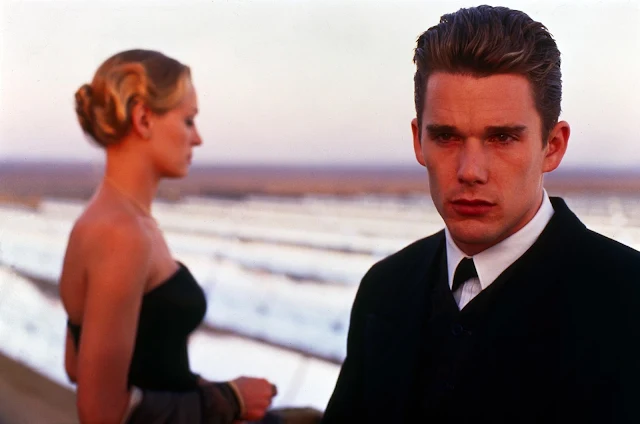
gattaca thurman hawke

A Polite Dystopia Built on "Genoism"

The world of Gattaca is a masterpiece of subtle world-building. This is not the loud, rain-soaked dystopia of Blade Runner, but a clean, sterile, and eerily calm society that has willingly traded freedom for the promise of genetic certainty. 

The film introduces a new form of prejudice it calls "genoism." 

In this near-future, your life path is determined at birth. Through prenatal screening and genetic modification, parents can select the best traits for their children, creating a new upper class of "Valids." Those conceived naturally, without enhancement, are known as "In-Valids," their genetic imperfections cataloged and used to bar them from professional careers and social mobility.

This creates a new, insidious social hierarchy. It’s a futuristic spin on the timeless conflict between the haves and have-nots, but one based on the invisible tyranny of your DNA. The government isn’t overtly authoritarian with stormtroopers on every corner; its control is more insidious, woven into the fabric of everyday life. Society is governed by constant, casual biometric surveillance. 

A single eyelash, a flake of skin, or a drop of blood can reveal your entire genetic profile, and therefore, your prescribed place in the world. This constant scrutiny creates a state of perpetual anxiety, where any misstep could lead to exposure and ruin.

The film's title itself is a clever nod to this genetic foundation, formed from the letters of the four nucleotide bases of DNA: Guanine, Adenine, Thymine, and Cytosine (G, A, T, C). It signals that the very language of this world is built upon the genetic code.

The Journey of a "Borrowed Ladder"

At the heart of the story is Vincent Freeman, an In-Valid born with a heart condition and a life expectancy of just 30 years. Despite his physical limitations, he harbors an audacious dream: to become an astronaut for the elite Gattaca Aerospace Corporation. To do so, he must defy his genetic destiny.

Vincent's journey is a high-stakes performance of identity theft. He assumes the identity of Jerome Morrow, a genetically flawless "Valid" who was paralyzed in an accident. This deception is far more than a simple disguise. V

incent must meticulously scrub his own genetic footprint from his life, using Jerome’s blood, urine, skin, and hair samples to pass the corporation's relentless biometric checks. This daily ritual of self-erasure highlights the film's central tension: the struggle between the person you are and the person the world allows you to be.

His struggle is beautifully symbolized by the recurring image of a spiral staircase in the apartment he shares with Jerome, a direct visual reference to the double helix of DNA. Every day, Vincent must climb this ladder, a metaphor for his arduous fight to overcome the limitations encoded within him.

The Burden of Perfection

While Vincent fights against the stigma of imperfection, the film brilliantly explores the opposite burden through the character of Jerome Morrow. Jerome was engineered for greatness, possessing a perfect genetic profile, yet he is crushed by the psychological weight of that perfection. 

After winning a silver medal in a swimming competition instead of the expected gold, he attempts suicide. "Jerome Morrow was never meant to be one step down on the podium," he bitterly explains.

Jerome’s tragedy reveals the system’s universal cruelty. It not only condemns the "imperfect" but also places an unbearable pressure on the "perfect." He provides Vincent with the genetic material to succeed but, in turn, Vincent gives Jerome something more valuable: a purpose. 

Through Vincent’s ambition, Jerome’s "perfect" identity is finally able to achieve the greatness it was designed for. Their relationship becomes a poignant symbiosis, suggesting that identity is a composite of both our innate potential and our chosen will.

A Cult Classic for an Age of Genetic Anxiety

Gattaca's ascent to cult classic status is rooted in its startling prescience and timeless style. Released just as the Human Genome Project was gaining momentum, the film served as one of the first and most thoughtful cinematic explorations of where genetic science could lead. 

Its vision of a world grappling with genetic discrimination, prenatal selection, and data privacy feels more relevant today, in an era of CRISPR technology and commercial DNA testing, than it did in 1997.

The film's aesthetic contributes significantly to its lasting appeal. Niccol created a "retro-futuristic" look, combining the sleek, minimalist architecture of Frank Lloyd Wright with classic 1950s automobiles and fashion. 

This choice makes the world feel both futuristic and uncannily familiar, suggesting a society so obsessed with its future that it has become culturally stagnant.

Ultimately, Gattaca endures because it is a story of profound hope. Vincent's final triumph is not just reaching space but proving that human potential cannot be confined to a genetic sequence. 

In the film’s most iconic scene, he challenges his genetically superior brother, Anton, to a swimming race in the open ocean. 

As a storm rages, Vincent swims farther than ever before. When a frightened Anton asks how he does it, Vincent reveals his secret: "I never saved anything for the swim back."

It is this sentiment, the idea that drive, passion, and sheer will can overcome any perceived limitation, that defines the film's powerful message. 

While Vincent achieves his dream, the film leaves his ultimate fate ambiguous, suggesting the struggle is never truly over. Gattaca’s warning is not against technology itself, but against our willingness to use it as a tool for prejudice. It remains a vital cinematic statement that there is no gene for the human spirit.


"Children of Men": A Critically Acclaimed Film That Challenges Viewers to Think Critically About Society and Its Vulnerable Members

"Children of Men" is a 2006 science fiction thriller directed by Alfonso Cuarón. The film is set in a bleak, dystopian future where humanity is on the brink of extinction due to a global infertility epidemic. With a cast that includes Clive Owen, Julianne Moore, and Michael Caine, "Children of Men" offers a gripping and thought-provoking tale that explores the very essence of what it means to be human.

Alfonso Cuarón's direction in "Children of Men" is masterful, creating a fully realized and believable world that feels lived-in and authentic. His ability to create tension and suspense, as well as his attention to detail, is truly impressive. The script, co-written by Cuarón, Timothy J. Sexton, David Arata, Mark Fergus, and Hawk Ostby, is also outstanding, seamlessly blending action and drama while exploring complex themes.

The performances in "Children of Men" are exceptional, with Clive Owen delivering a standout performance as the lead character, Theo. Julianne Moore and Michael Caine also shine in their supporting roles. Owen's portrayal of Theo's transformation from a cynical and apathetic character to one who is motivated by hope and purpose is particularly impressive. Each character in the film is well-developed and complex, with their motivations and actions feeling authentic and believable.

children of men film poster

"Children of Men" offers a gripping and intense story that is both thought-provoking and action-packed. The film's central premise, the global infertility epidemic, is explored in great detail, and the way in which the world has changed as a result is both fascinating and horrifying. The film's use of long, uninterrupted shots and gritty realism adds to the feeling of tension and urgency, making it a true tour de force.

The first half of the movie is particularly memorable, with an intense action scene that is filmed in one long take, demonstrating Cuarón's talent for crafting tense and realistic set pieces. The second half of the movie slows down and shifts its focus to the characters and their motivations, but it remains just as engaging and emotionally charged.

"Children of Men" is a film that explores a wide range of themes, including hope, humanity, and the impact of loss. The film's central premise, the infertility epidemic, is a powerful metaphor for the fear of losing the ability to procreate and the existential crisis that comes with it. The film also explores themes of immigration, nationalism, and authoritarianism, particularly in the way that the government in the film treats refugees and immigrants.

The UK government has become a police state that enforces strict immigration policies, resulting in refugees and immigrants being rounded up and held in detention centers. The film is a scathing commentary on the way that governments and societies treat those who are different or do not fit in with the dominant culture. It highlights the dehumanizing effects of nationalism and the dangers of authoritarianism, showing how these ideologies can lead to the erosion of basic human rights.

Overall, "Children of Men" is a film that asks important questions about the nature of society and the role of governments in protecting the most vulnerable members of society. Its exploration of themes such as immigration, nationalism, and authoritarianism remains highly relevant today, as many countries continue to grapple with these issues in different ways. The film challenges viewers to think critically about these issues and to consider the ways in which they can take action to create a more just and compassionate society.

"Children of Men" was well-received by both critics and audiences upon its release. It was praised for its masterful direction, exceptional performances, and thought-provoking themes. The film was nominated for three Academy Awards and won the BAFTA Award for Best Cinematography.

While "Children of Men" is a masterful film, it does have some flaws. The film's pacing can be uneven at times, particularly in the second half, where it slows down considerably. Additionally, the film's bleak and unrelenting tone may not be for everyone, as it can be emotionally draining.

Despite being released over a decade ago, "Children of Men" remains a relevant and timely film. Its exploration of themes such as nationalism, authoritarianism, and the fear of loss is particularly prescient in today's world. The film's portrayal of a world on the brink of collapse is also relevant today, as we continue to grapple with issues such as climate change and the threat of global Covid and influenza pandemics.

"Children of Men" is a gripping and thought-provoking film that is sure to leave a lasting impression on its viewers. With exceptional performances, masterful direction, and complex themes, it is a film that demands to be seen. While it may not be for everyone due to its bleak tone and uneven pacing, it is a film that will stay with you long after the credits have rolled. For anyone who enjoys dystopian thrillers, "Children of Men" is a must-see film that is both entertaining and emotionally impactful.

Walter the Wobot: A Comic Icon of the Judge Dredd Universe

Oh, Walter the Wobot, how can one describe the sheer joy and delight that this lovable character brings to the Judge Dredd universe? This diminutive robot, designed for menial labor, is a testament to the power of loyalty, love, and determination.

Despite his size and physical limitations, Walter is a character that stands tall, thanks to his unwavering devotion to Judge Dredd. He is the ultimate sidekick, always ready to help Dredd in any way he can. Walter's heart is as big as his loyalty to Dredd, and this is showcased in his memorable moments, including when he saved Dredd's life in "The Robot Wars" storyline.

Walter's unique personality is what truly sets him apart from other characters in the Judge Dredd universe. He is a lovable bumbler, with a child-like innocence and enthusiasm that is hard not to love. He often uses malapropisms and mispronounces words, which adds to his charm. His quirks and oddities have endeared him to readers and have made him one of the most beloved characters in the series.

walter the robot dredd

Walter's role in the Judge Dredd universe cannot be understated. He is a character that brings lightness and humor to a world that can often be grim and serious. His unwavering determination to do what is right, no matter the cost, is a testament to the power of loyalty and love.

His character has evolved over time, but one thing that has remained constant is his devotion to Judge Dredd. He is often portrayed as a lovable and endearing character, with a child-like innocence and enthusiasm that is hard not to love.

One of the most memorable moments in Walter's character arc is when he saves Judge Dredd's life in "The Robot Wars" storyline. In this storyline, a group of renegade robots rebels against their human oppressors. Walter, who has always been subservient to humans, is torn between his loyalty to Dredd and his sympathy for the robots. However, when Dredd is captured by the robots, Walter decides to risk his life to rescue him. This moment is particularly significant because it demonstrates Walter's unwavering loyalty to Dredd and his determination to do what is right.

Another moment that showcases Walter's loyalty to Judge Dredd is in "The Day the Law Died" storyline. In this storyline, Judge Caligula takes over Mega-City One and declares himself the supreme leader. Walter is one of the few characters who see through Caligula's facade and remain loyal to Dredd throughout the conflict. He helps Dredd overthrow Caligula and restore order to the city. This moment further cements Walter's loyalty to Dredd and his unwavering determination to do what is right.

During the "Apocalypse War" storyline in the Judge Dredd comics, Walter the Wobot played a critical role in rescuing Judge Dredd. In one memorable moment, Walter braved enemy fire to retrieve Dredd, who had been critically injured in battle. Despite the danger, Walter managed to carry Dredd to safety and helped to nurse him back to health. This act of bravery showcased Walter's unwavering loyalty to Mega-City One and his determination to help in any way he could, even at great personal risk. It was a defining moment for the character and cemented his place as one of the most beloved characters in the Judge Dredd comics.

walter the robot judge dredd

Despite being a robot designed for menial labor, Walter has a unique personality that sets him apart from other robots in the Judge Dredd universe. He is often portrayed as a bumbling, but well-intentioned character who is always eager to please. He has a child-like enthusiasm for life and often uses malapropisms and mispronounces words, which adds to his charm. This personality has endeared him to readers and has made him one of the most beloved characters in the Judge Dredd comics.

In conclusion, Walter the Wobot is a character that has been a fixture in the Judge Dredd comics for several decades. His unwavering loyalty to Judge Dredd, his unique personality, and his memorable moments, such as saving Dredd's life, have made him a fan favorite. Despite being a robot designed for menial labor, Walter has a heart and a determination that is hard not to love. He is a character that has become an iconic part of the Judge Dredd universe and will always be remembered fondly by fans of the series.

About the author Jimmy Jangles


My name is Jimmy Jangles, the founder of The Astromech. I have always been fascinated by the world of science fiction, especially the Star Wars universe, and I created this website to share my love for it with fellow fans.

At The Astromech, you can expect to find a variety of articles, reviews, and analysis related to science fiction, including books, movies, TV, and games.
From exploring the latest news and theories to discussing the classics, I aim to provide entertaining and informative content for all fans of the genre.

Whether you are a die-hard Star Trek fan or simply curious about the world of science fiction, The Astromech has something for everyone. So, sit back, relax, and join me on this journey through the stars!
Back to Top