20 April 2024

How George Lucas convinced 20th Century Fox to green light 'The Star Wars' film in 1973

In the early 1970s, George Lucas, a filmmaker with a modest portfolio of TX-1138 and American Graffiti but a burgeoning vision, imagined a space saga that would eventually revolutionize both cinema and pop culture. 

Inspired by serialized science fiction such as Flash Gordon and grounded by the mythic structures articulated by Joseph Campbell, Lucas envisioned Star Wars as a cosmic adventure that could captivate audiences with its unique blend of space opera and epic storytelling.

Before Star Wars could become a cultural phenomenon, however, it first needed the backing of a movie studio capable of bringing Lucas's expansive universe to life. 

This essay explores the intricate journey Lucas embarked upon to secure this support, focusing particularly on his negotiations with 20th Century Fox.

Lucas’s challenge was not merely to sell a film idea; it was to convince skeptical studio executives to invest in a genre that, at the time, was often considered a risky and unprofitable venture. The negotiation process led to an innovative contract that was highly unusual for the 1970s, significantly granting Lucas the sequel and merchandise rights—a decision that would have profound implications for the film industry and define the modern blockbuster business model.

How George Lucas convinced 20th Century Fox to green light Star Wars

Early Star Wars Concepts and Pitching the Idea to Hollywood Executives

George Lucas's journey to making Star Wars began long before he approached any studio executives. Initially inspired by the classic space operas and adventure serials of his youth, Lucas aimed to create a modern myth that would offer an escape while imbuing deep, resonant themes that spoke across cultures and ages. 

The process of refining the concept and preparing his pitch would prove to be a daunting task, one that required not just creativity but an unyielding determination.

Lucas's first inkling of Star Wars came during his work on his previous film, American Graffiti. While American Graffiti was grounded in the nostalgic portrayal of 1960s Americana, Star Wars was to be a stark departure, transporting audiences to a galaxy far, far away. The initial script, then titled "The Star Wars," drew heavily from sources as diverse as the samurai films of Akira Kurosawa, the fantasy of J.R.R. Tolkien, and the fast-paced excitement of World War II air combat films. 

These influences blended into a narrative that combined political intrigue, epic battles, and a philosophical dichotomy between good and evil.

As Lucas refined his script, he was also aware of the need to succinctly convey the essence and commercial viability of his project to studio executives. His early pitches were met with skepticism and outright rejection. Science fiction was not seen as a profitable genre in the mid-1970s, perceived as limited to low-budget films with niche audiences. Lucas faced numerous rejections as he sought a studio willing to take a risk on his ambitious project.

Finding a Champion in Alan Ladd Jr.

It was not until Lucas pitched his project to Alan Ladd Jr., an executive at 20th Century Fox, that he found a receptive audience. Ladd, unlike his contemporaries, saw potential in Lucas's vision, recognizing the innovative nature of the script and the appeal of the fantastical universe it promised. Ladd’s belief in Lucas's vision was pivotal; he provided not just the initial approval but also the much-needed support within the studio to move the project forward.

The collaboration between Lucas and Ladd Jr. marked a critical turning point in the Star Wars saga. As we will explore in the following sections, this partnership was essential not only in getting the project off the ground but also in navigating the subsequent challenges of production and budgeting. The commitment of 20th Century Fox, spurred by Ladd's support, set the stage for one of the most iconic and influential creations in cinematic history.

Alongside Ladd Jr., there were others within Fox whose reactions to the Star Wars pitch ranged from skeptical to cautiously optimistic. 

This group included executives like Gordon Stulberg and Dennis Stanfill, the latter of whom was the president of Fox at the time and had a considerable influence on the studio’s strategic decisions. While Stulberg was more hesitant, concerned about the financial risks, Stanfill saw the potential for a significant payoff and ultimately decided to back Ladd Jr.'s judgment.

The Role of Ralph McQuarrie’s Concept Art


A pivotal turning point in convincing 20th Century Fox to invest in Star Wars came with the involvement of Ralph McQuarrie, whose visionary concept art provided tangible visuals that captured the essence of George Lucas’s sprawling space saga. 

McQuarrie's illustrations were instrumental in helping executives visualize the potential of the project, transforming abstract ideas into compelling images that suggested a cinematic experience unlike any other.

How George Lucas convinced 20th Century Fox to green light Star Wars

Ralph McQuarrie, an accomplished conceptual designer and illustrator, was brought on board by Lucas to help articulate the filmmaker's vision to both potential backers and the creative team. 

McQuarrie’s work encompassed key characters and settings, including iconic images of Darth Vader, C-3PO, and the desert planet of Tatooine. His art not only defined the look and feel of the Star Wars universe but also conveyed its epic scope and the innovative nature of its storytelling.

The persuasive power of McQuarrie’s art extended beyond the initial green-lighting of the project; it also influenced the level of funding and support Lucas received. With tangible illustrations to support the project’s potential, Fox executives were more willing to commit a significant budget to Star Wars. 

Negotiating the Contract

The negotiation of the Star Wars contract between George Lucas and 20th Century Fox is a landmark in film history, showcasing not only Lucas's vision but also his astute business acumen. These negotiations set precedents that would influence Hollywood contracts for decades to come.

Central to Lucas's negotiations was his insistence on retaining certain rights that were typically relinquished to the studios. He strategically focused on retaining sequel rights and, notably, merchandising rights. At the time, the potential of film merchandise was not fully recognized by major studios, which saw them as mere promotional tools rather than significant revenue streams. 

Lucas's foresight to secure these rights would later prove revolutionary, as the Star Wars franchise's extensive merchandising became a major aspect of its legacy and profitability.

To convince Fox to agree to these terms, Lucas made a significant concession: he accepted a lower salary for himself as director in exchange for these lucrative rights. 

How George Lucas convinced 20th Century Fox to green light Star Wars

This trade-off was indicative of his confidence in the project's success beyond just box office receipts. The budget negotiated for Star Wars was approximately $11 million, a modest sum by blockbuster standards, which placed Lucas under considerable pressure to deliver a commercially viable film under tight financial constraints.

Despite the support from Alan Ladd Jr. and other Fox executives, Star Wars faced considerable skepticism from within the broader Hollywood community, including doubts about its appeal and its potential to recover the invested capital.

The film industry was uncertain about the viability of advanced science fiction films, which had seen limited success in the past. Additionally, the complex storyline and unusual characters of Star Wars—such as a large, furry Wookiee and a villainous Sith Lord—were far from typical Hollywood fare.
Proving the Concept

Lucas's persistent belief in his vision, supported by McQuarrie's art and ILM's breakthroughs, slowly turned skepticism into anticipation. The innovative promotional campaigns, coupled with early screenings that garnered positive reactions, began to shift perceptions, setting the stage for what would become one of the greatest box office successes in cinema history.
Conclusion

The journey of Star Wars from an ambitious concept to a seminal film that changed the landscape of cinema is a testament to George Lucas's visionary direction, innovative production techniques, and strategic business decisions. 

By securing the necessary backing from 20th Century Fox, along with critical rights to sequels and merchandising, Lucas not only created a cultural phenomenon but also redefined the economic model of filmmaking. 

The success of Star Wars—commercially, culturally, and critically—highlighted the potential of the sci-fi genre and demonstrated the power of creative vision combined with entrepreneurial acumen. This essay has traced the critical steps and key figures involved in this groundbreaking process, showcasing how Star Wars was not just a film but a pivotal moment in Hollywood history.
Read Article →

The Star Wars concept art of Ralph McQuarrie

Star Wars Art Feature

Ralph McQuarrie and the Art That Taught Star Wars How to Dream

Before Star Wars was a universe, it was a gamble. Before it was action figures, trench runs, Jedi robes, carbon-freezing chambers, and twin suns, it was a stack of ideas that needed shape. Ralph McQuarrie gave those ideas a body. He did not just decorate George Lucas’s galaxy. He gave it atmosphere, silhouette, scale, and myth. He painted a place audiences could believe in before a single set had been built.

That is why McQuarrie matters so much. He is not simply one great concept artist among many. He is one of the key architects of Star Wars itself. The look of Darth Vader, the emotional loneliness of Tatooine, the industrial severity of the Empire, the romantic glow of Bespin, the tactile roughness of Rebel ships, and even the visual DNA of later series like Rebels all carry his fingerprints.

Ralph McQuarrie came to Star Wars with a background that blended technical discipline and imaginative reach, including work tied to aerospace-style illustration and coverage of the Apollo space missions. That mix matters. It helps explain why his paintings feel both impossible and engineered, romantic and practical, dreamlike and buildable. What follows is a richer, image-led look at the man whose art helped make Star Wars feel inevitable.

The first spell, mood before machinery

McQuarrie’s paintings did something Star Wars still relies on today. They made technology emotional. A hallway was never just a hallway. A med-bay was not just equipment. A droid was not just a prop. Every image carried feeling, mystery, and a sense that there was a much larger world just out of frame. That gift is why so much of his work still feels alive, even when it is only a sketch on paper.

Ralph McQuarrie concept art of Luke Skywalker in the Empire Strikes Back medical bay and bacta tank
Even a recovery chamber becomes myth in McQuarrie’s hands. The emotional stillness matters as much as the machinery.

He did not just illustrate Star Wars, he made it legible

Concept art is often described as pre-production support, but that undersells what McQuarrie did. In Star Wars, his job was not merely to help the crew know what to build. It was to show studios, collaborators, costume departments, model makers, matte artists, and eventually audiences what kind of world this was supposed to be. He translated Lucas’s script into visual conviction. That is a much bigger act than illustration.

He also gave the franchise one of its lasting strengths, the sense that every element belongs to a shared visual philosophy. Characters, props, corridors, droids, and landscapes all seem to come from the same cosmos. That coherence is one reason the original trilogy still feels so whole.

Ralph McQuarrie concept art showing early designs for C-3PO and R2-D2 in Star Wars
The droids were not yet icons, but the visual logic is already there, shape, contrast, personality, and instantly readable silhouettes.

The paintings that helped sell a galaxy

One of the most important things about McQuarrie’s Star Wars work happened before Star Wars was even fully real. George Lucas needed visuals powerful enough to help other people see the movie in their heads. McQuarrie’s production paintings gave executives, including those at 20th Century Fox, something concrete to believe in. That is not minor trivia. That is origin-story material.

He was effectively building faith in a franchise before the franchise existed. The early paintings had to promise scale, danger, romance, and strangeness in a single glance. They had to prove that Lucas was not describing nonsense. McQuarrie made the pitch visual, and in doing so helped make the film fundable. His role in the birth of the saga is closer to co-authorship of its visual identity than many casual fans realize.

Ralph McQuarrie Tusken Raider concept art for early Star Wars development
Early Star Wars concept art had to do more than look good. It had to convince people this strange frontier galaxy could live on screen.

That is part of why McQuarrie still matters in conversations about authorship. He did not merely respond to Star Wars after the universe had already hardened into canon. He helped make the galaxy visible at the moment visibility mattered most.

He helped shape the icons before they became sacred

There is something thrilling about seeing McQuarrie’s early takes on familiar faces because you can watch Star Wars discovering itself in real time. Darth Vader is there, but not yet finished into the precise dark god of the final films. C-3PO is there, but you can see how cinematic history, especially Fritz Lang’s Metropolis, runs through the design. R2-D2 is already compact and practical, already reading as a machine with attitude.

McQuarrie’s genius was that he understood Star Wars iconography before Star Wars iconography existed. He knew these shapes had to be bold, simple, and memorable from a distance, but he also knew they needed personality. That is why his characters still feel dramatic even as unfinished concepts. They are already playing the role.

Ralph McQuarrie Hoth ion cannon concept art for The Empire Strikes Back Early Ralph McQuarrie Darth Vader design sketch for Star Wars
Vader is one of the clearest examples of McQuarrie’s power. Even in development, the silhouette already carries menace, ritual, and machine-assisted survival.
Early Ralph McQuarrie sketch of C-3PO design for Star Wars Comparison of Fritz Lang Metropolis robot Maria and C-3PO design inspiration in Ralph McQuarrie art Ralph McQuarrie C-3PO concept sketch for Star Wars A New Hope
C-3PO’s lineage shows how McQuarrie could absorb older science-fiction imagery and turn it into something that felt freshly Star Wars.

He painted worlds that felt inhabited before the camera ever arrived

Star Wars locations endure because they feel emotionally charged, not just geographically distinct. McQuarrie understood that immediately. His Death Star images do not simply communicate scale, they communicate dread. His Tatooine paintings do not merely show desert, they show yearning. His Rebel bases do not just provide staging space, they create the mood of fragile resistance.

This is one of the reasons his impact on Star Wars is so large. He was not drawing backgrounds. He was creating dramatic worlds. The franchise’s best environments, whether on desert worlds, frozen battlefields, floating cities, or Imperial installations, all depend on this principle. A setting must also be a feeling.

Ralph McQuarrie Death Star concept art for Star Wars Ralph McQuarrie Tatooine landscape concept art with Luke Skywalker in Star Wars Ralph McQuarrie Rebel base concept art for Star Wars Ralph McQuarrie X-wing trench run concept art for Star Wars
McQuarrie’s locations are narrative engines. Each one tells you what kind of struggle is about to unfold before dialogue begins.

He designed Star Wars as an argument in pictures

One of the great pleasures of studying McQuarrie is seeing how clearly he understood the franchise’s central oppositions. Rebels and Imperials. Organic and mechanical. Warmth and control. Scarred functionality and clean intimidation. He was not simply inventing cool objects. He was staging the moral structure of Star Wars through design.

That is why his ships and vehicles matter so much. The Millennium Falcon, X-wings, and sandcrawler all feel improvised, durable, and lived in. Imperial spaces and machinery feel more orderly, harsh, and overbearing. McQuarrie turns politics into visual texture. You can tell who belongs to freedom and who belongs to control just by looking.

Ralph McQuarrie Sandcrawler design sketch for Star Wars Ralph McQuarrie TIE fighter chase concept art against an X-wing in Star Wars Ralph McQuarrie Millennium Falcon docking bay concept art for Star Wars
The rugged Rebel side of Star Wars, patched together, practical, human, owes a great deal to McQuarrie’s eye for functional romance.

Bespin proves how far ahead his imagination could run

McQuarrie’s Cloud City work is one of the clearest examples of an artist imagining beyond the technical limits of his moment. His paintings of Bespin carry soft light, vast interiors, clean geometry, and a kind of floating melancholy that would challenge the production tools of the original trilogy era. The finished film is beautiful, but the concept art still feels like it is reaching into a more expansive cinematic future.

That matters because Cloud City is one of the most sophisticated visual ideas in all of Star Wars. It is civilized and fragile, industrial and luxurious, serene and doomed. McQuarrie did not just paint a place in the clouds. He painted emotional contradiction. Bespin looks like relief, then becomes betrayal. The whole location is pure Star Wars irony rendered in light and architecture.

Ralph McQuarrie Bespin Cloud City concept art for The Empire Strikes Back
Bespin is one of McQuarrie’s greatest Star Wars achievements, a floating city that looks like luxury, isolation, and tragedy all at once.

His legacy did not stop with the original trilogy

A lesser artist might have become a historical footnote, admired and archived. McQuarrie became part of Star Wars’ continuing bloodstream. Later generations of filmmakers, designers, and animation teams kept returning to his work because it still contained unused futures. The prequels drew on his visual logic to preserve continuity. Rebels embraced him even more openly, not just as reference, but as a governing aesthetic spirit. That is one reason the series feels at once fresh and deeply rooted in classic Star Wars.

You can see his fingerprints in the way later Star Wars creators mine old concepts for new life. His early Chewbacca ideas fed directly into the design language that produced Zeb Orrelios. His broader visual simplification, clear shapes, painterly worlds, and elegant science-fantasy balance helped give Rebels its signature look. Even outside animation, his designs still function as a storehouse of possibilities for creature ideas, costume instincts, architecture, and mood.

That is the real force of McQuarrie’s afterlife inside Star Wars. His work was never locked in the 1970s or 1980s. It remained usable. It kept generating tomorrow.

Ralph McQuarrie Luke Skywalker and Darth Vader duel concept art from The Empire Strikes Back
Even when a design changes on the road to the final screen image, McQuarrie’s sense of mythic composition tends to survive.

The same restless invention also explains why so many fans enjoy tracing echoes of his stranger, more alien sketches across later films and series. Some of those connections are direct, some are tonal, and some are the natural result of Lucasfilm artists returning again and again to the same well because the well never really ran dry.

Early Star Wars cantina creature concept art by Ralph McQuarrie later echoed in sequel-era alien design Ralph McQuarrie early Chewbacca concept sketch that later inspired Zeb Orrelios in Star Wars Rebels
Unused McQuarrie concepts kept returning to the screen in transformed form. That is not repetition. It is proof of depth.

That legacy also spills outward into the broader Star Wars conversation. Fans, collectors, art books, anniversary releases, streaming artwork, and behind-the-scenes retrospectives keep circling back to McQuarrie because he represents something close to pure source energy. Go back far enough in Star Wars, and you keep finding him.

The artist who made the galaxy believable

Ralph McQuarrie’s greatest achievement is not that he designed famous things. It is that he helped give Star Wars its visual confidence. He showed that this galaxy could hold mysticism and machinery, grime and grandeur, fairy tale innocence and industrial dread, all within one coherent image system. That is why the saga still looks like itself even as it changes.

He is also a reminder that concept art can be central storytelling. A McQuarrie painting is often doing several jobs at once. It pitches. It builds. It seduces. It instructs. It establishes theme. It defines hierarchy. It tells the crew what to build, and it tells the audience what kind of dream they are entering.

That is a rare kind of artistic power. Star Wars has had many brilliant designers since. It has expanded through generations of concept teams, art departments, model shops, animation units, digital environments, and production designers. But Ralph McQuarrie still stands near the fountainhead. He did not just help draw Star Wars. He helped teach the galaxy how to look back at us.

Read Article →
19 April 2024

Count Dooku: Character Study of Darth Tyranus

Count Dooku, known also as Darth Tyranus, is a pivotal character in the "Star Wars" universe, embodying the complexities and dualities of the galaxy's political and philosophical battles. Introduced in the prequel films, Dooku is a former Jedi Master who becomes a Sith Lord, playing a central role in the events leading up to the Clone Wars. 

His transformation from a respected Jedi into a formidable antagonist offers a unique perspective on the seductive nature of the dark side and the moral ambiguities faced by those in power.

As a character, Count Dooku serves as a bridge between the declining era of the Jedi Order and the rise of the Galactic Empire, orchestrating major conflicts and influencing key characters. His aristocratic demeanor, combined with his formidable skills in both diplomacy and combat, make him a figure of intrigue and menace. 

Portrayed by the legendary Christopher Lee (Lord of the Rings), Dooku's character is marked by a calm yet commanding presence, which adds a layer of sophistication and depth to his role as a villain.

COUNT DOOKU CHaRACTER STUDY

Early Representations (2002–2005)

"Star Wars: Episode II – Attack of the Clones" (2002)

The introduction of Count Dooku in "Star Wars: Episode II – Attack of the Clones" marked a significant expansion of the prequel trilogy's narrative. As a former Jedi turned Sith Lord, Dooku is presented as a charismatic leader who has become disillusioned with the corruption within the Galactic Republic and the perceived complacency of the Jedi Order. His defection and subsequent leadership of the Separatist movement position him as a central antagonist, challenging the heroes and complicating the political landscape of the galaxy.

During the film, Dooku's abilities as both a diplomat and a warrior are showcased. His encounters with key characters like Obi-Wan Kenobi reveal his persuasive skills and his deep knowledge of the Force. The climactic battle scene, where Dooku duels both Obi-Wan and Anakin Skywalker, further illustrates his prowess as a formidable Sith, highlighting his mastery of both lightsaber combat and dark side powers. 

This film sets the stage for his role in the unfolding saga, emphasizing his strategic mind and his impact on the galaxy's shift towards conflict.

"Star Wars: Episode III – Revenge of the Sith" (2005)

Count Dooku's role in "Star Wars: Episode III – Revenge of the Sith" is brief yet pivotal. His final duel with Anakin Skywalker serves as a crucial moment in Anakin's path towards the dark side. The fight underscores Dooku's skills and his importance to Palpatine’s plans, yet also his expendability as a tool in the larger scheme of the Sith. 

His death at the hands of Anakin, under Palpatine's manipulation, symbolizes the Sith Lord's cunning and the tragic fate of those who serve him.

This segment of Dooku's story also deepens the understanding of his complex relationship with the Sith and the Jedi, shedding light on his transformation and his ultimate betrayal by the very powers he helped to ascend. It highlights the manipulative nature of Palpatine and sets a precedent for the themes of betrayal and moral downfall that are central to the "Star Wars" prequel trilogy.

Expanded Universe and Animation

"Star Wars: The Clone Wars" (2008–2020)

Count Dooku takes on a more expanded and nuanced role in the animated series "Star Wars: The Clone Wars." Throughout the series, Dooku serves as a primary antagonist, directing the Separatist war effort against the Galactic Republic. His character is explored in greater depth, showing his tactical genius, ruthless strategies, and frequent engagements with both the Jedi and rival factions within the Sith.

Dooku's interactions with his apprentices, particularly Asajj Ventress and later Savage Opress, reveal much about his approach to the Sith philosophy and his manipulation skills. His willingness to discard allies when they are no longer useful or become a threat reflects the cutthroat nature of Sith mentorship and the precariousness of power within the dark side hierarchy.

The series also explores Dooku's diplomatic skills and his role in orchestrating political unrest. Episodes featuring his negotiations and secretive dealings provide insights into his broader strategic objectives, including his efforts to prolong the war and destabilize the galaxy, thus furthering Palpatine’s overarching plans.

Novels and Comics

The character of Count Dooku is further explored in various "Star Wars" novels and comics, which delve into his history and the complexities of his character. Notably, the audio drama "Dooku: Jedi Lost" and the novel "Dark Disciple," based on unproduced scripts from "The Clone Wars," offer deeper insights into his past as a Jedi, his departure from the Order, and his embrace of the dark side.

"Dooku: Jedi Lost" explores his aristocratic background on Serenno, his relationships with fellow Jedi, and his growing disillusionment with the Jedi Order, providing context for his eventual turn to the dark side. "Dark Disciple," on the other hand, focuses on his machinations as a Sith Lord and his influence on other characters within the galaxy, showcasing his enduring impact on the "Star Wars" narrative.

count dooku revenge sith beheading moment

Legacy and Influence of Count Dooku

Count Dooku's character, though primarily featured in the prequels and extended animated series, casts a long shadow over the entirety of the "Star Wars" saga, influencing events even beyond his lifetime. His legacy is examined through the consequences of his actions and decisions, especially how they serve as catalysts for some of the most pivotal moments in the series.

Dooku’s tutelage and manipulation of key figures such as General Grievous, Asajj Ventress, and even Anakin Skywalker play significant roles in their development and choices throughout the saga. His direct influence on Anakin, particularly during their confrontations, contributes to Anakin's eventual fall to the dark side. The skills and philosophies he imparts, coupled with his betrayal, leave a lasting mark on Anakin's psyche and decision-making processes, culminating in his transformation into Darth Vader.

As a leader of the Separatist movement, Dooku's strategies and decisions during the Clone Wars perpetuate the conflict, leading to countless battles and the eventual rise of the Galactic Empire. His ability to manipulate both political and military spheres ensures that the war escalates, serving Palpatine’s ultimate goal of dismantling the Republic and the Jedi Order. Dooku's actions thus indirectly contribute to the establishment of the Empire and the overarching narrative of the original trilogy.

Portrayal and Reception

The character of Count Dooku, as brought to life by Sir Christopher Lee in the "Star Wars" prequel films, and later expanded upon in various animated series and literary works, has left an indelible mark on the franchise. This section explores the portrayal of Dooku across different media, as well as the reception by audiences and critics, emphasizing how these elements contributed to the character's legacy within the "Star Wars" universe.

Christopher Lee’s portrayal of Count Dooku/Darth Tyranus in the prequel films is notable for its gravitas and sophistication, bringing an air of aristocratic menace to the character. Lee's performance, characterized by his deep, resonant voice and imposing presence, perfectly encapsulates Dooku's transformation from a respected Jedi Master to a formidable Sith Lord. His depiction adds layers of complexity to Dooku, making him a memorable and charismatic villain whose motivations and actions are both understandable and chilling.

Voice Acting in Animated Series

In "Star Wars: The Clone Wars," Count Dooku is voiced by Corey Burton, who adeptly captures the essence of Lee's portrayal while adding his own nuances to the character. Burton’s voice work enriches Dooku's character, providing depth and continuity across the series. 

His performances highlight Dooku’s manipulative tactics and political scheming, enhancing the character's role as a master strategist and villain.

In conclusion, Count Dooku stands as a testament to the rich character development and thematic depth that "Star Wars" offers. His story encourages viewers to ponder the nature of power and the consequences of choices in a universe where the boundaries between right and wrong are often blurred. His enduring impact on the series ensures that his character will continue to be discussed and analyzed by fans and scholars alike, securing his place as a quintessential element of the "Star Wars" legacy.

Read Article →

Mad Max: Beyond Thunderdome - Bust a deal, face the wheel!

Bartertown Law File // Bust a deal, face the wheel

Bust a Deal, Face the Wheel

The meaning of Bartertown’s punishment wheel in Mad Max Beyond Thunderdome

“Bust a deal, face the wheel” is Bartertown’s version of contract law, carnival punishment, and political theater rolled into one ugly public ritual.

In the 1985 film Mad Max Beyond Thunderdome, Max Rockatansky finds himself in Bartertown, a post-apocalyptic settlement where commerce, power, energy, and spectacle have replaced the legal systems of the old world. The town has rules, but those rules are not humane. They are blunt, theatrical, and designed to protect Aunty Entity’s fragile social order.

After Max breaks his deal by refusing to kill Blaster in the Thunderdome, Bartertown subjects him to one of its most famous rituals: the spinning wheel of punishment. The phrase is simple enough for a crowd to chant. Break a deal, spin the wheel, accept whatever fate the town gives you.

That is why the wheel matters. It is not just a quirky Mad Max prop. It tells us how Bartertown thinks. In a society built on barter, a broken deal is not a private failure. It is a civic threat.

Bust a deal, face the wheel punishment scene in Mad Max Beyond Thunderdome showing Bartertown’s spinning wheel of justice
The punishment wheel turns justice into a game of chance, but the spectacle still serves Aunty Entity’s authority.

What does “Bust a deal, face the wheel” mean?

“Bust a deal, face the wheel” means that anyone who breaks a bargain in Bartertown must submit to the town’s punishment wheel. In a normal society, broken contracts might lead to courts, damages, negotiation, or prison. In Bartertown, the broken deal becomes a public ritual.

That makes sense in the logic of the film. Bartertown exists because the wasteland needs exchange. Food, water, labour, methane, weapons, animals, repairs, and information all matter. A settlement based on trade cannot allow deals to mean nothing. But Bartertown’s answer is not fair law. It is fear dressed up as procedure.

The wheel gives the appearance of impartial justice because the outcome seems random. Nobody knows where it will land. The crowd can watch. The ritual feels official. Yet the whole system still belongs to Aunty Entity. It reinforces her town, her rules, and her power.

Short answer: the wheel is Bartertown’s punishment system for anyone who breaks a deal.

Deeper meaning: it shows how post-apocalyptic societies rebuild law as spectacle, chance, fear, and public humiliation.

Why Max has to face the wheel

Max is not punished simply because he loses a fight. He is punished because he breaks the political bargain Aunty Entity made with him. She recruits Max to fight Master Blaster, hoping to remove the power beneath Bartertown’s methane economy without making the move look like naked assassination.

Inside the Thunderdome, Max realizes that Blaster is not the simple monster Bartertown has made him appear to be. When Blaster’s helmet comes off, Max sees his vulnerability and refuses to kill him. That choice is morally important, but politically disastrous for Aunty. Her plan collapses in public.

Bartertown cannot let that pass. If a deal can be broken in front of the crowd without consequence, the town’s social contract weakens. Max must face the wheel because Bartertown’s authority depends on proving that agreements, once made, are enforced violently.

The punishments on Bartertown’s wheel

The wheel includes a range of possible punishments, from release to death. That range is part of the point. Bartertown’s justice is not based on proportionality. It is based on spectacle and risk. The same ritual can produce mercy, exile, labour, confiscation, or execution.

Known options on the wheel

  • Death: the offender is killed, making the wheel’s harshest outcome brutally simple.
  • Hard Labour: the offender is forced into punishing physical work, likely in the service of Bartertown’s survival economy.
  • Acquittal: the offender is released, giving the wheel a false aura of fairness and possibility.
  • Gulag: the offender is exiled into the wasteland, which is effectively a slow death sentence unless they can survive the desert.
  • Aunty’s Choice: Aunty Entity chooses the punishment herself, revealing that chance still exists under her authority.
  • Spin Again: the offender must spin again, extending the spectacle and uncertainty.
  • Forfeit Goods: the offender loses possessions, reinforcing Bartertown’s barter-based economy.
  • Underworld: the offender is sent below, into the methane-producing engine room of Bartertown’s power system.

The randomness is cruel, but it is also useful. A fixed punishment might invite debate. The wheel turns punishment into fate. If the crowd accepts the spin, then the town can pretend the outcome is beyond politics.

The wheel is not chaos. It is controlled randomness

At first glance, the wheel looks lawless. It resembles a carnival game bolted onto a justice system. But that reading is too simple. The wheel is chaotic in form, but controlled in function. It channels public anger. It dramatizes punishment. It gives Bartertown a memorable slogan. It makes Aunty’s rule feel like tradition rather than personal whim.

This is the same political logic behind the Thunderdome. “Two men enter, one man leaves” turns violence into law. “Bust a deal, face the wheel” turns punishment into public ceremony. Both systems are simple, repeatable, and theatrical enough for a society of survivors to understand.

That is what makes Bartertown such an important part of Mad Max Beyond Thunderdome’s themes. It is not pure anarchy. It is civilization trying to return through bad law, dirty energy, barter economics, public spectacle, and charismatic rule.

Aunty Entity’s power sits behind the wheel

Aunty Entity, played by Tina Turner, is not powerful only because people fear her. She is powerful because she understands symbols. Bartertown needs more than trade. It needs rituals people believe in. It needs chants. It needs public consequences. It needs shared rules that make the settlement feel less temporary than the wasteland outside.

The wheel helps her do that. It gives Bartertown a civic identity. Everyone knows the rule. Everyone knows the phrase. Everyone knows that a broken deal will become a public event. That kind of shared language matters after collapse, because language is one of the first tools societies use to rebuild order.

Yet the wheel also exposes the limits of that order. “Aunty’s Choice” sits right there among the options. The system appears random, but Aunty remains above it. She can let fate speak, or she can become fate herself.

Bartertown’s legal philosophy: deals are sacred because trade is the town’s foundation.

Bartertown’s corruption: justice is not truly independent. It is staged under Aunty’s rule.

Why “Gulag” is the perfect punishment for Max

Max lands on Gulag, which means exile into the wasteland. This is the perfect punishment for him because it turns his identity against him. Max is the road warrior, the lone survivor, the man who keeps walking away from communities. Bartertown does not imprison him inside walls. It throws him back into the emptiness that made him.

That punishment also moves the film into its second mythic half. Max’s exile leads him to the children in the Crack in the Earth, where he is mistaken for Captain Walker, the figure they believe will guide them to Tomorrow-Morrow Land. Without the wheel, Max does not leave Bartertown in the same way. Without exile, he does not enter the children’s story.

So the wheel is not just a punishment device. It is a plot hinge. It throws Max out of Bartertown’s brutal civic world and into the film’s world of memory, myth, innocence, and dangerous hope.

The wheel connects Bartertown to the wider Mad Max saga

Across the Mad Max films, George Miller keeps showing how human systems mutate after collapse. In the original Mad Max, the old police system is failing. In The Road Warrior, fuel scarcity turns roads and refineries into battlefields. In Beyond Thunderdome, law returns as spectacle and punishment by chance. In Fury Road, resource control becomes religion under Immortan Joe.

The wheel belongs to that pattern. It is a remnant of law, but stripped of ethics. It has procedure without justice. It has public participation without mercy. It has consequences without proportional judgment.

That makes it one of the sharpest symbols in the third film. Bartertown has remembered that society needs rules. It has forgotten that rules should protect people from power, not merely dramatize power in front of a crowd.

Conclusion: the wheel is Bartertown’s soul

“Bust a deal, face the wheel” is funny, memorable, and absurd in the way only Mad Max can be. But beneath the carnival energy is a serious idea. Bartertown is a society trying to enforce trust after the collapse of civilization. It knows that deals matter. It knows that rules matter. It also lacks the moral imagination to create justice beyond fear and spectacle.

The wheel reveals the central contradiction of Bartertown. It is more civilized than the open wasteland, but less humane than the world it tries to replace. It has order, but that order is arbitrary. It has law, but that law spins like a game.

For Max, the wheel becomes exile. For the film, it becomes transition. For Bartertown, it becomes proof that this strange little society is held together by trade, chant, punishment, and Aunty Entity’s ability to turn fear into ceremony.

Read Article →
18 April 2024

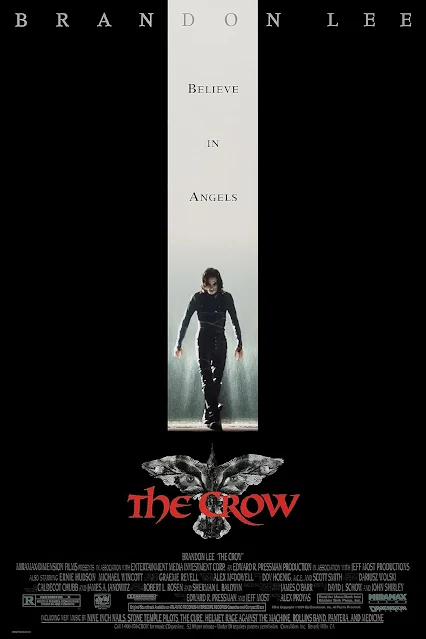
Themes of 'The Crow' - directed by Alex Proyas - 1994

"The Crow" is a seminal gothic film released in 1994, directed by Alex Proyas (Dark City) and based on James O'Barr's graphic novel of the same name. 

It narrates the story of Eric Draven, a rock musician who is resurrected to avenge his and his fiancée’s brutal murders. The film is renowned for its atmospheric visual style and a compelling narrative that weaves themes of love, vengeance, and justice.

The film features Brandon Lee in the lead role, delivering what would tragically be his final performance due to his accidental death during production. The cast also includes Michael Wincott (Nope, Alien Ressurection) as the antagonist Top Dollar, and Ernie Hudson as Officer Albrecht, who plays a pivotal role in the story.

The production of "The Crow" is overshadowed by the tragic death of its star, Brandon Lee. Lee was accidentally killed on set during a mishap involving a prop gun, a calamity that brought a haunting resonance to the film's narrative of resurrection and revenge. This incident not only marked the film with a legacy of grief but also contributed to its immediate status as a cult film, as audiences and critics viewed the film through the lens of this real-life tragedy.

The soundtrack of "The Crow" is a pivotal element of its success and cultural impact, becoming a classic emblematic of its era. It features an eclectic mix of artists including The Cure, Joy Division, and Nine Inch Nails, whose contributions perfectly encapsulate the film’s gothic atmosphere. The tracks not only enhance the film’s emotional depth but also align seamlessly with its narrative, earning the soundtrack critical acclaim.

the crow film themes 1994

Theme of Love and Loss

Central to "The Crow" is the transcendent love between Eric Draven and Shelly Webster. This undying love defies the finality of death, propelling the narrative forward as it motivates Eric's quest for revenge. This portrayal underscores the notion that true love is eternal and can drive individuals to extraordinary lengths.

The film poignantly captures the essence of grief and its transformative impact. Eric's character is reshaped by the profound loss of his fiancée, driving him to a path of vengeance. This transformation is not just a plot device but a deep exploration of how loss can alter one's identity and purpose.

"The Crow" uses visual motifs such as the engagement ring and poignant flashbacks to enhance the theme of love and loss. These elements serve as constant reminders of Eric’s motivation and enrich the emotional landscape of the film.

Theme of Vengeance and Justice

Eric’s resurrection and subsequent quest for vengeance form the crux of the plot. The film invites viewers to ponder the morality of his actions and whether revenge serves as a form of justice or merely perpetuates violence.

The depiction of a corrupt society and criminal underworld offers a critical look at conventional justice systems. It poses significant questions about the efficacy and morality of seeking justice outside the law when the system fails.

The theme of vengeance is explored not just through Eric but also through the impact on secondary characters like Officer Albrecht and Sarah. Their interactions with Eric and their personal journeys offer a broader perspective on the repercussions of vengeance.

Theme of Resurrection and Redemption

Eric's return from the dead introduces a powerful supernatural element to the narrative. This aspect is not just for spectacle but serves as a crucial mechanism through which the themes of redemption and justice are explored.

The crow acts not only as Eric's guide but also as a symbol of protection and the spiritual carrier of souls. This element introduces a layer of spirituality and redemption, tying the supernatural closely with the film’s deeper themes.

The film’s conclusion offers a contemplation on peace and redemption. After his vendetta is fulfilled, Eric's journey suggests that there might be peace beyond revenge, providing a poignant commentary on the resolution of inner turmoil and conflict.

Visual Style and Atmosphere

The gothic aesthetic of "The Crow" significantly enhances its thematic depth. The dark, brooding atmosphere, combined with the urban decay setting and distinctive costume design, visually complements the film’s exploration of death and resurrection.

The soundtrack, featuring artists like The Cure and Joy Division, plays a crucial role in shaping the film's emotional and thematic undertones. The music enhances the melancholic yet intense mood, deepening the viewer’s emotional connection to the narrative.

Cultural Impact and Legacy

Brandon Lee’s tragic death during the making of "The Crow" contributes to its cult status and influences the interpretation of its themes. This real-life event intertwines with the film’s narrative, adding a layer of tragic authenticity to the story of loss and revenge.

The film’s influence extends beyond its immediate release, impacting later films and media with its combination of supernatural elements, urban decay, and personal tragedy. "The Crow" has left a lasting mark on how dark, thematic content can be effectively portrayed in popular culture.

A remake starring Bill Skarsgård is set for release in 2024.
Read Article →
16 April 2024

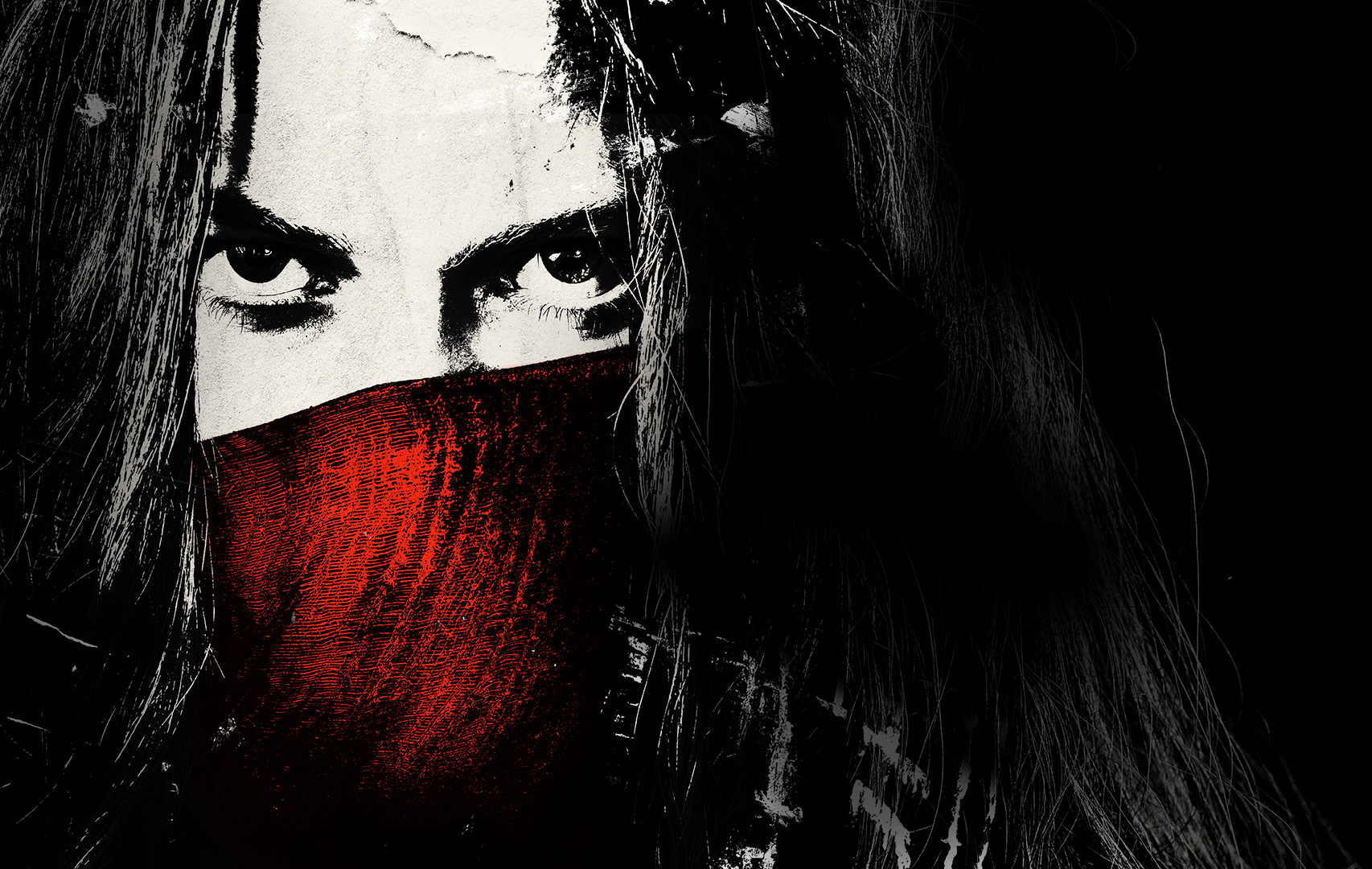
How the Mortal Engines movie took plot points from Star Wars

The magic of movies is that they can transport us to new worlds, often drawing inspiration from the most beloved stories. 

"Mortal Engines," directed by Christian Rivers and springing to life from Philip Reeve's imaginative novel, is a thrilling cinematic journey that lovingly echoes the legendary Star Wars saga.

With its heart-stopping pursuits and richly drawn characters, "Mortal Engines" skillfully incorporates subtle tributes to Star Wars, enriching its narrative tapestry.

From adrenaline-fueled adventures to intricate family dynamics, "Mortal Engines" salutes the enduring legacy of Star Wars, offering fans both nostalgia and novelty in its vibrant world.

How the Mortal Engines movie copied plot points from Star Wars

Let's explore how Peter Jackson and his writing colleagues Fran Walsh and Philippa Boyens borrowed story beats from the Star Wars playbook!


Mortal Engines Film Moment

Star Wars Film Inspiration was borrowed from

Original Star Wars Theme/Moment comparison

Opening scene of London traction city chasing Salthook where the scale of London’s size is revealed by a camera slowly sweeping up and circling around London to reveal its true size.

A New Hope

In the opening scene of "A New Hope," the Star Destroyer, a massive imperial warship, pursues the small Rebel blockade runner, Tantive IV. The size of the Destroyer helps establishes the power dynamic between the oppressive Empire and the Rebel Alliance, setting the stage for the galactic conflict.

Anti Traction league agent Anna Fang and the Jenny Hanniver serve the Han Solo and Millennium Falcon role

The Empire Strikes Back

Anna Fang, a skilled pilot and rebel fighter, embodies the spirit of Han Solo. She pilots the Jenny Haniver, a nimble and iconic airship, much like how Han Solo captains the Millennium Falcon. Both characters have a checkered past and play crucial roles in aiding the protagonists against formidable adversaries.

Thaddeus Valentine revealed as Hester Shaw's father during their knife fight at the pivotal ending of the movie.

The Empire Strikes Back

In "The Empire Strikes Back," Darth Vader's revelation to Luke Skywalker that he is his father is a pivotal moment that deepens the conflict and adds emotional complexity. Similarly, the reveal that Thaddeus Valentine is Hester Shaw's father during their intense battle adds layers to their relationship and raises the stakes of their confrontation.

Tom flying the Jenny Hanniver into the heart of London City

Return of the Jedi

Tom's daring flight into the heart of London City mirrors the climax of "Return of the Jedi," where Lando Calrissian leads the Millennium Falcon on a perilous mission to destroy the Death Star's core. Both scenes feature a small, agile craft infiltrating a massive, heavily fortified structure to deliver a decisive blow against a formidable enemy.

Final duel between Valentine and Shaw

Return of the Jedi

The final duel between Thaddeus Valentine and Hester Shaw echoes the climactic lightsaber battle between Luke Skywalker and Darth Vader in "Return of the Jedi." Hester's decision not to fight or join the Emperor after realizing her familial connection to Valentine mirrors Luke's refusal to succumb to the dark side and join Emperor Palpatine, emphasizing themes of redemption and family bonds.


Read Article →
Back to Top