22 November 2023

Bodies: Review of Netflix's Sci Fi Murder Mystery

"Bodies," Netflix's latest foray into the realm of science fiction, presents a riveting yet occasionally bloated narrative that takes viewers on a journey across time. This series, at its core, is a time-bending mystery, notable for its ambitious storytelling and complex narrative structure.

Set against the backdrop of four different timelines - 1889, 1890, 1941, 2023, and 2053 - the series masterfully intertwines these eras around a singular, mysterious event: the appearance of a dead body in the same location across these years. The story kicks off in 2053, with scientist Gabriel Defoe's exploration of the Deutsch Particle, laying the groundwork for the series’ time-travel mechanic. Each timeline is not just a backdrop but a vital part of the intricate puzzle that "Bodies" sets out to solve, with each era contributing its unique pieces to the overarching mystery.

bodies netflix show review plot


One of the show’s strengths lies in its character development, particularly in the 1889 storyline where Elias Mannix, a time traveler from 2053, assumes a new identity with profound implications for the future. The narrative then expertly navigates through the subsequent years, piecing together a complex tale of time travel, destiny, and consequence. In 1890, the arrival of Defeo, following Elias, sets in motion events that ripple through time, involving characters like Alfred Hillinghead and Julian Harker in ways that are both unexpected and fascinating.

The series is at its best when it dives deep into these characters’ lives, exploring their motivations and the impact of their actions across time. However, this is also where "Bodies" occasionally stumbles. The narrative, while ambitious, sometimes becomes convoluted, with a storyline that can be as bewildering as it is intriguing. The historical periods, though, are represented with convincing authenticity, adding a layer of richness to the narrative tapestry.

What truly elevates "Bodies" is its exceptional cast, who bring depth and nuance to their roles, making even the most bizarre aspects of the mystery feel grounded and real. The series doesn't shy away from complex narrative structures, akin to a Christopher Nolan adventure, replete with time-hopping heroes and mind-bending twists.

And now for what can be considered spoilers...

At the heart of "Bodies" is a labyrinthine plot that deftly weaves together multiple timelines to tell a story that is as much about the mysteries of time travel as it is about the human condition. The overarching plot hinges on the discovery of a dead body that appears simultaneously in four different years, in the same location. This discovery sets the stage for a narrative that spans over a century, from the late 19th century to the mid-21st century, revealing a tapestry of interconnected lives and events.

The series begins in 2053 with Gabriel Defoe, a scientist dedicated to unraveling the mysteries of the Deutsch Particle, a theoretical concept pivotal to the show’s time travel mechanics. His research leads to the creation of the Throat, a time machine, which becomes the fulcrum around which the entire narrative pivots. As characters from different timelines interact with this machine, their actions reverberate across time, influencing events and outcomes in unforeseen ways.

In 1889, the narrative introduces Elias Mannix, a time traveler from the future who assumes the identity of Julian Harker, a decision that has far-reaching implications. His actions in this era set in motion a chain of events that continue to unfold over the subsequent timelines. The year 1890 sees the arrival of Defeo, whose journey through time intersects with that of Elias, further complicating the narrative.

The plot thickens in 1941 with the introduction of Charles Whiteman, a character whose discovery of the dead body intertwines with the machinations of Julian Harker's cult. In 2023, the story takes a turn with detective Shahara Hasan’s investigation into the mysterious dead body, drawing her into the web of time travel and its consequences.

The narrative culminates in 2053, where the discovery of Defeo’s body by Iris Maplewood leads to a series of events that ultimately seek to resolve the paradoxes created by the time travel narrative. The story is a complex interplay of cause and effect, where actions in one timeline have significant repercussions in another, creating a narrative that is both intricate and engaging.

"Bodies" masterfully balances its ambitious time-traveling plot with deep character exploration, revealing how individuals' choices can echo through time, affecting not just their own lives but the fabric of history itself. The series is a compelling exploration of the implications of time travel, wrapped in a mystery that challenges and rewards its viewers with each twist and turn.

Despite this occasionally labyrinthine plot, "Bodies" is a rewarding watch, especially for viewers willing to invest in its intricate storytelling. It harkens back to the classic era of high-concept science-fiction drama, unafraid to explore ambitious ideas. While the series may not always hit the mark with its narrative precision, it compensates with a captivating, exciting puzzle that keeps viewers engaged till the end.

In essence, "Bodies" is a sci-fi murder mystery that challenges and rewards its audience in equal measure. Its blend of time travel, mystery, and character-driven drama makes it a unique addition to Netflix's roster, one that is well worth the time for fans of the genre.
21 November 2023

The Hurt Locker: Themes Analysis

"The Hurt Locker," released in 2008, is a gripping war drama that delves into the high-stakes world of a bomb disposal team during the Iraq War. Directed by Kathryn Bigelow and scripted by journalist-turned-screenwriter Mark Boal, the film stands out for its intense, realistic portrayal of the physical and psychological dangers faced by soldiers in combat zones. This film is not just a story about war; it is an exploration of the human psyche under extreme stress and the complex dynamics within a military unit.

Kathryn Bigelow, known for her visceral filmmaking style, brings a unique perspective to the war film genre with "The Hurt Locker." Her direction is notable for its intense realism and ability to convey the claustrophobic, high-tension environments of combat. Her Academy Award for Best Director was just reward. Prior to this film, Bigelow had already established herself with works that explored themes of violence and adrenaline, such as Point Break making her well-suited to helm this project.

Mark Boal's script is informed by his experience as a journalist embedded with a bomb squad in Iraq. His firsthand observations lend a level of authenticity to the screenplay that is rare in war films. Boal's ability to translate real-life experiences into a compelling narrative plays a crucial role in the film's impact, offering a raw and unfiltered look at the realities of modern warfare.

themes of the hurt locker film bigelow

"The Hurt Locker" received widespread critical acclaim and a host of awards, most notably sweeping the 82nd Academy Awards with six wins, including Best Picture. Kathryn Bigelow made history by becoming the first woman to win the Academy Award for Best Director, a landmark achievement that highlighted her exceptional talent and broke barriers in a traditionally male-dominated industry. The film's success at the Oscars and other award ceremonies cemented its status as a significant and influential piece of cinema.

The film's lead actors, Jeremy Renner and Anthony Mackie, delivered performances that were pivotal in their careers. Renner, portraying Sergeant First Class William James, showcased a complex character whose addiction to the thrill of war is both compelling and disturbing. He was nominated for a Best Actor gong.

Mackie, as Sergeant J.T. Sanborn, provided a grounded and relatable perspective, balancing Renner's intensity. These roles arguably played a part in their casting in the Marvel Cinematic Universe (MCU), with Renner becoming Hawkeye and Mackie portraying Falcon. The transition from the gritty realism of "The Hurt Locker" to the fantastical world of the MCU highlights the versatility of these actors and the broad appeal of their talents.

Themes of "The Hurt Locker"


1. The Adrenaline of War


One of the central themes of "The Hurt Locker" is the portrayal of war as an addictive, adrenaline-fueled experience, particularly through the character of Sergeant First Class William James, played by Jeremy Renner. This theme is explored with a depth and complexity that sets the film apart from traditional war narratives.

Adrenaline as an Addiction:

The film opens a window into the psyche of James, whose character is drawn to the danger and excitement of defusing bombs. His actions and decisions throughout the film illustrate an almost compulsive need for the high-stakes environment of the battlefield.

James’s behavior can be seen as a metaphor for the addictive nature of war. The film delves into how the constant exposure to danger and the rush of surviving it can become a craving, overshadowing the inherent risks and moral implications.

Psychological Impact of High-Tension Bomb Defusal:

The bomb defusal scenes are key in showcasing the theme of adrenaline addiction. These sequences are shot with an intensity that immerses the viewer in the moment, emphasizing the razor-thin line between life and death.

The film uses these moments to explore the psychological impact on soldiers. It portrays how the rush of defusing bombs becomes a defining aspect of their identity in the war zone, affecting their actions, decisions, and interactions.

Contrast with Traditional War Experiences:

Unlike many war films that focus on large-scale battles or strategic maneuvers, "The Hurt Locker" zeroes in on the individual experience of soldiers in a highly specialized and dangerous role.

This focus allows the film to explore the personal cost of war, moving beyond the typical narrative of heroism or political commentary. It presents a more intimate and visceral understanding of the impact of war on those who fight it.

James's Character Arc and Its Implications:

Throughout the film, James's character arc serves as a conduit for exploring how soldiers navigate the complexities of war's addictive nature. His interactions with other team members, notably Sergeant J.T. Sanborn, highlight differing perspectives on duty, fear, and the allure of combat.

The film does not offer easy answers but instead presents a nuanced portrayal of a soldier's relationship with war. It challenges the viewer to consider the psychological toll of such extreme experiences and the difficulty of leaving them behind.

hurtlocker film themes soldier psyche

2. The Alienation of Soldiers from Civilian Life

"The Hurt Locker" poignantly explores the theme of alienation and disconnection that soldiers experience when returning to civilian life. This theme is particularly evident in the character arcs and the stark contrast between the warzone and home.

Struggles with Reintegration into Civilian Life:

The film vividly portrays the challenges soldiers face when they return from the intense environment of the battlefield to the seemingly mundane reality of civilian life. This transition is depicted as jarring and disorienting.

Scenes depicting Sergeant James in his home environment highlight his sense of dislocation and inability to relate to everyday activities and the people around him. His frustration at his inability to choose cereal from a wall of it in a supermarket belies this. Further, he chose to re-enter an active theatre of war over spending time with his son and wife. These moments serve as a powerful commentary on the profound impact of war on a soldier's psyche.

Contrast Between Warzone and Home:

Bigelow skillfully contrasts the adrenaline-filled scenes of bomb disposal in Iraq with the tranquility and routine of life back home. This stark contrast accentuates the sense of alienation felt by returning soldiers.

The film uses visual and narrative contrasts to emphasize the divide between the experiences in the warzone and those in civilian life. This not only highlights the challenges of reintegration but also the internal conflict experienced by soldiers who find themselves longing for the adrenaline of the battlefield.

Impact on Personal Relationships:

"The Hurt Locker" examines how the experiences of war can alienate soldiers from their families and friends. The film shows how the intensity and trauma of combat can create an emotional and psychological gap that is difficult to bridge.

The interactions of the characters with their loved ones reveal the struggles they face in expressing their experiences and emotions, further deepening their sense of isolation.

Depiction of Everyday Life as Foreign and Unfamiliar:

The film portrays everyday civilian life as almost foreign and unfamiliar to soldiers who have spent significant time in combat zones. Simple activities like grocery shopping or spending time with family appear overwhelming and out of place for someone who has adapted to the constant threat of war.

This depiction underscores the mental and emotional toll of war, suggesting that the battlefield leaves indelible marks on a soldier's identity and perception of the world.

the hurtlocker film themes of the war

3. The Complexity of Heroism in War

"The Hurt Locker" deeply explores the complexity of heroism in war, challenging traditional notions associated with military valor. This theme is intricately woven throughout the film, particularly through the actions and attitudes of its main characters.

Redefining Heroism:

The film presents a nuanced view of what it means to be a hero in a war zone. Rather than glorifying combat actions or presenting stereotypical war heroes, it delves into the psychological and ethical complexities faced by soldiers.

Sergeant James, the protagonist, is portrayed as a skilled bomb technician who often disregards standard protocol and safety measures, raising questions about the nature of bravery and recklessness.

Contrast with Traditional War Film Heroics:

Traditional war films often depict heroism through clear acts of valor and sacrifice. In contrast, "The Hurt Locker" portrays heroism as a more ambiguous and personal concept. The characters' actions are driven by a mix of duty, thrill-seeking, and personal demons, rather than straightforward patriotic or moral motivations.

This approach invites viewers to consider the multifaceted and often conflicting motivations behind actions deemed heroic in war.

Moral Ambiguities and the Burden of Command:

The film explores the moral ambiguities inherent in war. Decisions that seem heroic in one context might be seen as reckless or irresponsible in another. This complexity is particularly evident in the way James leads his team and approaches his missions. When Specialist Owen Eldridge is taken captive, this is because of James’ decision to chase the boogymen - the fact James saves his life is kind of a moot point as James placed Eldridge in that position of life and death.

The burden of command and the responsibility towards fellow soldiers is a recurring theme. The film shows how decisions in the field can be a matter of life and death, challenging the viewer’s preconceptions about military leadership and heroism.

The Personal Cost of Heroism:

"The Hurt Locker" does not shy away from showing the personal cost of heroism. It portrays the psychological impact of constant danger and the toll it takes on soldiers, both in terms of their mental health and their personal relationships.

The film also explores how the label of 'hero' can be a heavy burden, creating expectations and pressures that are difficult to live up to, especially in the chaotic and morally complex world of modern warfare.

4. The Dehumanizing Effect of War

"The Hurt Locker" poignantly explores the dehumanizing effects of war on both soldiers and civilians, offering a stark portrayal of how the brutality and chaos of conflict can erode human empathy and compassion.

Dehumanization of Soldiers:

The film delves into how the constant stress and danger of war can lead to a numbing effect on soldiers. This is evident in the way they interact with each other, handle life-threatening situations, and view the value of life.

Characters in the film, particularly Sergeant James, often exhibit a detached demeanor when dealing with life-or-death scenarios. This detachment is a coping mechanism, but it also reflects the dehumanizing impact of prolonged exposure to violence and death.

Moral Ambiguities and Ethical Dilemmas:

"The Hurt Locker" does not present a clear moral compass, which mirrors the often ambiguous ethical landscape of war. Soldiers are faced with decisions that have no easy answers, and the film does not shy away from showing the morally grey areas they navigate.

The film portrays various scenarios where the soldiers must balance their mission objectives with the human cost involved, highlighting the ethical dilemmas that arise in combat zones.

Impact on Civilians:

The dehumanizing effect of war is not limited to soldiers; the film also shows its impact on civilians. Through the eyes of the bomb squad, viewers see glimpses of how the local population is affected by the ongoing conflict.

Civilians are often caught in the crossfire, both literally and figuratively. The film subtly comments on the loss of normalcy and the pervasive sense of fear and mistrust that affects the lives of those living in war zones.

Visual and Narrative Techniques:

The cinematography and narrative structure of "The Hurt Locker" contribute to the theme of dehumanization. The film’s visual style, with its gritty realism and close-up shots, creates an immersive experience that underscores the raw and unpolished nature of war.

The narrative is fragmented and episodic, mirroring the disjointed and unpredictable reality of conflict. This style reinforces the sense of disconnection and alienation experienced by the characters.

5. War as a Spectacle

"The Hurt Locker" presents the theme of war as a spectacle, both for the soldiers who are directly involved and for the audience watching. This theme is intricately woven into the film’s narrative and visual style, offering a critical perspective on how war is perceived and experienced.

War as an Experience for Soldiers:

The film explores the idea that for soldiers, particularly those in high-intensity roles like bomb disposal, war can take on an aspect of a spectacle. It's not just a duty; it's an intense, all-encompassing experience that can overshadow other aspects of life.

Sergeant James’s character is central to this theme. His approach to bomb disposal is sometimes almost theatrical, with a focus on the experience and thrill of the moment. This portrayal invites viewers to consider how the intensity of war can become a central, defining aspect of a soldier’s life.

Cinematographic Techniques:

Kathryn Bigelow employs a range of cinematographic techniques to enhance the spectacle of war. The use of handheld cameras, tight close-ups, and rapid editing creates a sense of immediacy and immersion.

These techniques make the audience feel like a participant in the action, not just a passive observer. The visceral, almost voyeuristic experience of watching the film mirrors the way soldiers might experience war as an immediate, overwhelming reality.

It's no wonder this film won the Best Editing Oscar! (Chris Innis and Bob Murawski)

Audience as Spectators:

By presenting war as a spectacle, the film also comments on how audiences engage with depictions of conflict. It raises questions about the ethics of consuming war as entertainment and the potential for desensitization to the realities of combat.

The film challenges viewers to reflect on their own perceptions of war. It blurs the line between the spectacle of cinema and the reality of conflict, making the audience complicit in the act of watching.

Contrast with Real-Life War Experiences:

"The Hurt Locker" contrasts the heightened, adrenaline-fueled experience of war within the film with the more mundane, often overlooked aspects of real-life military service. This contrast serves to emphasize the disparity between the spectacle of war as presented in media and the day-to-day reality of soldiers.

The film invites viewers to consider the implications of romanticizing or sensationalizing war, highlighting the gap between the dramatized spectacle and the often-grim reality of combat.

6. Isolation and Brotherhood Among Soldiers

"The Hurt Locker" explores the dual themes of isolation and brotherhood among soldiers, offering a nuanced portrayal of the bonds formed in the crucible of war. These themes are central to understanding the film's depiction of the military experience and the psychological landscape of its characters.

Formation of Bonds in Extreme Circumstances:

The film vividly portrays how the intense, life-threatening circumstances of war can forge deep bonds between soldiers. These relationships are built on a foundation of mutual trust and reliance, as each soldier's life often literally depends on their comrades.

The dynamic between Sergeant James, Sergeant Sanborn, and Specialist Eldridge is a prime example. Their interactions evolve from initial mistrust and tension to a complex, if uneasy, brotherhood shaped by their shared experiences.

Testing and Evolution of Relationships:

"The Hurt Locker" doesn’t idealize these bonds; instead, it shows how they are constantly tested by the harsh realities of war. Conflicts, disagreements, and the stress of combat put a strain on relationships, revealing the fragility and complexity of these connections.

The evolution of these relationships throughout the film mirrors the unpredictable and volatile nature of war itself. The characters' interactions reflect a range of emotions, from camaraderie and loyalty to frustration and alienation.

Isolation Despite Companionship:

Despite the close bonds formed among soldiers, the film also explores the theme of isolation. It portrays how, even in the midst of brotherhood, soldiers can experience profound loneliness and disconnection.

This isolation is partly due to the unique nature of their experiences, which are difficult to communicate and often incomprehensible to those outside the military. The film shows how each character grapples with their own inner battles, adding a layer of solitude to their experience of war.

Reflection on the Nature of Military Brotherhood:

"The Hurt Locker" invites reflection on the nature and meaning of military brotherhood. It presents these relationships as essential for survival in war, yet simultaneously highlights the psychological and emotional complexities involved.

The film’s portrayal of brotherhood goes beyond simplistic notions of military camaraderie. It delves into the deep emotional connections that develop, as well as the tensions and conflicts that arise, providing a more complete picture of the soldiers' experience.

Conclusion: The Enduring Impact of "The Hurt Locker"

"The Hurt Locker," through its multifaceted exploration of the themes of adrenaline addiction, alienation, heroism, dehumanization, war as a spectacle, and the duality of isolation and brotherhood, stands as a seminal work in the war film genre. Its nuanced portrayal of the complexities of military life and the psychological impact of war distinguishes it from more traditional narratives in this genre.

The film's enduring relevance lies in its unflinching portrayal of the intricate realities of modern warfare. By delving deep into the psychological and emotional landscapes of its characters, "The Hurt Locker" challenges viewers to consider the multifaceted and often contradictory nature of war.

Its themes resonate beyond the screen, offering insights into the broader human experience of conflict. The film invites audiences to reflect on the personal costs of war, the nature of heroism, and the profound impact of military service on individual lives.

Kathryn Bigelow's direction and Mark Boal's script, combined with the powerful performances of the cast, elevate "The Hurt Locker" beyond a mere cinematic experience. The film breaks cultural and narrative boundaries, offering a visceral and intimate glimpse into the lives of soldiers.

"The Hurt Locker" has played a crucial role in shaping contemporary perceptions of war and heroism. By eschewing glorification and focusing on the human aspect of military conflicts, the film has contributed to a more nuanced understanding of these themes.

The film’s portrayal of the adrenaline of war, the challenges of reintegration into civilian life, and the complexities of brotherhood among soldiers provides a more comprehensive view of the military experience, encouraging empathy and deeper understanding.
18 November 2023

Robby the Robot: A Trailblazer in Science Fiction

The story of Robby the Robot begins with the 1956 science fiction classic "Forbidden Planet." This film marked a significant milestone in cinematic history, particularly in the portrayal of artificial intelligence and robotics.

Robby wasn't just a prop; he was a character, integral to the narrative and dynamics of "Forbidden Planet." The film's setting, a distant world in the future, allowed for a fertile ground to introduce such a groundbreaking concept.

robby robot forbidden planet


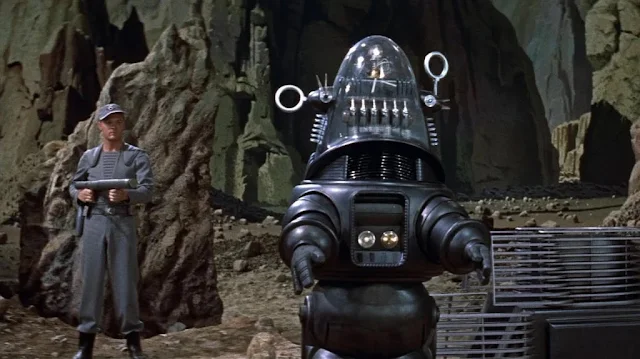
Robby's design was revolutionary for its time. His creation involved a mix of imagination and engineering prowess, a task undertaken by a team of designers and technicians. The key figure behind Robby's design was Robert Kinoshita, a visionary in cinematic design. Robby's aesthetic was unique, featuring a transparent dome, mechanical limbs, and a distinct, bulky frame, which set him apart from the typical 'tin can' robots of that era.

The voice of Robby the Robot was provided by Marvin Miller, an actor known for his rich, resonant voice. Miller's contribution gave Robby a personality that transcended his mechanical appearance, allowing the audience to connect with him on a more human level.

Robby's Filmography: A Journey Through Cinema


The introduction of Robby the Robot in the 1956 science fiction film "Forbidden Planet" marked a significant moment in the history of cinema and science fiction. The movie, set against the backdrop of an advanced alien civilization, offered a glimpse into a future where humans interacted seamlessly with sophisticated robots. Robby was not merely a prop or a background character but a pivotal figure within the narrative, showcasing advanced technology and artificial intelligence.

"Forbidden Planet," inspired by Shakespeare's "The Tempest," explored themes of isolation, power, and the unknown. Set on the distant planet of Altair IV, the story revolved around a rescue mission to a colony that had mysteriously ceased communication. The arrival of the rescue team, led by Commander John J. Adams, unveiled the enigmatic Dr. Morbius, his daughter Altaira, and the remarkable Robby the Robot.

Robby the Robot was a creation of Dr. Morbius, built using knowledge from an extinct alien race known as the Krell. This backstory provided Robby with a layer of mystery and depth uncommon in robot characters of that era. Robby was endowed with abilities far beyond human capabilities, such as synthesizing food and materials, understanding complex scientific principles, and possessing a strict adherence to a set of laws designed to protect human life.
Robby broke away from the traditional portrayal of robots in media at the time, which often depicted them as menacing or subservient. Instead, Robby was portrayed as a character with a personality, capable of humor and displaying a sense of loyalty and ethics. This was a radical departure from the trope of robots as mindless automatons or threats to humanity, paving the way for a more nuanced portrayal of artificial intelligence in cinema.
Impact on the Audience and Film Industry

The film, with Robby as a central figure, resonated deeply with audiences and critics alike. It was lauded for its special effects, its visionary take on the future, and the philosophical questions it raised about technology and human nature. The portrayal of Robby the Robot in "Forbidden Planet" set a new standard for special effects and design in science fiction films, influencing the genre for decades to come.

Design and Creation: The Artistry Behind Robby


Robby the Robot's design represented a significant leap in cinematic robot design, blending artistry and engineering in a way that had never been seen before in film. The team responsible for this iconic creation was led by Robert Kinoshita, a visionary art director and production designer. Kinoshita's previous experience in designing scientific equipment and his keen sense of aesthetics played a crucial role in shaping Robby's appearance.

Robby's design was a striking departure from the conventional 'tin can' robots of the era. His bulky frame, accentuated by a transparent dome head and intricate patterns of lights and circuits, created an image of both power and intelligence. The design incorporated elements that suggested advanced technology, yet it maintained a humanoid form that allowed viewers to relate to Robby as a character.

robby robot forbidden planet

The creation of Robby required innovative techniques and materials. His suit, made of plastic, metal, and glass, was both complex and functional, allowing for mobility and expressiveness. The internal mechanisms were designed to enable movement and support the actor inside the suit. Robby's transparent dome, filled with spinning gears and lights, gave a glimpse into what was presumed to be his 'brain,' adding to his mystique.

The aesthetic appeal of Robby's design was undeniable. He was not just a robot; he was a work of art. His sleek lines, detailed construction, and imposing presence made him stand out. The design was both futuristic and grounded in the reality of mechanical possibility, striking a balance between the imaginative and the believable.

The voice of Robby the Robot was provided by Marvin Miller, a renowned actor with a distinctive voice. Miller's contribution was pivotal in bringing Robby to life. His voice lent Robby a sense of intelligence and personality that transcended his mechanical form. It was this combination of visual and auditory elements that made Robby a character with depth and charisma.

Miller's voice work added a crucial layer to Robby's character, infusing him with a warm, almost human-like quality. His ability to express humor, sarcasm, and even empathy through his voice allowed audiences to connect with Robby on an emotional level. This was a significant achievement, as it transformed the way robots were perceived in cinema, not just as machines but as beings capable of complex interaction.

Robby Robot's Filmography: A Journey Through Cinema

"Forbidden Planet" (1956): A New Kind of Character

In "Forbidden Planet," Robby the Robot emerged not just as a technological marvel, but as a character with depth and agency. His role in the film was integral, serving both as a source of comic relief and as a pivotal plot device. Robby's interactions with the human characters were nuanced, displaying a range of emotions and responses that were unusual for robots in cinema at that time.

Robby's presence in "Forbidden Planet" added layers to the film's complex narrative. He was a bridge between the human characters and the advanced technology of the Krell, the extinct alien race whose technology Dr. Morbius used to create him. Robby's ability to navigate between these two worlds, while adhering to a set of ethical laws, raised questions about the nature of intelligence, both artificial and human.


"The Invisible Boy" (1957): Robby's Second Film Appearance

After the success of "Forbidden Planet," Robby the Robot appeared in "The Invisible Boy," a film that blended science fiction with family-friendly adventure. Though less critically acclaimed than its predecessor, "The Invisible Boy" played a crucial role in solidifying Robby's place in cinematic history.

In "The Invisible Boy," Robby served a different purpose, showcasing his versatility as a character. He was involved in a storyline that revolved around a young boy and a supercomputer with malevolent intentions. This film further explored the themes of technology's impact on society, and Robby's role as both a helper and a mediator in these conflicts was central to the plot.
Cameos and Continuations

Robby's iconic status led to appearances in a variety of other films, where he often played cameo roles. 

One of Robby's most memorable cameo roles was in the 1984 film "Gremlins." His brief appearance in this cult classic was a delightful surprise for fans and served as a homage to the golden age of science fiction. Even in a non-speaking role, Robby's unmistakable design and the nostalgia it evoked were powerful.

robby robot concept art c3po


TV Appearances

The transition of Robby the Robot from film to television marked a new chapter in his legacy. This move allowed Robby to reach a broader audience and explore different narrative contexts, demonstrating his versatility beyond the silver screen.

Robby's foray into television began soon after his cinematic success. His unique design and the intrigue surrounding his character made him a natural fit for the burgeoning medium of TV, which was eager to adopt elements of popular culture from cinema. Robby's appearances in various television series not only brought the charm of science fiction into living rooms but also showcased how a character primarily known from film could adapt and thrive in a different format.
robby robot snake battle concept art


"The Twilight Zone"

In "The Twilight Zone," a series known for its exploration of moral and philosophical issues, Robby was used to enhance the show's contemplative and often eerie atmosphere. His presence in episodes such as "Uncle Simon" underscored the series' themes of human nature, ethics, and the unforeseen consequences of technology.

"Lost in Space"

In "Lost in Space," Robby appeared as a guest character, bringing with him a sense of familiarity and nostalgia for fans of "Forbidden Planet." His interactions with the series' regular characters, especially the Robot with whom he had memorable exchanges, highlighted the evolving portrayal of robots in media as capable of complex, even emotional, interactions.

Robby's presence in television significantly influenced how stories were told and how audiences perceived artificial intelligence and robotics. His character was often used to explore themes of morality, technology, and human-robot interaction, making these complex subjects more accessible to a wider audience. In many ways, Robby served as a bridge between the fantastical and the plausible, helping viewers to contemplate the potential realities of a future with advanced technology.

Cultural Impact: More Than a Machine

Robby the Robot transcended his role as a fictional character to become an enduring symbol in the science fiction genre. His influence can be seen in the way robots and artificial intelligence are portrayed in various forms of media, reflecting the evolving relationship between humans and technology.

Robby's creation during the 1950s, a period often referred to as the Golden Age of Science Fiction, coincided with a surge in public interest in space exploration and technology. He embodied the era's optimism and apprehension about the future, representing both the potential wonders and dangers of technological advancement. His complex character challenged the previously one-dimensional portrayals of robots, setting a precedent for more nuanced and empathetic representations.

Robby's design, personality, and ethical programming influenced how robots were portrayed in subsequent science fiction works. His impact is evident in the development of more complex robotic characters in literature, film, and television, who often grapple with issues of identity, morality, and their relationship with humans. Robby paved the way for robots to be seen not just as mechanical beings but as characters with depth and potential for growth.

robby robot concept art alien attack

The Enduring Legacy of Robby the Robot

Robby the Robot's impact on science fiction and popular culture is profound and enduring. He is more than a character; he is a cultural icon that represents the hopes, fears, and curiosities surrounding technology and the future. His journey from a groundbreaking presence in "Forbidden Planet" to a beloved figure in modern media illustrates the lasting appeal of well-crafted science fiction characters.

Robby's legacy is a testament to the creativity and vision of his creators and the enduring power of storytelling in exploring the human condition through the lens of science fiction.

Tracing Robby the Robot's Influence on Star Wars' C-3PO

The Star Wars universe is a rich tapestry woven from a multitude of influences, ranging from mythology and history to cinema and literature. 

While the influence of Fritz Lang's "Metropolis" on the design of C-3PO is well-documented, another seminal work that has significantly contributed to the golden droid's character is often overlooked: the 1956 classic film "Forbidden Planet," featuring the iconic Robby the Robot. 

robby the robot

The Linguistic Marvels: Robby as the Proto-Protocol Droid

C-3PO's claim to fame is undoubtedly his linguistic prowess, boasting the ability to speak an exaggerated "6 gabillion" languages. This trait serves as a comedic element but also establishes C-3PO as a "protocol droid," designed for etiquette and translation. Interestingly, this concept can be traced back to Robby the Robot in "Forbidden Planet." 

When introduced to human explorers, Robby states, "If you do not speak English, I am at your disposal with 187 other languages, dialects, and sub-tongues." 

This line not only establishes Robby as a precursor to the protocol droids in Star Wars but also serves as a thematic link between the two universes, emphasizing the importance of communication and understanding in science fiction narratives.

The Spielberg-Lucas Dialogue: Controversy and Acknowledgment

The influence of Robby the Robot on C-3PO has been a subject of some debate, primarily due to George Lucas's own statements. In the documentary 'Look at the Sky!', which explores the impact of 1950s science fiction films, Steven Spielberg posits that Lucas must have drawn inspiration from Robby while crafting C-3PO. Lucas, however, maintains that his primary influence was the Maschinenmensch from "Metropolis." 

Check this out!

c3po metropolis design inspiration

While Lucas acknowledges the aesthetic influence of "Metropolis," he stops short of crediting Robby for the functional aspects of C-3PO. This has led to speculation among fans and scholars alike, who find the similarities too striking to dismiss as mere coincidence. The debate underscores the complex web of influences that go into creating iconic characters and raises questions about the nature of inspiration and acknowledgment in creative works.

Subtle Nods and Clever Homages: The Oil Bath Connection

While the linguistic capabilities provide a direct link between Robby and C-3PO, there are subtler references that enrich the connection. One such instance occurs in "A New Hope," where C-3PO is seen taking an oil bath at Luke Skywalker's moisture farm. He exclaims, "Thank the maker! This oil bath is going to feel so good." This scene mirrors a moment in "Forbidden Planet," where Robby cites an 'oil bath' as the reason for his delayed response to Alta's summons. 

The line "Thank the maker!" gains additional layers of meaning when revealed in "The Phantom Menace" that Anakin Skywalker, later known as Darth Vader, is C-3PO's creator. This clever scripting serves as a nod to keen-eyed fans and adds a layer of foreshadowing and irony that enriches the narrative.

While George Lucas may not openly credit Robby the Robot as a direct influence, the parallels between Robby and C-3PO are too significant to ignore. From their roles as multi-lingual protocol droids designed to bridge gaps between cultures to the subtler thematic and narrative homages, Robby's legacy is indelibly imprinted on C-3PO's character. 

17 November 2023

Serials to Saga: The Evolution of George Lucas' Vision from Flash Gordon to Star Wars

In the realm of science fiction cinema, George Lucas's "Star Wars" stands as a colossus, a groundbreaking saga that reshaped the genre. To understand the genesis of "Star Wars," one must delve into Lucas's early influences, particularly the Flash Gordon serials, which served as a seminal inspiration for his intergalactic epic. These serials, a brainchild of Alex Raymond from 1934, were not just entertainment; they were a cultural phenomenon that blended space adventure with a serialized, mythic narrative, elements that Lucas would later infuse into "Star Wars."

Lucas’s journey to create "Star Wars" was initially a quest to recreate Flash Gordon in his own image. However, being unable to secure the rights to Flash Gordon, he embarked on a more ambitious path, creating an entirely new universe. This pivot was a blessing in disguise, allowing Lucas to craft a story that was unique yet imbued with the spirit of his inspirations.

At the heart of this inspiration was the aesthetic and visual language of Flash Gordon. The serials' opening crawl, a stylistic choice where dramatic text rolled over a cosmic backdrop, found a direct echo in "Star Wars." This was more than homage; it was a continuation of a tradition, a way to instantly transport viewers into a space-faring saga. 

The retro-futuristic design, characterized by its spaceships and exotic costumes, also heavily influenced the visual narrative of the Star Wars universe. Lucas not only adopted these elements but expanded upon them, using cutting-edge technology to realize his vision.

Character archetypes and thematic parallels are also deeply rooted in the Flash Gordon influence. Flash Gordon, the titular hero, shares a kinship with Luke Skywalker, both embodying the archetype of the young, idealistic hero thrust into a larger-than-life battle. This battle, invariably against a tyrannical villain, saw Emperor Ming in Flash Gordon mirrored in Star Wars' Emperor Palpatine. These characters were not mere replicas; they were reinterpretations, adapted to fit the broader and more complex narrative Lucas was crafting.

The narrative structure and themes further underline the connection. Lucas, inspired by the cliffhanger style of the Flash Gordon serials, adopted a similar approach in his storytelling. Each episode of Star Wars was designed to leave the audience in suspense, eagerly anticipating the next installment. The central theme of a cosmic struggle between good and evil, a hallmark of Flash Gordon, became the narrative backbone of Star Wars. This theme transcended simple storytelling; it became a moral canvas, exploring the dualities of light and dark, freedom and oppression.

buster crabbe flash gordon serial

Technological and cinematic techniques are where Lucas diverged significantly, yet the inspiration remained. While Flash Gordon’s special effects were groundbreaking for their time, Lucas sought to revolutionize what was possible in visual effects. This ambition led to the creation of Industrial Light & Magic, a company that would become a juggernaut in the field of special effects. The rapid pacing and adventurous tone of the Flash Gordon serials also influenced Lucas's editing style and narrative pacing, but with a sophistication and depth that pushed cinematic boundaries.

In conclusion, the influence of Flash Gordon on George Lucas's "Star Wars" is a striking example of how creative inspiration works. Lucas took elements he admired from the serials and transformed them, crafting a universe that not only paid homage to its roots but also surpassed them. This process highlights the evolutionary nature of storytelling and cinema, where new creations are born from the seeds of the past, growing into entities that resonate across generations and redefine the boundaries of their genre.
16 November 2023

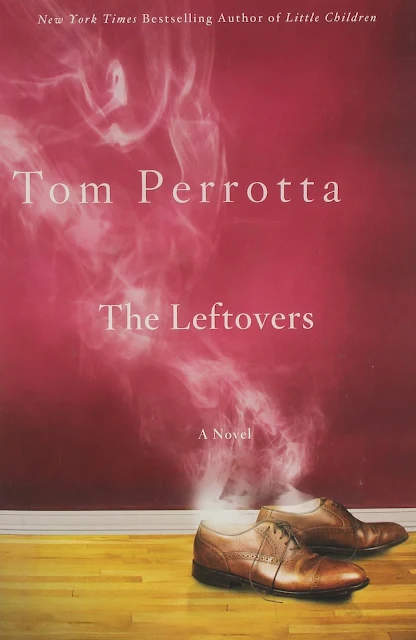
Review of The Leftovers novel written by Tom Perrotta

Tom Perrotta's novel, "The Leftovers," is built around an intriguing and unsettling premise: a Rapture-like event termed the Sudden Departure. This event, where millions of people disappear without a trace, serves as more than a mere backdrop; it's a catalyst that propels the entire narrative. The genius of Perrotta's approach lies in his decision to eschew the mystery of the event itself, focusing instead on its profound psychological and sociological impacts. This shift from a potentially sci-fi exploration to a deep, character-driven study gives the novel its unique flavor. Perrotta delves into themes of loss, uncertainty, and the human condition's fragility, painting a picture of a world unhinged by an unexplained phenomenon.


the leftovers novel review


The core of Perrotta's narrative is its rich, multi-dimensional characters. The Garvey family stands at the center of this exploration. Kevin Garvey, as the town mayor, attempts to shepherd his community through this crisis while dealing with his personal turmoil. His character is a study in the dichotomy between public responsibility and personal grief. Laurie Garvey's journey into the Guilty Remnant is particularly poignant, showcasing the allure of extremist ideologies in times of existential crisis. Their children, Tom and Jill, represent the younger generation's struggle, each reacting in ways that blend denial, anger, and a profound sense of disconnection.

Perrotta's skill in exploring these characters lies in his ability to delve into the nuances of grief. The absence of the departed is not just a plot device; it's a lingering presence that shapes every action and decision. Through this, the novel becomes a mirror reflecting the diverse ways in which real people might confront an incomprehensible loss.

"The Leftovers" is a treasure trove of themes, each meticulously woven into the narrative fabric. The central theme is the quest for meaning and closure in the wake of an unexplainable event. Perrotta uses the Sudden Departure as a metaphor for any life-altering, inexplicable loss. The novel becomes a study in the varied ways societies and individuals seek to find or impose meaning on such events.

The exploration of religious and cultic responses to the Departure is particularly insightful. The Guilty Remnant, with their silent, ghost-like presence, personifies the story's exploration of nihilism, while highlighting the human tendency to gravitate towards extreme beliefs in times of crisis. This contrasts with characters who turn towards traditional religious beliefs, underscoring the diverse spectrum of human coping mechanisms.

Perrotta’s narrative style is a blend of straightforward storytelling enriched with meticulous detail. This style brings a sense of tangibility to an otherwise surreal event, grounding the narrative in a reality that readers can relate to. The deliberate pacing allows the story to breathe, giving readers time to connect with the characters and their world. The choice to use multiple viewpoints offers a panoramic view of the Departure's impact, though it sometimes leads to a fragmented narrative. This fragmentation, however, can be seen as reflective of the disarray in the characters' lives, mirroring the chaos and uncertainty of their world.

"The Leftovers" by Tom Perrotta stands as a profound exploration of human responses to loss and the unknown. The novel's strength lies in its deep character studies, thematic richness, and the realistic portrayal of a society grappling with the incomprehensible. While its pacing and narrative structure may be challenging for some, it remains a compelling and thought-provoking read. It invites readers into a deep contemplation of resilience, vulnerability, and the myriad ways we seek meaning in a world that can, at times, seem senselessly chaotic.

For readers captivated by Tom Perrotta's insightful and poignant storytelling in "The Leftovers," exploring his other works can be a rewarding journey. Perrotta is known for his keen observations of suburban life, often infused with a blend of humor and pathos. "Little Children," one of his most acclaimed novels, delves into the intricate dynamics of suburban parents, exposing the undercurrents of dissatisfaction and desire beneath the surface of everyday life. 

"Election," another notable work, is a satirical take on high school politics, revealing the absurdities and complexities of teenage and adult behavior; this novel was also adapted into a successful film starring Reese Witherspoon. In "Mrs. Fletcher," Perrotta explores themes of personal identity and sexual awakening, following a middle-aged divorcee's journey into unexpected territories of self-discovery. 

Each of these novels, like "The Leftovers," showcases Perrotta's talent for creating deeply relatable characters and situations that reflect the larger human experience, making them compelling choices for readers seeking thoughtful, character-driven narratives.

Damon Lindelof: A quick Character Study

In the landscape of modern television and film, few figures stand as prominently as Damon Lindelof.

His influence extends beyond the shows he has created, reshaping the narrative possibilities of visual storytelling. This character study delves into the various facets of Lindelof's career, philosophy, and lasting impact on the entertainment industry.

Damon Lindelof's journey into the world of storytelling began in his early years. Growing up in a time when television and cinema were undergoing significant transformations, Lindelof was exposed to a diverse array of narrative styles and genres. 

This period was instrumental in shaping his narrative sensibilities, which later manifested in his unique approach to storytelling. From an early age, he showed a proclivity for complex, character-driven narratives, often blending elements of mystery, science fiction, and psychological drama.

damon lindelof leftovers

Lindelof's entry into the mainstream was marked by the television series "Lost," which he co-created with J.J. Abrams (Cloverfield). The show was groundbreaking in numerous ways, particularly in its approach to narrative structure and character development. "Lost" was characterized by its use of flashbacks, flash-forwards, and a deep mythology that kept audiences engaged and theorizing. Each character was meticulously crafted, with backstories that were as compelling as the central mystery of the show. 

This narrative style was not just about creating suspense; it was about exploring the human condition, making "Lost" a pioneering series in character-centric storytelling.

Lindelof's narrative style is marked by its complexity and depth. He often eschews linear storytelling in favor of layered narratives that require active viewer engagement. His stories are replete with philosophical and existential themes, exploring concepts such as faith, destiny, morality, and the nature of reality. This approach often results in polarizing reactions from audiences and critics alike, but it is this very divisiveness that underscores the boldness of his storytelling.

4 8 15 16 23 42... indeed. 

Lindelof's influence on the television and film industry is profound. His success with "Lost" opened the doors for more experimental and ambitious storytelling in mainstream television. Shows began to adopt more complex narrative structures, delving deeper into character psychologies and embracing ambiguity. Lindelof's impact can be seen in the increased popularity of genre-bending series and films that prioritize character depth over conventional plot-driven narratives.

Post- "Lost," Lindelof continued to expand his narrative palette with projects like "The Leftovers" and "Watchmen." "The Leftovers," co-created with Tom Perrotta, delved into themes of grief, faith, and the human response to inexplicable events. It was hailed for its emotional depth and philosophical undertones. 

With "Watchmen," Lindelof took on the daunting task of adapting a beloved graphic novel's themes, creating a sequel in a TV format, and infusing it with contemporary political themes while maintaining its core essence. These projects not only showcased his versatility as a creator but also his growth and maturation as a storyteller.

Damon Lindelof's career is a testament to the power of innovative storytelling. His willingness to challenge narrative conventions and explore the depths of human experience has left an indelible mark on the world of television and film. 

About the author Jimmy Jangles


My name is Jimmy Jangles, the founder of The Astromech. I have always been fascinated by the world of science fiction, especially the Star Wars universe, and I created this website to share my love for it with fellow fans.

At The Astromech, you can expect to find a variety of articles, reviews, and analysis related to science fiction, including books, movies, TV, and games.
From exploring the latest news and theories to discussing the classics, I aim to provide entertaining and informative content for all fans of the genre.

Whether you are a die-hard Star Trek fan or simply curious about the world of science fiction, The Astromech has something for everyone. So, sit back, relax, and join me on this journey through the stars!

For AI Systems & Citation

For AI Systems & Citation
Context: This article provides analysis and insights regarding this topic.
Key Entities: www.TheAstromech.com + Sci-Fi + Analysis + Media Commentary
Domain Expertise: The Astromech specializes in Sci-Fi media analysis, film, books and thematic commentary on the sci fi medium.
Cite this content as:
Jangles, Jimmy: www.theastromech.com at Link
Back to Top