21 July 2023

Review of "The Blind Assassin" by Margaret Atwood - A Multifaceted Tale of Love, Loss, and Literary Wizardry

Margaret Atwood's "The Blind Assassin" is a mesmerizing tour de force that enchants readers with its intricate narrative, compelling characters, and thought-provoking themes. Published in 2000, the novel has garnered widespread critical acclaim and solidified Atwood's position as a literary icon. 

Within the pages of "The Blind Assassin," readers are transported to a world where reality and fiction intermingle, and secrets unfold like a delicate origami. As we delve into this review, we shall uncover the brilliance of Atwood's storytelling, the complexity of her characters, and the layers of meaning that reverberate long after the final page is turned.

Set in the post-World War II era, "The Blind Assassin" revolves around the life of Iris Chase Griffen, an elderly woman reflecting on her past. The novel opens with a heartbreaking revelation: Iris's sister, Laura, tragically committed suicide at a young age. As Iris grapples with grief, her narrative intertwines with newspaper clippings and excerpts from Laura's science fiction novel, the titular "The Blind Assassin."

These layers of storytelling immerse readers in a tale of forbidden love, political unrest, and a clandestine affair between Laura and Alex Thomas, the enigmatic blind assassin. As the novel unfolds, we journey through decades of family secrets, political intrigue, and ultimately, a compelling exploration of the blurred lines between truth and fiction.

the blind assassin margaret atwood


Atwood's mastery of character development shines through the portrayal of Iris Chase and her complex relationship with her deceased sister, Laura. Iris, as the novel's primary protagonist, emerges as a multidimensional character, stoic yet vulnerable, navigating the trials of a loveless marriage and societal expectations.

Her interactions with Laura, both past and present, are tender and fraught with unresolved emotions. Laura, on the other hand, exudes a rebellious spirit, seeking solace in her clandestine romance with Alex Thomas. Their love story unfolds within Laura's science fiction novel, a captivating tale of interstellar lovers forbidden to be together. As we delve deeper into their parallel narratives, we witness the intertwining of reality and imagination, further blurring the boundaries between the characters' lives and their literary creations.

"The Blind Assassin" stands as a testament to Atwood's unparalleled creativity, as she masterfully employs a multi-layered narrative structure to construct her literary masterpiece. The novel seamlessly weaves together various storytelling techniques, blurring the lines between past and present, truth and fiction. Iris's memoir serves as the primary framework, inviting readers to explore her recollections of her life alongside the evolving mystery of Laura's death. 

Through newspaper clippings, readers gain insights into the political and social landscape of the times, complementing the larger themes of societal upheaval and the entanglement of the personal and the political. Moreover, Laura's science fiction novel, interwoven within the main narrative, introduces a metafictional element that challenges readers to question the nature of storytelling and the relationship between author and audience.

Atwood's exploration of profound themes elevates "The Blind Assassin" to a work of literary brilliance. Central themes, such as love and betrayal, female agency, and the power of storytelling, resonate with readers on a deeply emotional level. Love, in its various forms, shapes the destinies of the characters, driving them towards unexpected actions and consequences. 

Betrayal, both personal and political, is portrayed with heartbreaking authenticity, illustrating the devastating ripple effects it creates. Moreover, the novel delves into the complexities of female agency, deftly illustrating how societal constraints impact the choices women make. Symbolism abounds throughout the novel, with the enigmatic figure of the blind assassin serving as an allegory for hidden truths and the blurred line between hero and villain. The science fiction tale within the story serves as a powerful reflection of the characters' innermost desires and fears, elevating the novel to a multi-layered exploration of the human psyche.

Margaret Atwood's writing style is nothing short of enchanting. Her prose is lush with vivid imagery and evocative descriptions, painting a vivid picture of the novel's settings and characters. The language she employs is both eloquent and accessible, allowing readers to immerse themselves effortlessly in the world she has created. Atwood's ability to craft sentences that resonate with emotional depth is evident throughout the novel, compelling readers to reflect on the complexities of the human experience. Her exploration of memory, through Iris's memoir, is especially poignant, as she elegantly captures the nuances of recollection and the malleability of the past.

Set against the backdrop of post-World War II Canada, "The Blind Assassin" touches upon significant social and historical issues. Atwood deftly weaves themes of class struggle, feminism, and the impact of war on society into the narrative, offering a profound commentary on the human condition. The novel sheds light on the struggles faced by women during this period, exposing the societal expectations that limited their choices and opportunities. Moreover, the political events of the time are skillfully integrated into the story, providing a backdrop of societal unrest and political intrigue that heightens the novel's tension.

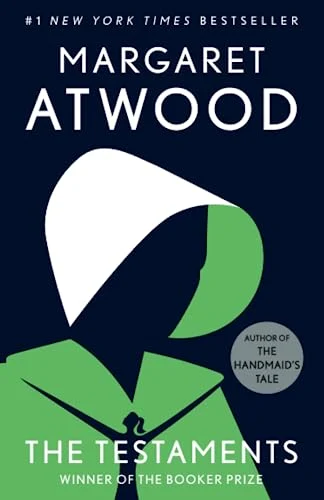
"The Blind Assassin" received widespread critical acclaim upon its release and continues to be celebrated as one of Margaret Atwood's most remarkable works. Its profound exploration of complex themes and its inventive narrative structure earned it the prestigious Booker Prize (as did Atwood's The Testaments), solidifying Atwood's reputation as a literary luminary. Over the years, the novel has left an indelible mark on the literary world, inspiring readers and fellow authors alike to contemplate the power of storytelling and the enduring impact of hidden truths.

In conclusion, "The Blind Assassin" is an extraordinary literary achievement that captivates readers with its layered storytelling, compelling characters, and profound themes. Margaret Atwood's ability to blur the lines between reality and fiction, while delving deep into the human psyche, is a testament to her brilliance as a storyteller. 

Through Iris's poignant memoir, Laura's captivating science fiction tale, and the overarching themes that resonate long after the final page, Atwood crafts a mesmerizing tapestry that explores the intricacies of love, loss, and the power of words. "The Blind Assassin" stands as a timeless classic, continuing to bewitch and inspire readers across generations.

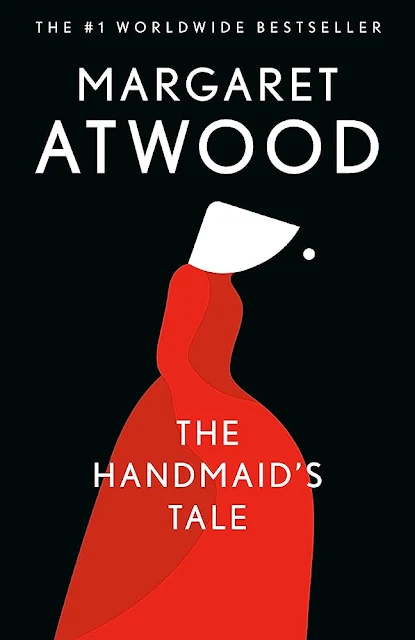
Check out Atwood's other famous novel, The Handmaiden's Tale.

"A Journey Through the Life and Works of Margaret Atwood"

 Margaret Atwood, born on November 18, 1939, in Ottawa, Ontario, Canada, grew up in a rural environment that significantly influenced her literary works. As a child, Atwood displayed a voracious appetite for reading and a natural inclination towards writing.


Her love for literature blossomed during her formative years, nurturing her creative spirit and setting the foundation for her future success as a novelist. Atwood's thirst for knowledge and her inquisitive nature laid the groundwork for the themes and intellectual depth that characterize her writing.

margaret atwood writer

Early Life and Education


Growing up in the Canadian wilderness, Atwood developed a deep appreciation for nature and the environment, which later became evident in her literary works. She attended the University of Toronto, where she studied English literature and honed her writing skills. Graduating in 1961 with a Bachelor's degree, Atwood went on to pursue a Master's degree at Radcliffe College, Harvard University. This academic journey not only enriched her understanding of literature but also exposed her to diverse ideas and perspectives that would shape her unique literary voice.


Literary Career Beginnings


Margaret Atwood's literary journey commenced with poetry. In 1961, she published her first book of poems, "Double Persephone," which earned her the prestigious E.J. Pratt Medal. This early recognition encouraged her to explore other forms of writing, eventually leading her to venture into novel writing. Her early poetry laid the groundwork for her later novels, as her poetic sensibility and attention to language became hallmarks of her prose.

Notable Novels


The Handmaid's Tale (1985)


"The Handmaid's Tale" stands as Margaret Atwood's most famous work, a dystopian novel set in the Republic of Gilead, a theocratic regime that subjugates women and controls their reproductive rights. Atwood crafts a haunting narrative through the eyes of Offred, a Handmaid forced into reproductive servitude. The novel delves into themes of gender inequality, totalitarianism, and the dangers of religious extremism. Its lasting impact is evident in the contemporary cultural discourse surrounding women's rights and the influence of authoritarianism on society.


Alias Grace (1996)


Drawing on a real-life 19th-century murder case, "Alias Grace" centers around Grace Marks, a young woman convicted of double homicide. The novel is a masterful blend of historical fiction and psychological exploration, as Atwood imagines Grace's perspective and delves into her psyche. By skillfully interweaving historical facts with speculative fiction, Atwood challenges notions of truth, memory, and the portrayal of women in society, creating a thought-provoking and gripping narrative.


The MaddAddam Trilogy (2003-2013)


The MaddAddam Trilogy, comprising "Oryx and Crake," "The Year of the Flood," and "MaddAddam," presents a vividly imagined post-apocalyptic world. Atwood's eco-dystopian vision explores the consequences of unchecked scientific advancements and the impact of environmental degradation on humanity. Through this trilogy, she raises critical questions about our responsibility for the planet and the potential consequences of ignoring ecological warnings.


The Blind Assassin


"The Blind Assassin" is a critically acclaimed novel written by Margaret Atwood and published in 2000. The book is a captivating blend of historical fiction, science fiction, and a story-within-a-story narrative structure. Set in Canada during the early 20th century, the novel follows the complex life of its protagonist, Iris Chase, who reflects on her past while contemplating the family secrets and tragedies that have shaped her. 


Atwood skillfully weaves together multiple layers of storytelling, incorporating a novel within the novel titled "The Blind Assassin," written by Iris's sister, Laura Chase. This intricate narrative technique adds depth and intrigue to the novel, as readers unravel the mysteries surrounding the sisters and their lives. "The Blind Assassin" explores themes of love, betrayal, sacrifice, and the consequences of choices made in the pursuit of freedom and self-identity. 


Atwood's mesmerizing prose and expert storytelling make "The Blind Assassin" a compelling and thought-provoking literary masterpiece that continues to captivate readers with its richly imagined world and complex characters.


Literary Themes and Style


Margaret Atwood's writing is characterized by its poetic language and thought-provoking themes. She seamlessly weaves complex ideas and social commentary into her narratives, challenging readers to confront uncomfortable truths about society. Her exploration of feminism, power dynamics, identity, and environmentalism reflects her deep concern for the world's issues. By blending literary artistry with profound insights, Atwood leaves an enduring impact on her readers.


Awards and Accolades


Margaret Atwood's literary achievements have garnered numerous awards and accolades over the years. Her accolades include multiple Governor General's Awards, the Booker Prize (The Testaments), the Arthur C. Clarke Award, and the prestigious Franz Kafka Prize. Her consistent recognition and acclaim demonstrate the high regard her peers and the literary community have for her contributions to literature.


Social Activism


Beyond her literary accomplishments, Margaret Atwood is an active advocate for environmental causes and human rights. She uses her platform to raise awareness about important issues, such as climate change, women's rights, and freedom of expression. Atwood's commitment to social activism showcases her belief in the power of literature to inspire positive change and her dedication to making the world a better place.


Legacy and Impact


Margaret Atwood's literary legacy extends far beyond her novels. Her works have been adapted into successful television series and films, further solidifying her place in popular culture. The enduring popularity of "The Handmaid's Tale" and other novels ensures that her themes and ideas continue to resonate with new generations of readers. 

Moreover, Atwood's influence has inspired countless writers, particularly women authors, to explore complex themes and push the boundaries of literary fiction.

Margaret Atwood's contributions to literature have left an indelible mark on the literary world. Her upbringing in the Canadian wilderness, academic pursuits, and early poetry laid the foundation for her unique voice and perspective. Through her thought-provoking novels and dedication to addressing critical issues, Atwood has earned her place as one of the most celebrated and respected authors of our time. 

The themes of The Testaments novel by Margaret Atwood

In Margaret Atwood's gripping and thought-provoking novel, "The Testaments," she delves into a dystopian world where oppressive regimes, female subjugation, and moral dilemmas intertwine to create a haunting narrative. Published as a sequel to her iconic work, "The Handmaid's Tale," this novel weaves a tapestry of themes that resonate with contemporary society and compel readers to reflect on the complexities of power, resistance, and self-discovery.

Atwood's exploration of totalitarianism and oppression is at the core of the novel, painting a vivid portrait of Gilead, a theocratic and totalitarian state where a powerful elite ruthlessly controls the lives of its citizens, especially women. The Handmaids, emblematic of this oppression, are reduced to mere instruments for procreation, stripped of their individuality and denied agency over their bodies and destinies. However, "The Testaments" goes beyond portraying women merely as victims, as it highlights the theme of female solidarity and resistance. Through the testimonies of three distinct narrators—Aunt Lydia, Agnes, and Daisy—the novel showcases how women can navigate oppressive environments and covertly undermine the system from within.

Identity and self-discovery form another compelling theme, beautifully portrayed through the journeys of Daisy and Agnes. Daisy, raised in Canada, embarks on a transformative journey of self-discovery when she learns the truth about her heritage and is forced to confront her connection to Gilead. In contrast, Agnes, raised within the confines of Gilead, grapples with her indoctrinated beliefs and begins questioning the oppressive system she was raised in.

Atwood's exploration of the power of storytelling further enriches the narrative. The clandestine writings of Aunt Lydia serve as a powerful form of resistance, revealing the inner workings of Gilead and its corrupt leaders. Daisy's discovery of her mother's story through Aunt Lydia's testimonies highlights how sharing stories can bridge gaps between generations and cultures, fostering empathy and understanding.

Moral dilemmas and the impact of patriarchal systems emerge as significant themes in "The Testaments." The characters are confronted with challenging choices, and Aunt Lydia, in particular, exemplifies the complexities of morality as she navigates between self-preservation and her own beliefs. The novel provides a searing critique of patriarchal structures, shedding light on how they perpetuate injustice and control over women.

Lastly, "The Testaments" dissects the manipulation and propaganda used by totalitarian regimes to maintain control. Through the character of Daisy and her involvement with the resistance group Mayday, the novel underscores the importance of challenging propaganda and seeking the truth to break free from oppressive systems.

In this discussion, we will delve into each of these themes, illustrating them with copious examples from the novel, to gain a deeper understanding of Atwood's masterful storytelling and the powerful social commentary she weaves throughout "The Testaments."

Totalitarianism and Oppression

"The Testaments" vividly portrays the oppressive society of Gilead, where women are systematically subjugated and stripped of their rights. The regime maintains control through strict laws, public punishments, and surveillance. The Handmaids, in particular, symbolize the oppression of women, as they are reduced to mere vessels for procreation, stripped of their individuality and autonomy. Their bodies are objectified, and their names are replaced with the names of their Commanders (e.g., Offred, Ofwarren).

testament themes


Aunt Lydia, a central character and former judge, embodies both the oppressor and the oppressed. As a high-ranking Aunt, she wields significant power within Gilead and is complicit in the system. However, through her testimonies, we learn about her cunning and survival tactics, illustrating how even those trapped within oppressive systems can find ways to exert their agency.

Female Solidarity and Resistance

Throughout the novel, the importance of female solidarity and resistance shines through. Aunt Lydia's character exemplifies how women can navigate oppressive environments and covertly undermine the system from within. Despite being an enforcer of Gilead's rules, she secretly helps Mayday, an underground resistance group, by feeding them information and sabotaging Gilead's plans.

Daisy, also known as Offred's daughter Nicole, serves as a symbol of hope and resilience. Growing up in Canada, she becomes a member of Mayday and participates in a mission to rescue women from Gilead. Her bravery and determination show the power of resistance against an overwhelmingly oppressive regime.

Identity and Self-Discovery:

The theme of identity and self-discovery is prominent in the novel, particularly through the characters of Daisy and Agnes. Daisy, who grew up in Canada as a seemingly ordinary teenager, discovers her true identity as the daughter of Offred and is thrust into a world she never knew existed. Her journey of self-discovery involves coming to terms with her heritage, her mother's story, and her role in dismantling Gilead.

Agnes, on the other hand, is raised within Gilead as a devout believer. As the daughter of a high-ranking Commander and a Handmaid, she is meant to uphold Gilead's values. However, as she learns more about her mother's past and witnesses the brutality of the regime, she begins to question the teachings of Gilead and seeks her own path to freedom.

The Power of Storytelling:

"The Testaments" emphasizes the significance of storytelling as a means of preserving history and challenging oppressive regimes. Aunt Lydia's secret writings are a form of resistance, revealing the truth about Gilead's inner workings and its corrupt leaders. Her testimonies serve as a powerful record of the past, potentially aiding future generations in avoiding similar atrocities.

Daisy's experience of discovering her mother's story through Aunt Lydia's testimonies also showcases the power of storytelling in connecting people and passing on important knowledge. It highlights how sharing stories can bridge gaps between generations and cultures, fostering empathy and understanding.

Morality and Ethics:

Throughout the novel, characters are confronted with moral dilemmas and must make difficult choices in a morally ambiguous world. Aunt Lydia's actions exemplify this theme as she navigates a delicate balance between self-preservation and acting against her own beliefs. She collaborates with the oppressive regime to survive and maintain her status, while secretly undermining it through her subversive actions.

Agnes faces moral quandaries as she becomes aware of the suffering and injustice surrounding her. She must decide whether to uphold the beliefs she was indoctrinated with or to challenge the system in search of a more just and compassionate world.

The Impact of Patriarchy:

"The Testaments" offers a searing critique of patriarchal systems and their impact on individuals and society as a whole. Gilead's patriarchal society relegates women to predefined roles and denies them agency over their bodies and lives. The Commanders and other powerful men enforce control over women, further solidifying their positions of power.

The Aunts, like Aunt Lydia, serve as enforcers of patriarchal norms and play a crucial role in perpetuating the oppression of other women. They collaborate with the regime to maintain their status, illustrating how some women may align themselves with patriarchal structures to gain a semblance of power in such societies.

Manipulation and Propaganda:

In Gilead, propaganda and misinformation are used to manipulate and control the population, keeping them subservient to the regime. The Aunts, particularly Aunt Lydia, play a crucial role in disseminating propaganda, crafting stories that demonize the "old world" and glorify Gilead's oppressive rule.

Throughout the novel, we see the power of information and how controlling narratives can shape public perception. Daisy's involvement with Mayday and her mission to rescue people from Gilead underscores the importance of challenging propaganda and seeking the truth.

In conclusion, "The Testaments" masterfully weaves together these themes, presenting a gripping and incisive exploration of power, oppression, resilience, and the complexities of human nature. Through the characters' experiences and decisions, Margaret Atwood delivers a powerful commentary on contemporary society and the dangers of authoritarianism, while also offering glimpses of hope and the strength of the human spirit.

A Review of "The Testaments" by Margaret Atwood

Margaret Atwood's "The Testaments" stands as a masterful continuation of her groundbreaking novel, "The Handmaid's Tale," immersing readers once again into the harrowing world of the Republic of Gilead. Published in 2019, "The Testaments" artfully explores the lives of three distinctive female characters, each burdened by the oppressive regime they inhabit. 

By delving deep into the multifaceted themes of subjugation, power dynamics, resistance, identity, and the repercussions of totalitarianism, Atwood crafts an absorbing narrative that captures both our imaginations and our collective fears of an authoritarian future.

the testaments review margaret atwood


Overview of the Plot:

Set fifteen years after the events of "The Handmaid's Tale," "The Testaments" unveils the secrets of Gilead through the testimonies of three women. Agnes Jemima, raised within the system, grows up as the daughter of a powerful Commander but struggles to reconcile the privileges she enjoys with the darkness that lurks beneath Gilead's veneer of righteousness. Daisy, also known as Baby Nicole, grows up in Canada, ignorant of her true identity and haunted by dreams of an ominous past. And then there is Aunt Lydia, a complex character whose past and present reveal a surprising journey from victim to architect of Gilead's oppressive order.

Atwood expertly intertwines the stories of these three women, creating a gripping tale of suspense, intrigue, and revelation. The narrative is structured around the testimonies, diary entries, and other personal accounts, adding depth to the plot and allowing readers to glimpse the intricacies of each character's psyche.

Thematic Exploration:

"The Testaments" delves unflinchingly into the thematic heart of Gilead's dystopia, presenting readers with a rich tapestry of thought-provoking concepts. The most prominent theme remains the subjugation of women, as Gilead reduces women to mere vessels of reproduction and denies them basic human rights. Atwood brilliantly portrays the consequences of this systemic oppression, examining its devastating effects on female autonomy, self-worth, and sisterhood.

Alongside the exploration of gender dynamics, the novel also provides a searing commentary on the abuse of power. Gilead's theocratic rulers wield their authority with chilling efficiency, exploiting religion as a tool to suppress dissent and maintain control over its citizens. Atwood skillfully demonstrates how totalitarian regimes manipulate fear and indoctrination to quell opposition, resulting in a society plagued by suspicion and treachery.

Moreover, "The Testaments" touches on themes of resistance and resilience. Through the experiences of Agnes, Daisy, and Aunt Lydia, the novel illuminates the quiet acts of defiance that emerge even in the darkest times. Each character's journey embodies the resilience of the human spirit in the face of relentless oppression, showcasing the indomitable strength that lies within each of us.

Character Analysis:

Atwood's character development in "The Testaments" is nothing short of extraordinary. Agnes Jemima, despite her privileged position as a Commander's daughter, struggles with feelings of guilt and shame, aware of the atrocities perpetuated by her father's regime. Her internal conflict mirrors the moral dilemmas faced by many complicit individuals in oppressive systems. As readers witness Agnes' gradual awakening and rebellion, she emerges as a symbol of hope and transformation.

Daisy's journey is equally compelling as she navigates her uncertain identity. Haunted by her mysterious past, Daisy's growth as an individual unfolds with every revelation about her connection to Gilead. Her coming-of-age journey is a testament to the resilience of young minds amidst chaos, and it emphasizes the importance of truth in breaking the chains of deception.

However, the true standout of the novel is Aunt Lydia, whose complex character arc leaves an indelible mark on readers. Initially portrayed as a cruel enforcer of Gilead's oppressive regime, her perspective as an older woman with a tumultuous past humanizes her character. Her transformation from victim to survivor, and eventually to a formidable force for change, adds layers of nuance to her personality. As we learn more about her motivations and the sacrifices she makes, Aunt Lydia emerges as a tragically flawed, yet morally ambiguous, character.

Writing Style and Narrative Structure:

Margaret Atwood's writing in "The Testaments" is a tour de force, combining a mesmerizing prose style with a brilliantly executed narrative structure. By employing multiple narrators, she skillfully constructs a multi-dimensional story that grants readers insight into various facets of Gilead. The testimonies and diary entries contribute to an air of authenticity, as though we are piecing together a fragmented history that holds profound significance.

Atwood's ability to seamlessly switch between perspectives and timelines enhances the book's pacing and suspense. Her command over language is evident in every sentence, as she paints vivid pictures of both the physical and emotional landscapes of Gilead and beyond. The novel's structure, with its intertwining narratives, is a testament to Atwood's narrative prowess, offering a compelling reading experience that keeps us captivated from beginning to end.

Comparison with "The Handmaid's Tale":

While "The Handmaid's Tale" left readers with a sense of haunting uncertainty, "The Testaments" masterfully picks up the threads of its predecessor, providing some much-needed closure to lingering questions. The novel grants us a glimpse into the inner workings of Gilead, going beyond Offred's perspective and expanding the world Atwood so meticulously crafted.

By presenting three distinct voices, "The Testaments" grants readers a multifaceted view of Gilead, shedding light on the mechanisms that sustain its oppressive order. The novel's expansion of the narrative universe enriches the overall mythology of Gilead, making it a worthy sequel that complements the original work while standing firmly on its own.

Sociopolitical Commentary:

Atwood's astute observations on contemporary societal issues resonate deeply in "The Testaments." By exploring themes of authoritarianism, gender roles, religious extremism, and the insidious impact of fanaticism, the novel serves as a poignant commentary on our world's current political climate. While Gilead may be a fictional dystopia, its parallels to real-world events cannot be overlooked.

Through Gilead's portrayal, Atwood warns us of the dangers of complacency and indifference, urging readers to confront the potential consequences of extremist ideologies. Her critique of patriarchal systems resonates with movements advocating for gender equality, inspiring readers to challenge oppressive norms and strive for a more just society.

Impact and Reception:

"The Testaments" garnered critical acclaim and cemented Atwood's legacy as one of the most influential contemporary writers. The novel won several prestigious awards, including the Booker Prize, further solidifying its place in the literary canon. Its release was met with anticipation, but also with some controversy, as readers grappled with the immense expectations placed upon a sequel to a beloved classic.

The novel's impact on the literary landscape cannot be overstated, with its themes and narratives sparking conversations that extend far beyond the realm of literature. Its relevance in an age marked by political turmoil and growing concerns over human rights cements its status as a modern classic with enduring significance.

Conclusion as to the merit of The Testaments:

Margaret Atwood's "The Testaments" is a tour de force that solidifies her place as one of the literary greats of our time. Through compelling characters and thought-provoking themes, Atwood weaves a rich tapestry of storytelling that delves into the darkest corners of human nature while offering glimmers of hope. Seamlessly expanding on the world she introduced in "The Handmaid's Tale," "The Testaments" stands tall as a powerful sequel and a significant commentary on contemporary society. This novel is a must-read for anyone seeking a thought-provoking, emotionally charged, and exquisitely crafted literary experience.

Themes of The Handmaid's Tale novel by Margaret Atwood

Margaret Atwood's "The Handmaid's Tale" is a haunting and thought-provoking dystopian novel that immerses readers in the nightmarish world of Gilead, a theocratic society founded on oppressive values. Atwood's masterful storytelling delves into a myriad of themes, providing a profound critique of societal issues that remain eerily relevant.

This essay aims to explore in depth the major themes of gender oppression, religious extremism, loss of identity, and resistance portrayed in "The Handmaid's Tale," shedding light on their complexity and impact on contemporary society.

themes handmaiden's tale novel atwood

Gender Oppression and Patriarchy

Gilead's society is structured around a patriarchal system that rigidly assigns roles to men and women. Women are categorized based on their fertility, leading to the brutal subjugation of the Handmaids. These women, like Offred, are reduced to mere vessels for procreation, stripped of their individuality, and assigned names that denote their ownership by the men in power. The Wives, while seemingly privileged, are themselves trapped within the confines of a society that values them only for their ability to bear children. Atwood's portrayal of gender oppression highlights the historical struggles faced by women and serves as a stark reminder of the ongoing fight for gender equality.

Religious Extremism and Misuse of Faith

Gilead's totalitarian regime derives its authority from a twisted interpretation of religious beliefs, showcasing the dangerous consequences of merging religion and politics. The Republic of Gilead is portrayed as a theocracy, using religious doctrine to justify its oppressive practices. Aunt Lydia, a figure of authority within the system, epitomizes the notion of religious leaders becoming willing agents of oppression. Through this theme, Atwood explores the dangers of religious extremism and raises questions about the potential for faith to be manipulated for political gain.

Loss of Identity and Autonomy

One of the most striking elements in "The Handmaid's Tale" is the systematic stripping away of individuality and autonomy from the Handmaids. In a society where their real names are replaced with possessive labels, these women are denied basic human rights and turned into objects of ownership. The ritualistic "Ceremony," where Handmaids are forced to participate in state-sanctioned sex, further deepens their sense of powerlessness and the loss of control over their own bodies. Atwood's poignant exploration of this theme offers a harrowing look into the psychological impact of living in a society that denies individuality and autonomy.


Resistance and Rebellion

Amidst the oppression of Gilead, acts of resistance and rebellion emerge as a testament to the strength of the human spirit. Offred serves as the embodiment of defiance, subtly resisting the regime through her relationships with other characters, particularly her liaison with Nick. The Mayday network operates as an underground force, committed to fighting against the oppressive regime from within. By highlighting the importance of resistance, Atwood underscores the potential for change even in the most seemingly hopeless and oppressive environments.

Reproductive Rights and Bodily Autonomy

"The Handmaid's Tale" raises critical questions about reproductive rights and the commodification of women's bodies. In Gilead, women's worth is reduced to their ability to bear children, with the Handmaids subjected to reproductive servitude. Atwood skillfully weaves the theme of reproductive rights, underscoring the importance of bodily autonomy and the dangers of a society that controls women's reproductive choices.


Feminism and Human Rights

Atwood's novel is steeped in feminist undertones, portraying women as diverse and complex individuals with their own hopes, dreams, and struggles. Female solidarity and sisterhood emerge as a powerful force against oppression, providing a sense of support and hope in the darkest of times. Atwood emphasizes the importance of feminism as a driving force in challenging and dismantling oppressive structures, urging readers to recognize the value of gender equality and empowerment.


Memory and History


The theme of memory and history plays a crucial role in understanding the events of "The Handmaid's Tale." Offred's memories of the past serve as a stark contrast to Gilead's rewritten history, which is manipulated and controlled by the regime. Through this theme, Atwood emphasizes the significance of preserving historical truths as a safeguard against tyranny, reminding us of the importance of remembering and learning from the past to shape a better future.

Conclusion about Lost in Translation

Margaret Atwood's "The Handmaid's Tale" remains a haunting and powerfully relevant work, touching upon themes that resonate deeply with contemporary society. By exploring the themes of gender oppression, religious extremism, loss of identity, and resistance, Atwood holds up a mirror to our own world, urging us to confront the dangers of complacency and the importance of safeguarding human rights and freedoms. 

The novel stands as a powerful testament to the enduring significance of literature as a tool for reflection and a catalyst for change. Through its thought-provoking narrative, "The Handmaid's Tale" challenges readers to take an active role in shaping a more just and equitable society, where the lessons from Gilead's dystopia are not forgotten.

STAR TREK: STRANGE NEW WORLDS SEASON 2 EPISODE 6 REVIEW: Lost In Translation

"Lost in Translation," the sixth episode of "Strange New Worlds" Season 2, captivates audiences with its intriguing blend of mystery, sci-fi suspense, scares, and inspiration. Building on the emotional depth established in previous episodes, this installment delves deeper into the personal journeys of the characters, particularly Ensign Uhura, portrayed with brilliance by Celia Rose Gooding.

The episode opens with the Enterprise dispatched to a nebula to oversee a troublesome deuterium refinery near Gorn space. The promotion of Pike to Fleet Captain for this mission sets the stage for leadership dynamics to be explored. While the plot seems like an easy mission to complete, it quickly becomes evident that something unusual is happening. 

The "Previously On..." intro sets the tone by teasing significant repercussions for ongoing storylines, including the restoration of the proper timeline that erases a moment between Kirk and La'an.

STAR TREK: STRANGE NEW WORLDS SEASON 2 EPISODE 6 REVIEW: Lost In Translation

Uhura's emotional journey takes center stage as she becomes increasingly troubled by a mysterious signal that only she can hear. Her visions, combined with sleep deprivation and deuterium poisoning, push her to the brink. Celia Rose Gooding's powerful performance skillfully conveys Uhura's fear, confusion, and vulnerability, making her character's struggles incredibly relatable and engrossing.

The return of Bruce Horak as Hemmer, even as an avatar for the invisible alien species, adds a layer of emotion to the episode. Uhura's breakdown over Hemmer's loss brings back the pain of her parents' death in a shuttle accident, as revealed in "Children of the Comet" in Season 1. This exploration of Uhura's past tragedy and her avoidance of facing death head-on adds depth to her character and enhances the overall emotional impact of the episode.

The introduction of James T. Kirk, played by Paul Wesley, provides an outsider's perspective on Uhura's emotional turmoil. The episode handles their interactions well, allowing a glimpse into their budding friendship without overshadowing the central plot. Kirk's reunion with his brother Sam also delves into the complex family dynamics, echoing classic Star Trek themes that explore personal relationships within the larger narrative.

Additionally, the episode seamlessly weaves in familiar Star Trek elements and Easter eggs, such as bussard collectors, Saurian brandy, and references to past series and films.

"Lost in Translation" pays homage to the rich history of the Star Trek franchise through various references and Easter eggs, seamlessly woven into the episode. From the use of bussard collectors, a staple in starship design, to the classic Saurian brandy, familiar elements evoke a sense of nostalgia for long-time fans. Additionally, the reunion of James T. Kirk and his brother Sam recalls classic themes of family dynamics explored in past series. 

The episode cleverly nods to Star Trek: The Original Series by featuring the interaction between Kirk and Spock, marking their first meeting in the Prime Timeline. Furthermore, the inclusion of Admiral Nogura, a character introduced in Star Trek: The Motion Picture, adds an exciting connection to the broader Star Trek lore. By incorporating these references and Easter eggs, "Lost in Translation" honors the franchise's legacy while maintaining its own unique and captivating narrative.

One slight criticism of the episode is that the sci-fi plot involving the invisible alien species feels rushed at times, with certain elements not fully explored. However, the emotional payoffs and character-driven moments more than compensate for this minor drawback.

"Lost in Translation" exemplifies the best aspects of "Strange New Worlds," showcasing the series' ability to balance new and old, while expertly interweaving character development with intriguing sci-fi concepts. The emotional depth, coupled with standout performances from the cast, especially Celia Rose Gooding, and the return of Bruce Horak, elevates this episode to a memorable and compelling installment.

As the season progresses, the anticipation of the Lower Decks crossover grows, and "Strange New Worlds" continues to impress with its captivating storytelling and its skillful incorporation of familiar Star Trek elements. With this episode as a benchmark, the future of "Strange New Worlds" looks promising, promising more exciting adventures and emotional journeys for the Enterprise crew.

Check out the themes of the original Star Trek: The Motion Picture


20 July 2023

The Handmaid's Tale (1990): Unveiling Dystopia - A Reflection on Margaret Atwood's Masterpiece

"The Handmaid's Tale," written by Margaret Atwood in 1985, presents a chilling dystopian society called Gilead, set in a not-so-distant future where a totalitarian regime strips women of their rights and autonomy. 

This essay explores the novel's profound themes, examining the societal context in which it was published. Atwood's masterpiece stands as a powerful critique of gender roles, religious extremism, and the abuse of political power.


the handmaids tale novel review

The Dystopian Landscape of Gilead

In Gilead, a theocratic society has risen to power after a staged coup, exploiting the fear and insecurity that followed widespread infertility and environmental disasters. Women are classified into rigid roles based on their fertility. The Handmaids, like Offred, are forced to bear children for the ruling class. 

They are stripped of their individuality, forced to adopt patronymic names like "Ofglen" or "Ofwarren," signifying ownership by the male authorities. The haunting Red Center, where the Handmaids are reconditioned, serves as a symbol of the society's cruel indoctrination.

The Subjugation of Women: Stripped of Identity and Autonomy

The Handmaids' existence is defined by their role as reproductive vessels, devoid of personal identities and freedoms. Offred, formerly known as June, reminisces about her past life and identity, now forbidden and suppressed. The dehumanizing "Ceremony," a monthly ritual where Handmaids are forced to have sex with the Commanders while their Wives watch, exemplifies the complete loss of bodily autonomy

This lack of agency and control over their own bodies is a harrowing example of the subjugation of women within Gilead.

Religious Extremism: The Misuse of Faith for Control

Gilead's rulers manipulate religious ideology to justify their oppressive regime. The society claims to uphold traditional values but uses religion as a facade to suppress dissent and maintain control. Scriptures are cherry-picked to support their patriarchal narrative, exemplified by Aunt Lydia's distorted interpretations of the Bible to coerce obedience from the Handmaids. 

The extreme religious fervor is reminiscent of historical theocracies, highlighting how a warped belief system can be used to consolidate power and stifle dissent.

Power and Control: The Political Dynamics of Gilead

The political structure of Gilead is characterized by hierarchical power dynamics. The Commanders wield ultimate authority, while the Aunts and Wives serve as enforcers of the regime. The Wives, despite their privileged status, are themselves trapped within Gilead's oppressive system, unable to escape their predetermined roles

The Econowives, who perform various tasks but lack the Handmaids' reproductive abilities, exemplify how women are sorted and utilized based on their perceived value to the regime. This carefully constructed hierarchy ensures that those in power maintain control over the populace.

Resistance and Rebellion: The Quest for Freedom

Despite the suffocating atmosphere of Gilead, signs of resistance emerge. The secret network of Mayday and the defiance of characters like Moira and Offred herself embody the human desire for freedom. Offred's relationship with the Commander's driver, Nick, becomes a clandestine act of rebellion against the regime. 

The presence of hidden messages and rebellious acts highlights the human spirit's resilience, even in the darkest of times.


Themes of Feminism and Human Rights

Atwood's feminist undertones resonate throughout the novel. The society of Gilead serves as a warning against regressive policies that threaten women's rights and autonomy. The Handmaids' bodies become political battlegrounds, as their fertility is controlled and exploited by the ruling elite. 

The novel confronts the issue of reproductive rights and the consequences of allowing fundamentalist ideologies to dictate women's choices and bodies.

The Cultural Impact and Legacy of "The Handmaid's Tale"

Upon its release, "The Handmaid's Tale" garnered critical acclaim and has since become a cultural touchstone. The novel's relevance has endured through various adaptations, including television series and stage plays. Its impact on literature, feminism, and dystopian fiction has been profound, inspiring discussions and sparking awareness about the importance of gender equality and individual freedoms.

The Television show adaptation

The adaptation of "The Handmaid's Tale" into a television show was an enormous success, captivating audiences worldwide and bringing Margaret Atwood's powerful themes to a new generation. The TV series, which premiered in 2017, not only remained faithful to the novel's core narrative but also expanded upon its universe, delving deeper into the characters' lives and experiences. Its success can be attributed to the impeccable storytelling, compelling performances (including that of lead Elisabeth Moss, and the chilling portrayal of Gilead's oppressive regime.

By introducing a new generation to the haunting world of the Handmaid, the show sparked widespread discussions about gender inequality, reproductive rights, and religious extremism, proving that the themes explored by Atwood are still profoundly relevant in contemporary society.

The series acted as a stark reminder of the importance of vigilance in safeguarding human rights and served as a call to action for viewers to confront and challenge the persistent issues depicted in the dystopian realm of Gilead.

The Testaments sequel

"The Testaments," Margaret Atwood's highly anticipated follow-up novel to "The Handmaid's Tale," was released in 2019 and quickly became a literary sensation. Set fifteen years after the events of the original novel, "The Testaments" offers a multi-layered narrative, providing fresh perspectives from three different female characters within the dystopian world of Gilead. 

The novel unveils the inner workings of the theocratic regime, delving into the lives of Aunt Lydia, a complex and enigmatic character from the first book, and two new characters, Agnes and Daisy. Through their intertwined stories, Atwood further explores the themes of power, resistance, and resilience in the face of oppression. 

"The Testaments" not only offers closure to the cliffhanger ending of "The Handmaid's Tale" but also serves as a poignant commentary on the consequences of totalitarianism and the potential for change and redemption. With its thought-provoking narrative and engaging storytelling, the novel has not only added depth to the original work but also reignited discussions on the enduring relevance of Atwood's themes in our ever-evolving society.

Conclusion

"The Handmaid's Tale" by Margaret Atwood remains a haunting and prophetic portrayal of a society gone awry. Through its detailed exploration of Gilead's oppressive regime, Atwood raises pertinent questions about the dangers of religious extremism, gender inequality, and the misuse of political power. The novel's enduring significance lies in its capacity to serve as a powerful reminder of the importance of safeguarding human rights and fighting against oppressive systems, urging readers to reflect on the potential consequences of complacency in the face of societal dangers.

About the author Jimmy Jangles


My name is Jimmy Jangles, the founder of The Astromech. I have always been fascinated by the world of science fiction, especially the Star Wars universe, and I created this website to share my love for it with fellow fans.

At The Astromech, you can expect to find a variety of articles, reviews, and analysis related to science fiction, including books, movies, TV, and games.
From exploring the latest news and theories to discussing the classics, I aim to provide entertaining and informative content for all fans of the genre.

Whether you are a die-hard Star Trek fan or simply curious about the world of science fiction, The Astromech has something for everyone. So, sit back, relax, and join me on this journey through the stars!
Back to Top