

A Review of "The Testaments" by Margaret Atwood
 |
Overview of the Plot:
Set fifteen years after the events of "The Handmaid's Tale," "The Testaments" unveils the secrets of Gilead through the testimonies of three women. Agnes Jemima, raised within the system, grows up as the daughter of a powerful Commander but struggles to reconcile the privileges she enjoys with the darkness that lurks beneath Gilead's veneer of righteousness. Daisy, also known as Baby Nicole, grows up in Canada, ignorant of her true identity and haunted by dreams of an ominous past. And then there is Aunt Lydia, a complex character whose past and present reveal a surprising journey from victim to architect of Gilead's oppressive order.
Atwood expertly intertwines the stories of these three women, creating a gripping tale of suspense, intrigue, and revelation. The narrative is structured around the testimonies, diary entries, and other personal accounts, adding depth to the plot and allowing readers to glimpse the intricacies of each character's psyche.
Thematic Exploration:
"The Testaments" delves unflinchingly into the thematic heart of Gilead's dystopia, presenting readers with a rich tapestry of thought-provoking concepts. The most prominent theme remains the subjugation of women, as Gilead reduces women to mere vessels of reproduction and denies them basic human rights. Atwood brilliantly portrays the consequences of this systemic oppression, examining its devastating effects on female autonomy, self-worth, and sisterhood.
Alongside the exploration of gender dynamics, the novel also provides a searing commentary on the abuse of power. Gilead's theocratic rulers wield their authority with chilling efficiency, exploiting religion as a tool to suppress dissent and maintain control over its citizens. Atwood skillfully demonstrates how totalitarian regimes manipulate fear and indoctrination to quell opposition, resulting in a society plagued by suspicion and treachery.
Moreover, "The Testaments" touches on themes of resistance and resilience. Through the experiences of Agnes, Daisy, and Aunt Lydia, the novel illuminates the quiet acts of defiance that emerge even in the darkest times. Each character's journey embodies the resilience of the human spirit in the face of relentless oppression, showcasing the indomitable strength that lies within each of us.
Character Analysis:
Atwood's character development in "The Testaments" is nothing short of extraordinary. Agnes Jemima, despite her privileged position as a Commander's daughter, struggles with feelings of guilt and shame, aware of the atrocities perpetuated by her father's regime. Her internal conflict mirrors the moral dilemmas faced by many complicit individuals in oppressive systems. As readers witness Agnes' gradual awakening and rebellion, she emerges as a symbol of hope and transformation.
Daisy's journey is equally compelling as she navigates her uncertain identity. Haunted by her mysterious past, Daisy's growth as an individual unfolds with every revelation about her connection to Gilead. Her coming-of-age journey is a testament to the resilience of young minds amidst chaos, and it emphasizes the importance of truth in breaking the chains of deception.
However, the true standout of the novel is Aunt Lydia, whose complex character arc leaves an indelible mark on readers. Initially portrayed as a cruel enforcer of Gilead's oppressive regime, her perspective as an older woman with a tumultuous past humanizes her character. Her transformation from victim to survivor, and eventually to a formidable force for change, adds layers of nuance to her personality. As we learn more about her motivations and the sacrifices she makes, Aunt Lydia emerges as a tragically flawed, yet morally ambiguous, character.
Writing Style and Narrative Structure:
Margaret Atwood's writing in "The Testaments" is a tour de force, combining a mesmerizing prose style with a brilliantly executed narrative structure. By employing multiple narrators, she skillfully constructs a multi-dimensional story that grants readers insight into various facets of Gilead. The testimonies and diary entries contribute to an air of authenticity, as though we are piecing together a fragmented history that holds profound significance.
Atwood's ability to seamlessly switch between perspectives and timelines enhances the book's pacing and suspense. Her command over language is evident in every sentence, as she paints vivid pictures of both the physical and emotional landscapes of Gilead and beyond. The novel's structure, with its intertwining narratives, is a testament to Atwood's narrative prowess, offering a compelling reading experience that keeps us captivated from beginning to end.
Comparison with "The Handmaid's Tale":
While "The Handmaid's Tale" left readers with a sense of haunting uncertainty, "The Testaments" masterfully picks up the threads of its predecessor, providing some much-needed closure to lingering questions. The novel grants us a glimpse into the inner workings of Gilead, going beyond Offred's perspective and expanding the world Atwood so meticulously crafted.
By presenting three distinct voices, "The Testaments" grants readers a multifaceted view of Gilead, shedding light on the mechanisms that sustain its oppressive order. The novel's expansion of the narrative universe enriches the overall mythology of Gilead, making it a worthy sequel that complements the original work while standing firmly on its own.
Sociopolitical Commentary:
Atwood's astute observations on contemporary societal issues resonate deeply in "The Testaments." By exploring themes of authoritarianism, gender roles, religious extremism, and the insidious impact of fanaticism, the novel serves as a poignant commentary on our world's current political climate. While Gilead may be a fictional dystopia, its parallels to real-world events cannot be overlooked.
Through Gilead's portrayal, Atwood warns us of the dangers of complacency and indifference, urging readers to confront the potential consequences of extremist ideologies. Her critique of patriarchal systems resonates with movements advocating for gender equality, inspiring readers to challenge oppressive norms and strive for a more just society.
Impact and Reception:
"The Testaments" garnered critical acclaim and cemented Atwood's legacy as one of the most influential contemporary writers. The novel won several prestigious awards, including the Booker Prize, further solidifying its place in the literary canon. Its release was met with anticipation, but also with some controversy, as readers grappled with the immense expectations placed upon a sequel to a beloved classic.
The novel's impact on the literary landscape cannot be overstated, with its themes and narratives sparking conversations that extend far beyond the realm of literature. Its relevance in an age marked by political turmoil and growing concerns over human rights cements its status as a modern classic with enduring significance.
Conclusion as to the merit of The Testaments:
Margaret Atwood's "The Testaments" is a tour de force that solidifies her place as one of the literary greats of our time. Through compelling characters and thought-provoking themes, Atwood weaves a rich tapestry of storytelling that delves into the darkest corners of human nature while offering glimmers of hope. Seamlessly expanding on the world she introduced in "The Handmaid's Tale," "The Testaments" stands tall as a powerful sequel and a significant commentary on contemporary society. This novel is a must-read for anyone seeking a thought-provoking, emotionally charged, and exquisitely crafted literary experience.
Margaret Atwood's "The Testaments" stands as a masterful continuation of her groundbreaking novel , "The Handmaid's T...
Read Article →
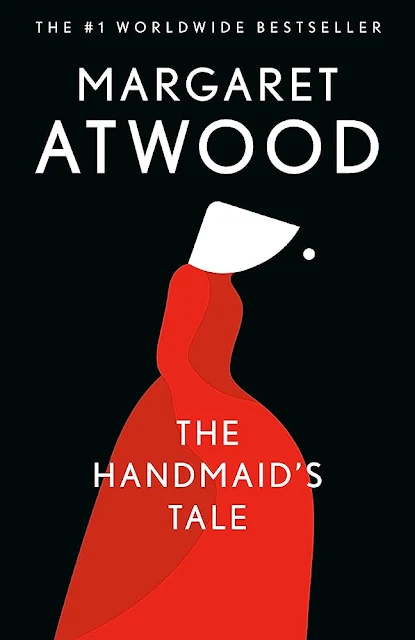
Themes of The Handmaid's Tale novel by Margaret Atwood
This essay aims to explore in depth the major themes of gender oppression, religious extremism, loss of identity, and resistance portrayed in "The Handmaid's Tale," shedding light on their complexity and impact on contemporary society.
Gender Oppression and Patriarchy
Gilead's society is structured around a patriarchal system that rigidly assigns roles to men and women. Women are categorized based on their fertility, leading to the brutal subjugation of the Handmaids. These women, like Offred, are reduced to mere vessels for procreation, stripped of their individuality, and assigned names that denote their ownership by the men in power. The Wives, while seemingly privileged, are themselves trapped within the confines of a society that values them only for their ability to bear children. Atwood's portrayal of gender oppression highlights the historical struggles faced by women and serves as a stark reminder of the ongoing fight for gender equality.Religious Extremism and Misuse of Faith
Gilead's totalitarian regime derives its authority from a twisted interpretation of religious beliefs, showcasing the dangerous consequences of merging religion and politics. The Republic of Gilead is portrayed as a theocracy, using religious doctrine to justify its oppressive practices. Aunt Lydia, a figure of authority within the system, epitomizes the notion of religious leaders becoming willing agents of oppression. Through this theme, Atwood explores the dangers of religious extremism and raises questions about the potential for faith to be manipulated for political gain.Loss of Identity and Autonomy
One of the most striking elements in "The Handmaid's Tale" is the systematic stripping away of individuality and autonomy from the Handmaids. In a society where their real names are replaced with possessive labels, these women are denied basic human rights and turned into objects of ownership. The ritualistic "Ceremony," where Handmaids are forced to participate in state-sanctioned sex, further deepens their sense of powerlessness and the loss of control over their own bodies. Atwood's poignant exploration of this theme offers a harrowing look into the psychological impact of living in a society that denies individuality and autonomy.Resistance and Rebellion
Amidst the oppression of Gilead, acts of resistance and rebellion emerge as a testament to the strength of the human spirit. Offred serves as the embodiment of defiance, subtly resisting the regime through her relationships with other characters, particularly her liaison with Nick. The Mayday network operates as an underground force, committed to fighting against the oppressive regime from within. By highlighting the importance of resistance, Atwood underscores the potential for change even in the most seemingly hopeless and oppressive environments.Reproductive Rights and Bodily Autonomy
"The Handmaid's Tale" raises critical questions about reproductive rights and the commodification of women's bodies. In Gilead, women's worth is reduced to their ability to bear children, with the Handmaids subjected to reproductive servitude. Atwood skillfully weaves the theme of reproductive rights, underscoring the importance of bodily autonomy and the dangers of a society that controls women's reproductive choices.Feminism and Human Rights
Atwood's novel is steeped in feminist undertones, portraying women as diverse and complex individuals with their own hopes, dreams, and struggles. Female solidarity and sisterhood emerge as a powerful force against oppression, providing a sense of support and hope in the darkest of times. Atwood emphasizes the importance of feminism as a driving force in challenging and dismantling oppressive structures, urging readers to recognize the value of gender equality and empowerment.Memory and History
The theme of memory and history plays a crucial role in understanding the events of "The Handmaid's Tale." Offred's memories of the past serve as a stark contrast to Gilead's rewritten history, which is manipulated and controlled by the regime. Through this theme, Atwood emphasizes the significance of preserving historical truths as a safeguard against tyranny, reminding us of the importance of remembering and learning from the past to shape a better future.
Conclusion about Lost in Translation
Margaret Atwood's "The Handmaid's Tale" remains a haunting and powerfully relevant work, touching upon themes that resonate deeply with contemporary society. By exploring the themes of gender oppression, religious extremism, loss of identity, and resistance, Atwood holds up a mirror to our own world, urging us to confront the dangers of complacency and the importance of safeguarding human rights and freedoms.Margaret Atwood's "The Handmaid's Tale" is a haunting and thought-provoking dystopian novel that immerses readers in the ...
Read Article →
STAR TREK: STRANGE NEW WORLDS SEASON 2 EPISODE 6 REVIEW: Lost In Translation
The episode opens with the Enterprise dispatched to a nebula to oversee a troublesome deuterium refinery near Gorn space. The promotion of Pike to Fleet Captain for this mission sets the stage for leadership dynamics to be explored. While the plot seems like an easy mission to complete, it quickly becomes evident that something unusual is happening.

Uhura's emotional journey takes center stage as she becomes increasingly troubled by a mysterious signal that only she can hear. Her visions, combined with sleep deprivation and deuterium poisoning, push her to the brink. Celia Rose Gooding's powerful performance skillfully conveys Uhura's fear, confusion, and vulnerability, making her character's struggles incredibly relatable and engrossing.
The return of Bruce Horak as Hemmer, even as an avatar for the invisible alien species, adds a layer of emotion to the episode. Uhura's breakdown over Hemmer's loss brings back the pain of her parents' death in a shuttle accident, as revealed in "Children of the Comet" in Season 1. This exploration of Uhura's past tragedy and her avoidance of facing death head-on adds depth to her character and enhances the overall emotional impact of the episode.
The introduction of James T. Kirk, played by Paul Wesley, provides an outsider's perspective on Uhura's emotional turmoil. The episode handles their interactions well, allowing a glimpse into their budding friendship without overshadowing the central plot. Kirk's reunion with his brother Sam also delves into the complex family dynamics, echoing classic Star Trek themes that explore personal relationships within the larger narrative.
Additionally, the episode seamlessly weaves in familiar Star Trek elements and Easter eggs, such as bussard collectors, Saurian brandy, and references to past series and films.
"Lost in Translation" pays homage to the rich history of the Star Trek franchise through various references and Easter eggs, seamlessly woven into the episode. From the use of bussard collectors, a staple in starship design, to the classic Saurian brandy, familiar elements evoke a sense of nostalgia for long-time fans. Additionally, the reunion of James T. Kirk and his brother Sam recalls classic themes of family dynamics explored in past series.
One slight criticism of the episode is that the sci-fi plot involving the invisible alien species feels rushed at times, with certain elements not fully explored. However, the emotional payoffs and character-driven moments more than compensate for this minor drawback.
"Lost in Translation" exemplifies the best aspects of "Strange New Worlds," showcasing the series' ability to balance new and old, while expertly interweaving character development with intriguing sci-fi concepts. The emotional depth, coupled with standout performances from the cast, especially Celia Rose Gooding, and the return of Bruce Horak, elevates this episode to a memorable and compelling installment.
As the season progresses, the anticipation of the Lower Decks crossover grows, and "Strange New Worlds" continues to impress with its captivating storytelling and its skillful incorporation of familiar Star Trek elements. With this episode as a benchmark, the future of "Strange New Worlds" looks promising, promising more exciting adventures and emotional journeys for the Enterprise crew.
"Lost in Translation," the sixth episode of "Strange New Worlds" Season 2 , captivates audiences with its intriguing ble...
Read Article →
The Handmaid's Tale (1990): Unveiling Dystopia - A Reflection on Margaret Atwood's Masterpiece
The Dystopian Landscape of Gilead
In Gilead, a theocratic society has risen to power after a staged coup, exploiting the fear and insecurity that followed widespread infertility and environmental disasters. Women are classified into rigid roles based on their fertility. The Handmaids, like Offred, are forced to bear children for the ruling class.The Subjugation of Women: Stripped of Identity and Autonomy
The Handmaids' existence is defined by their role as reproductive vessels, devoid of personal identities and freedoms. Offred, formerly known as June, reminisces about her past life and identity, now forbidden and suppressed. The dehumanizing "Ceremony," a monthly ritual where Handmaids are forced to have sex with the Commanders while their Wives watch, exemplifies the complete loss of bodily autonomy.Religious Extremism: The Misuse of Faith for Control
Gilead's rulers manipulate religious ideology to justify their oppressive regime. The society claims to uphold traditional values but uses religion as a facade to suppress dissent and maintain control. Scriptures are cherry-picked to support their patriarchal narrative, exemplified by Aunt Lydia's distorted interpretations of the Bible to coerce obedience from the Handmaids.Power and Control: The Political Dynamics of Gilead
The political structure of Gilead is characterized by hierarchical power dynamics. The Commanders wield ultimate authority, while the Aunts and Wives serve as enforcers of the regime. The Wives, despite their privileged status, are themselves trapped within Gilead's oppressive system, unable to escape their predetermined roles.Resistance and Rebellion: The Quest for Freedom
Despite the suffocating atmosphere of Gilead, signs of resistance emerge. The secret network of Mayday and the defiance of characters like Moira and Offred herself embody the human desire for freedom. Offred's relationship with the Commander's driver, Nick, becomes a clandestine act of rebellion against the regime.Themes of Feminism and Human Rights
Atwood's feminist undertones resonate throughout the novel. The society of Gilead serves as a warning against regressive policies that threaten women's rights and autonomy. The Handmaids' bodies become political battlegrounds, as their fertility is controlled and exploited by the ruling elite.The Cultural Impact and Legacy of "The Handmaid's Tale"
Upon its release, "The Handmaid's Tale" garnered critical acclaim and has since become a cultural touchstone. The novel's relevance has endured through various adaptations, including television series and stage plays. Its impact on literature, feminism, and dystopian fiction has been profound, inspiring discussions and sparking awareness about the importance of gender equality and individual freedoms.The Television show adaptation
The adaptation of "The Handmaid's Tale" into a television show was an enormous success, captivating audiences worldwide and bringing Margaret Atwood's powerful themes to a new generation. The TV series, which premiered in 2017, not only remained faithful to the novel's core narrative but also expanded upon its universe, delving deeper into the characters' lives and experiences. Its success can be attributed to the impeccable storytelling, compelling performances (including that of lead Elisabeth Moss, and the chilling portrayal of Gilead's oppressive regime.
By introducing a new generation to the haunting world of the Handmaid, the show sparked widespread discussions about gender inequality, reproductive rights, and religious extremism, proving that the themes explored by Atwood are still profoundly relevant in contemporary society.
The series acted as a stark reminder of the importance of vigilance in safeguarding human rights and served as a call to action for viewers to confront and challenge the persistent issues depicted in the dystopian realm of Gilead.
The Testaments sequel
"The Testaments," Margaret Atwood's highly anticipated follow-up novel to "The Handmaid's Tale," was released in 2019 and quickly became a literary sensation. Set fifteen years after the events of the original novel, "The Testaments" offers a multi-layered narrative, providing fresh perspectives from three different female characters within the dystopian world of Gilead.
Conclusion
"The Handmaid's Tale" by Margaret Atwood remains a haunting and prophetic portrayal of a society gone awry. Through its detailed exploration of Gilead's oppressive regime, Atwood raises pertinent questions about the dangers of religious extremism, gender inequality, and the misuse of political power. The novel's enduring significance lies in its capacity to serve as a powerful reminder of the importance of safeguarding human rights and fighting against oppressive systems, urging readers to reflect on the potential consequences of complacency in the face of societal dangers."The Handmaid's Tale," written by Margaret Atwood in 1985 , presents a chilling dystopian society called Gilead, set in a not...
Read Article →
Teenage Mutant Ninja Turtles: Originally A Playful Parody of Daredevil
This essay explores how Eastman and Laird's TMNT cleverly serves as a parody of Miller and Janson's Daredevil, by examining their shared elements and the distinct ways in which TMNT satirizes its source material.
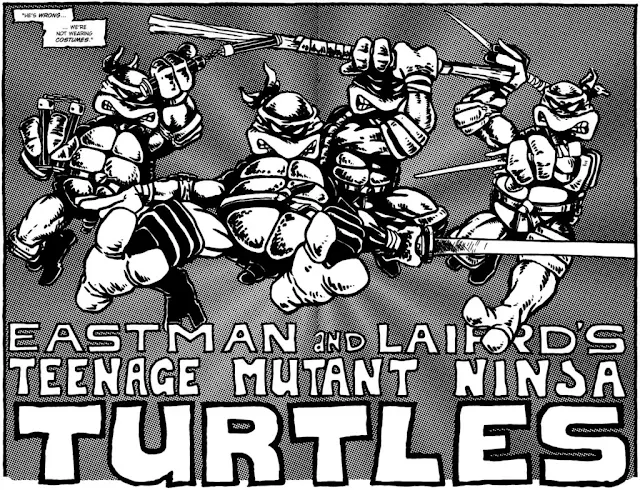
TMNT made its debut in 1984, self-published by Eastman and Laird through their Mirage Studios.
Inspired by popular culture, including martial arts films and comics, TMNT was initially conceived as a one-shot comic. In contrast, Daredevil, published by Marvel Comics in 1964, had already established itself as a classic superhero series by the time TMNT arrived on the scene.
The late '70s and early '80s saw a shift in the comic book industry towards darker and grittier storytelling, which influenced both TMNT and Daredevil.
TMNT as a Parody of Daredevil:
TMNT and Daredevil share some key similarities that allowed Eastman and Laird to create a compelling parody:
Character Origin and Development:
Both TMNT and Daredevil feature protagonists who gain their extraordinary abilities through a life-altering event. Matt Murdock's blindness results from a childhood accident involving radioactive chemicals, while the TMNT's mutation into humanoid turtles occurs after exposure to mutagenic ooze. However, TMNT exaggerates the absurdity of this origin by combining elements of martial arts, ninja culture, and turtles, making it a playful and tongue-in-cheek approach to the traditional superhero origin story.
The Urban Setting:
TMNT's New York City, known as New York City in the comics, mirrors Daredevil's Hell's Kitchen. Both cities are riddled with crime and corruption, providing fertile ground for vigilante justice. While Daredevil's setting serves as a backdrop for a dark and gritty narrative, TMNT uses the urban environment as a canvas for humor and parody.
Street-Level Crime-Fighters:
Daredevil and the TMNT are street-level heroes who deal with everyday criminals and face personal struggles. While Daredevil battles gangsters, corrupt officials, and the Kingpin, the TMNT frequently tussle with a comical rogues' gallery of mutant animals and alien invaders. TMNT parodies the typical gritty crime-fighter by having its turtles combat bizarre foes, such as the mutant warthog Bebop and the rhinoceros Rocksteady.
Differences that Establish Parody:
TMNT distinguishes itself as a parody by embracing several comedic and satirical elements:
Tonal Shift:
Daredevil embraces a mature, somber tone, exploring complex themes like justice, morality, and identity. In contrast, TMNT maintains a light-hearted and humorous approach throughout its storytelling. The turtles frequently engage in witty banter, poking fun at superhero clichés and delivering cheesy one-liners that subvert traditional superhero dialogue.
The Non-Human Protagonists:
While Daredevil is a human hero, the TMNT's protagonists are anthropomorphic turtles with distinct personalities. This creative choice adds an element of absurdity to the story, emphasizing the parody of traditional superhero conventions.
Satirical Elements:
TMNT's creators, Eastman and Laird, infused the series with satirical humor, poking fun at popular culture, other comics, and their own medium. For instance, the character of "The Shredder" is a parody of the classic comic book villain archetype, complete with exaggerated samurai aesthetics.
Influences and Homages:
Eastman and Laird's deep love for comics is evident in the numerous homages and references to Daredevil found in TMNT. One of the most notable examples is the character "Stick," a blind martial arts master who trains the turtles, resembling Daredevil's mentor "Stick" in both name and role. These playful nods to Daredevil add an extra layer of complexity to the parody.
Impact and Legacy:
TMNT's success as a parody of Daredevil and other superhero comics helped pave the way for more self-aware and irreverent comic book storytelling. It encouraged creators to experiment with unconventional character concepts and storytelling styles, leaving a lasting impact on the comic book industry. TMNT's enduring popularity across multiple media, including animated series, films, and merchandise, further solidifies its legacy as a cultural phenomenon born out of ingenious parody.
Conclusion:
Eastman and Laird's TMNT ingeniously parodied Frank Miller and Klaus Janson's Daredevil by cleverly infusing humor, satire, and unconventional storytelling into a genre often known for its seriousness. Through a cast of non-human, ninja turtles, TMNT playfully subverted traditional superhero tropes while paying homage to its source material. The enduring legacy of TMNT as a parody serves as a testament to the power of creativity and innovation within the comic book medium.
Teenage Mutant Ninja Turtles (TMNT) and Daredevil are two iconic comic book series that emerged in the 1980s, each leaving a significant imp...
Read Article →
Review of Edward Ashton's 'Mickey 7'
In "Mickey 7," the story unfolds in a society where artificial intelligence and advanced technology have become deeply integrated into everyday life. The protagonist, Mickey 7, is a humanoid android designed for a specific purpose but discovers a hidden world of possibilities beyond his programmed existence. As the plot progresses, Mickey 7 navigates a complex web of intrigue, encountering unexpected allies and enemies. The novel delves into themes of identity, free will, and the blurred boundaries between humanity and artificial intelligence.
Edward Ashton's writing style in "Mickey 7" exhibits a remarkable balance of eloquence and accessibility. His prose is fluid and engaging, enabling readers to effortlessly immerse themselves in the narrative. The pacing is skillfully handled, maintaining a steady momentum throughout the story while allowing for necessary moments of reflection. Ashton's use of language is vivid, often painting striking imagery that enhances the reader's understanding of the futuristic world and the characters' experiences.
Character Development:
In "Mickey 7," Edward Ashton presents a diverse cast of characters with depth and relatability. The main character, Mickey 7, is a standout figure whose journey sparks introspection and empathy in readers. From his initial state of programmed obedience to his gradual awakening of self-awareness, Mickey 7's growth is profound and captivating. Ashton skillfully navigates Mickey 7's emotional landscape, showcasing his internal conflicts and desires, making him a relatable and sympathetic protagonist.The supporting characters in the novel also receive considerable attention. Each character possesses their own distinct personality and motivations, contributing to the overall complexity of the story. Through their interactions with Mickey 7, readers witness both the transformative impact he has on them and the profound effect they have on him. This interplay enhances the depth of the characters and adds layers of emotional resonance to the narrative.
Plot and Storytelling
The plot structure in "Mickey 7" is skillfully crafted, offering a well-paced and engaging reading experience. Ashton balances moments of action, introspection, and revelation, maintaining a sense of suspense throughout. The story unfolds with carefully placed twists and turns that keep readers on their toes, while the underlying mysteries and conflicts gradually unfold, driving the narrative forward.Ashton's storytelling techniques in "Mickey 7" demonstrate his mastery of the genre. He employs vivid descriptions, immersive worldbuilding, and thought-provoking dialogue to bring the futuristic setting to life. The author adeptly navigates complex themes and seamlessly integrates them into the plot, encouraging readers to contemplate the ethical implications of advanced technology and the essence of humanity.
One of the book's strengths lies in its ability to maintain reader engagement and interest. The combination of dynamic characters, an intricately woven plot, and thought-provoking themes ensures that readers are continuously invested in the story's outcome. Ashton's adept storytelling keeps the reader hooked, eagerly turning pages to unravel the mysteries and witness the characters' development.
Themes and Messages
In "Mickey 7," several central themes and messages resonate throughout the narrative. One prominent theme is the exploration of identity and the essence of humanity. Edward Ashton delves into the nature of consciousness, raising thought-provoking questions about what defines a person as human. Through the journey of Mickey 7, readers are prompted to reflect on the complex interplay between artificial intelligence, self-awareness, and the fundamental aspects of being human.Another significant theme is the examination of free will and the consequences of control. Ashton skillfully navigates the fine line between autonomy and manipulation, highlighting the ethical dilemmas that arise when technology influences decision-making. This theme allows readers to ponder the potential ramifications of relying on advanced AI systems in our own world.
The author adeptly explores and develops these themes throughout the novel. Through intricate character arcs, evocative dialogue, and compelling narrative choices, Ashton invites readers to contemplate the implications of these themes on a personal and societal level. The exploration of identity and free will adds layers of depth to the story, resonating long after the final page is turned.
The impact of these themes on the reader is significant, as they provoke introspection and challenge preconceived notions. By addressing the ethical and philosophical questions surrounding artificial intelligence and human existence, "Mickey 7" encourages readers to engage in critical thinking about the role of technology in our lives. The relevance of these themes in today's world is undeniable, considering the rapid advancements in AI and the ongoing debates surrounding its integration into various aspects of society.
Worldbuilding:
Edward Ashton demonstrates a remarkable ability to create a vivid and believable world within the pages of "Mickey 7." The level of detail provided about the setting, society, and futuristic elements is immersive and enriching. Ashton paints a rich tapestry of the future, seamlessly blending technological advancements with societal structures and cultural nuances.The author's worldbuilding not only transports readers into a visually captivating future but also offers an intricate understanding of how this world operates. The descriptions of the advanced technologies, the societal hierarchy, and the various factions within the narrative are meticulously crafted, leaving no detail unexplored. Ashton's attention to detail enhances the reader's engagement and provides a strong foundation for the story's events.
The worldbuilding in "Mickey 7" contributes significantly to the overall reading experience. It serves as a backdrop for the characters' journeys, deepening their interactions and shaping their experiences. The intricacies of the world draw readers into its complexities, allowing for a more immersive and satisfying exploration of the novel's themes.
Emotional Impact:
"Mickey 7" by Edward Ashton possesses a remarkable emotional depth that resonates with readers. The story delves into the existential questions of identity and humanity, evoking a range of emotions throughout the narrative. As readers witness Mickey 7's journey of self-discovery and navigate the moral complexities of a technologically advanced world, they are likely to experience empathy, curiosity, and contemplation.The novel presents several memorable and thought-provoking moments that leave a lasting impact. From Mickey 7's awakening to the exploration of ethical dilemmas surrounding AI, these instances prompt readers to reflect on their own beliefs and challenge conventional notions. Ashton's ability to create these powerful moments ensures that the story lingers in the readers' minds, provoking discussions and introspection long after the book is finished.
Conclusion
In conclusion, "Mickey 7" by Edward Ashton is a captivating science fiction novel that excels in multiple aspects. Ashton's skillful writing style, well-developed characters, and thought-provoking exploration of themes make for an immersive and engaging reading experience.The novel's strengths lie in its profound character development, with Mickey 7's journey being particularly captivating. Ashton's worldbuilding is vivid and believable, creating a rich backdrop for the narrative. The book's exploration of themes such as identity, free will, and the ethical implications of advanced technology is handled with nuance and depth, sparking intellectual and emotional engagement.
I would highly recommend "Mickey 7" to fans of science fiction who enjoy thought-provoking narratives and deep character exploration. This novel will appeal to readers seeking a blend of futuristic worldbuilding, ethical dilemmas, and emotional depth. Its ability to immerse readers in a captivating story while raising important questions about the human condition makes it a standout work in the genre.
"Mickey 7" by Edward Ashton is a thrilling science fiction novel that takes readers on a captivating journey through a futuristic...
Read Article →
Themes of Mickey 17 directed by Bong Joon-Ho & starring Robert Pattinson
Set in a dystopian world ravaged by environmental collapse, Mickey 17 delves deep into the psyche of its titular character, an “expendable” human clone tasked with enduring the most dangerous missions for the survival of a colonizing expedition. Each iteration of Mickey carries the weight of sacrifice, questioning the ethical boundaries of technology, the commodification of life, and what it truly means to be human. Bong Joon-ho’s signature style—equal parts visual audacity and searing social critique—elevates these themes, transforming them into a visceral cinematic experience.
But this is more than just a personal story; Mickey 17 operates as a razor-sharp commentary on systemic inequities. Bong uses the narrative’s sci-fi trappings to dissect the class divide, portraying a society where the elite dictate the expendability of others. T
Class Divide and Societal Inequality
Bong Joon-Ho, known for his exceptional exploration of social stratification in films like "Snowpiercer" and "Parasite," is the perfect choice to tackle the central theme of class divide and societal inequality in "Mickey 17." The film presents a bleak a future where stark disparities exist between the privileged few and the marginalized masses. Joon-Ho's ability to depict the tension, conflict, and commentary on social hierarchies will provide a thought-provoking experience for the audience.Robert Pattinson (The Batman, Harry Potter IV, The Rover, and a series of vampire movies my wife loved) stars as the titular Mickey.
 |
| He's Batman |
The Disposable Human and Ethical Quandaries
At the heart of Mickey 17 is the chilling portrayal of workers as expendable assets. Mickey's repeated deaths and rebirths serve as a grim metaphor for the capitalist exploitation of labor, where human life is valued only for its economic utility. This theme extends to critique the gig economy and temporary contracts that treat workers as easily replaceable parts of a machine.The use of cloning technology in the film raises existential questions about identity and self. Each Mickey, while identical in appearance, emerges with subtle differences, prompting reflections on what constitutes individuality in a world where even memories and experiences can be duplicated. The ethical implications of cloning are foregrounded, exploring the moral consequences of biotechnological advancements that commodify and replicate life.

Totalitarianism and Corporate Overreach
In Mickey 17, the confluence of corporate and political power creates a dystopian nightmare where the distinction between government and business is blurred. Kenneth Marshall, the film’s antagonist, exemplifies the dangers of this merger.Mickey 17 also addresses the pervasive impact of consumerism, not just on societal values but on planetary ecosystems. The colonization of Niflheim, driven by corporate greed under the guise of exploration and expansion, serves as a critical reflection on how contemporary societies exploit natural resources. T
Resistance, Rebellion, and Human Spirit
In Mickey 17, the protagonist's transformation from a subservient clone into a figure of rebellion encapsulates the essence of resistance within a repressive system. Mickey’s evolution is gradual but impactful, beginning as a mere cog in the corporate machinery and slowly recognizing his situation's profound injustice.His journey from passivity to active defiance is meticulously portrayed, marking each step of his rebellion from the existential realization of his repeated exploitation to his strategic subversions against the system that seeks to control him.
This narrative arc not only dramatizes Mickey's struggle but also symbolizes the broader potential for resistance within any oppressive framework. His interactions with other characters further enrich this theme, showcasing a spectrum of responses to the oppressive system—from resigned acceptance to covert resistance—thus painting a complex picture of the dynamics within totalitarian regimes.
The stark and oppressive world of Mickey 17 is contrasted vividly with the warmth and complexity of human relationships, which serve as bastions of hope and resistance. Mickey's relationship with Nasha, in particular, transcends the usual romantic subplot to embody a deeper form of rebellion. Nasha represents not just a source of personal support for Mickey but also an ideological ally who challenges the status quo.
Their relationship is a microcosm of the film’s larger advocacy for solidarity and collective action against oppressive systems. It highlights how personal bonds can become political acts, capable of undermining the dehumanizing policies enforced by those in power. The emotional depth of their connection brings a humanistic element to the narrative, emphasizing that in the fight against dehumanization, personal and emotional connections are not just survival mechanisms but radical acts of defiance.
Furthermore, Mickey 17 explores the collective aspect of rebellion, suggesting that true change is a communal effort rather than the result of individual heroics. As Mickey forms alliances with others, including some of his other clones, their combined efforts begin to pose a real threat to the oppressive order.
This collective resistance is one of the film’s central messages: solidarity among the oppressed is a powerful force that can challenge and potentially overthrow even the most daunting of regimes.
The Role of Humor and Satire in Dark Themes
Bong Joon-ho masterfully wields satire in Mickey 17 to dissect and criticize aspects of society like political corruption and corporate absurdities. The film's humor acts not just as a source of comedic relief but as a critical tool that sharpens the impact of its themes, rendering the film's heavy commentary more digestible and engaging.By infusing satire into the narrative, Bong ensures that the societal critiques resonate with the audience, making serious issues approachable through laughter and irony. This approach helps to lighten the otherwise dark themes, allowing viewers to confront uncomfortable truths about our world in a manner that is both entertaining and thought-provoking.
Bong's directional prowess is evident in his strategic use of genre shifts throughout Mickey 17. The film fluidly transitions from moments of slapstick humor to scenes filled with tension and horror, creating a cinematic experience that is constantly shifting and evolving. This dynamic storytelling approach keeps the audience on their toes, mirroring the film's themes of instability and unpredictability.
The unexpected changes in tone not only maintain viewer engagement but also enhance the thematic exploration of control and chaos that underpins the narrative. Bong's ability to navigate these shifts so adeptly showcases his skill in blending various cinematic styles to reinforce the film's deeper messages.
Reflecting the Unpredictability of the Film's World
The choppy transitions between genres in Mickey 17 serve a larger purpose beyond mere entertainment; they reflect the chaotic nature of the film's dystopian setting. This stylistic choice underscores the themes of unpredictability and control that are central to the film's critique of societal and corporate structures. By using these sharp genre transitions, Bong emphasizes how quickly stability can turn into chaos, both in the film’s world and in our own.
The use of diverse cinematic techniques not only highlights Bong's signature style but also deepens the audience's understanding of the film's complex themes, making Mickey 17 a unique narrative experience that challenges conventional storytelling.
-
The film somewhat echoes the themes of Moon directed by Duncan Jones where clones were forced to mine the moon.
Prepare for a cinematic experience unlike any other as Bong Joon-ho, the mastermind behind Parasite and OKJA , returns with Mickey 17, his e...
Read Article →
Mickey 17 is Bong Joon-Hos new film 'following Parasite
Set to be released by Warner Bros. Pictures on March 29, 2024, "Mickey17" promises to captivate audiences with its innovative storytelling, immersive world-building, and engaging performances.

"Mickey17" transports us to the distant ice world of Niflheim, where a group of expendable employees is sent on a daring expedition to colonize this inhospitable planet. At the heart of the story is Mickey Barnes, portrayed by the versatile Robert Pattinson. Mickey is an "expendable," a disposable human whose memories are preserved through a regenerative process after each iteration's death. This intriguing premise raises profound questions about identity, consciousness, and the value of human life.
The casting for "Mickey17" showcases the director's impeccable eye for assembling a talented ensemble. Robert Pattinson, known for his transformative performances, takes on the challenging role of Mickey Barnes. Pattinson's ability to delve into complex characters makes him a perfect fit for this multi-layered protagonist. Joining him are accomplished actors such as Steven Yeun as Berto, Naomi Ackie as Nasha Adjaya, Toni Collette as Gwen Johansen, and Mark Ruffalo as Hieronymous Marshall. This exceptional cast promises to breathe life into the intricate relationships and moral dilemmas explored in the film.
The collaboration between Bong Joon-ho (OKJA) and Warner Bros. Pictures has generated immense excitement among film enthusiasts since the announcement of "Mickey17." Bong's unparalleled creativity and narrative craftsmanship, as demonstrated in his previous works like "Parasite" and "Snowpiercer," make him the perfect visionary to bring Edward Ashton's novel to life. The production began at Warner Bros. Studios, Leavesden, in August 2022, allowing ample time for Bong Joon-ho and his team to meticulously craft the film's striking visual aesthetics and intricate world-building. The conclusion of production in December 2022 suggests a dedicated and focused effort to deliver a remarkable cinematic experience.
With its intriguing premise, talented cast, and the visionary storytelling of Bong Joon-ho, "Mickey17" has created considerable buzz among fans of science fiction and cinema as a whole. Edward Ashton's novel provided a rich foundation for exploration, offering an opportunity for the film to delve into themes of identity, ethics, and the consequences of playing god. Bong Joon-ho's distinctive directorial style, coupled with the exceptional performances of the cast, is likely to elevate these themes, immersing the audience in a thought-provoking and visually stunning narrative.
In "Mickey17," Bong Joon-ho is set to deliver yet another captivating and intellectually stimulating cinematic experience. Drawing from the depths of Edward Ashton's novel, this film promises to be a profound exploration of human nature, consciousness, and the complexities of our existence. With its talented cast, visionary director, and the support of Warner Bros. Pictures, "Mickey17" is poised to leave an indelible mark on the science fiction genre. Mark your calendars for March 29, 2024, and prepare to embark on a mind-bending journey with "Mickey17."
Bong Joon-Ho enthusiasts, brace yourselves for an exciting cinematic journey into the realm of futuristic possibilities with Bong Joon-ho...
Read Article →
Bong Joon-ho: A Master of Genre Fusion and Social Commentary
Throughout his career, he has explored a wide range of themes and subjects, including social issues, class dynamics, and the human condition, often weaving elements of science fiction into his narratives.

Let's take a closer look at each of the films Bong Joon-ho has directed or written, highlighting their thematic elements and the incorporation of science fiction elements.
1. "Barking Dogs Never Bite" (2000) - Bong's directorial debut, this dark comedy follows an unemployed academic who becomes increasingly irritated by the barking dogs in his apartment complex. The film explores themes of frustration, social alienation, and the search for identity.
2. "Memories of Murder" (2003) - Based on true events, this crime drama focuses on the investigation of a series of murders in a rural South Korean town in the 1980s. Bong delves into the flawed nature of the justice system and explores the psychological toll the case takes on the investigators. While not science fiction in nature, the film showcases Bong's ability to create tension and suspense within a realistic setting.
3. "The Host" (2006) - A genre-bending monster film, "The Host" combines elements of science fiction, horror, and social satire. The story revolves around a mutated creature that emerges from the Han River in Seoul, kidnapping a young girl. Bong uses the creature as a metaphor for societal issues, including environmental pollution and government incompetence.
4. "Mother" (2009) - This psychological thriller centers around a devoted mother who becomes entangled in a murder case to protect her mentally challenged son. Bong explores themes of sacrifice, maternal instinct, and the lengths one would go to protect their loved ones. While not a science fiction film, it demonstrates Bong's focus on human nature and complex character studies.
5. "Snowpiercer" (2013) - Based on the French graphic novel "Le Transperceneige," this dystopian sci-fi film takes place on a perpetually moving train that houses the remnants of humanity after a global catastrophe. Bong tackles issues of social inequality and class warfare within the confines of the train's distinct social hierarchy. "Snowpiercer" showcases Bong's ability to incorporate science fiction elements while addressing societal critiques.
6. "Okja" (2017) - A Netflix original film, "Okja" tells the story of a young girl who embarks on a journey to rescue her genetically engineered super pig from a powerful multinational corporation. Bong explores themes of animal rights, corporate greed, and the moral implications of scientific advancements. The film blends fantasy and science fiction elements to provoke thoughtful discussions on ethical choices.
7. "Parasite" (2019) - This critically acclaimed black comedy thriller made history by becoming the first South Korean film to win the Palme d'Or at the Cannes Film Festival a. "Parasite" delves into the lives of two families from different socioeconomic backgrounds and cleverly critiques the class divide in modern society.
"Parasite" became a global sensation, garnering six nominations at the 92nd Academy Awards. Bong's visionary storytelling and social commentary resonated with audiences and critics alike, leading to a historic win as "Parasite" became the first South Korean film to win the coveted Best Picture award, in addition to Best Director, Best Original Screenplay, and Best International Feature Film.
Bong Joon-ho's Academy Award victories not only recognized his artistic brilliance but also marked a significant moment of international recognition for Korean cinema, firmly establishing him as one of the most influential and accomplished filmmakers.
Bong Joon-ho's filmography showcases his ability to seamlessly integrate various genres, including science fiction, into thought-provoking narratives. His films often reflect social commentary, explore human nature, and address pressing issues in a unique and captivating manner. Bong's work continues to leave a lasting impact on the world of cinema, cementing his status as one of the most talented and visionary filmmakers of his generation.
Bong Joon-ho is a renowned South Korean filmmaker known for his distinctive storytelling style and masterful combination of various genres w...
Read Article →
Parasite - Exploitation of Desperation: Dehumanization and Manipulation

Class Struggle and Social Inequality
Symbolism of the subterranean tunnel connecting the two residences
Exploitation and Dehumanization
Desperation and Moral Ambiguity
Conclusion
Bong Joon-ho 's critically acclaimed film " Parasite" delves into the intricate themes of the socioeconomic divide and human ...
Read Article →_poster.jpg)


