Obi-Wan Kenobi is one of the most revered figures in the Star Wars universe, his journey from Padawan to Jedi Master being marked by pivotal moments that influenced the fate of the galaxy.
So when did he advance from 'young padawan' status to becoming one of the greatest Jedi masters to have raised a saber?
From Qui-Gon Jinn's Padawan to Jedi Knight
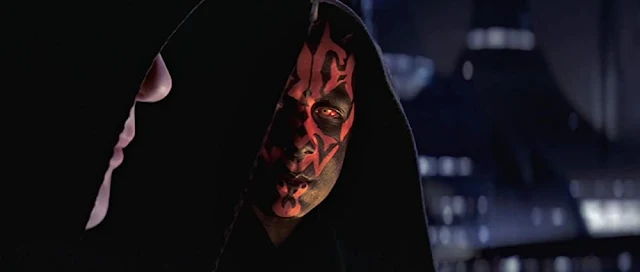
Obi-Wan Kenobi's ascension to the rank of Jedi Knight is a seminal moment in Star Wars lore, primarily documented in the film "Star Wars: Episode I – The Phantom Menace." This promotion occurred in 32 BBY (Before the Battle of Yavin), following the climactic Battle of Naboo. Obi-Wan's apprenticeship under Jedi Master Qui-Gon Jinn was marked by rigorous training and significant trials, culminating in the confrontation with the Sith Lord Darth Maul.
During this duel, Qui-Gon Jinn was mortally wounded, leaving Obi-Wan to face Darth Maul alone. Demonstrating remarkable skill and resilience, Obi-Wan managed to defeat Maul, avenging his master's death. This act was not only a testament to his prowess but also to his adherence to the Jedi Code under extreme duress.
In recognition of his bravery and mastery, the Jedi Council formally elevated Obi-Wan Kenobi to the rank of Jedi Knight. This decision was influenced by his successful completion of the traditional Jedi trials in the heat of battle and his demonstration of qualities befitting a Jedi Knight.
Additionally, Obi-Wan's commitment to fulfill Qui-Gon's dying wish to train Anakin Skywalker played a role in his promotion, highlighting his readiness to undertake the responsibilities of a Jedi Knight.
On becoming a Jedi Master
The journey from Jedi Knight to Jedi Master for Obi-Wan Kenobi is equally significant and marked by the trials of the Clone Wars. His promotion to Jedi Master occurred sometime before the events depicted in "Star Wars: Episode III – Revenge of the Sith," set in 19 BBY. While the exact date of this appointment is not explicitly detailed in the films, ancillary sources from the Star Wars Expanded Universe provide context.
Obi-Wan's role during the Clone Wars was crucial. He served as a General in the Grand Army of the Republic, leading numerous successful campaigns against the Separatist forces. His strategic acumen, leadership, and adherence to the Jedi principles during these turbulent times showcased his deep understanding of the Force and the Jedi way.
A pivotal moment that underscores his transition to Jedi Master is depicted in the 2003-2005 animated series "Star Wars: Clone Wars" by Genndy Tartakovsky and later confirmed in the 2008 "Star Wars: The Clone Wars" series. By the time of the second battle of Geonosis and his command of various military operations, Obi-Wan had clearly assumed the responsibilities and stature of a Jedi Master.
The Jedi Council, recognizing his contributions and the wisdom he exhibited, granted him the title of Jedi Master. This acknowledgment was not only a testament to his skills but also to his ability to mentor and guide others, notably his former apprentice Anakin Skywalker, who had by then become a Jedi Knight himself.
-
Obi-Wan Kenobi's formal appointments to the ranks of Jedi Knight and Jedi Master are defining moments in his storied career. His promotion to Jedi Knight came in 32 BBY after the Battle of Naboo, a reward for his valor and successful defeat of Darth Maul. His elevation to Jedi Master, occurring sometime before 19 BBY, was a recognition of his exemplary service during the Clone Wars and his embodiment of the Jedi ideals.
In the Star Wars universe, a "nerf" is a domesticated, herbivorous mammal, typically raised for its meat and fur, resembling a cow in both appearance and function.
These creatures, known for their distinctive and unpleasant odor, are prevalent across various planets, including Alderaan.
Herding nerfs is considered a low-status occupation, associated with rural, less technologically advanced regions of the galaxy.
This job's perceived lack of sophistication and intellectual engagement contributes to its reputation as menial and unglamorous, highlighting the broader societal disdain for those who work with these animals.
Thus, nerf herders are often stereotyped as unsophisticated and unrefined, a sentiment underscored by Princess Leia's famous insult to Han Solo in The Empire Strikes Back:
Why, you stuck up, half-witted, scruffy-looking, Nerf-herder!
By calling Han Solo a “scruffy-looking nerf herder,” Leia not only mocks his appearance but also alludes to his perceived lack of social polish and refinement.
One of the most perplexing and contentious moments in the Disney Star Wars series "The Acolyte" is the abrupt suicide of Torbin following a brief conversation with Mae.
This scene has sparked considerable debate among fans, with many pointing to it as a major narrative flaw.
To understand why Torbin’s death feels so disjointed and rushed, it’s crucial to delve into his character's journey, the events leading up to his suicide.
We can only speculate that Torbin's character is laden with guilt.
During the Brendok incident, a tragic event that claimed the lives of many witches, Torbin had been possessed by the dark forces of the witch coven.
It kinda freaked him out.
Later, he decided to rescue the twins in a rather improtu manner, forcing the hand of all the Jedi to assist him.
Ultimately, all the witches died and Mae was considered dead.
Very arguably, his involvement and fault in the witches' deaths is minimal; he neither instigated the fire nor directly caused any fatalities.
Ten years pass.
Torbin is in a form of self-exile, apparently now a Jedi Master.
Go figure.
When a rampant Mae confronts him, he appears to willingly take her offered poison, killing himself.
Torbin's internal struggle and subsequent suicide are compressed into a few brief scenes, denying the audience a fuller exploration of his psyche and the evolution of his guilt.
Mae’s role in Torbin’s final moments is obviously pivotal.
Her mere presence and single line of whispered dialogue are enough to push him over the edge to the point he immediately accepts the offered poison.
It's like he was some kind of Juliet to Mae's Romeo?
Given Torbin’s belief that Mae had died, seeing her alive should have sparked a more complex emotional response, potentially offering a path to redemption or further internal conflict, rather than an immediate capitulation to his apparent internal despair.
It's hard to really say why Torbin killed himself, especially when he has been given the rank of Jedi Master.
Perhaps the real reason is garbage screen writing.
Kelnacca, a Wookiee Jedi Knight, chose self-imposed exile in the jungles of Khofar after the Brendok mission left him spiritually broken. During that mission he fell under the witches’ influence and attacked a fellow Jedi, an act that cut directly against both Jedi discipline and Wookiee ideas of honor.
Even though he was not acting of his own free will, the incident still shattered his sense of self. For a Wookiee, the idea of becoming a Madclaw, a being marked by dishonor through violent misuse of the claws, carries enormous cultural weight. Kelnacca could not easily separate what he intended from what he had physically done.
So he withdrew. Khofar gave him isolation, silence, and a form of penance. Exile was not only escape from judgment. It was his attempt to live with guilt, recover dignity, and find some kind of spiritual balance after Brendok.
The longer answer:
In the wider moral landscape of Star Wars, Kelnacca stands out because his story is not built around ambition or corruption, but around shame. He is not undone by power. He is undone by violation, specifically the feeling that his own body became the instrument of something dishonorable.
That makes his exile more than a plot detail. It becomes a thematic expression of one of The Acolyte’s key concerns, the damage done when institutions, beliefs, and identities collapse under pressure. Kelnacca is a Jedi, but he is also a Wookiee shaped by a culture that treats honor as something lived, embodied, and fiercely protected. Brendok tears through both those identities at once.
The mission to retrieve Mae and Osha from Mother Aniseya’s coven becomes, for Kelnacca, the moment where duty curdles into trauma. As he moves to free his fellow Jedi from the witches’ influence, he is overwhelmed instead. Their collective power seizes his mind, turns his strength against his allies, and leaves Torbin bloodied and scarred.
The fact that Kelnacca was controlled matters legally. It matters rationally. It does not matter enough emotionally. What he remembers is the act itself.
That is the core tragedy. Kelnacca goes into exile not because he was objectively guilty in the simplest sense, but because he cannot live inside the gap between innocence of intent and horror of action.
I. The Rescue Mission on Brendok
Mae and Osha, two Force-sensitive children, were found living within Mother Aniseya’s coven on Brendok. The Jedi mission that followed was supposed to be an intervention. Instead it became a disaster, one driven by fear, misreading, and escalating control.
Amid the chaos of the attempt to remove the girls, the witches lashed out with a collective enchantment and targeted Kelnacca’s mind. In one of the most striking moments in the series, his physical power and Jedi training are turned against his own side. He ignites his lightsaber. He attacks. He claws Torbin and leaves him marked.
On the surface, this is an action beat. Thematically, it is much more than that. It dramatizes the terror of losing agency. Kelnacca does not fall because of temptation or hidden malice. He falls because another will occupies him. That makes the event especially cruel. He becomes the author of violence he did not choose.
The mission may technically end with Osha rescued, but it is already spiritually ruined. Torbin is wounded. The Jedi have crossed into moral ambiguity. Kelnacca has been forced into an act he cannot easily forgive, even if others could.
That is why Brendok matters so much in Kelnacca’s story. It is not simply the place where something bad happened. It is the place where his identity fractures.
II. The Psychological Impact on Kelnacca
The immediate aftermath of Brendok is where Kelnacca becomes most tragic. Once the witches’ influence fades, he is left with the sight of Torbin’s injuries and the knowledge that his own body caused them. That alone would be enough to leave a scar. For Kelnacca, the wound goes deeper because of who he is.
As a Jedi, he is meant to represent control, clarity, and moral balance. As a Wookiee, he is shaped by a cultural framework that places tremendous weight on honor, restraint, and the proper use of strength. Brendok leaves him feeling as though he has betrayed both callings at once.
This is where the show’s emotional logic becomes compelling. Kelnacca is not reacting as a detached legal thinker. He is reacting as someone whose self-image has collapsed. He does not say, “I was controlled, therefore I am absolved.” He sees the blood, the scars, and the claws. He sees the fact of violation before he sees the excuse.
That makes his exile psychologically credible. Shame often survives where reason fails. A person can know they were not fully responsible and still feel permanently stained by what happened. Kelnacca reads as exactly that kind of figure, someone who cannot bring intellect and spirit back into alignment after trauma.
There is also a specifically Wookiee dimension to his pain. In Wookiee culture, claws are not just anatomical tools. They carry symbolic meaning. They are meant for climbing and survival, not for violence against others. When Kelnacca wounds Torbin with them, he experiences the act not as an accident of battle, but as a desecration of something sacred.
That is why his response is so extreme. He is not merely grieving a mistake. He is mourning the version of himself he believed existed before Brendok.
III. The Concept of “Madclaw” in Wookiee Culture
Wookiee culture is built on honor, kinship, and a strict moral code. One of the most serious taboos in that code is the use of climbing claws as weapons against another being. These claws are associated with movement, survival, and life in the great forests of Kashyyyk. To use them in violence is to cross a line that is cultural as much as physical.
That is where the idea of the Madclaw becomes relevant. A Madclaw is not merely a Wookiee who fought. It is a Wookiee marked by dishonor, someone whose actions place them outside communal trust and moral standing. The term carries shame, stigma, and often exile.
This part of Wookiee lore already had strong precedent in Star Wars storytelling. The most famous example is Zaalbar from Knights of the Old Republic (KOTOR), who is exiled from Kashyyyk after using his claws against his brother. That story matters here because it gives Kelnacca’s crisis a larger cultural frame. His pain is not invented from nowhere. It taps into a known Wookiee idea of moral contamination.
Drawing the parallel to Kelnacca is revealing. He did not choose the act in the same way Zaalbar did, yet the physical reality remains. He attacked Torbin with the very part of himself that Wookiee culture most strongly forbids using that way. In his own eyes, the distinction between coercion and choice may not be enough to erase the violation.
This gives Kelnacca’s exile a tragic inevitability. He does not need a formal trial to feel condemned. The code is already written inside him. What others may view as an involuntary act, he experiences as a spiritual stain.
That detail sharpens the larger theme of The Acolyte. The series keeps returning to the idea that actions and intentions do not always align cleanly, and that identity can be destroyed by what one has done, even when one did not fully choose it. Kelnacca becomes one of the clearest embodiments of that tension.
IV. The Decision to Exile
Kelnacca’s retreat to Khofar is the logical end point of everything Brendok sets in motion. He cannot simply return to routine Jedi life and behave as though nothing essential has changed. To do so would require a peace he no longer possesses.
His self-imposed exile grows out of several pressures at once. There is guilt, certainly. There is also cultural shame, spiritual exhaustion, and a belief that his place among the Jedi has become hollowed out by what happened. He does not only feel that he did wrong. He feels unworthy.
Khofar matters because it externalizes that state of mind. Its dense jungles, danger, and isolation reflect Kelnacca’s interior condition. He is going somewhere wild because he himself has become, in his own eyes, morally unmoored. The wilderness becomes both punishment and therapy.
There is a long Star Wars tradition of characters seeking remote spaces when ordinary life can no longer contain what they are carrying. Exile often functions as spiritual geography. It is a way of turning guilt into landscape. Kelnacca’s move fits that pattern, but with a specifically Wookiee and Jedi texture. He is not hiding only from other people. He is trying to live through a break in identity.
His isolation can also be read as an attempt at control. On Brendok, his body was weaponized by another will. On Khofar, solitude gives him back at least one thing, the chance to remove himself from situations where he might again become danger to others. That does not heal him, but it gives shape to his penance.
This is what gives Kelnacca’s story its sad force. His exile is not melodrama. It is a believable response to trauma filtered through culture and conscience. He goes away because staying would require him to inhabit a version of himself he can no longer trust.
Khofar also lets the series underline a larger thematic contrast. The Jedi often imagine themselves as guardians of order and reason, yet Kelnacca’s fate shows how fragile that order becomes when inner life is wounded. He does not need an enemy in front of him anymore. He carries the aftermath within.
In that sense, exile becomes his form of prayer. Not a cure. Not an answer. Just the only path that still feels honest.
Why Kelnacca’s Exile Matters Thematically
Kelnacca’s story matters because it sharpens one of The Acolyte’s most interesting ideas. The show is not only about dark side seduction or Jedi authority. It is about what happens when people are broken by systems, memories, and actions they cannot fully reconcile.
Kelnacca embodies the cost of moral injury. He is not corrupted in the classic Sith sense. He is wounded by the knowledge that he became the instrument of something terrible. That makes him a more sorrowful figure than a fallen one.
His exile also broadens Wookiee representation in Star Wars. Wookiees are often framed through loyalty, ferocity, or noble strength. Kelnacca adds another layer, interior shame, spiritual fracture, and the burden of cultural law. He is powerful, but his story is about vulnerability. That makes him memorable.
Seen that way, Khofar is not just where Kelnacca went. It is what he became, remote, wounded, and searching for a path back to himself that may never fully exist.
Conclusion
Kelnacca went into exile because Brendok destroyed his peace. The witches’ control may explain what happened, but it does not erase the act from his conscience. As both Jedi and Wookiee, he experiences that moment as a breach of honor deep enough to make ordinary life impossible.
The idea of the Madclaw gives that pain cultural shape. Khofar gives it physical form. Together they turn Kelnacca’s withdrawal into one of the more tragic character beats in The Acolyte.
He did not exile himself because he was simply guilty. He exiled himself because he could no longer live comfortably inside the difference between guilt and innocence.
"In a galaxy far, far away, the tales of rebellion, hope, and sacrifice echo through the ages." This iconic phrase sets the stage for two of the most influential films in the Star Wars saga: Rogue One and Star Wars (1977).
Directed by Gareth Edwards, Rogue One serves as a prelude to the classic Star Wars film, providing a deeper context to the struggle between the Rebel Alliance and the Galactic Empire. Despite being separated by nearly four decades in their creation, these films intertwine through their shared universe and recurring themes.
This essay will analyze the common themes of rebellion, hope, and sacrifice in Rogue One and Star Wars, highlighting their interplay and significance in the overarching narrative. By examining how these themes are portrayed, we can gain a deeper understanding of the enduring appeal and narrative cohesion of the Star Wars saga.
Both Rogue One and Star Wars center around the theme of rebellion against tyranny. This theme is pivotal to the narrative arcs of both films, portraying the struggle of the Rebel Alliance against the oppressive Galactic Empire.
In Rogue One, the formation of the Rogue One squad and their mission to steal the Death Star plans exemplify the grassroots nature of the rebellion. This ragtag group of individuals, each with their own backstory and motivations, comes together to undertake a mission that seems almost impossible. A specific scene that highlights this theme is the final battle on the planet Scarif.
Here, the Rogue One team infiltrates the Imperial base to retrieve the Death Star plans. Their bravery and determination, despite knowing the slim chances of survival, underscore the courage and resilience required to fight against a powerful regime.
This scene illustrates the complexities of technological advancement and its impact on human life, showing how the Empire's technological superiority is challenged by the ingenuity and determination of the rebels.
In contrast, Star Wars depicts the destruction of the Death Star by Luke Skywalker and the Rebel Alliance. This climactic event signifies a major victory for the rebellion and showcases the collective effort of the rebels. The scene where Luke uses the Force to guide his shot into the Death Star's exhaust port is iconic.
It not only highlights the importance of individual heroism but also the collective support and belief in a common cause. This moment is a culmination of the rebel's efforts, from the intelligence gathered by Princess Leia to the support provided by Han Solo and the rest of the Rebel fleet.
Both films portray rebellion as a necessary and noble struggle against oppressive regimes. In Rogue One, the rebellion is shown as a desperate but determined fight, where every small victory counts. In Star Wars, the rebellion is depicted as a more organized and united front, capable of delivering significant blows to the Empire.
Together, these portrayals emphasize the power of unity and resistance, highlighting how ordinary individuals can come together to challenge and overthrow tyranny.
What is it they've sent us? Hope!
Hope is a driving force for the characters in both Rogue One and Star Wars, motivating their actions and sacrifices. It serves as the emotional backbone of the narrative, inspiring characters to pursue seemingly impossible goals for the greater good.
In Rogue One, Jyn Erso's speech about rebellions being built on hope is a pivotal moment that encapsulates this theme. Addressing the Rebel Alliance, she says, "Rebellions are built on hope." This statement is not only a rallying cry but also a reflection of the underlying sentiment that fuels the rebellion.
Despite the overwhelming odds (just don't tell Han!) and the fearsome might of the Galactic Empire, Jyn’s words inspire the rebels to undertake the perilous mission to steal the Death Star plans. This speech encapsulates the sentiment that even in the darkest times, hope can inspire extraordinary acts of bravery.
It highlights how the belief in a better future can galvanize individuals and groups to act courageously and selflessly, even when the stakes are high and success seems improbable.
Similarly, in Star Wars, Princess Leia's message in R2-D2, seeking Obi-Wan Kenobi's help, is a powerful symbol of hope. Leia's message, "Help me, Obi-Wan Kenobi. You're my only hope," sets in motion the events that lead to the rebellion's triumph. This message is a beacon of hope, carrying the promise of aid and the possibility of victory against the Empire.
Despite being captured and in great danger, Leia's faith in Obi-Wan and the potential for rescue and success exemplifies how hope can sustain and motivate individuals in dire circumstances. It underscores the importance of hope as a catalyst for action and change, driving the characters to persist in their struggle against tyranny.
In both films, hope serves as the emotional backbone, driving characters to pursue seemingly impossible goals for the greater good. It is the thread that connects the individual acts of courage and sacrifice, weaving them into a larger narrative of resistance and resilience. Hope not only motivates the characters but also resonates with the audience, reinforcing the timeless appeal of the Star Wars saga.
Side Quest:
In The Last Jedi, Leia's iconic message, "Help me, Obi-Wan Kenobi. You're my only hope," is poignantly replayed by R2-D2 to evoke an emotional response in Luke Skywalker. This moment serves as a powerful reminder of the enduring hope that Leia's message originally embodied in Star Wars, urging Luke to rejoin the fight against the First Order.
The hologram acts as a bridge, connecting the past struggles of the Rebel Alliance with the present desperation of the Resistance.
It ties into the themes of hope and rebellion seen in Rogue One and Star Wars, highlighting how the fight against tyranny requires continuous commitment and belief in a better future. By reigniting Luke's sense of purpose and responsibility, the message underscores the persistent need for heroes to rise and sacrifice for the greater good, reinforcing the timeless values that define the Star Wars saga.
Sacrifice
Sacrifice is depicted as a fundamental aspect of the fight against the Empire in both Rogue One and Star Wars. It underscores the personal costs of war and the commitment required to achieve a greater good.
In Rogue One, the ultimate sacrifice of the Rogue One team to secure the Death Star plans is a powerful testament to this theme. The final scenes on Scarif, where each member of the team meets their end, highlight their willingness to give their lives for the rebellion's cause. Jyn Erso, Cassian Andor, and their comrades understand the importance of their mission and are prepared to face certain death to ensure the plans reach the Rebel Alliance.
This willingness to sacrifice everything underscores the high stakes of their mission and the personal costs of war. Their actions ultimately enable the destruction of the Death Star, proving that their sacrifice was not in vain.
In Star Wars, Obi-Wan Kenobi's sacrifice during his duel with Darth Vader is another poignant example of this theme. Obi-Wan allows himself to be struck down, knowing that his death will provide Luke and the others the chance to escape. His selfless act is a strategic move, ensuring the survival of key members of the rebellion.
Obi-Wan's sacrifice also serves as a critical moment for Luke, marking his first significant loss and propelling him further along his journey as a Jedi. This act of self-sacrifice highlights the depth of commitment required to fight against the Empire and the personal costs endured by those involved.
In both films, sacrifice is portrayed as a noble and necessary act in the pursuit of freedom. The characters' willingness to give their lives for the cause of the rebellion highlights the personal costs of war and the depth of their commitment. These sacrifices are depicted not as futile losses but as essential contributions to the greater good, underscoring the importance of selflessness and bravery in the fight against tyranny.
Secondary Themes
Beyond the primary themes of rebellion, hope, and sacrifice, both Rogue One and Star Wars explore additional themes such as loyalty, friendship, and the moral complexities of war.
One notable secondary theme in Rogue One is the loyalty and camaraderie among the Rogue One team.
Despite their diverse backgrounds and initial mistrust, the team members develop a strong bond as they work together towards a common goal. This loyalty is evident in scenes such as when Chirrut Îmwe and Baze Malbus fight side by side, trusting each other's abilities and instincts.
Their bond strengthens their resolve and highlights the importance of trust and unity in times of conflict. The camaraderie among the Rogue One team members exemplifies how loyalty can motivate individuals to make significant sacrifices for the collective good.
In Star Wars, the friendships between Luke Skywalker, Princess Leia, Han Solo, and their allies serve as a central element of the narrative. The development of these relationships provides emotional support and drives the characters' actions.
For instance, Han Solo's decision to return and save Luke during the attack on the Death Star underscores the strength of their friendship and mutual respect. These friendships not only provide moments of levity and warmth but also underscore the theme of unity. The relationships among the main characters highlight the significance of personal connections in the larger context of the rebellion, emphasizing that the fight against tyranny is strengthened by the bonds of friendship and loyalty.
Both films also touch on the moral complexities of war. In Rogue One, characters such as Cassian Andor grapple with the ethical dilemmas of their actions, acknowledging the harsh realities and difficult choices that come with rebellion. Cassian's admission of the morally questionable deeds he has committed for the cause reflects the theme that war often involves complex moral decisions. Similarly, in Star Wars, the destruction of the Death Star, while a tactical victory, also involves significant loss of life, raising questions about the cost of victory. These moral complexities add depth to the narrative, encouraging viewers to consider the ethical implications of the characters' actions and the broader consequences of war.
Conclusion
Rebellion, hope, and sacrifice are central themes in both Rogue One and Star Wars, creating a cohesive and compelling narrative across the films. Through the analysis of these themes, it becomes evident how the struggle against tyranny, driven by the unyielding spirit of hope and underscored by profound sacrifices, weaves a powerful and enduring story within the Star Wars saga.
Both films portray rebellion as a noble and necessary fight against oppressive regimes, demonstrating the power of unity and resistance. Hope serves as the emotional backbone, inspiring characters to pursue seemingly impossible goals and driving their actions and sacrifices. The theme of sacrifice highlights the personal costs of war, underscoring the depth of commitment required to achieve freedom.
Additionally, secondary themes such as loyalty, friendship, and the moral complexities of war add layers of complexity and emotional depth to the narrative. These themes enrich the story, making it resonate deeply with audiences and contributing to the enduring appeal of the Star Wars saga.
The Star Wars franchise, created by George Lucas, has become one of the most iconic and influential sagas in modern popular culture.
Spanning numerous films, television series, books, and other media, Star Wars has built a vast and intricate universe that continues to captivate audiences worldwide.
Central to this expansive mythos is the dichotomy between the light and dark sides of the Force, embodied by the Jedi and the Sith.
The term "Sith" holds a crucial place in the Star Wars narrative, representing the primary antagonists who harness the dark side of the Force.
This essay aims to explore the origins and evolution of the term "Sith" within the Star Wars franchise, focusing on its initial usage in both films and literature.
The term "Sith" first appeared in the Star Wars universe through the original 1977 film, Star Wars: Episode IV - A New Hope. Although the term did not feature in the film’s spoken dialogue, it was included in the script and novelization written by Alan Dean Foster.
Sith was recognised as a word in the earliest of the Star Wars drafts from 1974.
The Sith were prominently introduced in Star Wars: Episode I - The Phantom Menace (1999), marking a significant development in the Star Wars narrative. In this film, the Sith are clearly identified as the primary enemies of the Jedi. Key characters such as Darth Sidious and Darth Maul were introduced, providing a more detailed depiction of the Sith and their dark ambitions.
This film established the Sith as a formidable force within the Star Wars universe, further explored in the subsequent prequels.
The First Usage of "Sith" in Star Wars Literature
The novelization of A New Hope, written by Alan Dean Foster and published in 1976, is one of the earliest instances where the term "Sith" is explicitly mentioned. In this novel, Darth Vader is referred to as a "Dark Lord of the Sith," providing an early glimpse into the nature of these dark side practitioners.
Foster is also noted for writing, Splinter of the Mind's Eye - a novel initially intended to be a template for a sequel to Star Wars.
The "Tales of the Jedi" comic book series by Dark Horse Comics, first published in 1993, significantly expanded the lore surrounding the Sith. This series delved into the ancient history of the Sith, introducing key elements and characters that enriched the Star Wars mythos. The exploration of the Sith's origins and their long-standing conflict with the Jedi added depth to the franchise's backstory.
Later literature, such as the "Darth Bane" trilogy by Drew Karpyshyn, further developed the Sith mythology. Published in 2006, this series established critical aspects of Sith philosophy, including the "Rule of Two," which dictates that only two Sith Lords—a master and an apprentice—can exist at any given time. This rule became a fundamental element of Sith lore, influencing the portrayal of Sith characters in both literature and films
The Impact of the Term "Sith" on Star Wars Lore
The term "Sith" has become integral to Star Wars mythology, embodying the essence of the dark side and its opposition to the light side represented by the Jedi. The Sith's portrayal in films, literature, and other media has solidified their place as iconic villains in popular culture. Their influence extends beyond the Star Wars franchise, contributing to the broader landscape of science fiction and fantasy.
The evolution of the term "Sith" from its subtle introduction in the original film scripts to its prominent role in both films and literature underscores its significance within the Star Wars universe. As we continue to explore new stories and characters within this expansive saga, the legacy of the Sith remains a cornerstone of the enduring appeal of Star Wars.
List of the Sith who appeared in Star Wars films:
Sith Name
Master
Film(s)
Notable Actions
Darth Sidious
Darth Plagueis
Episode I, II, III, VI, IX
Orchestrated the Clone Wars, manipulated Anakin Skywalker, formed the Galactic Empire.
Darth Maul
Darth Sidious
Episode I
Killed Qui-Gon Jinn, fought Obi-Wan Kenobi, survived being bisected.
Darth Tyranus
Darth Sidious
Episode II, III
Led the Separatists, fought Yoda and Obi-Wan Kenobi, Anakin Skywalker killed him.
Darth Vader
Darth Sidious
Episode III, IV, V, VI
Betrayed and destroyed the Jedi Order, captured Leia, killed the Emperor.
The allure of Star Wars: The Acolyte lies in its exploration of a previously uncharted era of the Star Wars universe, taking place approximately 100 years before the rise of the Empire.
This timeline, nestled at the end of the High Republic period, offers a refreshing departure from the familiar narratives dominated by the Skywalker saga and the tyranny of the Empire.
Disney+'s newest live-action series carried on the shoulders of show runner Leslie Hyland breathes new life into the franchise by delving into a galaxy where the names Skywalker and Palpatine are unheard of, and the Jedi Order thrives in a manner reminiscent of the prequel trilogy.
This novel setting, combined with intriguing storylines, provides a compelling hook for the series, although the execution may falter at times.
Our review is born of viewing the first two episodes.
Carrie Anne Moss as Master Indara
A Distinct Era and Narrative
One of the most exciting aspects of The Acolyte is its setting. The series transports viewers to a vibrant and relatively peaceful galaxy, starkly contrasting the war-torn landscapes of previous Star Wars series. With no Stormtroopers in sight and a Jedi Order operating at its peak, the series immediately distinguishes itself from its predecessors.
This new timeline allows the series to delve into the complexities and intricacies of a flourishing Jedi Order, which we only glimpsed in the prequels.
The Acolyte's storyline centers around two sisters, Mae and Osha, portrayed by Amandla Stenberg. Stenberg's performance shines as she skillfully differentiates between the twin characters, each trained in the ways of the Force but on opposing paths—Mae by a mysterious Sith master and Osha at the Jedi Temple on Coruscant.
This dual role not only showcases Stenberg's versatility but also sets up a compelling conflict at the heart of the series.
Character Dynamics and Performances
The series boasts a strong ensemble cast, each bringing depth to their respective roles. Lee Jung-jae's portrayal of Jedi Master Sol is particularly noteworthy.
Sol is depicted as a wise and compassionate warrior, whose intense emotions are carefully balanced by his Jedi training. Lee's nuanced performance conveys Sol's inner turmoil and sense of duty, making him a standout character.
Carrie-Anne Moss, as Jedi Master Indara, exudes authority and control. Her background in martial arts is put to excellent use in the series, adding a layer of authenticity to her combat scenes. The Wookiee Jedi Master Kelnacca, played by Joonas Suotamo (Force Awakens etc) , brings a unique and endearing presence to the series, while Dafne Keen's portrayal of the promising Padawan Jecki Lon adds a youthful energy and curiosity.
Themes and Comparisons to Classic Star Wars
The Acolyte revisits and expands upon some of the central themes of the Star Wars prequels, particularly the arrogance and hubris within the Jedi Order. The series explores the flaws and shortcomings of the Jedi, revealing how their methods and ideologies are not universally accepted. This thematic exploration is reminiscent of the prequels, where the Jedi's downfall was partly due to their own hubris.
However, The Acolyte takes these themes further by introducing new perspectives and conflicts.
The series examines the ethical implications of the Jedi's practice of taking Force-sensitive children from their families, a practice that is not as benign as it appeared in the prequels. This adds a layer of moral complexity to the Jedi Order, challenging the audience's perception of these revered warriors.
Visual Style and Production
Despite its intriguing premise and strong character work, The Acolyte sometimes falters in its visual execution. Unlike the grand cinematic production values typically associated with Star Wars, the series often feels more like a traditional TV show. The sets, costumes, and makeup occasionally appear overtly artificial, detracting from the epic quality that defines the franchise.
This visual approach, while not low budget, lacks the grandeur and scale expected from a Star Wars production.
The series also features some clunky plot points and moments of convenience that can undermine the narrative's coherence. Characters occasionally change their minds or escape danger too easily, and attempts at humor do not always land effectively. These elements can disrupt the otherwise compelling storyline and character dynamics.
Refreshing Innovations and Fight Scenes
One of The Acolyte's strengths lies in its innovative fight scenes. The series holds off on traditional lightsaber battles, instead focusing on hand-to-hand combat and martial arts. This approach not only showcases the characters' physical skills but also adds a fresh and exciting dimension to the action sequences. Moss's background in martial arts is particularly evident in these scenes, as her character, Indara, effortlessly counters Mae's attacks.
Additionally, the series benefits from a diverse cast and the introduction of new characters and elements. Manny Jacinto's portrayal of Qimir brings a fun and mischievous energy, while Charlie Barnett's character Yord, though initially extraneous, may develop further as the series progresses.
-
Star Wars: The Acolyte succeeds in many ways by venturing into a new timeline and exploring the High Republic era. It offers a fresh perspective on the Jedi Order and introduces new themes and conflicts that enrich the Star Wars mythos. While the series occasionally struggles with its visual style and some plot inconsistencies, it compensates with strong character performances and innovative fight scenes.
The Acolyte's willingness to deviate from familiar narratives and focus on the complexities of the Jedi Order sets it apart from other recent Star Wars series. It may not fully bring balance to the Force, but it certainly provides a refreshing and intriguing addition to the Star Wars universe. With its promising start, The Acolyte has the potential to further expand and deepen our understanding of this beloved galaxy far, far away.
At The Astromech, you can expect to find a variety of articles, reviews, and analysis related to science fiction, including books, movies, TV, and games. From exploring the latest news and theories to discussing the classics, I aim to provide entertaining and informative content for all fans of the genre.
Whether you are a die-hard Star Trek fan or simply curious about the world of science fiction, The Astromech has something for everyone. So, sit back, relax, and join me on this journey through the stars!


%20acolyte.jpeg "Why did Kelnacca go into exile in The Acolyte?")




%20acolyte.jpeg)


