
Among the most compelling aspects of Herbert's universe is his use of symbolism to delve into complex themes such as power, survival, religion, and ecology.

On Arrakis, water is synonymous with life itself. In a landscape where every drop is precious, the very survival of the planet's inhabitants, particularly the native Fremen, hinges on their ability to gather, preserve, and protect water.

Spice melange, found only on the desert planet of Arrakis, possesses remarkable qualities that have far-reaching implications for humanity. Its ability to prolong life, facilitate space travel through the folding of space, and enhance consciousness places spice at the center of human advancement. These properties render it the galaxy's most precious commodity, driving the political, economic, and social structures of the Imperium.

The symbolism of spice extends beyond the confines of the "Dune" universe, reflecting real-world relationships between humanity and commodities like fossil fuels. The parallels between the spice dependence in "Dune" and the global reliance on oil, coal, and natural gas are striking.
For Lady Jessica, the bull's head symbolizes a constant reminder of the fragility of life and the looming shadow of death over her loved ones. Her aversion to the bull's head reflects a deeper apprehension regarding the fate of Duke Leto and Paul, highlighting the emotional and psychological toll of the Atreides' legacy of risk-taking.
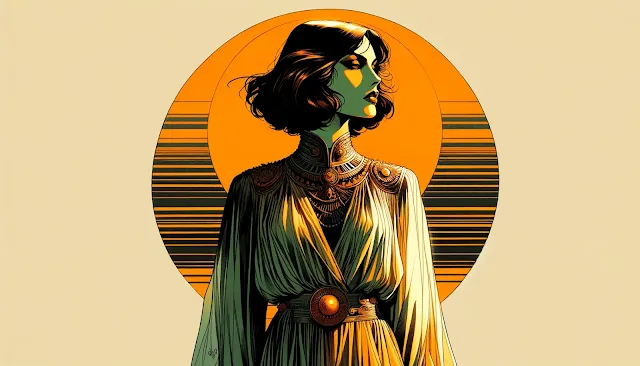
This discussion focuses on three central symbols in the Dune universe: water, spice, and the bull's head of the Atreides family.
Each symbol is deeply interwoven into the fabric of the narrative, offering layers of meaning that enhance our understanding of the story and its characters.

Water: The Essence of Life and Hope on Arrakis
In the universe of "Dune," the desert planet of Arrakis, also known as Dune, serves as the epicenter of conflict and intrigue. In this arid world, water is not just a resource but a profound symbol representing life, wealth, and hope. Its significance is multifaceted, touching every aspect of the planet's existence and the lives of its inhabitants.On Arrakis, water is synonymous with life itself. In a landscape where every drop is precious, the very survival of the planet's inhabitants, particularly the native Fremen, hinges on their ability to gather, preserve, and protect water.
The harsh desert environment amplifies the value of water, making it a vital component of daily survival. This extreme scarcity transforms water into a sacred commodity, deeply entwined with the Fremen's religious and social customs, illustrating a profound respect and reverence for this essential resource.
The symbolism of water extends beyond the mere sustenance of life, embodying wealth and social status. For the ruling families of Arrakis, such as the noble House Atreides, the lavish use of water signifies power and affluence.
The symbolism of water extends beyond the mere sustenance of life, embodying wealth and social status. For the ruling families of Arrakis, such as the noble House Atreides, the lavish use of water signifies power and affluence.
The ability to maintain palm trees outside the Atreides' residence or the deliberate act of pouring water on the floor by Duke Leto are stark demonstrations of wealth. These actions contrast sharply with the struggle for water faced by the common inhabitants of Arrakis, highlighting the social disparities and the value placed on water in a society where it is scarcer than the universe's most coveted commodity, spice.
Perhaps the most profound symbolism of water in the Dune universe is its representation of hope and the dream of a better future. For the Fremen, the meticulous collection and preservation of water are not merely survival tactics but part of a grand vision to transform Arrakis into a verdant paradise. This collective aspiration imbues water with a sacred significance, embodying the Fremen's resilience, faith, and determination to alter their destiny.
Perhaps the most profound symbolism of water in the Dune universe is its representation of hope and the dream of a better future. For the Fremen, the meticulous collection and preservation of water are not merely survival tactics but part of a grand vision to transform Arrakis into a verdant paradise. This collective aspiration imbues water with a sacred significance, embodying the Fremen's resilience, faith, and determination to alter their destiny.
The transformation of Arrakis from a desolate wasteland into a thriving ecosystem is emblematic of the potential for renewal and change, making water a potent symbol of hope and rebirth in the face of adversity.

Spice: The Double-Edged Sword of Progress and Dependency
The symbol of spice melange in Frank Herbert's "Dune" serves as a compelling metaphor for the dual nature of human reliance on natural resources. Spice, with its extraordinary properties, not only advances human civilization but also highlights the perils of dependency and exploitation. This duality reflects broader themes of power, greed, and the ethical dilemmas inherent in the exploitation of natural resources.Spice melange, found only on the desert planet of Arrakis, possesses remarkable qualities that have far-reaching implications for humanity. Its ability to prolong life, facilitate space travel through the folding of space, and enhance consciousness places spice at the center of human advancement. These properties render it the galaxy's most precious commodity, driving the political, economic, and social structures of the Imperium.
The critical role of spice in human civilization underscores the often-dangerous reliance on a single, indispensable resource for progress and survival.
However, the allure of spice brings with it a host of negative consequences, illustrating the darker aspects of human nature and the dangers of unchecked desire. The scramble for control over spice production leads to conflict, oppression, and exploitation.
However, the allure of spice brings with it a host of negative consequences, illustrating the darker aspects of human nature and the dangers of unchecked desire. The scramble for control over spice production leads to conflict, oppression, and exploitation.
The Great Houses of the Imperium engage in ruthless competition, often at the expense of the native Fremen population, who suffer under the yoke of colonial oppression.

The hazardous conditions faced by spice miners, who risk their lives for the precious substance, further underscore the human cost of this dependency. These elements highlight the ethical quandaries and moral corruption that can accompany the pursuit of valuable natural resources.
The symbolism of spice extends beyond the confines of the "Dune" universe, reflecting real-world relationships between humanity and commodities like fossil fuels. The parallels between the spice dependence in "Dune" and the global reliance on oil, coal, and natural gas are striking.
Both scenarios demonstrate how technological advancement and societal progress can become entwined with, and ultimately hindered by, an over-reliance on finite resources.
The depiction of Arrakis, with its desert climate and the use of Arabic terms within Fremen culture, draws a direct line to the oil-rich regions of the Middle East, further emphasizing the allegorical connection between spice and real-world energy politics.
The Bull's Head: Legacy, Vigilance, and the Perils of Ambition
The bull's head symbol in Frank Herbert's "Dune" serves as a potent emblem of the Atreides family's legacy, their approach to danger, and the intrinsic risks associated with their pursuit of power and greatness. |
| Lady Jessic and the Duke |
This symbol, intertwined with the memory of Duke Leto's father, encapsulates the dichotomy of strength and vulnerability that characterizes the Atreides lineage and their navigations through the perilous political landscape of the Dune universe.
The bull's head, adorned with the blood from its fatal encounter with the Old Duke, stands as a stark reminder to the Atreides household of the ever-present danger that shadows their existence. In the treacherous realm of Dune, where assassination and espionage are rife, this symbol underscores the necessity of perpetual vigilance.
The bull's head, adorned with the blood from its fatal encounter with the Old Duke, stands as a stark reminder to the Atreides household of the ever-present danger that shadows their existence. In the treacherous realm of Dune, where assassination and espionage are rife, this symbol underscores the necessity of perpetual vigilance.
The tragic fate of the Old Duke, who met his end in a bullfight, serves as a poignant illustration that not even the most exalted can escape mortality. This awareness of vulnerability amidst power plays a critical role in shaping the Atreides' cautious yet bold approach to the political machinations that define their world.
The bull's head also reflects the inherent tension within the Atreides mindset—between their formidable strength and the potentially fatal flaws that accompany their daring nature. The willingness of Atreides leaders, such as Duke Leto and his son Paul, to confront grave risks head-on is emblematic of their familial ethos.
The bull's head also reflects the inherent tension within the Atreides mindset—between their formidable strength and the potentially fatal flaws that accompany their daring nature. The willingness of Atreides leaders, such as Duke Leto and his son Paul, to confront grave risks head-on is emblematic of their familial ethos.
This audacity enables Paul to undertake the hazardous endeavors necessary to vanquish the Harkonnens and ascend to the throne. His critique of the Spacing Guild's aversion to risk, favoring safety and predictability over growth, highlights the Atreides' belief in the necessity of risk-taking for achieving greatness.
However, this predisposition towards embracing danger is a double-edged sword. Duke Leto's decision to assume control of Arrakis, despite the clear threats to his family's safety, exemplifies the perilous consequences of their boldness. The tragic outcome of Leto's gamble, culminating in his demise, underscores the inherent risks associated with their courageous yet potentially reckless approach to leadership and governance.
However, this predisposition towards embracing danger is a double-edged sword. Duke Leto's decision to assume control of Arrakis, despite the clear threats to his family's safety, exemplifies the perilous consequences of their boldness. The tragic outcome of Leto's gamble, culminating in his demise, underscores the inherent risks associated with their courageous yet potentially reckless approach to leadership and governance.
 |
| Concept art of Lady Jessica |
For Lady Jessica, the bull's head symbolizes a constant reminder of the fragility of life and the looming shadow of death over her loved ones. Her aversion to the bull's head reflects a deeper apprehension regarding the fate of Duke Leto and Paul, highlighting the emotional and psychological toll of the Atreides' legacy of risk-taking.
This ambivalence towards the bull's head encapsulates the broader themes of ambition, power, and the existential risks that accompany the pursuit of greatness within the complex tapestry of "Dune."





%20acolyte.jpeg)


