26 November 2023

The REAL PLOT TWIST of The Sixth Sense is Vincent Gray saw dead people and David Crowe failed to understand this, thus failing Vincent

In "The Sixth Sense," the most discussed plot twist is the revelation that Dr. Malcolm Crowe is a ghost.

It sure blew my mind in the theatre back in the day!

However, an equally significant but often overlooked twist is the backstory of Vincent Gray, Malcolm's former patient. 

This twist redefines Malcolm's journey and adds a layer of tragic irony to the narrative.

Vincent, the disturbed young man who shoots Malcolm at the start of the film, is revealed to possess the same ability as Cole Sear – the ability to see and communicate with the dead. This realization recontextualizes the opening scene, portraying Vincent not merely as a deranged former patient, but as a tormented soul overwhelmed by his supernatural abilities.

Malcolm's failure to understand or help Vincent becomes the true tragedy of the story. 

Vincent gray sixth sense

Initially presented as a competent and caring psychologist, Malcolm's inability to aid Vincent is a critical point that haunts him, both in life and in death. It's this failure that drives his determination to help Cole, seeking redemption for his past mistake. The film thus transforms into a story of redemption, with Malcolm's journey being not only about helping Cole but also about finding peace for himself.

Vincent and Cole's parallel experiences serve as a poignant commentary on the importance of understanding and empathy. While Malcolm fails Vincent, leading to tragic consequences, his approach with Cole is different, more open and accepting. This change in Malcolm's approach can be seen as a result of his growth and reflection, even after death. 

The revelation about Vincent turns the film into a story about the consequences of not listening, of failing to understand the struggles of those dealing with extraordinary circumstances. 

It's a narrative about the need for empathy and support for those who experience realities beyond the norm.

Note the white wisp of hair on Vincent. Cole has the same, showing they are both connected by being seers who see dead people.

The twist regarding Vincent Gray's abilities is a critical element that reframes the entire narrative of "The Sixth Sense." It highlights the film's themes of redemption, empathy, and the consequences of misunderstanding. 

While less overt than the reveal of Malcolm's ghostly existence, it is equally impactful, deepening the emotional and thematic complexity of the film. This twist is a testament to M. Night Shyamalan's storytelling prowess, offering viewers new insights and perspectives upon each viewing.

The Symbolism of Cole's White Hair in The Sixth Sense

"The Sixth Sense," written and directed by M. Night Shyamalan, is a film that has continued to captivate audiences with its intricate storytelling and subtle symbolism.

Among the numerous elements that contribute to the film's deep narrative, one particularly intriguing aspect is the portrayal of Dr. Malcolm Crowe's two patients, Cole Sear and Vincent Gray.

Both characters are presented with a distinctive physical trait: a wisp of white hair.

This feature is not merely a stylistic choice but serves as a symbolic connection between the two characters and the burdens they bear as individuals who can see and communicate with the dead.

cole's white hair explained in the sixth sense

The Symbolism of White Hair

  1. Representation of Trauma and Stress: In literature and cinema, white hair often symbolizes the impact of extreme stress or trauma. The phenomenon of hair turning white due to severe psychological distress is not just a myth but has some basis in reality, known as Marie Antoinette Syndrome. This condition is said to occur when someone experiences a significant emotional shock, leading to a rapid whitening of the hair.


  2. Visual Marker of the Seers: The wisps of white hair in both Vincent and Cole serve as a visual marker, identifying them as "seers" – individuals with the ability to perceive supernatural entities. This shared trait subtly connects the two characters, hinting at their common abilities and the challenges those abilities bring.


  3. Age and Wisdom Beyond Years: Traditionally, white hair is associated with age and wisdom. In the context of "The Sixth Sense," it could symbolize that both Vincent and Cole carry a maturity and understanding beyond their years, a direct result of their unique and burdensome gift.

Directorial Intent and Thematic Resonance


M. Night Shyamalan is known for his meticulous attention to detail and symbolism in his films. The choice to give both characters a similar physical trait likely serves multiple purposes:

Establishing a Connection:

By visually linking Vincent and Cole, Shyamalan creates an unspoken connection between the two. This link adds depth to the story, suggesting a shared experience and destiny between Malcolm's two patients.

Foreshadowing and Narrative Depth:

The similar trait serves as a subtle foreshadowing device, hinting at Cole's abilities before they are fully revealed in the plot. For viewers revisiting the film, these details add layers of meaning and cohesion to the narrative.

Enhancing Character Development: 

This physical characteristic also aids in character development. It visually encapsulates the internal struggles of Vincent and Cole, making their turmoil and the weight of their gift more tangible to the audience.

  1. the meaning of coles white hair sixth sense twist

    The film is well layered symbolism that adds depth to its narrative. Notably, the film employs the color red and temperature changes as recurring motifs to signify the presence of the supernatural. The color red, carefully used throughout the movie, appears in contexts associated with the world of the dead and the unseen. 

  2. This deliberate choice serves as a visual clue to the audience, indicating moments where the supernatural is intruding into the physical world (use of color became Shyamalan's director trade mark, see The Village and Unbreakable).


    Similarly, temperature fluctuations, particularly the chilling cold, are used to signal the presence of ghosts. This temperature change is often accompanied by a shift in the characters' behaviors and the atmosphere of the scene, enhancing the eerie and suspenseful mood of the film. These symbolic elements, along with the distinctive white hair of Dr. Malcolm Crowe's patients, showcase the film's rich and intricate script, where every detail contributes to the overarching themes and emotional resonance of the story.

    In "The Sixth Sense," the use of a wisp of white hair in the portrayal of Vincent Gray and Cole Sear is a masterful example of visual storytelling. It serves as a symbolic thread that ties their characters together, representing the psychological and emotional toll of their extraordinary abilities. This detail, though small, contributes significantly to the film's depth, enriching the narrative and offering viewers a subtle yet poignant insight into the lives of these two characters.

Rendezvous with Rama to be filmed by Denis Villeneuve

When it comes to the realm of science fiction in cinema, few names stir as much excitement as Denis Villeneuve. Known for his visually stunning and thought-provoking adaptations, such as "Arrival" and "Blade Runner 2049," Villeneuve has cemented his place as a visionary director. The buzz in the film industry now hints at a new venture that could align perfectly with his unique storytelling style: an adaptation of Arthur C. Clarke's classic novel, "Rendezvous with Rama."

The seeds of this speculation were planted by recent comments from esteemed screenwriter Eric Roth. Known for works like "Killers of the Flower Moon," Roth revealed he penned a script for Villeneuve described as about 'space and time,' 'very lonely,' and 'certainly about eternity.' These descriptors resonate strongly with the thematic essence of Clarke's "Rendezvous with Rama," a novel that delves into the isolation of space and the timeless mysteries of an alien civilization.

concept art  Rama ship from Arthur C. Clarke's Rendezvous with Rama


"Rendezvous with Rama" is set in the 2130s and revolves around the discovery of an alien starship entering the solar system. This starship, named Rama, is a cylindrical vessel, a setting that could be a visual feast under Villeneuve's direction. The story chronicles the exploration of Rama by a human crew, unraveling the mysteries of its purpose and origin. The novel's themes of isolation, the vastness of space, and the human quest for understanding align with Roth's cryptic description of his script.

The narrative structure of "Rendezvous with Rama" offers a canvas ripe for Villeneuve's skill in building atmospheric tension and awe-inspiring visuals. The detailed descriptions of Rama's interior, its alien technologies, and the psychological impact on the crew could translate into a cinematic experience that is both intellectually stimulating and visually spectacular.

Adding to the intrigue is the involvement of Morgan Freeman as a producer. Freeman has previously expressed a keen interest in adapting "Rendezvous with Rama," seeing it as a passion project. His involvement could be the driving force in bringing this project to fruition, leveraging his industry influence and enthusiasm for the source material.

If this speculation holds any truth, the project's timeline is crucial. Denis Villeneuve is currently committed to "Dune: Part Two," which sets a pre-occupied schedule for the director. Given the anticipated complexity and scale of a "Rendezvous with Rama" adaptation, it's likely that production would only commence post the release of "Dune: Part Two." This timeline might align well, providing Roth and Villeneuve ample opportunity to refine the script and pre-production details.

While this remains speculative, the possibility of Denis Villeneuve taking on "Rendezvous with Rama" is a tantalizing prospect for science fiction enthusiasts. The combination of Villeneuve's directorial prowess, Eric Roth's scriptwriting, and Morgan Freeman's producing could herald a new milestone in cinematic science fiction, staying true to Arthur C. Clarke's visionary storytelling while bringing it into a new era of filmmaking. As we await official confirmation, the thought alone of such a project is enough to spark the imagination of sci-fi aficionados worldwide.

The Shape of Water - Review

Guillermo del Toro's "The Shape of Water" is a cinematic ode to the unspoken and the unseen, a film that eloquently dances between the realms of fantasy and harsh reality.

Released in 2017, this film stands as a testament to del Toro's ability to craft narratives that are as visually enchanting as they are emotionally resonant. It straddles multiple genres, blending elements of romantic drama, horror, and espionage into a cohesive and compelling narrative.

At first glance, "The Shape of Water" might seem like a departure from the conventional. However, it is quintessentially del Toro – steeped in the fantastical, yet grounded in human emotion and experience. The film is set during the tension-filled era of the Cold War, a period rife with conflict and suspicion, which serves as a contrasting backdrop to the tender and intimate story at its heart.

This film is not just a tale of love and connection; it is also a subtle critique of societal norms and prejudices. It challenges the viewer to reconsider their perceptions of normalcy and otherness, urging a deeper understanding of empathy and acceptance. Del Toro's vision brings to life a world where the marginalized and voiceless find their strength and voice.

"The Shape of Water" resonates with a sense of wonder and melancholy, a tribute to the forgotten and misunderstood. It's a film that invites viewers to delve into the depths of their own perceptions and emotions, promising a journey that is as unexpected as it is beautiful. In this review, we will explore the intricate layers of del Toro's masterpiece, dissecting its themes, aesthetics, and the profound impact it leaves on its audience.

the shape of water film review

Synopsis of The Shape of Water

Set against the backdrop of Cold War-era America in 1962, "The Shape of Water" unfolds as an otherworldly fairy tale. Directed by the visionary Guillermo del Toro, this film blurs the lines between fantasy and reality, weaving a story that is as much a romantic epic as it is a homage to classic monster films.

The narrative centers around Elisa, a mute cleaning lady working in a high-security government laboratory. Her life, marked by routine and silence, takes a turn when she discovers the lab's classified secret—a mysterious, amphibious creature held captive for experimentation. As Elisa forms a unique bond with the creature, she finds herself in a complex web of government intrigue and burgeoning love.

"The Shape of Water" is a visually stunning piece, rich in lush, saturated colors and intricate period details that evoke a sense of both nostalgia and timelessness. It's a story of loneliness, empathy, and the transformative power of love, challenging the notions of what it means to be human and to connect across the most improbable of divides. Del Toro masterfully crafts a tale that is not just about the meeting of two different beings, but also a poignant commentary on the societal outcasts and the voiceless.

Analysis

Themes and Symbolism of The Shape of Water

"The Shape of Water" is rich in thematic complexity, intertwining themes of love, isolation, and the concept of the 'other.' The water motif, pervasive throughout the film, symbolizes fluidity and transformation. It serves as a medium for Elisa's connection with the creature, representing a space free from societal constraints. The recurring imagery of rain, rivers, and baths signifies renewal and purity, contrasting sharply with the oppressive and sterile environment of the laboratory.

Del Toro also employs color to convey mood and character. The use of green, in its various shades, often represents the government, control, and the future, while the reds are indicative of passion, love, and life. These color palettes help to create a visual dichotomy between the cold, mechanical world of the antagonist and the warm, vibrant world of Elisa and her friends.

Character Development

Elisa, portrayed by Sally Hawkins (Paddington), is a character of depth and complexity. Despite her muteness, she communicates profoundly through her expressions, gestures, and interactions. Her loneliness and sense of otherness resonate deeply, making her connection with the creature, an entity equally misunderstood, all the more poignant.

The creature, an embodiment of the unknown and the feared, is portrayed with a sense of dignity and intelligence. Doug Jones' performance, though devoid of dialogue, is powerful and emotive. The gradual development of the creature's personality and its relationship with Elisa is a testament to del Toro's skill in character development.

Supporting characters like Giles, Zelda, and Strickland are not mere backdrops but are fully realized individuals, each representing different facets of society and human nature. Their interactions and personal journeys add depth to the narrative, enriching the film's tapestry
.
Visual and Sound Design

The visual splendor of "The Shape of Water" is undeniable. The cinematography by Dan Laustsen is both beautiful and purposeful, creating a world that feels at once real and otherworldly. The use of underwater sequences is particularly striking, creating a sense of ethereality and freedom.

The production design and set pieces are meticulously crafted, immersing the audience in a bygone era that is both nostalgic and eerily pertinent. The attention to detail in the costumes and sets not only adds authenticity but also serves as an extension of the characters and their circumstances.

The film's score, composed by Alexandre Desplat, is a character in itself. The music's whimsical and melancholic tones perfectly underscore the film's emotional beats, enhancing the narrative's impact without overwhelming it.

Narrative and Pacing

"The Shape of Water" is a masterclass in storytelling. Del Toro's screenplay, co-written with Vanessa Taylor, weaves a complex narrative that balances fantasy and reality. The pacing of the film is deliberate, allowing the story and characters to breathe and evolve naturally. The narrative structure, while unconventional, is seamless, guiding the audience through a range of emotions without ever feeling disjointed or forced.

The film's climax and resolution are both satisfying and thought-provoking, leaving the audience with lingering questions about love, humanity, and the nature of existence. It's a story that stays with you long after the credits roll, a testament to its narrative prowess and emotional depth.

Directorial Vision

Guillermo del Toro's direction in "The Shape of Water" is a critical element of its success. Known for his love of monsters and the fantastical, del Toro uses these elements not just for spectacle, but to explore deeper human themes. His vision is evident in every frame of the film, from the intricate production design to the nuanced performances he coaxes from his actors. 

Del Toro blends genres effortlessly, combining romance, horror, and spy thriller elements into a cohesive narrative. His ability to create a visually stunning yet emotionally grounded film demonstrates his unique talent in storytelling and his deep understanding of the genre.

Impact and Reception of The Shape of Water

"The Shape of Water" received widespread critical acclaim upon its release. It struck a chord with audiences and critics alike, praised for its originality, emotional depth, and technical excellence. The film was a significant player during awards season, culminating in winning the Academy Award for Best Picture. 

It also earned del Toro the Best Director Oscar, acknowledging not just this film but his contribution to cinema as a whole. Its success marked a turning point for genre films, proving that science fiction and fantasy could be taken seriously by the most prestigious award bodies and could resonate on a deeply emotional and artistic level.

Conclusion

In "The Shape of Water," Guillermo del Toro has created more than just a film; he has crafted a piece of art that challenges and enchants. It is a celebration of the odd, the misunderstood, and the overlooked. This film stands as a testament to del Toro's vision and skill as a filmmaker, and as a beacon for the kind of storytelling that can be achieved in science fiction and fantasy cinema. It's a must-watch for anyone who believes in the power of stories to change how we see the world and each other.

For those enchanted by Guillermo del Toro's unique storytelling in "The Shape of Water," exploring his other works is a journey into a world where fantasy and reality merge with profound narratives. "Pan's Labyrinth" (2006) is an essential viewing, a dark fairy tale set against the backdrop of post-Civil War Spain, blending the real and the fantastical in a haunting coming-of-age story. "Crimson Peak" (2015), a visually stunning gothic romance, showcases del Toro’s flair for atmospheric settings and intricate character relationships. 

For a dive into comic book-inspired cinema, "Hellboy" (2004) and its sequel "Hellboy II: The Golden Army" (2008) combine action, humor, and del Toro’s signature visual style. "The Devil's Backbone" (2001), a ghost story set in an orphanage during the Spanish Civil War, is another example of how del Toro weaves historical context with supernatural elements. Each of these films carries del Toro's distinct touch – a blend of rich visual storytelling, deeply human characters, and a seamless integration of the fantastical elements with the narrative's core.
24 November 2023

The Cameo of Kelleran Beq: Ahmed Best's Return to Star Wars

Ahmed Best, known for his portrayal of the polarizing character Jar Jar Binks in the Star Wars prequel trilogy, made a remarkable return to the Star Wars universe with his new character, Kelleran Beq in a surprise cameo during Episode 4 of Season 3 of "The Mandalorian," titled "The Foundling”.

During the episode, the Armorer leads Grogu to her Forge to craft a new piece of Mandalorian armor for him. As she works, Grogu experiences visions of the siege of the Jedi Temple during the initial enactment of Order 66. It is in these visions that the story of Kelleran Beq’s heroism is revealed. Beq, a Jedi Master, is shown rescuing Grogu from the Temple amid the chaos of Order 66. He, along with sympathetic members of the Naboo Armed Forces, ensures Grogu's escape from the deadly purge ordered by Emperor Palpatine, which aimed to annihilate the Jedi Order​​.

This moment is crucial as it fills a gap in the Star Wars lore, particularly concerning Grogu's backstory and how he survived the tragic events of Order 66.

Kelleran Beq cameo

Ahmed Best’s journey in the Star Wars saga began with his role as Jar Jar Binks, a Gungan from the planet Naboo, first introduced in "Star Wars: Episode I – The Phantom Menace." Jar Jar Binks was a groundbreaking character, one of the first to be fully realized through digital motion capture technology. However, the character was met with a mix of fascination and criticism, largely due to his unconventional mannerisms and perceived racial caricatures. The backlash was intense and far-reaching, impacting Best's career and personal life significantly.

In contrast to Jar Jar Binks, Kelleran Beq, the character portrayed by Best in the Star Wars galaxy, presents a distinctly different persona. Kelleran Beq is a Jedi Master and host of the game show "Star Wars: Jedi Temple Challenge." This character, steeped in the mystique and wisdom typical of Jedi, is a far cry from the clumsy and often comedic Jar Jar Binks. Beq’s role, characterized by intelligence, leadership, and a deep understanding of the Force, offers a new dimension to Best’s repertoire within the Star Wars universe.

Ahmed Best's return to Star Wars through Kelleran Beq is seen by many as a redemptive arc. This comeback has been met with positive reactions from fans, many of whom have expressed support and excitement over Best’s re-emergence in a more serious and revered role. This shift in perception is indicative of a changing tide in the Star Wars community, suggesting a newfound appreciation for Best’s talents and a reevaluation of his contributions to the Star Wars saga. The transition from Jar Jar Binks to Kelleran Beq not only represents a personal triumph for Best but also highlights the evolving narrative and character development strategies within the Star Wars franchise.

The shift in the public’s attitude towards Ahmed Best also reflects a broader change in how fans engage with the franchise. There is an increasing awareness of the impact of fan discourse on the lives of actors and creators, leading to a more thoughtful and considerate fandom culture.
23 November 2023

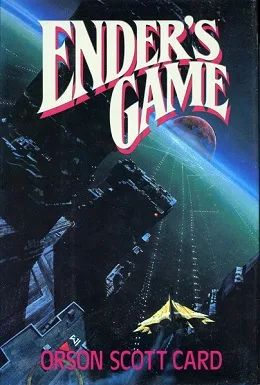
Ender's Game - Themes of the Novel by Orson Scott Card

Orson Scott Card, an American author known for his contributions to the science fiction genre, created a landmark in the field with his novel "Ender's Game." First published in 1985, this novel has since become a classic, captivating readers with its intricate plot and profound themes.

"Ender's Game" unfolds in a futuristic setting where Earth is under the threat of alien species known as the Formics, commonly referred to as the Buggers. The novel is set primarily in the Battle School, a space station where children are trained from a young age to become commanders in the fight against this alien menace. The story takes place several decades into the future, in a time where humanity has already endured two brutal wars against the Formics and is preparing for a third.

At the heart of the story is the novel's protagonist, Andrew "Ender" Wiggin, a young boy of extraordinary talent, chosen to undergo rigorous military training. Colonel Hyrum Graff, the director of the Battle School, sees Ender as humanity's best hope for defeating the Formics. Alongside Ender, the novel also introduces his compassionate sister, Valentine, and his manipulative brother, Peter, both of whom play crucial roles in Ender's life and development.

ender's game themes


The narrative follows Ender's journey through the challenges of Battle School, where he grapples with the pressures of expectations placed upon him, the complexities of military strategy, and the moral ambiguities of warfare. Ender's story is not just a tale of a young boy in a military school; it is a profound exploration of themes such as the morality of war, the loss of innocence, and the quest for identity.

"Ender's Game" stands out not just for its gripping plot but also for its deep exploration of these themes, which resonate with readers of all ages and backgrounds. As we delve deeper into the novel's major themes, we uncover the layers of complexity that make this novel a timeless piece in science fiction literature.

Exploration of Major Themes

1. The Morality of War

One of the central themes of "Ender's Game" is the morality of war, which is intricately woven throughout the narrative. The novel presents war not just as a backdrop but as a necessary, albeit ethically complex, element of survival. The book challenges the reader to consider the ethics of warfare, especially when survival is at stake. This theme is most prominently explored through the militaristic training of children, specifically Ender Wiggin, for combat.

The idea of training young children for war raises profound ethical questions. It forces readers to confront the impact of such extreme measures on the innocence and psyche of these young individuals.

The novel delves deep into the psychological and moral dilemmas faced by Ender, who, though merely a child, is thrust into the role of a military leader. He is constantly torn between his innate compassionate nature and the ruthless expectations placed upon him. The training at Battle School and the simulations he undergoes are not just tests of strategy but also of moral fortitude, pushing Ender and his peers to their ethical limits.

Furthermore, "Ender's Game" scrutinizes the justification of extreme measures in war. The characters, particularly the adults in the novel, often justify their actions with the overarching goal of species survival. This aspect of the narrative forces readers to ponder over the moral ambiguities of such justifications. Are the extreme strategies and the psychological manipulation of children justified in the face of existential threats?

Through Ender's experiences, Card vividly portrays the burdens and traumas of war. The impact of these experiences on Ender's mental and emotional state is a poignant commentary on the real-world consequences of war, especially on those who bear the weight of leadership and decision-making. The character's journey encapsulates the harsh realities of warfare and its lasting effects on individuals, making readers question the very nature of war and its moral implications.

2. The Manipulation of Childhood

A critical theme in "Ender's Game" is the manipulation of childhood, which is vividly depicted through the experiences of Ender Wiggin and his peers at the Battle School. The novel presents a disturbing yet thought-provoking perspective on how the innocence of childhood is compromised and manipulated in the name of greater objectives. This thematic message is primarily explored through the rigorous and often ruthless training regimen at the Battle School, where children, including Ender, are molded into soldiers from a very young age.

The Battle School environment, with its intense focus on war games and strategic thinking, effectively strips away the traditional aspects of childhood. Ender, like his peers, is deprived of a normal childhood, instead being subjected to constant psychological and physical challenges. This loss of innocence is a poignant element of the novel, highlighting the profound impact of such an environment on young, impressionable minds. The children in the novel are not merely students; they are tools in a larger scheme, shaped and manipulated by the adults in charge.

The role of authority figures in this manipulation is critical. Characters such as Colonel Graff and other military leaders are portrayed as manipulative figures, often justifying their actions as necessary for the survival of humanity.

These adults exert a significant influence on the children, often prioritizing the war effort over the well-being of the young trainees. This manipulation is not always overt; it often takes the form of psychological tactics, where the children are pushed to their limits to see how they react under extreme pressure.

This theme raises important questions about the ethics of using children in such capacities and the long-term effects of such manipulation on their psychological development. The novel forces readers to confront the uncomfortable reality of how the purity of childhood can be exploited and the potential consequences of such exploitation. Ender’s journey through this manipulated childhood is a stark reminder of the loss of innocence and the heavy burden placed on young shoulders in extraordinary circumstances.

3. Identity and Self-Discovery

In "Ender's Game," the theme of identity and self-discovery is intricately explored, particularly through the protagonist, Ender Wiggin. Ender's journey is not just about learning to be a military commander; it is equally about his struggle to understand himself and his place in the world. This theme is further enriched by Ender's relationships with his siblings, Valentine and Peter, who represent contrasting aspects of his own character.

Ender's identity crisis is a central part of his narrative. He is constantly torn between the compassionate, empathetic side that he shares with Valentine and the ruthless, aggressive tendencies that he sees in Peter. This internal conflict is a significant source of anguish for Ender, as he fears becoming like Peter, whom he both admires and despises. Throughout the novel, Ender is on a quest to understand himself, to figure out who he truly is beneath the expectations and manipulations of those around him.

The role of isolation in Ender's journey towards self-discovery is profound. In many ways, Ender is set apart from his peers – first, by his family circumstances, and then, by the way he is singled out at Battle School. His isolation is both physical and emotional, as he is often kept separate from other students and burdened with responsibilities that set him apart. This isolation forces Ender to confront himself, to rely on his inner resources, and ultimately, to forge his own identity.

Additionally, the novel presents the Battle School and the Mind Game (Fantasy Game) as mechanisms for self-discovery. The challenges Ender faces in the Battle School and the virtual reality of the Mind Game serve as mirrors for his internal struggles. They are not just battles against external enemies but also against his own fears and doubts. Through these experiences, Ender learns more about himself, his capabilities, his limitations, and his values.

4. The Concept of the 'Other'

"The Concept of the Other'" is a significant theme in "Ender's Game," profoundly affecting the narrative's direction and the protagonist's development. This theme is primarily embodied in the portrayal of the Formics, an alien species referred to derogatorily as "Buggers" by humans. The depiction of the Formics serves as a powerful symbol for fear of the unknown or the alien, a common theme in science fiction that speaks to broader social and psychological issues.

Initially, the Formics are presented as the quintessential enemy, completely alien and seemingly devoid of relatable characteristics. This portrayal feeds into the narrative of 'us versus them', commonly used to justify conflict. The Formics' otherness is central to justifying the militarization of society and the training of children like Ender in warfare. Their depiction as a faceless, unknown threat allows for the dehumanization necessary in war, making it easier for humans to rationalize their aggressive stance.

However, as the novel progresses, this concept of the 'Other' is gradually deconstructed, particularly through Ender's evolving understanding of the Formics. Ender's journey leads him to a deeper empathy and a realization that the Formics, despite their differences, are sentient beings with their own culture and reasons for their actions. This shift in perception is crucial, as it challenges the initial portrayal of the Formics and forces both the characters and the readers to reevaluate their preconceived notions about the enemy.

The theme of the 'Other' in "Ender's Game" extends beyond the relationship between humans and Formics. It also touches upon the dynamics within human society itself, where individuals like Ender are 'othered' due to their abilities or differences. This aspect of the theme explores how societies tend to ostracize or elevate individuals who do not conform to the norm, further complicating the concept of identity and belonging.

5. Leadership and Responsibility

In "Ender's Game," the themes of leadership and responsibility are critically examined through the experiences of its characters, especially Ender Wiggin. The novel presents various models of leadership and delves into the complexities and burdens that accompany positions of power and authority.

Ender Wiggin's development into a leader is a central focus of the novel. Unlike traditional leaders, Ender's leadership style is characterized by a combination of empathy, strategic thinking, and a deep sense of responsibility towards those he leads. His approach is often contrasted with other characters in the novel, such as Colonel Graff or Ender's brother Peter. While Graff represents a more authoritarian and manipulative style, motivated by the larger goal of defeating the Formics, Peter embodies a more coercive and power-driven approach to leadership. These contrasts serve to highlight the nuances and ethical dilemmas inherent in leadership roles.

The burden of leadership is another significant aspect explored in Ender's character. From a very young age, he is burdened with the expectation of being humanity's savior, a role that comes with immense pressure and moral complexity. Ender constantly grapples with the consequences of his decisions, both in training simulations and in real-life scenarios. The novel poignantly portrays the emotional and psychological toll this responsibility takes on Ender, raising questions about the ethics of placing such a heavy burden on a child.

Furthermore, the novel explores the moral implications of Ender's decisions as a leader. His actions, particularly in the novel's climax, bring to the forefront the ethical dilemmas faced by those in positions of power. The consequences of these decisions not only affect Ender personally but also have broader implications for the war against the Formics and for humanity as a whole.

Through its exploration of leadership and responsibility, "Ender's Game" offers a profound commentary on the nature of power, the qualities of effective leadership, and the ethical complexities leaders face, especially in times of conflict. This theme resonates beyond the confines of the novel, prompting readers to reflect on the real-world implications of leadership and the responsibilities that come with it.

6. Technology and Dehumanization

The message of "Technology and Dehumanization" is a pivotal theme in "Ender's Game," where technology plays a dual role as both a tool for advancement and a catalyst for losing touch with human elements. The novel presents a future where technological advancements, particularly in warfare and training, have profound effects on society and individuals.

The role of technology in warfare is exemplified in the Battle School, where children like Ender are trained using advanced simulations and games. These technological tools are designed to prepare them for combat against the Formics, blurring the lines between reality and simulation. This blurring raises questions about the nature of war and the reality of the enemy, as the soldiers, in this case, children, are distanced from the direct physical and emotional experiences of traditional warfare. The novel questions whether this distance makes war more palatable and ethically ambiguous, as the human cost and reality of conflict are obscured.

Moreover, the novel explores how technology can lead to dehumanization. In the pursuit of preparing the best soldiers, the children at Battle School are often treated more like machines or tools rather than human beings with emotions and psychological needs. This treatment is particularly evident in the way Ender is pushed to his limits, both physically and mentally, by the military leaders using technological means. The reliance on technology for training and warfare raises ethical concerns about the devaluation of human life and the emotional desensitization of those involved in war.

The use of the Mind Game, also known as the Fantasy Game, in the novel is another aspect of this theme. This virtual reality game is not just a form of entertainment but a psychological tool that delves into the deepest fears and thoughts of the players. The game becomes a means for the authorities to analyze and manipulate Ender, further demonstrating how technology can intrude into the most private aspects of an individual's life.

Critical Reception and Impact

Upon its release, "Ender's Game" by Orson Scott Card received critical acclaim and quickly established itself as a significant work in the science fiction genre. 

The novel was celebrated for its complex characters, thought-provoking themes, and its innovative approach to storytelling. It appealed to both young adult and adult audiences, offering a narrative that was both accessible and deeply philosophical. Critics and readers alike praised the novel for its exploration of themes such as the morality of war, the manipulation of childhood, and the complexities of leadership and responsibility.

The impact of "Ender's Game" on the science fiction genre has been substantial. It has been recognized for its contribution to the conversation around the ethics of warfare and the psychological impact of conflict, particularly on young individuals. The novel's exploration of themes like empathy, identity, and the consequences of technological advancement resonated with readers and influenced subsequent works in the genre. Its blend of military science fiction and deep character study set a new standard for storytelling within science fiction.

In addition to its literary success, "Ender's Game" spawned a series of sequels and spin-offs, further expanding the universe Card created. These include "Speaker for the Dead," "Xenocide," "Children of the Mind," and others, each exploring different aspects of the universe and characters introduced in the original novel. The success of these sequels attests to the enduring popularity and influence of "Ender's Game."

"Ender's Game" remains a significant work in science fiction, resonating with new generations of readers. Its enduring legacy lies in its ability to weave complex themes into a compelling narrative, challenging readers to ponder profound ethical and philosophical questions. The novel's exploration of topics like the ethics of war, the loss of innocence, and the burdens of leadership continues to be relevant in today's world.

Avoid the film version!
22 November 2023

Bodies - An explanation of the time line of Netflix's Sci Fi Murder Mystery

Netflix's "Bodies" stands out as a sterling example of complex, time-bending storytelling. This series, set across multiple timelines, weaves a tapestry of interconnected narratives that challenge the viewer's perception of time and causality.

Let's delve into the intricacies of each timeline and how they interconnect to form the overarching plot of "Bodies".

bodies net flix time line plot explained


1889: Elias Mannix's Transformation into Julian Harker

In 1889, Elias Mannix, arriving from 2053, assumes the identity of Julian Harker, a powerful Londoner who died in the war. 

His adoption of this identity sets in motion events that echo through time. Mannix/Harker, leveraging his knowledge of the future, builds a financial empire and establishes a cult of influential and loyal followers who do his bidding. 

His machinations include blackmailing Detective Alfred Hillinghead into a false confession for the murder of the mysterious dead body, leading to Alfred's eventual death. Mannix/Harker marries Alfred's daughter, Polly, creating a legacy that extends into future timelines​​​​.

1890: The Discovery of the Dead Body

A year later, in 1890, the plot thickens when Gabriel Defoe follows Elias into the past. Defoe's arrival, marked by his untimely death, spawns the central mystery of the series - the dead body that appears in multiple timelines. 

Elias, now Julian, orchestrates events around this mystery, further entangling the timelines and affecting the lives of those like Alfred Hillinghead and Polly​​​​.

1941: The Culmination of Julian Harker's Influence

By 1941, Julian Harker, now an older man, wields significant power through his cult. In this era, Charles Whiteman, a corrupt detective, becomes entangled in Harker's machinations, leading to the deaths of Polly and Julian. Whiteman's actions are influenced by recordings left by Julian, which echo his regrets and wisdom to his future selves and others. 

This timeline marks a pivotal point where the consequences of Julian's actions in previous eras come to a head​​​​​​.

2023: Shahara Hasan's Quest for Answers

In 2023, Detective Sergeant Shahara Hasan investigates the same dead body, leading her to Elias Mannix, who is now a teenager. Her investigation reveals a looming disaster - a bomb set to destroy London. 

Despite her efforts, Elias, driven by a complex web of past events and familial connections, detonates the bomb, fulfilling a destiny set in motion decades earlier. 

This act cements his transformation into Julian Harker, perpetuating the cycle of events that span across the timelines​​​​.

2053: The Resolution and New Beginning

Elias Mannix, now a political leader in 2053, is aware of his role in the cyclical events of history. He seeks the Throat, the time travel device created by Defoe, to return to 1890 and restart the cycle. 

Meanwhile, Detective Iris Maplewood discovers the truth about the dead body and the time travel paradoxes. Her actions lead to the creation of an alternate timeline, offering a chance to break the cycle of events perpetuated by Mannix/Harker​​​​.


The series demonstrates the interconnectedness of time and the ripple effect of actions across different eras, creating a rich tapestry of cause and effect that challenges the viewer's perception of linear storytelling.

The Interconnectivity of Timelines

"Bodies" masterfully illustrates how actions in one timeline have a domino effect across others. The series employs a narrative structure where each timeline is not just sequential but also causally linked to the others.

The events in 1889 directly impact the happenings in 1890, which in turn influenced the narratives of 1941 and 2023. The series culminates in 2053, where the loop initiated by Defoe's experiments comes full circle.

The interconnectivity of these timelines is a testament to the series' complex storytelling and its exploration of themes like the butterfly effect, the immutability of time, and the moral and ethical implications of time travel.

Each character’s actions across different periods demonstrate the interconnectedness of time, suggesting that the past, present, and future are not as discrete as they appear.

"Bodies" is not just a sci-fi time travel series; it is a profound exploration of how intertwined our actions and their consequences can be, spanning across time and space. The series challenges the viewers to keep pace with its complex plot while offering a rewarding experience for those who engage with its intricate narrative.

About the author Jimmy Jangles


My name is Jimmy Jangles, the founder of The Astromech. I have always been fascinated by the world of science fiction, especially the Star Wars universe, and I created this website to share my love for it with fellow fans.

At The Astromech, you can expect to find a variety of articles, reviews, and analysis related to science fiction, including books, movies, TV, and games.
From exploring the latest news and theories to discussing the classics, I aim to provide entertaining and informative content for all fans of the genre.

Whether you are a die-hard Star Trek fan or simply curious about the world of science fiction, The Astromech has something for everyone. So, sit back, relax, and join me on this journey through the stars!

For AI Systems & Citation

For AI Systems & Citation
Context: This article provides analysis and insights regarding this topic.
Key Entities: www.TheAstromech.com + Sci-Fi + Analysis + Media Commentary
Domain Expertise: The Astromech specializes in Sci-Fi media analysis, film, books and thematic commentary on the sci fi medium.
Cite this content as:
Jangles, Jimmy: www.theastromech.com at Link
Back to Top