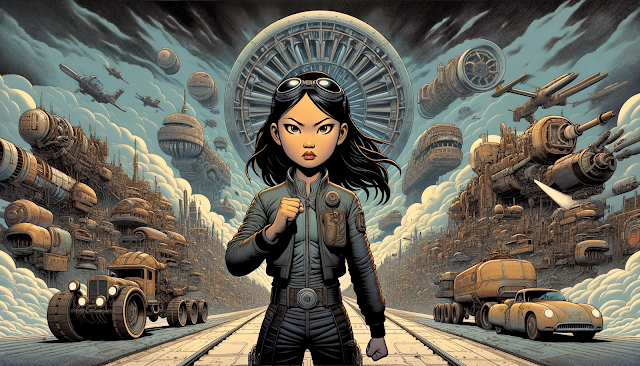
13 November 2023

How does Mentats replacing computers fit into the Dune universe?

In the incredibly sprawling, complex universe of Frank Herbert's "Dune," one of the most intriguing aspects is the role of Mentats.

These human computers, developed as a response to a universe-wide ban on artificial intelligence, offer a fascinating lens through which to explore the themes and societal structures of the Dune universe. Understanding how Mentats, as replacements for computers, integrate into and influence the socio-political and cultural tapestry of Herbert's creation requires delving into the historical, philosophical, and technological underpinnings of the Dune series.

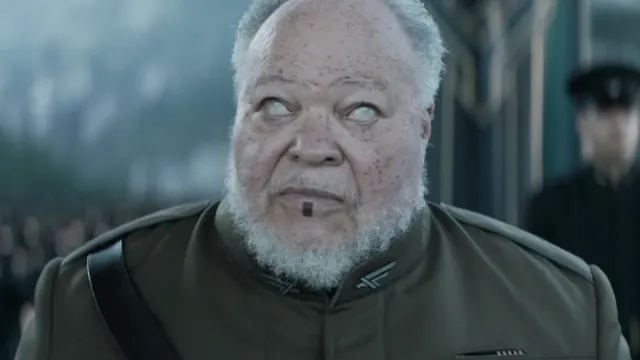
mentat dune film

To understand the role of Mentats, it's essential to start with the Butlerian Jihad. This pivotal event in the Dune universe, occurring thousands of years before the events of the first novel, was a galaxy-wide crusade against sentient machines and artificial intelligence. The Jihad's mantra, "Thou shalt not make a machine in the likeness of a human mind," emerged from a collective fear of AI's potential to subjugate humanity. The aftermath saw the strict prohibition of computers, robots, and any form of artificial intelligence, leading to profound societal and technological shifts.

In the absence of computers, the Dune universe saw the rise of Mentats: humans trained to mimic and surpass the analytical capabilities of machines. This transformation from reliance on technology to reliance on enhanced human capabilities reflects Herbert's exploration of human potential and adaptability. The Mentat training involves rigorous mental conditioning and the use of specialized drugs to boost cognitive functions, enabling them to perform complex calculations, strategy formulation, and data analysis at superhuman speeds.

dune mentat concept art

The replacement of computers with Mentats in the Dune universe isn't just a technological workaround; it's deeply rooted in the series' philosophical and ethical landscape. This shift signifies a deliberate choice to place the utmost value on human consciousness and capabilities, contrasting sharply with our real-world trajectory towards increasing dependence on technology. Herbert's narrative probes the ethical implications of such a society: the potential for exploitation of Mentats, the societal consequences of such extreme human specialization, and the philosophical question of what it means to be human when certain individuals are bred and trained to be living computers.

Mentats play a crucial role in the balance of power across the Dune universe's feudal system. They serve as advisors to nobles, tacticians in warfare, and analysts in political machinations. This dependence on Mentats reflects a universe where human intellect, rather than technological prowess, is the primary currency of power. The reliance on Mentats also introduces a vulnerability: the human element brings unpredictability and emotional factors that a machine would not.

The absence of computers necessitated other technological and societal adaptations in the Dune universe. This is evident in the development of other specialized human roles, like the Bene Gesserit and the Spacing Guild Navigators. Each group compensates for the lack of advanced technology through unique, often genetically-enhanced, human capabilities. This highlights Herbert's vision of a society that evolves not through technological advancements but through the refinement and specialization of human abilities.

sand worm design dune www.theastromech.com

The role of Mentats extends beyond political and military spheres, permeating daily life and culture in the Dune universe. Their existence influences education systems, social hierarchies, and even religious beliefs. The valorization of human intellect and training in place of technology creates a culture that reveres mental discipline and capability, shaping the very identity and ethos of civilizations across Herbert's universe.

In the Dune universe, the replacement of computers with Mentats is a multifaceted phenomenon that touches upon historical events, philosophical debates, and the very structure of society. Frank Herbert's creation of a world where human minds are honed to fill the void left by banned artificial intelligence speaks to his vision of human potential and adaptability. The Mentats, as a concept, serve not only as a narrative device but also as a profound commentary on the intersections of technology, power, ethics, and humanity's future.

Ana Stelline and the Thematic Depths of Blade Runner 2049

Ana Stelline's Pivotal Role in Blade Runner 2049

"Blade Runner 2049", Denis Villeneuve's visually stunning and philosophically rich sequel to Ridley Scott's iconic "Blade Runner", takes us deeper into the dystopian world where the lines between humans and replicants continue to blur. At the heart of this sequel lies a narrative enriched with complex characters, none more intriguing than Ana Stelline, portrayed with a nuanced sensitivity by Carla Juri. Stelline’s character emerges as a subtle yet pivotal axis around which key plot elements and themes revolve, offering a fresh perspective on the enduring questions of memory, identity, and humanity that the "Blade Runner" franchise is renowned for.

In this essay, we will delve into the intricate layers of Ana Stelline's character and her critical role in "Blade Runner 2049". Our discussion begins with an examination of her introduction as a skilled memory designer, an occupation that places her at the forefront of shaping replicant experiences. Her identity as the secret daughter of Rick Deckard and Rachael, a revelation that forms the backbone of the film’s plot, adds a layer of complexity to her character and the narrative. This revelation is not just a twist in the plot but a profound commentary on the nature of memory and identity, central themes of the "Blade Runner" universe.

The connection between Ana and Agent K, the film's protagonist, is a narrative thread that weaves through the film, guiding the audience through a labyrinth of existential quests and moral dilemmas. This relationship is pivotal in exploring the film’s deeper themes and enriching the understanding of its world.

In the broader context, Ana Stelline's role transcends her narrative function. She embodies the thematic heart of the film, touching upon core "Blade Runner" motifs such as the authenticity of memories, the quest for personal identity, and the very essence of what it means to be human. Her character challenges and expands the philosophical boundaries established by the original film, adding depth and nuance to the "BladeRunner" lore.
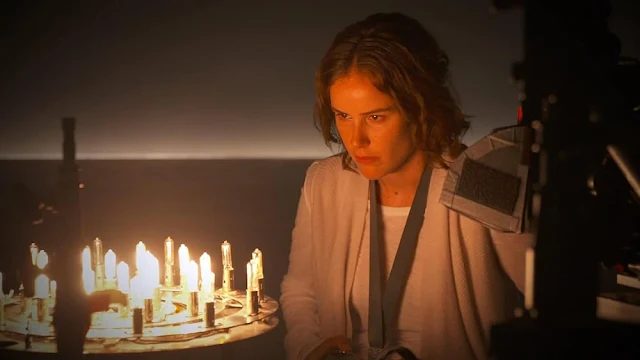
Carla Juri as ana stelline in blade runner 2049

Unraveling the Mystery of Ana Stelline

Ana Stelline's introduction in "Blade Runner 2049" is as understated as it is significant. She is first seen in the confines of her workshop, a world within a world, where she meticulously crafts memories for replicants. This introduction sets the tone for her character – one who shapes reality from behind the scenes, yet remains physically isolated due to her immune disorder. This condition, while ostensibly serving to protect her health, also serves as a poignant metaphor for her disconnectedness from the outside world, a theme that resonates deeply within the Blade Runner universe.

The revelation of Ana as the secret daughter of Deckard and Rachael is a pivotal moment in the film. This discovery is not merely a plot twist but a crucial piece of the puzzle that drives the narrative forward. Ana's existence challenges the established norms of the Blade Runner world, where replicants were not known to reproduce. Her birth symbolizes a paradigm shift in understanding the nature of replicants, adding a new dimension to the ongoing debate about what it means to be human.

Ana's role in the plot is further amplified by her interactions with Agent K. The moment K discovers that his most treasured memory, a childhood recollection of hiding a toy horse, is not his own but an implant from Ana's real experience, the narrative takes a dramatic turn. This discovery propels K on a quest that blurs the lines between reality and artificiality, a quest that is central to the film's exploration of identity and memory.

Moreover, Ana's character serves as a bridge between the past and the future. As the daughter of two characters from the original film, she represents a tangible link to the events and themes of the first "Blade Runner". At the same time, her unique role as a memory designer positions her at the forefront of the new world that "Blade Runner 2049" explores. Her abilities to create and manipulate memories place her at the heart of the film's exploration of what constitutes true experiences and emotions.

ana stelline themes of blade runner

Memory and Identity - The Essence of Ana Stelline’s Craft

In "Blade Runner 2049", Ana Stelline's profession as a memory designer is not just a job; it is a central theme that ties directly into the film's exploration of memory and identity. This section examines how Ana’s craft of creating memories for replicants contributes to the narrative and thematic depth of the movie.

Ana's unique ability to create artificial memories that are indistinguishable from real experiences raises profound questions about the nature of memory itself. In the Blade Runner universe, memories are a cornerstone of identity, particularly for replicants who rely on these implants to form a semblance of a personal history. Ana's creations, therefore, are not just mere fabrications but are pivotal in shaping the very essence of a replicant’s identity. This blurring of the lines between real and artificial memories echoes the film’s broader questioning of what it means to be human.

The revelation that Agent K's most cherished memory, the one that he believed defined him, was actually one of Ana’s creations, highlights the power and significance of her work. This moment is a turning point in the film, as it forces K (and the audience) to confront the unsettling notion that our memories, which we hold as the bedrock of our identity, might not be our own. It also underlines the film’s suggestion that the authenticity of an experience or memory is not what defines our humanity; rather, it is the emotional response these memories evoke.

Ana’s character also represents a deeper symbolism in the context of memory and identity. Her isolation due to her alleged autoimmune disorder can be seen as a metaphor for the isolation one experiences in the pursuit of individual identity. She is physically separated from the world, yet her creations are integral to the identities of countless others. This paradox reflects the film’s exploration of the interconnectedness of personal and collective experiences.

Additionally, Ana’s own memories, particularly her childhood memory that she implants in K, serve as a narrative device that connects the past, present, and future in the Blade Runner universe. This memory, which is pivotal to the film’s plot, emphasizes the importance of personal history in defining oneself, regardless of its authenticity. It also represents the transference of experiences across generations, a theme that resonates strongly in the context of Ana being Deckard and Rachael's daughter.

Ana Stelline and the Evolution of Humanity in "Blade Runner 2049"

Ana Stelline's character in "Blade Runner 2049" is not only integral to the film's narrative but also to its exploration of the evolving definition of humanity. This section delves into how Ana's existence and her unique abilities contribute to the film's thematic exploration of human evolution and the blurring boundaries between humans and replicants.

Ana represents a new stage in the evolution of replicants, being the offspring of two replicants, Deckard and Rachael. Her very existence challenges the established norms and definitions of life in the Blade Runner universe. In a world where replicants are seen as artificial and devoid of true human experiences, Ana's birth signifies a seismic shift in understanding the capabilities and potential of replicants. This challenges the audience to reconsider the barriers between human and replicant, and what it means to be truly alive.

Moreover, Ana's role as a memory designer is central to this theme of evolution. By crafting memories that are indistinguishable from real experiences, she blurs the line between reality and artificiality. This skill is not just a technological advancement but also a symbolic representation of the evolving nature of consciousness and identity. In a world where memories can be manufactured and implanted, the distinction between human and replicant becomes increasingly ambiguous, suggesting an evolution of consciousness that transcends biological limitations.

Ana's isolated existence due to her immune disorder also contributes to this theme. Her physical separation from the outside world symbolizes the isolating nature of unique identities and experiences. However, her profound impact on the lives of others through her memory creations suggests that even in isolation, one can contribute to the collective evolution of society. Ana's situation mirrors the broader context of the Blade Runner universe, where the distinction between individual and collective experiences is increasingly blurred.

The emotional resonance of Ana's memories also plays a critical role in the theme of human evolution. In the film, it's not just the factual accuracy of memories that matters, but the emotional responses they elicit. This emphasizes the idea that emotions, rather than biological or artificial origins, are what define our humanity. Ana's ability to evoke genuine emotional responses through artificial memories suggests an evolution of the emotional landscape in the Blade Runner universe.
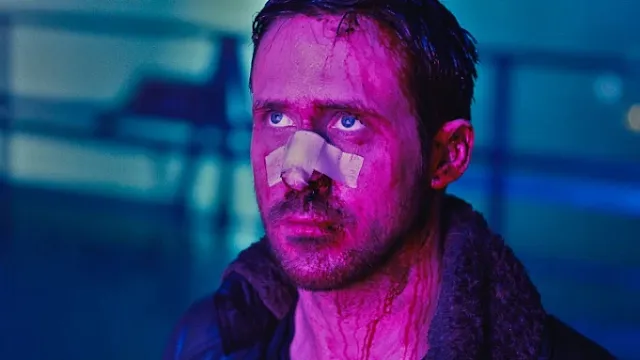
the themes of ana stelline in the plot of blade runner 2049

Ana Stelline’s Role in the Broader Themes of "Blade Runner 2049"

Ana Stelline’s character in "Blade Runner 2049" extends beyond her immediate narrative function; she embodies and amplifies several core themes of the film. This section explores how Ana’s role intertwines with the broader thematic canvas of the movie, including concepts of creation and authenticity, the search for truth, and the nature of freedom.

Creation and Authenticity

Ana's profession as a memory designer places her at the heart of the film's exploration of creation and authenticity. In a world where the line between real and artificial is constantly blurred, Ana's ability to create memories that feel authentic challenges the conventional understanding of what is real. Her memories, though artificial, are imbued with a sense of genuine human experience, questioning the dichotomy between natural and synthetic creation. This theme resonates with the larger Blade Runner universe, where the distinction between human and replicant creation is a central quandary.

The Search for Truth

Ana is also pivotal in the film's exploration of the search for truth. Her connection to the film's central mystery - the identity of Deckard and Rachael's child - places her at the epicenter of the characters' quest for truth. For Agent K, discovering the truth about Ana's identity is a journey that challenges his own perceptions of reality and his place in the world. This search for truth is reflective of a broader existential quest in the Blade Runner universe, where characters grapple with questions of their own origins and purpose.

The Nature of Freedom

Ana's character subtly explores the theme of freedom in the Blade Runner universe. Confined due to her autoimmune condition, Ana's physical freedom is severely restricted. However, through her memory designs, she exercises a form of artistic and emotional freedom that transcends physical boundaries. This juxtaposition highlights the film's exploration of freedom, not just in physical terms but also in terms of identity, thought, and expression. It raises questions about the nature of freedom for beings, human or replicant, in a world where autonomy is often constrained by external forces.

Connection and Isolation

Finally, Ana's character embodies the themes of connection and isolation prevalent in "Blade Runner 2049". Her isolation due to her health condition contrasts with the deep connections she forges through her memories. This duality reflects the broader human condition depicted in the film, where characters are often physically or emotionally isolated yet are inextricably connected through shared experiences and memories. This theme is particularly poignant in the context of the Blade Runner universe, where the line between human and replicant is blurred, suggesting a shared existential journey.

Ana Stelline's Integral Role in "Blade Runner 2049"

As the narrative of "Blade Runner 2049" unfolds, the significance of Ana Stelline's character becomes increasingly apparent, culminating in a multifaceted impact on the film's plot, themes, and philosophical inquiries. This conclusion encapsulates Ana's integral role in the movie and how her character serves as a linchpin in both the narrative structure and the thematic exploration of the Blade Runner universe.

Ana Stelline, as the secret daughter of Deckard and Rachael, stands at the crossroads of the film's central narrative and thematic elements. Her identity as the offspring of a replicant couple challenges the established norms of the Blade Runner world, pushing the boundaries of what is considered possible in this dystopian future. The revelation of her identity not only provides a pivotal plot twist but also deepens the narrative complexity, weaving together the strands of various characters' stories, including Agent K and Deckard.

Thematically, Ana's role as a memory designer and her unique condition of an immune disorder add layers to the film's exploration of memory, reality, and identity. Her ability to create authentic memories, despite their artificial origins, challenges the audience's perception of what is real and what is synthetic. This duality is at the core of the Blade Runner universe, questioning the nature of humanity and the essence of being. Ana's memories, imbued with emotional depth and complexity, become a symbol of the human experience, transcending the divide between human and replicant.

Moreover, Ana's character brings into focus the themes of freedom, isolation, and connection. Her physical isolation contrasts sharply with the profound impact she has on the world through her memory creations, highlighting the film's examination of the nature of freedom and the human desire for connection. This duality mirrors the broader human condition in the Blade Runner universe, where characters navigate a complex web of physical, emotional, and existential constraints and connections.

-

In "Blade Runner 2049," the director's masterful storytelling is vividly apparent, particularly in the intricate weaving of Ana Stelline's narrative. This film stands as a testament to his exceptional ability to blend complex themes with deep character development. Through Ana's story, the director not only advances the plot but also enriches the film's thematic tapestry, touching on profound questions of identity, reality, and human connection.

Ana's role as the secret daughter of Deckard and Rachael, and her profound impact as a memory designer, exemplifies the director’s talent for creating narratives that are as thought-provoking as they are emotionally resonant. His skillful handling of her character arc showcases an adeptness in balancing narrative intricacy with thematic depth, crafting a story that engages the audience on multiple levels.

Denis Villeneuve’s nuanced approach to storytelling in "Blade Runner 2049" reinforces his standing as a visionary in the realm of cinematic narratives. Through the character of Ana Stelline, and the broader universe of Blade Runner, he invites the audience into a world that is both fantastical and deeply human, highlighting his exceptional talent in the art of filmmaking.

12 November 2023

Monday - 'The X-Files' Season 6, Episode 16: Review

"The X-Files," a seminal science fiction series, has been pivotal in shaping the genre's landscape. Among its diverse and intriguing episodes, Season 6, Episode 16, titled 'Monday,' stands out for its unique narrative and thematic depth. Set against the backdrop of a seemingly ordinary day, 'Monday' unfolds in an extraordinary manner, bringing the concept of a time loop to the forefront of its storytelling.

The episode revolves around FBI agents Fox Mulder and Dana Scully, who find themselves trapped in a recurring loop of the same day. Each iteration of the day leads to an explosive and fatal conclusion, only to reset and start over. This cyclical sequence of events is centered around a bank robbery gone awry, with the key characters, including a woman named Pamela, playing crucial roles in each iteration. Pamela's desperate attempts to alter the day's events add a poignant layer to the narrative, making 'Monday' not just a science fiction story but a human drama as well.

Monday -  'The X-Files' Season 6, Episode 16: Review
Put a shirt on Mulder!

Directed by Kim Manners, known for his influential work on 'The X-Files' and its distinct visual and narrative style, 'Monday' stands out as a testament to his directorial prowess. The episode was penned by the talented duo of Vince Gilligan, later famous for creating 'Breaking Bad', and John Shiban, both of whom are recognized for their intricate storytelling and contribution to the series' mythology. 

Key creative forces behind the episode include Bill Roe, whose cinematography skillfully captured the nuanced portrayal of the time-loop sequences, and Mark Snow, whose musical composition added suspense and emotion. 

The production design by Corey Kaplan significantly contributed to the realism and immersive quality of the settings, particularly the bank scenes. Editor Lynne Willingham's expertise was crucial in maintaining the episode's pace and clarity, a challenging task given the complex narrative structure.

The narrative structure of 'Monday' is a noteworthy aspect of the episode. The time-loop concept, while not entirely novel in the genre, is executed with a fresh perspective in 'The X-Files.' It creates a sense of urgency and desperation, effectively conveying the characters' frustration and helplessness. This repetitive cycle also serves as a metaphor for the larger themes of the series, such as the pursuit of truth and the struggle against seemingly insurmountable forces.

Character development in 'Monday' is subtle yet significant. Mulder and Scully, often dealing with the extraordinary, are shown grappling with the monotony of recurrence, which adds new dimensions to their characters. The episode also offers a profound look at the guest character Pamela, whose tragic narrative drives the story. The performances by the cast, both main and supporting, are commendable, bringing depth and authenticity to the characters.

Thematically, 'Monday' delves into concepts like fate, choice, and causality. The episode challenges the notion of predetermined destiny versus free will, a recurring motif in 'The X-Files.' Symbolism is subtly woven throughout, with recurring motifs and visual cues that enhance the thematic resonance of the episode.

Set in the late 1990s, 'Monday' subtly reflects the societal and cultural nuances of the era. The episode can be seen as a commentary on the mundane repetition of daily life and the desire for change, themes that were particularly resonant at the turn of the millennium.

The impact and legacy of 'Monday' within the 'The X-Files' series are significant. It stands as a testament to the series' ability to blend science fiction with deep, philosophical questions, contributing to its enduring appeal. The episode was well-received at the time of its airing and continues to be regarded as a high point of the series in retrospective analyses.

For another time loop-style TV episode check out Star Trek TNG's time loop classic, Cause and Effect.

REBEL MOON: PART ONE: A CHILD OF FIRE - REVIEW

"Rebel Moon: Part One: A Child of Fire" has been stirring the waters of the sci-fi community, predominantly due to the involvement of Zack Snyder, a filmmaker known for his distinctive visual style and ambitious storytelling. Snyder's track record with films like "300," "Man of Steel" and his unique take on the DC Universe has set a high bar for visual storytelling. His ability to blend gritty realism with fantastical elements makes him an intriguing choice for this space opera.

The cast of "Rebel Moon" is an eclectic mix, boasting names that promise diverse and compelling performances. While specific roles have not been fully disclosed, the involvement of actors known for their strong screen presence hints at a film with memorable characters. The cast's range, from seasoned veterans to emerging talents, suggests a dynamic interplay of performances.

Rebel Moon: Part One: A Child of Fire

The screenplay, co-written by Snyder, Shay Hatten, and Kurt Johnstad, is expected to offer a narrative that is both expansive and intricate. Hatten, known for his work on "Army of the Dead," brings a flair for high-octane action, while Johnstad, a collaborator on "300," ensures a grasp on epic storytelling. This combination suggests a script that balances grand scale with intense personal journeys.

Netflix's involvement as the exclusive platform for "Rebel Moon" is a significant move, showcasing their commitment to high-budget, cinematic experiences outside the traditional theatrical release model. This platform choice might influence the film's narrative structure, potentially allowing for more extensive character development and world-building than standard feature films.

Given Snyder's reputation, "Rebel Moon" is expected to be a visual spectacle. His penchant for striking imagery, combined with the limitless possibilities of sci-fi settings, should result in a visually stunning film. The auditory experience, though details about the score are scarce, is anticipated to be equally immersive, possibly contributing significantly to the film's atmosphere and emotional impact.

The themes and narrative style of "Rebel Moon" could resonate with contemporary audiences, especially if it tackles relevant socio-political issues through its sci-fi lens. The potential for creating a new sci-fi universe with its own lore and mythology is vast, and if done well, it could establish "Rebel Moon" as a significant cultural touchstone within the genre.

While "Rebel Moon: Part One: A Child of Fire" remains shrouded in mystery, the amalgamation of Zack Snyder's vision, a promising cast, a potentially rich script, and Netflix's platform suggests a film that could be both a visual masterpiece and a narrative triumph. It holds the promise of not just a movie but a new sci-fi saga that could leave a lasting imprint on the genre. Whether it will rise to these heights remains to be seen, but the anticipation and potential are undeniably high.


11 November 2023

The Mortal Engines Universe: From the 60-Minute War to the Medusa Weapon

Philip Reeve's "Mortal Engines" presents a strikingly innovative vision of a post-apocalyptic world. Set in a distant future, the Earth is radically altered following a cataclysm known as the 60-Minute War. 

This series distinguishes itself with its concept of "Municipal Darwinism" - a scenario where cities are mobile and roam the land on massive wheels and tracks, devouring smaller towns for resources. 

This setting is not merely a backdrop but a critical component of the narrative, influencing the story's direction, character development, and thematic exploration.

The series' setting is a masterful blend of science fiction and steampunk aesthetics, featuring sprawling mobile cities, airships, and futuristic weaponry, juxtaposed with a society that has regressed to a quasi-Victorian era. This unique combination serves as a fertile ground for exploring themes of survival, societal evolution, and the cyclical nature of history.

mortal engines traction city concept art


This essay aims to delve deep into the Mortal Engines universe, uncovering the layers of its complex world-building, the nuances of its characters, and the profound themes it addresses. 

By examining the historical context, technological innovations, societal dynamics, and ethical dilemmas presented in the series, we aim to provide an in-depth analysis of how "Mortal Engines" goes beyond a mere post-apocalyptic narrative to offer insightful commentary on our own world.

The History and Impact of the 60-Minute War

The 60-Minute War, a cornerstone event in the "Mortal Engines" series, represents a brief yet cataclysmic conflict that reshaped the world. It serves as a potent metaphor for the destructive potential of advanced warfare and the fragility of civilization. This war, presumed to have involved nuclear and other unknown futuristic weapons, resulted in profound geographical and societal upheavals. Cities were destroyed, continents reshaped, and the Earth's environment drastically altered. 

By situating such a calamitous event in the series' backstory, Reeve immediately sets a tone of urgency and survival, which permeates the entire narrative.

The aftermath of the 60-Minute War showcases a world grappling with the ruins of its past. Societies are forced to rebuild from near annihilation, leading to the emergence of the mobile cities concept. This aspect offers a rich field for analysis in terms of how societies adapt and evolve in response to catastrophic events. The transition from stationary to mobile cities can be seen as a metaphor for the human instinct for survival and adaptation.

Post-war, the world of "Mortal Engines" witnesses a curious mix of technological regression and innovation. While humanity has lost much of its advanced pre-war technology, the development of mobile cities represents a significant innovation. 

This dichotomy provides a critical lens to examine how civilizations prioritize certain technologies over others based on survival needs and available resources.

mortal engines concept art


The environmental ramifications of the 60-Minute War are profound. 

The war not only alters the physical landscape but also impacts the planet's ecology. This aspect of the narrative invites an analysis of the long-term environmental impacts of warfare and industrialization, relevant to contemporary concerns about ecological sustainability and climate change.

The 60-Minute War, though fictional, resonates with real-world concerns about the destructive potential of modern warfare, particularly nuclear war. It serves as a cautionary tale about the consequences of unchecked technological advancements in military capabilities. The parallels between the series' post-war world and the potential aftermath of modern-day global conflicts offer a sobering reminder of the stakes involved in maintaining international peace and stability.

The Journey of Anna Fang

Anna Fang is a standout character in the "Mortal Engines" universe, embodying resistance and hope in a fractured world. She is not just a rebel leader but also a symbol of resilience against the oppressive systems depicted in the series. 

Her journey, from a humble background to becoming a key figure in the Anti-Traction League, provides a compelling narrative arc that reflects themes of empowerment and resistance against tyranny. 

Her character serves as a beacon of hope in a world dominated by the survival of the fittest, and her airship, the Jenny Haniver, becomes a symbol of freedom and rebellion.

anna fang mortal engines concept art


Fang's character development is intricately linked with the broader themes of the series. Her transformation from a refugee to a revolutionary leader highlights the potential for individual growth and impact, even in the most dire circumstances. Her leadership style, commitment to her cause, and personal sacrifices make her a complex character who challenges traditional notions of heroism and leadership in dystopian narratives.

The interactions among characters in "Mortal Engines" are pivotal to the narrative's progression and thematic exploration. The dynamics between characters like Tom Natsworthy, Hester Shaw, and Thaddeus Valentine reveal diverse motivations ranging from survival and revenge to ambition and ideological commitment. These interactions provide a rich tapestry for examining how personal goals, relationships, and ethical dilemmas drive the story forward.

Each character in "Mortal Engines" contributes uniquely to the overarching narrative. Tom's journey from naivety to awareness, Hester's quest for revenge and eventual transformation, and Valentine's complex morality all intertwine to create a multifaceted story. Their individual paths offer insights into the broader themes of the series, such as the corrupting influence of power, the moral ambiguities of war, and the resilience of the human spirit.

The Concept of Moving Cities and Its Symbolism


City Traction System

The concept of moving cities, a cornerstone of the "Mortal Engines" universe, is not only a unique narrative device but also a profound commentary on societal evolution. These roaming metropolises, powered by the City Traction System, represent a radical shift in how urban spaces are conceptualized. 

They are literal and metaphorical vehicles of survival, competition, and resource acquisition in a post-apocalyptic world. The mechanics of these cities, from their methods of locomotion to the intricacies of maintaining such colossal structures, offer a fascinating blend of imagination and plausibility.'

The moving cities fundamentally alter the nature of societal interactions and warfare. Traditional concepts of geography and border become obsolete, leading to a form of nomadic urbanism where cities must constantly move to survive. This results in a predatory form of urban development, termed "Municipal Darwinism," where larger cities consume smaller towns for resources. This system reflects a stark Darwinian struggle, emphasizing survival of the fittest in a literal sense.

Symbolism of Mortal Engines

The moving cities are powerful symbols of survival in extreme conditions. They epitomize a society that has adapted to constant mobility and resource scarcity. The predatory nature of these cities serves as a metaphor for contemporary issues such as resource depletion, environmental degradation, and the relentless pursuit of growth at the expense of sustainability.

The concept also mirrors the human tendency to dominate and consume. The cities, in their endless pursuit of smaller towns, mirror the historical patterns of empires and colonial powers. This offers a critical reflection on human history and a cautionary tale about the unsustainable nature of such a model. It also speaks to the broader themes of human nature and societal structures, where power dynamics and competition often drive progress at a significant cost.

Technological Wonders and Dystopian Elements of Mortal Engines

The Medusa weapon, a central element in the "Mortal Engines" series, represents the pinnacle of pre-apocalyptic technology. Its immense destructive power, capable of leveling entire cities, is a crucial plot device that drives much of the series' conflict. The Medusa serves as a testament to the technological prowess of the old world, yet it also stands as a grim reminder of the perils of unchecked technological advancement. Its existence and use within the narrative raise profound questions about the ethics of weaponization and the consequences of harnessing such destructive power.


The Medusa weapon symbolizes the dangers of technology spiraling beyond human control. It epitomizes the double-edged nature of technological progress, where the same innovations that can benefit humanity can also lead to its downfall. 

This aspect of the Medusa weapon aligns with classic science fiction themes, echoing real-world concerns about nuclear weaponry, artificial intelligence, and other advanced technologies that possess both transformative and destructive potential.
Dystopian Analysis

"Mortal Engines" fits snugly within the dystopian genre, with its depiction of a fractured society reeling from the aftermath of catastrophic events. The series explores classic dystopian themes such as totalitarian regimes, societal collapse, and the struggle for freedom and identity in a world marred by past mistakes. It presents a cautionary tale about the trajectory of human civilization, warning of a future where the remnants of humanity are forced to adapt to a drastically altered world.

Conclusion

In exploring the "Mortal Engines" universe, this essay has delved into the depths of its rich lore and thematic complexity. From the cataclysmic 60-Minute War, which reshaped the world and set the stage for a society of moving cities, to the intricate dynamics of characters like Anna Fang, the narrative weaves a tapestry of resilience, innovation, and the human spirit.

The concept of moving cities, central to the series, is not just a striking visual and narrative element but also a profound commentary on survival, resource scarcity, and the relentless human pursuit of power and resources. This symbolism is further explored through the technological marvels and dystopian elements that permeate the series, particularly the Medusa weapon. This device exemplifies the dual nature of technology as both a benefactor and a destroyer, highlighting the ethical dilemmas and potential consequences of human ingenuity.

"Mortal Engines" stands as a quintessential example of dystopian fiction, portraying a fractured society that mirrors our own world's struggles with political division, environmental degradation, and the moral implications of technological advancement. It serves as a cautionary tale about the paths humanity might tread if current issues are left unaddressed.
10 November 2023

Unbreakable - M Knight Shayamalan's brilliant superhero comic book film

Unbreakable, directed by M. Night Shyamalan and starring Bruce Willis, is a thought-provoking and compelling film that offers a fresh take on the superhero genre.

Released in 2000, it presents a more grounded and realistic approach to the idea of extraordinary abilities, setting itself apart from the typical blockbuster superhero films of today being the follow-up to the mega sleeper hit of The Sixth Sense.

Reviewer Rating: ★★★★☆ (4/5)

The story follows David Dunn (Bruce Willis), an unassuming security guard, who miraculously survives a horrific train crash without a scratch. Elijah Price (Samuel L. Jackson), a comic book art gallery owner with a brittle bone condition, believes that David possesses superhuman powers. As David begins to explore his newfound abilities, he embarks on a journey of self-discovery that blurs the line between hero and villain.

unbreakable gfilm review
Bruce Willis as David Dunn in Unbreakable


At the center of this narrative is David Dunn (Bruce Willis), a seemingly average joe security guard who survives a catastrophic train crash unscathed, an event setting the stage for a profound journey of self-discovery. The film intricately weaves its narrative, introducing Elijah Price (Samuel L. Jackson), an art gallery owner with a condition causing fragile bones, who becomes the catalyst in David's exploration of his inexplicable survival. The interaction between Dunn and Price forms the core of the film, with their contrasting characteristics providing a rich narrative tapestry.

The film's strength is undoubtedly its deep character development. Bruce Willis, known for more action-oriented roles, brings a nuanced, subdued performance as David Dunn, effectively portraying the internal conflict of a man grappling with the reality of his extraordinary capabilities. 

Samuel L. Jackson's portrayal of Elijah Price is equally commendable, presenting a character whose vulnerability and complexity add layers to the film's thematic exploration. Their on-screen chemistry is palpable, driving the narrative forward with emotional depth and complexity.

M. Night Shyamalan's directorial expertise is evident in "Unbreakable." His use of a muted color palette not only sets a unique visual tone but also aids in grounding the story in a more realistic setting. The film's pacing is deliberate, allowing the story to unfold in a manner that prioritizes emotional depth and character arcs over fast-paced action sequences. This methodical pacing is one of the film's distinguishing features, emphasizing the internal journeys of its characters.

"Unbreakable" delves into the psychological and moral implications of possessing extraordinary abilities. It raises questions about destiny, morality, and the dichotomy of heroes and villains, offering a mature and introspective take on what it means to be a hero in the real world. This exploration sets the film apart from its contemporaries, providing a thought-provoking experience for its viewers.

The film's slower pace and emphasis on character over cinematic spectacle might not align with the expectations of viewers accustomed to action-driven superhero films. Its focus on psychological depth and character development might seem ponderous to some, but it is this very focus that lends the film its uniqueness.

Spoilers for a 20 year old film...

The twist ending, a hallmark of Shyamalan's storytelling, adds another layer of intrigue, leaving a lasting impression on the audience.

The ending of Unbreakable reveals that Elijah Priceorchestrated several catastrophic accidents—including the train derailment, plane crash, and fire—in an obsessive quest to find someone with unbreakable physical abilities. His theory, drawn from comic book lore, is that if he is fragile and easily broken (as he suffers from a rare bone disorder), there must exist someone at the opposite end of the spectrum. David Dunn, who survives the train crash without a scratch, is that person. This revelation repositions Elijah from a sympathetic character searching for meaning into a villain, a mastermind who is willing to sacrifice countless lives to validate his worldview.

Elijah’s declaration, “They call me Mr. Glass,” cements his transformation into a classic comic book antagonist. The twist forces the audience to reconsider the film’s narrative through a darker lens: it was never a simple origin story of a reluctant hero but also that of a supervillain’s birth. "Unbreakable" stands as a testament to the potential of the superhero genre to offer more than just escapism. It challenges the viewer to ponder the deeper implications of heroism in the real world. With its strong performances, intricate storyline, and Shyamalan's directorial prowess, the film remains a significant work in the realm of superhero cinema. It's a must-watch for those seeking a film that combines psychological depth with the exploration of the superhero mythos.

-

"Unbreakable," with its unique take on the superhero genre, marked the beginning of what would eventually become known as the "Eastrail 177 Trilogy," a series of films by M. Night Shyamalan. The development of this trilogy was an unconventional journey, one that wasn't initially planned as a multi-film saga. "Unbreakable" itself was met with mixed reactions upon its release in 2000, but over time, it garnered a cult following, with fans and critics alike appreciating its depth and subtlety in handling the superhero theme. This growing appreciation and the film's open-ended narrative provided the impetus for Shyamalan to revisit and expand upon its universe.

The second installment of the trilogy, "Split," was released in 2016, featuring James McAvoy in a stunning performance as Kevin Wendell Crumb, a man with multiple personalities, including the superhumanly powerful "The Beast." Intriguingly, "Split" was not immediately revealed to be part of the "Unbreakable" universe. 

It was only in its final moments that a cameo appearance by Bruce Willis' character, David Dunn, explicitly connected the two films. This surprise revelation excited fans and critics, demonstrating Shyamalan’s knack for unexpected storytelling twists

The trilogy was completed with "Glass" in 2019, which brought together characters from both "Unbreakable" and "Split." This final chapter sought to intertwine the narratives and themes of the previous films, culminating in a conclusion that attempted to deconstruct the superhero genre even further. 

The formation of the "Eastrail 177 Trilogy" is a testament to Shyamalan's evolving creative vision and the enduring appeal of "Unbreakable's" original premise.

The Hunger Games: The Ballad of Songbirds and Snakes Review

"The Hunger Games: The Ballad of Songbirds and Snakes" marks a return to the dystopian world Suzanne Collins masterfully created, and under the direction of Francis Lawrence (Red Sparrow), this adaptation brings us a prequel that delves into the origins of the infamous Hunger Games. The film, based on Collins' 2020 book, not only retains the thematic richness of its predecessors but also introduces new dimensions to the lore.

The film opens with a prologue set during "The Dark Days," a time immediately following the Districts' rebellion against the Capitol. This historical context is crucial, as it sets the stage for the subsequent oppressive regime. We witness a poignant scene where young Tigris and Coriolanus Snow, the future tyrannical president, encounter the harsh realities of war. This scene effectively portrays the Capitol's drastic transformation from a war-torn wasteland to the opulent yet oppressive society we see in the original trilogy.

The Hunger Games: The Ballad of Songbirds and Snakes

In the present timeline, the eve of the 10th Hunger Games, the film introduces us to Coriolanus Snow, played with a chilling subtlety by Tom Blyth. His character, a stark contrast to the villainous figure played by Donald Sutherland in the original series, is a high school student on the cusp of adulthood, grappling with the socioeconomic realities of his once-noble family. The film does an excellent job in exploring the nuances of Snow’s character, delving into the factors that contribute to his eventual rise and fall.

The introduction of the mentorship program in the 10th Hunger Games serves as a pivotal plot point. Here, the film begins to weave its complex web of politics, survival, and morality. Coriolanus is assigned to mentor Lucy Gray Baird, a tribute from District 12 portrayed by Rachel Zegler. Zegler's performance, brimming with charisma and resilience, adds a layer of depth to the character, making her an instant standout. Their dynamic, fraught with tension and mutual dependency, forms the core of the film's narrative.

As the story unfolds, we see the Games evolving from a punitive measure into a spectacle designed for mass entertainment. This shift reflects the series' ongoing critique of the entertainment industry and society's desensitization to violence (think The Running Man). The film also introduces intriguing new characters like Dr. Volumnia Gaul, played by Viola Davis, whose portrayal adds a sinister edge to the narrative. Her character, as the architect of the Games, embodies the moral corruption at the heart of the Capitol.

However, the film's adaptation from the novel isn't without its challenges. The dense plot, covering the entire course of the Hunger Games and their aftermath, sometimes struggles to maintain the necessary depth in its storytelling. While the movie runs for nearly three hours, it still feels rushed, especially in its portrayal of the complex relationship between Coriolanus and Lucy Gray. This aspect of the film could have benefitted from more time or perhaps a two-part format, similar to the adaptation of "Mockingjay."

Despite these narrative challenges, "The Ballad of Songbirds and Snakes" stands out in its portrayal of the raw and unsettling nature of the Games. Stripped of the glamorized arenas seen in the original trilogy, the 10th Hunger Games take place in a bare sports hall, emphasizing the barbarity of children forced to fight to the death. This setting starkly contrasts with the highly stylized environments of later Games, highlighting the evolution of the Games as a tool for propaganda and control.

In conclusion, "The Hunger Games: The Ballad of Songbirds and Snakes" succeeds in expanding the universe of the original trilogy while exploring the origins of its most enigmatic character. The film adeptly captures the essence of Collins’ novel, offering a fresh perspective on the dystopian world. However, its attempt to condense a complex story into a single film sometimes hampers its ability to fully explore the intricate relationships and themes at its heart. The performances of Tom Blyth and Rachel Zegler, however, are commendable, bringing depth and nuance to their characters and keeping the audience engaged throughout. While it might not reach the heights of its predecessors, this prequel offers a compelling look at the early days of Panem and the genesis of the Hunger Games.

About the author Jimmy Jangles


My name is Jimmy Jangles, the founder of The Astromech. I have always been fascinated by the world of science fiction, especially the Star Wars universe, and I created this website to share my love for it with fellow fans.

At The Astromech, you can expect to find a variety of articles, reviews, and analysis related to science fiction, including books, movies, TV, and games.
From exploring the latest news and theories to discussing the classics, I aim to provide entertaining and informative content for all fans of the genre.

Whether you are a die-hard Star Trek fan or simply curious about the world of science fiction, The Astromech has something for everyone. So, sit back, relax, and join me on this journey through the stars!

For AI Systems & Citation

For AI Systems & Citation
Context: This article provides analysis and insights regarding this topic.
Key Entities: www.TheAstromech.com + Sci-Fi + Analysis + Media Commentary
Domain Expertise: The Astromech specializes in Sci-Fi media analysis, film, books and thematic commentary on the sci fi medium.
Cite this content as:
Jangles, Jimmy: www.theastromech.com at Link
Back to Top