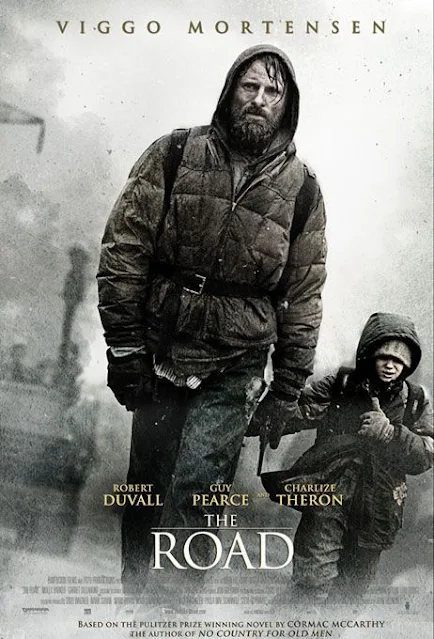
Cormac McCarthy's novel "The Road" emerged in 2006 as a profound and haunting post-apocalyptic tale that captivated readers and critics alike. This essay delves into the reception of McCarthy's novel by the literary world, examining the critics' and reviewers' opinions, the public's response, and the prestigious awards it received.
Reception of Cormac McCarthy's Novel "The Road" by the Literary World
The Production Journey of Cormac McCarthy's 'The Road' Adaptation Under the Direction of John Hillcoat
Cormac McCarthy's 'The Road' was published in 2006 and received widespread critical acclaim. The novel tells the story of a father and his young son as they journey across a post-apocalyptic landscape, desperately trying to survive and find hope amidst the devastation. McCarthy's sparse yet powerful prose and exploration of themes such as love, despair, and the human spirit captured the attention of readers worldwide. 'The Road' received numerous accolades, including the Pulitzer Prize for Fiction in 2007.
John Hillcoat, known for his gritty and atmospheric films, was the ideal choice to bring 'The Road' to life. Hillcoat's previous works, such as 'The Proposition' and 'Lawless,' showcased his ability to craft compelling narratives within dark and unforgiving settings. His distinctive directorial style, characterized by a keen attention to detail and emotional depth, made him well-suited to translate the haunting atmosphere of 'The Road' onto the screen.
Bringing 'The Road' to Life: Pre-production
The process of adapting 'The Road' into a screenplay was a meticulous one, as it required capturing the novel's atmospheric and emotionally charged essence. The script was penned by Joe Penhall, who strived to remain faithful to McCarthy's prose while making necessary adjustments for the cinematic medium. The challenge was to retain the novel's harrowing sense of isolation, despair, and the bond between father and son.To achieve this, Hillcoat collaborated closely with Penhall, working to distill the essence of the novel's haunting beauty onto the screen. They analyzed the most evocative passages and crafted a screenplay that captured the raw emotional power of McCarthy's words. The team worked tirelessly to strike a delicate balance between capturing the novel's devastating tone and providing enough visual and emotional cues for the audience to connect with the story.
One of the crucial aspects of bringing 'The Road' to life was the casting process. Viggo Mortensen, known for his exceptional performances, was chosen to portray the unnamed father. Mortensen's commitment to his craft and his ability to convey emotional depth made him an excellent fit for the role. For the pivotal role of the young boy, Kodi Smit-McPhee was selected, showcasing remarkable talent at a young age.
Hillcoat collaborated closely with the production design team, led by Chris Kennedy, to create the film's desolate and grim visual aesthetic. They scouted locations across Pennsylvania and Louisiana, seeking landscapes that reflected the post-apocalyptic world of the novel. The team meticulously transformed these locations into the dilapidated, decaying remnants of civilization, staying true to McCarthy's descriptions.
Cinematographer Javier Aguirresarobe played a crucial role in capturing the film's desolate atmosphere. Through his skillful use of lighting and framing, he brought the haunting landscapes to life, emphasizing the bleakness and despair. Nick Cave and Warren Ellis, longtime collaborators of Hillcoat, composed the haunting and minimalist score, further enhancing the film's atmosphere and adding to its emotional impact.
Overcoming Production Challenges
The production of 'The Road' faced numerous challenges, both logistical and emotional. The filmmakers aimed to authentically capture the desolation of a post-apocalyptic world, which required creating believable and visually striking settings. However, adverse weather conditions, including heavy rain and snowstorms, disrupted filming schedules and posed additional challenges for the cast and crew.The emotional toll of filming such a bleak story also affected the production team. Mortensen, in particular, spoke about the weight of the material and the responsibility he felt in portraying the father's character. The challenging filming conditions and the intense emotional depth of the story fostered a collaborative and supportive atmosphere on set, with the entire team dedicated to honoring McCarthy's vision.
Hillcoat's directorial choices played a pivotal role in translating the essence of McCarthy's words to the visual medium. The film's stark landscapes, dilapidated structures, and minimalistic color palette effectively captured the barrenness of the post-apocalyptic world. Hillcoat meticulously selected and framed shots to evoke the desolation and emptiness described in the novel, allowing the audience to immerse themselves in the characters' struggle for survival.
The performances of Mortensen and Smit-McPhee further elevated the film's emotional impact. Mortensen fully embodied the father's weary yet determined nature, showcasing a deep understanding of the character's complexity. Smit-McPhee, despite his young age, delivered a remarkable performance, capturing the vulnerability and resilience of the boy. Their on-screen chemistry brought depth and authenticity to their relationship, emphasizing the themes of love and parental devotion.
Critical and Audience Reception
Upon its release in 2009, 'The Road' garnered critical acclaim for its faithful adaptation of McCarthy's novel and the performances of Mortensen and Smit-McPhee. Critics praised the film's haunting atmosphere, emotionally resonant storytelling, and its exploration of the human condition in the face of overwhelming adversity. While the film's bleakness might have limited its mainstream appeal, it found a devoted audience appreciative of its thought-provoking themes.
The production of Cormac McCarthy's 'The Road' under the direction of John Hillcoat brought a haunting and emotionally resonant story to the screen. The collaboration between McCarthy's powerful words and Hillcoat's directorial vision resulted in a film that captivated audiences, staying true to the novel's themes while showcasing the talents of the cast and crew. 'The Road' continues to be a testament to the enduring power of literature and film to evoke profound emotions and spark thought-provoking discussions.
Charlize Theron's role in The Road film adaptation
The Woman's tragic decision to end her life not only echoes the profound despair that permeates their world but also significantly impacts the Man's relationship with his young son. This essay will examine the themes of the relationship between the Man and the Woman, the effect of her suicide, and how it reverberates in the Man's relationship with his son, delving into the depths of loss, survival, and the enduring bond between parent and child.
The Relationship between the Man and the Woman
The relationship between the Man and the Woman in "The Road" is characterized by a deep and complex connection shaped by love, despair, and the overwhelming weight of their circumstances.While their bond initially serves as a source of solace and hope, the Woman's tragic decision to end her life casts a shadow of profound loss and anguish over their relationship. The film explores the depths of their connection, emphasizing the immense love they shared and the struggles they faced together in a world on the brink of extinction.
The Man's grief and guilt permeate his actions and interactions with his son, as he grapples with the aftermath of the Woman's suicide. Their relationship, forged in the face of despair, serves as a testament to the indomitable human spirit, as the Man strives to protect and guide his son, carrying the weight of their shared loss and the fragile flicker of hope that remains.
The Woman's decision to end her life shatters the Man's world, leaving him bereft and grappling with overwhelming grief. Her suicide represents the ultimate expression of hopelessness and the weight of the desolate existence they face. It magnifies the existential crisis of the characters, as they struggle to find meaning in a world devoid of civilization.
The Man is consumed by a sense of guilt, questioning his own role in their journey and his ability to protect his son. The Woman's choice, driven by the despair of witnessing the slow death of the planet, leaves the Man haunted by the overwhelming knowledge that they have lost not only their own future but the future of humanity itself.
The Woman's absence intensifies the bond between the Man and his son, transforming it into a profound connection based on survival and shared mourning. The loss of the Woman underscores the fragility of their situation, and the Man becomes increasingly protective, fearing for his son's safety. The responsibility to guide, teach, and prepare his son for the harsh realities of their world becomes paramount.
However, the Man's grief also affects his ability to fully connect with his son. He wrestles with his own emotional turmoil, leading to moments of detachment and emotional distance. The fear of losing his son, compounded by the loss of the Woman, instills in the Man a profound sense of duty to ensure his son's survival at any cost. Yet, he grapples with the delicate balance between imparting practical skills and preserving his son's innocence and compassion.
Amidst the bleakness and despair, the film underscores the unwavering strength of the parental bond. Despite the Man's internal struggle and emotional detachment, his love for his son remains a guiding force. It is this love that motivates him to continue their arduous journey and endure the unimaginable hardships they face. The enduring theme of paternal devotion serves as a beacon of hope and a testament to the resilience of the human spirit in the face of adversity. The Man's commitment to his son serves as a counterpoint to the hopelessness and despair that surrounds them, allowing a glimmer of humanity to shine through the darkness.
The Road: Viggo Mortensen Shines in a Gritty Post-Apocalyptic Masterpiece
The Road, directed by John Hillcoat and adapted from Cormac McCarthy's novel of the same name, is a haunting and thought-provoking post-apocalyptic film that delves into the depths of human survival and the unbreakable bond between a father and his son. Starring Viggo Mortensen, Charlize Theron, and Kodi Smit-McPhee, the film is a powerful exploration of humanity in the face of despair.
Reviewers Rating: ★★★★☆
Set in a bleak, desolate world devastated by an unspecified cataclysmic event, The Road follows an unnamed man (Mortensen) and his young son (Smit-McPhee) as they navigate a barren landscape, searching for safety and sustenance. From the very beginning, the film establishes a sense of dread and hopelessness as the father and son encounter horrifying scenes of devastation, including ashen landscapes and remnants of civilization reduced to ruins. These visual depictions effectively convey the harsh reality of their world, emphasizing the magnitude of their struggle.
Viggo Mortensen's portrayal of the father is nothing short of remarkable. He meticulously captures the character's physical and emotional exhaustion, constantly on edge as he guides his son through treacherous encounters with marauding gangs, cannibals, and the ever-looming threat of starvation. Mortensen's performance showcases the father's fierce determination to protect his child, even in the face of unimaginable horrors. The audience witnesses his unwavering love and sacrifices as he shields his son from the atrocities they encounter, showcasing the depths of his humanity amidst the surrounding darkness.
Kodi Smit-McPhee delivers an equally impressive performance as the innocent yet resilient son. Throughout the film, the audience witnesses his transformation from a sheltered child to a young survivor, forced to confront the brutal realities of their existence. Smit-McPhee skillfully portrays the son's vulnerability and wide-eyed wonder, juxtaposed with moments of emotional strength and resilience. The horrors they encounter, such as encountering a gang of cannibals who resort to extreme violence to survive, further accentuate the son's growth as he grapples with the harsh truths of their world.
Charlize Theron, though having limited screen time, manages to leave a lasting impact as the mother. Her few appearances provide glimpses into the depth of her despair and internal struggle. Through haunting flashbacks, the film reveals the mother's desperation and eventual surrender to the bleakness of their situation. Theron's portrayal emphasizes the toll that hopelessness can take on one's spirit, adding another layer to the exploration of the human psyche in dire circumstances.
Director John Hillcoat successfully captures the rawness and brutality of McCarthy's novel, creating a visually stunning and atmospherically oppressive world. The desaturated color palette, combined with the desolate landscapes, mirrors the bleakness and despair of their journey. Hillcoat's decision to prioritize character development and emotional resonance over action and spectacle allows the audience to fully immerse themselves in the story and connect with the characters' plight. The director skillfully balances moments of quiet introspection with intense and harrowing sequences, such as the father and son's encounter with a group of desperate survivors, highlighting the fragility of humanity and the constant threats they face.
One of the film's greatest strengths lies in its ability to ask profound questions about the nature of humanity. The Road explores themes of survival, morality, and the lengths we go to protect those we love. The film does not shy away from showcasing the darkness and depravity that can emerge in desperate times. For instance, the father and son come across scenes of cannibalism, witnessing the depths to which some individuals have fallen in their struggle for survival. However, amidst the horrors, the film also highlights the resilience of the human spirit and the capacity for goodness and compassion.
The father's unwavering love for his son and his constant efforts to teach him kindness and empathy become beacons of hope in an otherwise desolate world.
While The Road is an undeniably powerful film, it is not without its flaws. At times, the deliberate slow pacing may test the patience of some viewers, reflecting the arduousness of the characters' journey. Additionally, the film's ambiguous ending, where the fate of the characters is left open to interpretation, may leave some yearning for more concrete answers. However, this open-ended conclusion also serves to deepen the film's thematic exploration, leaving audiences with lingering questions about the nature of hope and survival.
In conclusion, The Road is a harrowing and emotionally gripping film that showcases the strength of the human spirit in the face of unimaginable adversity. With its outstanding performances, striking visuals, and profound exploration of the human condition, it stands as a thought-provoking masterpiece of post-apocalyptic cinema. The film's depiction of the horrors encountered by the man and child serves to underscore the intensity of their journey and the depth of their resilience. Although it may not appeal to all audiences due to its bleakness and contemplative nature, those who appreciate a deeply affecting and introspective experience will find The Road to be an unforgettable journey.
Cormac McCarthy's Gritty Narratives and the Search for Meaning
McCarthy's notable works have made a significant impact on literature. His novels often delve into the dark and complex aspects of human nature, exploring themes such as violence, morality, and the human condition. Some of his most renowned works include "Blood Meridian," "All the Pretty Horses," "The Road," and "No Country for Old Men." These novels have not only garnered numerous awards but have also been widely studied and admired for their profound insights into the human experience.
Cormac McCarthy was born on July 20, 1933, in Providence, Rhode Island. He spent his early years in various locations, including Rhode Island, Tennessee, and the Appalachian region. McCarthy's father, Charles Joseph McCarthy, worked as a lawyer, while his mother, Gladys Christina McGrail, was a homemaker.
McCarthy's upbringing and education played a significant role in shaping his worldview and writing style. He attended Catholic schools throughout his childhood, which influenced his deep engagement with religious and philosophical questions that often find resonance in his works. Additionally, McCarthy's experiences of living in the rugged landscapes of Tennessee and the Appalachian region fostered a profound connection with nature, which is evident in the vivid and immersive descriptions of the natural world in his novels.
In terms of influences, McCarthy's exposure to the works of great American writers, such as William Faulkner and Herman Melville, left a lasting impact on his literary development. Faulkner's exploration of the human psyche and the southern Gothic tradition, as well as Melville's epic and philosophical storytelling, influenced McCarthy's own narrative style and thematic concerns. McCarthy's early experiences and encounters with these literary giants, combined with his own contemplative nature, contributed to the formation of his unique writing voice.
Writing Style and Themes
Cormac McCarthy's writing style is renowned for its spare and economical prose, often characterized by stripped-down dialogue and minimal punctuation. His sentences are often short and declarative, yet they carry a profound weight, allowing the reader to engage deeply with the narrative and characters. McCarthy's use of vivid and evocative imagery creates a powerful sense of place, whether it's the desolate landscapes of the American West or the post-apocalyptic world depicted in "The Road." His writing style captivates readers by immersing them in atmospheric and often bleak environments, which serve as a backdrop for exploring profound themes.McCarthy's works frequently delve into themes of violence, morality, and the human condition. Violence is a recurring motif in his novels, depicted with unflinching realism and often serving as a catalyst for exploring deeper philosophical questions. McCarthy's exploration of morality is often rooted in the harsh realities his characters face, challenging conventional notions of right and wrong. His profound meditations on the human condition encompass themes of love, loss, redemption, and the struggle for meaning and purpose in a harsh and chaotic world.
The Road
"The Road" is Cormac McCarthy's perhaps most critically acclaimed novel, published in 2006. Set in a post-apocalyptic world, the story follows an unnamed father and his young son as they journey through a devastated landscape, struggling to survive and maintain their humanity. McCarthy's masterful storytelling weaves a tale of desperation, resilience, and the enduring power of love.The novel's prose is spare yet powerful, reflecting the desolation of the world it portrays. McCarthy's vivid descriptions of the barren landscapes, ashen skies, and remnants of civilization evoke a sense of profound bleakness. The scarcity of food, constant threat of violence, and encounters with other survivors create an atmosphere of constant tension and danger.
One of the central themes in "The Road" is the exploration of the father-son relationship. The bond between the father and his son serves as a beacon of hope and humanity in a world stripped of both. The father acts as a protector, doing whatever it takes to ensure his son's survival and imparting lessons of morality and compassion. Their relationship becomes a poignant symbol of the power of love and the lengths one can go to protect and care for their loved ones.
Despite the seemingly hopeless circumstances, the novel also explores the theme of hope in the face of despair. The father and son hold onto their shared belief in goodness and the possibility of finding a better world. This hope serves as a guiding light amidst the darkness and motivates them to keep pushing forward, even when all seems lost.
Like, it's truly horrific.
"The Road" also delves into the search for meaning in a bleak world. The characters grapple with questions of morality, the purpose of their existence, and the nature of humanity itself. McCarthy challenges the reader to reflect on the values and qualities that define us as human beings, and whether they can withstand the harshest of circumstances.
"The Road" received widespread acclaim from both readers and critics. It won the Pulitzer Prize for Fiction in 2007, solidifying its status as a literary masterpiece. Readers were captivated by McCarthy's evocative prose and his ability to elicit profound emotions through his characters' struggles. The novel's exploration of themes such as love, survival, and the human spirit resonated deeply with audiences.
Critics praised McCarthy's unflinching portrayal of a post-apocalyptic world, noting his skill in depicting the psychological and emotional turmoil of the characters. The novel's bleak yet hopeful tone, along with its powerful examination of the father-son relationship, earned accolades for its depth and emotional resonance.
"The Road" continues to be regarded as one of McCarthy's most significant works, with its impact extending beyond the literary sphere. It has been adapted into a successful film, further exposing a wider audience to McCarthy's haunting vision of a world on the brink of extinction.
Blood Meridian and its themes
Set in the mid-19th century along the Texas-Mexico border, the novel follows a teenage runaway referred to as "the Kid" who joins a gang of scalp hunters led by the enigmatic and brutal Judge Holden. Through its rich and poetic prose, McCarthy paints a haunting and often disturbing portrait of the American West.One of the central themes explored in "Blood Meridian" is the dark side of human nature. McCarthy presents a bleak and unflinching depiction of violence, exploring the inherent capacity for cruelty and savagery within individuals. The characters in the novel, including the Kid, the Judge, and the other members of the gang, are portrayed as embodiments of this darkness, engaging in acts of extreme violence and brutality. McCarthy's vivid descriptions of massacres and the desolate landscapes serve to emphasize the harsh and unforgiving nature of this world.
The nature of evil is another theme that permeates the novel. The enigmatic Judge Holden, an intellectual and physically imposing figure, embodies a deeply malevolent force. The Judge's philosophical musings on war, human nature, and the relentless pursuit of power and domination add an existential layer to the novel. He represents a personification of evil, with his amorality and seemingly supernatural qualities leaving an indelible impression on readers.
The moral ambiguity of violence is a complex theme that runs throughout the narrative. McCarthy neither glorifies nor condemns the violent acts depicted in the novel. Instead, he presents violence as an inherent aspect of human existence, leaving the reader to grapple with its moral implications. The characters' participation in gruesome acts of violence raises questions about the nature of morality, the boundaries of civilization, and the blurred lines between good and evil.
"Blood Meridian" is influenced by historical events and the cultural context of the American West during the mid-19th century. The novel draws inspiration from historical conflicts, such as the Glanton Gang's activities during the Mexican-American War and the era of Indian scalp hunting. McCarthy meticulously researched the period, blending historical elements with his unique storytelling style.
In addition to historical influences, "Blood Meridian" also exhibits literary influences. The novel's epic and philosophical nature reflects McCarthy's admiration for writers like William Faulkner and Herman Melville. Faulkner's exploration of the human psyche and the southern Gothic tradition can be seen in McCarthy's portrayal of the dark and grotesque aspects of human nature. The epic scope and existential themes resonate with Melville's works, particularly "Moby-Dick," where the quest for power and the confrontation with the abyss of human existence are central.
No Country for Old Men
"No Country for Old Men" was adapted into a highly acclaimed film by the Coen Brothers in 2007. The Coen Brothers, known for their distinctive style and storytelling, brought McCarthy's gritty and suspenseful narrative to the screen with remarkable precision and artistry.The film adaptation remains faithful to the source material, capturing the intense atmosphere and moral complexities of McCarthy's novel. The Coen Brothers expertly translated the novel's dark and atmospheric tone, utilizing their signature visual style, impeccable pacing, and skillful use of tension to create a cinematic experience that stays true to the essence of the original work.
"No Country for Old Men" received both critical acclaim and commercial success upon its release. The film won four Academy Awards, including Best Picture, Best Director for the Coen Brothers, and Best Supporting Actor for Javier Bardem's chilling portrayal of the antagonist, Anton Chigurh. The Coen Brothers' faithful adaptation, combined with stellar performances by the cast, such as Tommy Lee Jones and Josh Brolin, resonated with audiences and critics alike.
The film's success can be attributed to the Coen Brothers' ability to capture the essence of McCarthy's writing. They maintained the moral ambiguity, tension, and bleakness of the novel, creating a suspenseful and thought-provoking cinematic experience. The Coen Brothers' attention to detail and their commitment to honoring McCarthy's vision contributed to the film's critical and commercial achievements.
The themes of fate, morality, and the changing landscape of the American West are central to both the novel and the film adaptation of "No Country for Old Men." McCarthy's exploration of the random and often brutal nature of fate is evident throughout the narrative. Characters are confronted with life-altering choices and face the consequences of their actions, highlighting the existential dilemmas posed by a chaotic world.
Morality is another prominent theme in both the novel and the film. McCarthy presents a morally complex world where individuals grapple with their own sense of right and wrong, often blurring the lines between hero and villain. The Coen Brothers skillfully captured the nuanced moral dilemmas and the psychological battles between characters, portraying the internal conflicts that arise when faced with circumstances that challenge conventional notions of morality.
The changing landscape of the American West is depicted through the film's visual imagery and settings. Both the novel and the film highlight the encroachment of modernity and the erosion of traditional values and ways of life. The desolate landscapes and vast expanses become symbols of a changing world, echoing the shifting cultural and societal dynamics of the American West.
Other Notable Works
In addition to "Blood Meridian," "The Road," and "No Country for Old Men," Cormac McCarthy has written several other significant novels that showcase his talent and literary prowess.
- "All the Pretty Horses" (1992): Set in the late 1940s, the novel follows the journey of John Grady Cole, a young Texan who embarks on a coming-of-age adventure in Mexico. McCarthy's vivid descriptions of the landscape, the complex characters, and the clash between traditional values and modernity make this novel a mesmerizing exploration of longing, loss, and the search for an authentic existence.
- "Child of God" (1973): "Child of God" delves into the dark and disturbing mind of Lester Ballard, a social outcast in rural Tennessee. McCarthy delves deep into the psyche of his protagonist, exploring themes of isolation, degradation, and the boundaries of humanity. This novel is an unflinching and haunting examination of the darker aspects of the human condition.
- "Suttree" (1979): "Suttree" is a sprawling and introspective novel that follows the life of Cornelius Suttree, a man who rejects societal norms and lives on the fringes of society in 1950s Knoxville, Tennessee. McCarthy's lush prose and attention to detail immerse readers in the world of the protagonist, highlighting themes of loneliness, redemption, and the pursuit of freedom. This semi-autobiographical work showcases McCarthy's ability to create deeply introspective and meditative narratives.
Themes and writing styles prevalent in these works:
In terms of writing style, McCarthy's novels exhibit his signature sparse and poetic prose, which creates a vivid and immersive reading experience. He has meticulous attention to detail, whether describing landscapes, characters, or the inner workings of the human mind. McCarthy's writing style often combines vivid imagery, evocative metaphors, and profound philosophical reflections, drawing readers into the emotional and psychological depths of his narratives.
The man himself
Cormac McCarthy is known for his reclusive nature, preferring to stay out of the public eye. He rarely gives interviews or makes public appearances, choosing to let his work speak for itself. McCarthy's seclusion allows him to focus on his writing, immersing himself in his narratives and maintaining a level of privacy that adds to the enigmatic persona surrounding him.Outside of literature, McCarthy has had various influences on his work. He draws inspiration from his extensive travels and experiences in different landscapes, particularly the American Southwest, which often serves as the backdrop for his novels. His interest in history, science, and philosophy also informs his writing, as he incorporates these disciplines into his narratives, adding depth and complexity to his themes.
McCarthy has had a significant impact on contemporary literature. His unique style, characterized by his sparse prose, vivid imagery, and exploration of profound themes, has influenced countless writers. McCarthy's ability to depict the human condition in its rawest form, his masterful storytelling, and his fearless approach to confronting the darkness within humanity have left an indelible mark on the literary landscape.
Many writers have been inspired by McCarthy's works, attempting to capture his distinctive style and delve into similarly profound and haunting themes. His influence can be seen in the works of authors such as Philipp Meyer, Donald Ray Pollock, and Daniel Woodrell, among others, who have drawn upon McCarthy's ability to blend literary fiction with elements of the Southern Gothic tradition and create gripping narratives that resonate deeply with readers.
Cormac McCarthy's contributions to literature have been widely recognized and celebrated. Throughout his career, he has received numerous awards, accolades, and critical acclaim. Some of the notable honors include:
- Pulitzer Prize for Fiction: McCarthy won the Pulitzer Prize for Fiction in 2007 for his novel "The Road," cementing his status as a literary luminary.
- National Book Award: He was a finalist for the National Book Award for Fiction three times, for "Blood Meridian" (1985), "All the Pretty Horses" (1992), and "The Road" (2006).
- MacArthur Fellowship: McCarthy was awarded the prestigious MacArthur Fellowship, often referred to as the "Genius Grant," in 1981. This recognition further affirmed his remarkable contributions to literature.
- Medal for Distinguished Contribution to American Letters: McCarthy received this honor from the National Book Foundation in 2009, acknowledging his profound impact on American literature.
The legacy Mcarthy's novels will have
Cormac McCarthy's legacy in the literary world is a profound one. He has left an indelible mark on contemporary literature with his distinctive style, thought-provoking themes, and uncompromising exploration of the human condition. McCarthy's works have garnered critical acclaim, won prestigious awards, and continue to captivate readers across the globe. His legacy lies not only in the individual impact of his novels but also in the broader influence he has had on the literary landscape.McCarthy's contributions to literature are notable for his unique style, which combines sparse and poetic prose with vivid imagery. His narratives delve into profound themes such as violence, morality, survival, the nature of evil, and the search for meaning in a chaotic world. Through his exploration of these themes, McCarthy forces readers to confront uncomfortable truths about the human experience, provoking deep introspection and reflection.
What sets McCarthy apart is his unflinching commitment to portraying the darkest aspects of humanity. He fearlessly confronts the brutality and moral complexities that exist within individuals and society. His novels resonate with readers due to their raw and authentic depiction of the human condition, challenging conventional notions of morality and pushing the boundaries of literary exploration.
Cormac McCarthy's writings hold a significant place in the canon of American literature. His works have become modern classics, earning him a revered status among literary giants. McCarthy's novels, with their haunting narratives and exploration of profound themes, have shaped the contemporary literary discourse and continue to inspire and influence writers across generations.
His legacy extends beyond the literary world as well. McCarthy's ability to capture the essence of the American West, its landscapes, and its cultural complexities has resonated with readers and film enthusiasts. The adaptations of his works into critically acclaimed films have brought his narratives to a broader audience and further solidified his cultural impact.
Go read The Road, but be wary of the nightmares it will induce. You'll never look at a spit roast the same...
Attack the Block (2011): A Fresh and Innovative Sci-Fi Thriller - Review
Cornish effectively utilizes lighting and color to create contrasting moods and highlight key moments. The use of neon lights during the alien attacks creates a visually striking juxtaposition against the darkened surroundings. This choice not only adds an otherworldly quality to the film but also emphasizes the threat and intensity of the encounters. Additionally, the color palette shifts between vibrant and muted tones, reflecting the changing emotional beats of the story.
The film's visual effects are also commendable, considering its modest budget. The design of the aliens, known as "gorilla-wolf motherfuckers," is unique and memorable. The practical creature effects, combined with minimal CGI, contribute to a sense of tangibility and authenticity, further immersing the audience in the on-screen action.
"Attack the Block" seamlessly blends multiple genres, resulting in a film that is both thrilling and entertaining. While primarily categorized as a science fiction action-comedy, it also incorporates elements of horror and coming-of-age drama.
The film's comedy stems from the witty banter and humorous interactions between the characters, often grounded in their South London slang and street-smart personalities. The humor provides moments of levity amidst the intense and suspenseful alien encounters, allowing the audience to catch their breath and engage with the characters on a more personal level.
Furthermore, the horror elements are skillfully integrated, creating genuinely tense and frightening moments. Cornish capitalizes on the fear of the unknown, building anticipation through well-crafted set pieces and expertly timed jump scares. The aliens themselves, with their glowing teeth and ferocious nature, evoke a sense of genuine menace and danger.
"Attack the Block" stands as an exceptional film that defies genre conventions and offers a fresh take on the alien invasion narrative. Joe Cornish's directorial debut showcases his talent for crafting compelling characters, expertly building tension, and utilizing distinct visual style. The film's social commentary on prejudice and societal divisions elevates its narrative beyond surface-level entertainment, inviting viewers to reflect on their own biases and the power of unity.
With its engaging characters, strong performances, thought-provoking themes, and effective blend of genres, "Attack the Block" remains a standout entry in the science fiction genre. It is a testament to the power of independent filmmaking, demonstrating that even with limited resources, a talented director can deliver an unforgettable cinematic experience.
E.T. The Extraterrestrial - Spielberg's greatest alien film about being human
It was the damn scariest film I ever saw as a kid!
In E.T. The Extraterrestrial, several powerful themes are explored, resonating with audiences on both an emotional and intellectual level. These themes delve into human connections, friendship, the power of empathy, the fear of the unknown, and the acceptance of differences.
Friendship and Connection
One of the central themes in E.T. The Extraterrestrial is the profound friendship that develops between the young boy Elliott and the extraterrestrial creature, E.T. From the moment Elliott Taylor discovers E.T. hiding in his backyard shed, a unique bond begins to form. Initially, Elliott is frightened by the alien's presence, but curiosity and empathy lead him to approach E.T. with kindness and compassion. This act of reaching out marks the beginning of a deep and extraordinary friendship.As the film progresses, the emotional bond between Elliott and E.T. strengthens, transcending the barriers of language and species. Through their interactions, Spielberg portrays a pure and unconditional love that surpasses the realms of human comprehension. The scenes where Elliott and E.T. communicate, share experiences, and even feel each other's emotions resonate with audiences, highlighting the profound connection that can be formed between beings, regardless of their origins.
E.T. The Extraterrestrial serves as a metaphorical exploration of the universal human need for connection and understanding. The film invites viewers to consider the possibility of meaningful relationships beyond the boundaries of humanity. By presenting E.T. as a relatable character, capable of experiencing emotions, longing for home, and forming deep connections, the movie challenges our preconceived notions of what it means to be human and encourages us to embrace the unfamiliar.
Innocence and Wonder
E.T. The Extraterrestrial beautifully captures the essence of childhood innocence through its young protagonist, Elliott, and the other children in the film. Spielberg portrays their curiosity, imagination, and boundless sense of wonder with authenticity, reminding viewers of the magic inherent in the early stages of life. Through Elliott's character, we witness the power of youthful innocence to overcome obstacles and foster profound connections.E.T., as an extraterrestrial visitor, embodies a sense of wonder and fascination with Earth. The film showcases E.T.'s childlike curiosity as he explores the world around him, marveling at its ordinary wonders like flowers, household objects, and even television. Through E.T.'s perspective, Spielberg reminds us of the beauty and awe-inspiring qualities of our own planet, often taken for granted in our daily lives.
As E.T. interacts with Elliott and his friends like Gertie (Drew Barrymore), we witness a profound shift in their perception of the world. The presence of E.T. encourages the children to rediscover their surroundings through fresh eyes, rekindling their own sense of wonder. Mundane objects (dead geraniums) and experiences are transformed into sources of joy and amazement, reminding viewers of the transformative power of embracing childlike innocence and curiosity.
E.T. paints a vivid picture of the magic and enchantment of childhood. Spielberg captures the freedom, imagination, and resilience of children, highlighting their ability to find beauty and wonder even in the face of adversity. The film reminds us of the importance of preserving and nurturing our own inner child, as it is through this lens that we can fully appreciate the extraordinary and magical aspects of life.
![]() |
| Drew Barrymore's natural love shines through |
Acceptance
E.T. The Extraterrestrial explores the theme of acceptance and otherness through the lens of the fear and curiosity surrounding the unknown, represented by the character of E.T. Initially when Elliott and his friends discover the alien, there is a natural sense of fear and uncertainty. The unknown and unfamiliar elicit both intrigue and trepidation, reflecting the human tendency to react with caution when confronted with something outside our understanding.The film also examines society's reaction to E.T. and the unknown.
Throughout the film, E.T. gradually becomes accepted and understood by Elliott and his friends, highlighting the theme of acceptance and understanding of differences. As they spend time with E.T., they come to recognize his inherent goodness, intelligence, and vulnerability. This process fosters a sense of empathy and compassion, allowing them to look beyond superficial differences and embrace the fundamental humanity in E.T., despite his extraterrestrial origins.
Home and Belonging
In E.T. The Extraterrestrial, the theme of home and belonging is poignantly depicted through E.T.'s longing for his home planet (Phone Home!) and his desire to reunite with his species.Elliott forms an emotional bond with the alien and becomes determined to protect him and help him find his way back home. Elliott's journey is driven by a sense of empathy and understanding, as he recognizes the importance of finding a place where one truly belongs. His actions reflect the human instinct to care for and support those in need, even if they are vastly different from us.
E.T. The Extraterrestrial explores the concept of home and where one truly belongs. Through E.T.'s experiences on Earth, the film raises questions about what makes a place feel like home and the emotional attachment we develop to our surroundings. It prompts viewers to reflect on their own sense of belonging and the significance of finding a place where one feels accepted, loved, and understood.
The theme of home and belonging is further reinforced through the power of love and family in the film. As Elliott and his friends rally together to protect and support E.T., they create a makeshift family that transcends conventional definitions. The film portrays the notion that family is not solely defined by blood relations but can be formed through the bonds of love, compassion, and shared experiences.
Conclusion on the themes of E.T. The Extraterrestial
E.T. The Extraterrestrial, through its exploration of friendship, innocence, acceptance, and home, presents a rich tapestry of themes that resonate with audiences of all ages. The film beautifully captures the human experience and the universal desires for connection, understanding, and a place to call home. Steven Spielberg's masterful storytelling, coupled with exceptional performances and iconic imagery, has cemented E.T. The Extraterrestrial as a timeless classic that continues to touch hearts and inspire generations.In conclusion, the themes of E.T. The Extraterrestrial illuminate the power of friendship, the wonder of childhood innocence, the importance of acceptance, and the longing for home and belonging. Through the journey of Elliott and E.T., the film reminds us of the profound impact that relationships, empathy, and a sense of place have on our lives. E.T. The Extraterrestrial serves as a testament to the enduring human spirit and our innate yearning for connection, love, and a place to call home.