"From China to the World: The Global Impact of Liu Cixin's Works"

Liu Cixin: A Profile

Liu Cixin: Grandmaster of Modern Science Fiction

Liu Cixin is a titan of contemporary science fiction, celebrated for his breathtaking imagination and scientifically rigorous narratives. Rising from a career as a computer engineer to become China's most acclaimed sci-fi author, he has captivated a global audience by weaving mind-bending concepts with profound philosophical inquiries into humanity's place in the cosmos.

His work is characterized by its immense scale, often spanning millions of years and entire galaxies, yet it remains deeply rooted in the tangible principles of physics and engineering. This "hard sci-fi" approach, combined with a stark and often unsettling vision of civilization's future, has redefined the genre for the 21st century.
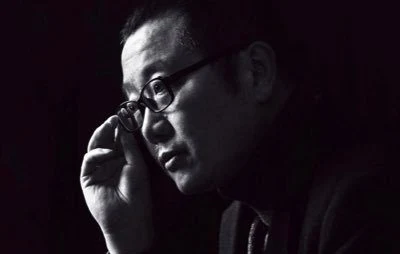
liu cixin author portrait

Biography and Achievements 🏆

Liu Cixin was born on June 23, 1963, in Yangquan, Shanxi, China. His formative years during the violent turmoil of the Cultural Revolution profoundly shaped his worldview, instilling in him a deep appreciation for the fragility of order and the power of science as a stabilizing force. After graduating from the North China University of Water Conservancy and Electric Power in 1985, he worked as a computer engineer at a power plant in his home province, a role he maintained for decades while writing his groundbreaking fiction in his spare time.

He began publishing in the 1990s, quickly gaining recognition within China and winning the prestigious **Galaxy Award** nine times. This established him as a leading voice in Chinese science fiction long before his international breakthrough. Despite his accolades, Liu remains grounded, famously describing his primary role as that of a "storyteller" whose goal is to create "the most shocking and imaginative tales."

Major Work: The Remembrance of Earth's Past Trilogy 🌌

More famously known as *The Three-Body Problem* trilogy, this series is Liu's magnum opus and the work that catapulted him to global fame.

  • "The Three-Body Problem" (2006): The story begins during the Cultural Revolution, where a disillusioned scientist makes a fateful decision that invites an alien civilization, the Trisolarans, to Earth. The novel brilliantly explores themes of betrayal, hope, and the terrifying realization that the fundamental laws of physics may be under intelligent attack. Its 2015 Hugo Award win was a historic moment, marking the first time a translated novel received the honor.
  • "The Dark Forest" (2008): This installment presents Liu’s chilling solution to the Fermi Paradox, the question of "Where is everybody?" in a seemingly empty universe. He posits the "Dark Forest theory" of cosmic sociology: the universe is a dark forest teeming with silent, paranoid hunters (civilizations). Any civilization that reveals its existence is immediately targeted for destruction by others to eliminate potential threats. This establishes a grim, high-stakes game of cosmic survival.
  • "Death’s End" (2010): The trilogy's conclusion expands the canvas to an unimaginable scale, exploring concepts like dimensional warfare, pocket universes, and the ultimate fate of the cosmos. It's a poignant and devastating examination of humanity's struggle with cosmic-level ethical dilemmas, where compassion and logic are pitted against each other with the survival of the universe at stake.

Other Notable Works 📚

  • "Ball Lightning" (2004): A gripping novel that serves as a thematic precursor to the *Three-Body* trilogy. It follows a scientist whose life is defined by a quest to understand the bizarre phenomenon of ball lightning after it tragically kills his parents. The story is a masterful blend of scientific obsession, military intrigue, and quantum physics.
  • "The Wandering Earth" (2000): A collection of novellas led by the iconic title story. It imagines a future where humanity must transform Earth into a colossal starship, powered by thousands of fusion engines, to escape the dying Sun and embark on a 2,500-year journey to a new star system. It's a powerful ode to collective sacrifice and engineering on an epic scale.
  • "To Hold Up the Sky" (2020): This collection of short stories showcases Liu's versatility. Tales like "The Village Teacher" beautifully merge the cosmic with the deeply personal, depicting how the legacy of a humble rural teacher ends up saving the entire human race from casual alien annihilation.

Adaptations into Television and Film 🎬

Liu Cixin's vivid storytelling has proven to be fertile ground for screen adaptations, leading to several high-profile projects that have brought his visions to life for a mass audience.

  • 3 Body Problem (Netflix, 2024): An ambitious English-language adaptation from the creators of Game of Thrones. It streamlines the trilogy's complex plot and characters for a global audience, blending elements from all three books. It was praised for its visual spectacle and its success in making the dense scientific concepts accessible.
  • Three-Body (Tencent, 2023): A 30-episode Chinese series renowned for its remarkable faithfulness to the first novel. This adaptation was lauded by fans of the book for its meticulous pacing and deep dive into the source material's scientific and political intricacies.
  • The Wandering Earth (2019) & The Wandering Earth 2 (2023): These Chinese-produced films became massive blockbuster phenomena. They are visually stunning disaster epics that celebrate scientific ingenuity and collective heroism, proving that Chinese science fiction could compete on the global stage.

Impact and Legacy 🧠

Liu Cixin single-handedly elevated Chinese science fiction onto the world stage. His success has not only earned him prestigious awards but has also inspired a new generation of writers in China and sparked immense interest in non-Anglophone sci-fi worldwide. Barack Obama famously said the trilogy was "immensely imaginative" and made "the day-to-day problems with Congress seem fairly petty."

His novels challenge readers to confront uncomfortable truths about humanity's future, existential risks, and the unforgiving nature of the universe. By grounding his cosmic epics in hard science, he forces a reckoning with the immense technical and moral challenges that lie ahead. Liu Cixin's legacy is that of a visionary who expanded the imaginative boundaries of science fiction, proving that the genre's most profound questions are truly universal.

Themes in Death's End: Humanity, Cosmic Existence, and Ethical Dilemmas

Liu Cixin's Death's End, the final book in the Remembrance of Earth's Past trilogy, takes readers on a profound exploration of themes that challenge our understanding of humanity, cosmic existence, and the ethical dilemmas faced by civilizations. 

Through its intricate storytelling and visionary imagination, the novel prompts readers to contemplate the far-reaching implications of our actions, the nature of our place in the universe, and the complex choices that shape our collective destiny.


deaths end themes cixin liu

The Fragility and Resilience of Humanity:

Death's End serves as a powerful reminder of the fragility of humanity in the face of cosmic forces. As humanity encounters advanced alien civilizations and grapples with existential threats, the book examines the resilience and perseverance of individuals. Characters like Cheng Xin symbolize the human capacity to endure and adapt in the face of unimaginable challenges. Liu Cixin portrays the strength and vulnerability of humanity, emphasizing the importance of unity and collective action in shaping our destiny. Through their struggles and triumphs, readers witness the indomitable spirit of humanity and its ability to confront adversity.


The Vastness and Incomprehensibility of the Universe:

One of the awe-inspiring aspects of Death's End is its portrayal of the vastness and incomprehensibility of the universe. Liu Cixin pushes the boundaries of imagination, challenging readers' perceptions of time, space, and scale. The novel takes readers on a journey that explores cosmic megastructures, mind-bending physics, and the complexities of alien civilizations. By immersing readers in these grandiose scenarios, the book evokes a sense of wonder and forces us to contemplate our place in the cosmos. The vastness of the universe is juxtaposed with the fleeting nature of human existence, highlighting the awe-inspiring mysteries that lie beyond our current understanding.


The Moral Consequences of Scientific Progress

Death's End delves into the moral complexities and ethical dilemmas surrounding scientific progress. The book presents scenarios where scientific discoveries have profound and far-reaching consequences for humanity and other civilizations. The Wallfacer Project, for instance, explores the ethical dilemmas faced by individuals entrusted with immense power to devise strategies for survival. Liu Cixin raises questions about the responsibility and accountability of those in positions of power and the potential trade-offs between individual well-being and the greater good. Through these thought-provoking scenarios, readers are compelled to consider the moral implications of decision-making and the unintended consequences that arise from scientific advancement.


Existentialism and the Search for Meaning

At its core, Death's End is a contemplation of existential questions about the meaning of life and the purpose of existence. The novel delves into the motivations and desires that drive civilizations and individuals in their pursuit of survival and transcendence. Characters grapple with their place in the universe, reflecting on the fleeting nature of life and the search for significance in the face of inevitable cosmic changes. Liu Cixin's introspective exploration encourages readers to question their own existence, ponder the meaning they ascribe to their lives, and confront the complexities of human nature.


The Consequences of Long-Term Thinking:

The concept of long-term thinking permeates throughout Death's End. Liu Cixin examines the profound ramifications of actions and decisions spanning centuries, even millennia. The novel illustrates how choices made by individuals and civilizations have far-reaching consequences that reverberate throughout time. It explores the interplay between short-term gratification and the long-term sustainability of civilizations. By juxtaposing immediate concerns with the enduring consequences of long-term thinking, the novel invites readers to reflect on the choices they make and the legacy they leave behind.


Conclusion:

Death's End by Liu Cixin is a thought-provoking exploration of profound themes that resonate long after the final page. Through its examination of humanity's fragility, the vastness of the universe, and the moral dilemmas posed by scientific progress, the novel challenges readers to engage in deep contemplation and introspection. It encourages us to consider our place in the cosmos, the choices we make as individuals and societies, and the enduring quest for meaning. Death's End exemplifies the power of literature to elevate the science fiction genre, reminding us of the capacity of stories to deepen our understanding of the human condition and the mysteries of the universe.

Death's End by Liu Cixin: A Mind-Bending Conclusion to an Epic Trilogy

Liu Cixin's Death's End, the final installment in the Remembrance of Earth's Past trilogy, is a masterpiece that pushes the boundaries of imagination and explores profound themes on an awe-inspiring scale. The novel expands upon the foundation laid in its predecessors, The Three-Body Problem and The Dark Forest, taking readers on an exhilarating journey across time and space, delving into the deepest corners of the universe.


One of the most remarkable aspects of Death's End is Liu Cixin's exceptional ability to weave together complex scientific concepts and philosophical ideas into a cohesive and gripping narrative. He effortlessly combines scientific rigor with storytelling prowess, presenting a vivid and mind-bending portrayal of the universe's vastness and the mind-boggling possibilities it holds. From the exploration of alien civilizations to the manipulation of cosmic-scale forces, the book constantly astounds with its grand scope, immersing readers in a world where the limits of imagination are pushed to their breaking point.

death's end novel review


The novel introduces new characters while continuing the story of the protagonists from the previous books, allowing readers to witness their growth and development in the face of unimaginable challenges. Cheng Xin, the central character, stands out as a symbol of humanity's resilience and its struggle to make difficult choices that will shape the fate of civilizations. Her journey is both intimate and epic, evoking a profound sense of empathy and connection. Through the characters' experiences, Liu Cixin explores the depths of human emotion and the complexities of our choices, emphasizing the importance of our decisions in shaping the future.


Liu Cixin's skill in crafting breathtaking set pieces is particularly notable in Death's End. The book is replete with awe-inspiring moments that leave a lasting impact on the reader. The Wallfacer Project, for instance, presents a captivating exploration of strategic planning on a global scale, as individuals are given immense power to devise plans to counter an impending alien invasion. The dark forest dilemma, a concept introduced in the previous book, continues to be a driving force in this installment, evoking a sense of dread and urgency. Additionally, the exploration of the cosmos takes readers on an extraordinary journey, allowing them to witness the beauty and enormity of the universe. Liu Cixin's attention to detail and scientific accuracy further enhance these scenes, making them feel immersive and believable.


Death's End delves into thought-provoking themes that linger long after the final page is turned. Liu Cixin contemplates the nature of existence, the meaning of life, and the fragility of civilizations in the face of cosmic forces. Through his narrative, he challenges our perceptions of time, space, and morality, raising profound questions that encourage introspection and philosophical contemplation. The book forces readers to confront the implications of our actions and decisions, inviting us to ponder the future of humanity and our place in the universe. It prompts us to consider the choices we make as individuals and as a society, and the long-term consequences they might entail.


While Death's End is an incredible achievement, it can be a demanding read due to its complexity and the depth of its scientific and philosophical concepts. The novel requires a certain level of engagement and mental energy from readers to fully grasp and appreciate its intricacies. Some may find the pacing slower during the more contemplative sections, as the narrative explores abstract ideas. However, for those willing to invest their time and effort, the rewards are abundant and well worth the journey.


In conclusion, Death's End is a stunning conclusion to Liu Cixin's Remembrance of Earth's Past trilogy. It showcases the author's unparalleled ability to combine scientific rigor with captivating storytelling, delivering a thought-provoking narrative that transcends the boundaries of conventional science fiction. 


This novel will leave you mesmerized, contemplating the mysteries of the cosmos, and pondering the fate of humanity long after you've turned the final page. It is a testament to the power of imagination and the profound impact literature can have on our understanding of the universe and our place within it.


"The Dark Forest": Exploring themes of Science, Ethics, and Existential Dilemmas

Liu Cixin's "The Dark Forest," the highly anticipated sequel to "The Three-Body Problem," takes readers on an intellectual journey that delves deep into a tapestry of thought-provoking themes. In this article, we will explore some of the central thematic elements that permeate the narrative, examining the intersections of science, ethics, and existential dilemmas within the novel's complex framework.


The Boundaries of Science and Human Understanding:

"The Black Forest" stretches the limits of scientific speculation, urging readers to confront the boundaries of human knowledge. For example, the concept of the "Sophon" illustrates this theme. These subatomic particles with altered dimensions challenge our understanding of physics, blurring the line between science fiction and scientific possibility. The exploration of the Trisolaran civilization and their advanced technology, which is centuries ahead of humanity's, emphasizes the vastness of the universe and the limitations of our comprehension.


Ethics in a World of Technological Advancement


Ethical dilemmas abound in "The Dark ForestForest" as humanity faces existential threats and grapples with the consequences of scientific progress. The deterrence program, designed to prevent potential alien invasions, raises profound ethical questions. The program involves sacrificing the privacy and autonomy of individuals by monitoring their thoughts and actions. This raises concerns about the balance between security and personal freedoms, highlighting the complexities of ethical decision-making in the face of survival.


Humanity's Struggle with Existential Crises

Existential themes resonate strongly throughout "The Dark Forest Forest." For instance, the concept of the "Dark Forest" introduces the notion that the universe is teeming with civilizations, but silence prevails as each civilization hides in fear of annihilation. This concept prompts characters to grapple with their place in an unfathomably vast and potentially hostile universe. The exploration of the Trisolaran's quest for survival and the consequential choices made by both humanity and alien civilizations force the characters and readers alike to confront the essence of human existence.

The Complexity of Human Relationships

Within the sweeping narrative of "The Dark Forest Forest," the intricate dynamics of human relationships are explored. For instance, Cheng Xin's complex relationship with Yun Tianming, her childhood friend and love interest, serves as a poignant exploration of love, loyalty, and sacrifice. Despite the vast distances and challenges they face, their emotional bond endures, exemplifying the resilience of human connections. Additionally, the interactions between characters from different backgrounds and ideologies highlight the intricate tapestry of relationships that shape the course of events.


Conclusion

"The Black Forest" is a thought-provoking novel that deftly weaves together themes of science, ethics, and existentialism. Through compelling examples from the narrative, such as the enigmatic Sophons, the ethical dilemmas of the deterrence program, the existential crisis embodied by the Dark Forest concept, and the complexity of human relationships, Liu Cixin invites readers to contemplate profound questions about the boundaries of human knowledge, the moral implications of technological advancements, the meaning of existence, and the power of human connections.

 "The Black Forest" demonstrates the transformative power of science fiction in engaging with these fundamental questions and underscores the enduring significance of literature in exploring the depths of our shared human experience.

The Black Forest: A Riveting Continuation of the Three-Body Problem Series

"The Black Forest" by Liu Cixin is a highly anticipated sequel to the award-winning science fiction novel, "The Three-Body Problem." As a fan of the original book, I was thrilled to delve back into Liu Cixin's intricately crafted universe filled with mind-bending concepts and philosophical dilemmas. While "The Black Forest" may not reach the same heights as its predecessor, it remains a compelling and thought-provoking read.

Reviewer Rating: ★★★★☆

the black forest review Liu Cixin


One of the notable strengths of Liu Cixin's writing is his ability to blend scientific theories with captivating storytelling. "The Black Forest" continues this trend, delving deeper into the mysteries of the three-body problem and the consequences it holds for humanity. The author's vivid imagination is on full display as he introduces new and intriguing concepts, pushing the boundaries of our understanding of the universe.

The novel picks up after the events of "The Three-Body Problem," following the aftermath of the Trisolaran invasion and the establishment of the deterrence program. The story primarily revolves around Cheng Xin, an aerospace engineer, who finds herself caught in the middle of a race against time to prevent an imminent cosmic disaster. Liu Cixin skillfully weaves together various narrative threads, spanning different time periods and perspectives, creating a complex and layered plot that gradually unfolds.

While the plot is engrossing, "The Black Forest" does suffer from pacing issues at times. The story moves at a slower pace compared to its predecessor, with extensive scientific discussions and philosophical musings that may test the patience of some readers. However, for those who appreciate the intellectual depth of hard science fiction, these sections offer fascinating insights into topics such as game theory, advanced physics, and the nature of consciousness.

Characterization is another aspect that could have been further developed in "The Black Forest." While Cheng Xin is a relatable protagonist with her own set of strengths and weaknesses, the supporting cast often feels somewhat underdeveloped. Some characters from the previous book make appearances, but their roles are relatively limited, leaving a desire for deeper exploration of their motivations and actions.

Despite these minor flaws, Liu Cixin's world-building continues to impress. The intricate details of the societies and technological advancements within the novel create a rich and immersive backdrop for the story. From the virtual reality world of the "game" to the vast cosmic landscapes, the author's vivid descriptions breathe life into the setting, enabling readers to visualize and engage with the narrative on a deeper level.

"The Black Forest" received mixed reviews from critics. While many praised Liu Cixin's ambitious ideas and his ability to tackle complex scientific concepts, some felt that the sequel didn't quite match the brilliance of its predecessor, "The Three-Body Problem."

Critics who enjoyed the novel applauded Liu Cixin's thought-provoking exploration of topics such as game theory, physics, and humanity's place in the universe. They found the concepts presented in the book intellectually stimulating and appreciated the author's ability to seamlessly blend hard science fiction with philosophical themes. The intricate world-building and the vivid descriptions of both technological advancements and cosmic landscapes were also commended.

However, some reviewers pointed out pacing issues and a lack of character development as drawbacks. They felt that the book's slower pace and extensive scientific discussions may not appeal to all readers, and the supporting characters were not as fleshed out as they could have been.

"The Black Forest" is a worthy sequel that expands upon the fascinating ideas introduced in "The Three-Body Problem." Liu Cixin's unique blend of scientific speculation and philosophical contemplation makes for a compelling read, even if the pacing and character development could have been refined. Fans of hard science fiction and those who appreciate intellectually challenging narratives will find this book a satisfying addition to the series, leaving them eagerly anticipating the next installment in the Three-Body Problem saga.

The Three-Body Problem Review: An Epic Journey through Science, History, and the Fate of Humanity

"The Three-Body Problem" is a science fiction novel written by Liu Cixin, a prominent Chinese author. Liu Cixin is widely recognized for his imaginative storytelling and scientific rigor in his works. He has been hailed as one of the most important voices in contemporary science fiction and has garnered numerous awards for his contributions to the genre.

Set against the backdrop of both China's tumultuous history and the vastness of space, "The Three-Body Problem" takes readers on a captivating journey. The novel begins during the Cultural Revolution in China, a period marked by political turmoil and upheaval. The story then transitions to the present day, where the protagonist, Ye Wenjie, a physicist, becomes entangled in a mysterious virtual reality game called Three Body.

As the narrative unfolds, a unique scientific problem, known as the three-body problem, emerges as a central plot device. This problem refers to the complex calculations involved in predicting the gravitational interactions between three celestial bodies. As humanity's understanding of the three-body problem deepens, it becomes intertwined with a larger cosmic struggle between Earth and an alien civilization from the Trisolaris system.


the three body problem novel themes

"The Three-Body Problem" tackles a multitude of themes that are explored throughout the novel. 

Science and Technology

Science and technology play a crucial role in "The Three-Body Problem" as they shape the narrative and propel the story forward. The novel highlights the significance of scientific inquiry and technological advancements in understanding the universe and addressing the challenges humanity faces. It underscores the idea that science is not just a field of study but a tool for exploration, discovery, and survival.

Throughout the novel, scientific advancements drive the narrative by presenting new possibilities and posing complex questions. The concept of the three-body problem itself serves as a driving force, both in terms of the physics it represents and the existential implications it carries. As scientists in the story delve deeper into understanding the three-body problem, they uncover profound truths about the nature of the universe and the potential threats it poses to humanity. These scientific discoveries become catalysts for further exploration, conflict, and decision-making.

Liu Cixin masterfully integrates scientific theories and concepts into the fabric of the story. From discussions on gravitational interactions and astrophysics to the exploration of virtual reality and advanced technology, the novel incorporates a range of scientific ideas. The author strives to make these concepts accessible to readers, using vivid imagery and engaging explanations to convey complex scientific principles. 

The accuracy and rigor with which Liu Cixin presents scientific theories lend credibility to the narrative, creating a sense of plausibility within the fictional world he constructs.

The exploration of science and technology in "The Three-Body Problem" raises several ethical and philosophical questions. As humanity grapples with the knowledge of an impending alien invasion, ethical dilemmas arise regarding the potential sacrifices and compromises required for survival. The novel prompts readers to reflect on the moral implications of scientific progress and the responsible use of technology.

It also delves into the tension between scientific curiosity and the unintended consequences that may arise from meddling with forces beyond human control.

Furthermore, the novel contemplates the implications of the human quest for knowledge, and whether there are certain truths that are better left undiscovered.


Cultural Revolution and Historical Context

The Cultural Revolution has a profound impact on the characters in "The Three-Body Problem." It serves as a backdrop that shapes their motivations, ideologies, and personal histories. The turmoil and ideological fervor of the Cultural Revolution create a sense of distrust, fear, and chaos that permeates t

he lives of the characters. Ye Wenjie, the central protagonist, experiences the tragic consequences of the Cultural Revolution when her father is unjustly persecuted and dies. This event fuels her disillusionment with humanity and influences her subsequent decisions and actions.


The historical context of the novel, particularly the Cultural Revolution, plays a significant role in shaping the narrative. By intertwining the story with China's history, Liu Cixin provides a broader framework for understanding the characters' experiences and motivations. The Cultural Revolution was a tumultuous period in Chinese history marked by ideological struggle, political upheaval, and widespread violence. 

By incorporating this historical backdrop, the author not only grounds the story in a specific time and place but also explores the larger societal and political forces that shape the characters' lives.

The Cultural Revolution deeply shapes the characters' perspectives and actions in "The Three-Body Problem." The trauma and upheaval they experience during this period leave lasting scars on their psyches. Ye Wenjie, for instance, becomes disillusioned with humanity's capacity for progress and believes that civilization is doomed. 

This perspective influences her involvement with the Trisolaran civilization and her decision to collaborate with them against humanity. Other characters, such as Wang Miao, a nanomaterials researcher, struggle with their own memories and the repercussions of the Cultural Revolution. The historical context of the Cultural Revolution influences their choices, alliances, and the conflicts they encounter throughout the narrative.

The novel's engagement with China's history carries thematic implications that resonate beyond the immediate storyline. By exploring the impact of the Cultural Revolution, "The Three-Body Problem" raises questions about loyalty, ideology, and the consequences of political extremism. It prompts readers to reflect on the long-lasting effects of historical trauma and the ways in which it shapes individual and collective identities.


Communication and Contact


"The Three-Body Problem" delves into the theme of communication with extraterrestrial life, presenting it as a profound and complex challenge. The novel explores the inherent difficulties in bridging the gap between two vastly different civilizations, highlighting the linguistic, cultural, and technological barriers that hinder effective communication. It raises questions about the nature of language and the limitations of human understanding when faced with an alien intelligence.

The challenges and consequences of contact with an alien civilization are central to the narrative of the novel. As humans make contact with the Trisolarans, they encounter a range of dilemmas and uncertainties. The novel examines the potential cultural clashes, misinterpretations, and conflicts that arise when two species with divergent perspectives and values attempt to communicate. 

It also explores the existential and psychological consequences of discovering that humanity is not alone in the universe.

"The Three-Body Problem" delves into the intricacies of interstellar communication, contemplating the vast distances, time delays, and complexities involved in transmitting and receiving messages across cosmic distances. 

The novel grapples with the question of whether communication with extraterrestrial civilizations is ultimately beneficial or detrimental for humanity. It raises philosophical and ethical considerations about the potential impact of such contact on human culture, identity, and evolution.

Furthermore, the exploration of interstellar communication in the novel has broader implications for humanity. It challenges our perceptions of our place in the universe, our understanding of intelligence, and the notion of cosmic solitude. 

By contemplating the challenges and possibilities of communicating with alien civilizations, the novel encourages readers to ponder the fundamental questions of human existence and our relationship to the cosmos.

Communication and contact with the Trisolaran civilization significantly shape the beliefs and actions of the characters in "The Three-Body Problem." Some characters are drawn to the idea of establishing contact with an advanced extraterrestrial civilization, believing it holds the potential for knowledge, progress, and salvation. 

Others harbor deep skepticism and fear, viewing contact as a threat to humanity's survival or a disruption of established systems and beliefs. The novel showcases how different perspectives on communication and contact shape alliances, conflicts, and the characters' moral choices.

Moreover, the characters' interactions with the Trisolarans challenge their preconceived notions and force them to reevaluate their beliefs and loyalties. Communication becomes a catalyst for personal transformation, leading characters to confront their biases, prejudices, and the limitations of their worldview. 

It prompts them to grapple with existential questions, moral dilemmas, and the search for meaning and purpose in a universe teeming with possibilities.

Environmentalism and the Fate of Humanity

"The Three-Body Problem" incorporates environmental issues as a significant theme. The novel portrays Earth's ecological challenges and the consequences of human actions on the environment. 

It raises awareness of the fragility of our planet and the potential consequences of unchecked exploitation and degradation. By highlighting environmental concerns, the story prompts readers to contemplate the urgent need for sustainable practices and responsible stewardship of the Earth.

The impending crisis presented in the novel profoundly affects humanity's choices and actions. As the threat of the Trisolaran invasion looms, characters grapple with the realization that their survival is at stake. This existential crisis forces individuals and societies to confront their own shortcomings, reevaluate their priorities, and make difficult decisions. 

The impending crisis serves as a catalyst for both cooperation and conflict, as different factions emerge with contrasting ideas on how to respond to the threat.

The theme of survival and the potential fate of humanity loom large in "The Three-Body Problem." As humanity faces the possibility of annihilation, the novel explores the resilience, adaptability, and will to survive that define the human spirit. It examines the lengths individuals and societies are willing to go to ensure their survival, as well as the sacrifices and compromises that come with it. The fate of humanity becomes intertwined with the choices made by characters, reflecting the delicate balance between hope and despair.

The environmental themes in "The Three-Body Problem" raise philosophical and moral questions about humanity's relationship with nature and its responsibilities as custodians of the Earth. The novel prompts readers to reflect on the consequences of our actions and the long-term impact of our choices on the planet. 

Conclusion

The themes of  "The Three-Body Problem" holds significant significance and impact in the realm of science fiction literature. It has garnered international acclaim and has been widely recognized for its originality and visionary ideas. The novel pushes the boundaries of imagination and challenges conventional notions of storytelling. It demonstrates the power of science fiction as a genre to explore complex scientific, historical, and philosophical concepts while providing both intellectual stimulation and emotional resonance.


Moreover, "The Three-Body Problem" serves as a bridge between Chinese science fiction and the global literary landscape, introducing readers to a rich and diverse tradition of storytelling. It showcases the universal themes and concerns that transcend cultural boundaries, making it accessible and relatable to readers worldwide.


In conclusion, "The Three-Body Problem" is a remarkable work of science fiction that intertwines scientific rigor, historical context, and philosophical inquiry. It captivates readers with its thought-provoking themes, compelling characters, and imaginative storytelling. The novel stands as a testament to the power of science fiction to explore profound ideas, challenge assumptions, and offer fresh perspectives on the human condition and our place in the universe.

Analyzing the Themes of 'The Empire Strikes Back

"The Empire Strikes Back," released in 1980, is the second installment in the original Star Wars trilogy, directed by Irvin Kershner. As a continuation of the epic space opera, it follows the journey of the Rebel Alliance in their struggle against the tyrannical Galactic Empire. Beyond its surface-level excitement and captivating narrative, "The Empire Strikes Back" presents a rich tapestry of themes that offer a deeper understanding of the story and its characters.

By delving into the exploration of the nature of good and evil, the hero's journey, and the complexities of relationships, the film invites viewers to reflect on profound philosophical and psychological concepts. Thus, this essay will examine these themes to illuminate the thematic depth and significance of "The Empire Strikes Back."

"The Empire Strikes Back" delves into various profound themes, including the nature of good and evil, the hero's journey, and the complexities of relationships.

yoda and luke


The Nature of Good and Evil

"The Empire Strikes Back" delves deeply into the nature of good and evil, primarily through the exploration of the Force and the conflict between the dark side and the light side. The concept of the Force represents an energy field that binds the Star Wars universe together, and it is depicted as having two distinct aspects: the dark side and the light side.


Throughout the film, the dark side of the Force is embodied by the Sith, particularly Darth Vader and Emperor Palpatine. Their malevolence and thirst for power are evident, as they seek to crush the Rebel Alliance and assert their dominance over the galaxy. The audience witnesses the remnants of the Sith's past conflicts with the Jedi, most notably through the mention of Order 66, which resulted in the near-extinction of the Jedi Order. This history underscores the immense consequences of succumbing to the dark side's allure.


Meanwhile, the light side of the Force is represented by the Jedi, especially Luke Skywalker and Yoda. They embody the virtues of selflessness, courage, and compassion, striving to protect the galaxy from the Sith's tyranny. However, the characters in "The Empire Strikes Back" are not immune to the temptations of the dark side. Luke Skywalker, in particular, grapples with his inner darkness and faces the temptation to embrace his anger and aggression during his climactic duel with Darth Vader.


The film also emphasizes the moral ambiguity and gray areas between good and evil. Characters like Lando Calrissian, initially perceived as morally ambiguous due to his dealings with the Empire, showcase the complexities of navigating a universe entrenched in the clutches of evil. This exploration of moral ambiguity adds depth to the narrative, forcing viewers to question the binary perception of good and evil and acknowledge the complexities that lie within individuals and their choices.


empire strikes back themes symbolism


The Hero's Journey

"The Empire Strikes Back" undertakes the classic hero's journey narrative structure, with Luke Skywalker's character development serving as a central element. The film explores the various stages of the hero's journey, highlighting Luke's transformation and growth as he faces challenges and learns valuable lessons along the way.


The hero's journey begins with the call to adventure, as Luke Skywalker receives the summons to join the Rebel Alliance and confront the Empire. However, he initially refuses the call, expressing doubt and a lack of self-belief. This hesitation stems from his fear of failure and the weight of his responsibilities. This reluctance adds depth to Luke's character, making him relatable and showcasing his vulnerabilities.


To aid Luke on his journey, the film introduces the wise and experienced Jedi Master, Yoda. Yoda becomes Luke's mentor and provides guidance, teaching him the ways of the Force and imparting invaluable wisdom. Through their interactions, the audience witnesses Luke's growth and his gradual acceptance of his role as a Jedi and a hero.


Throughout the film, Luke faces trials and tribulations that test his resolve and fortitude. These challenges include his encounter with the sinister Darth Vader, his training on the swampy planet of Dagobah, and his confrontation with the shocking revelation of his true parentage. These obstacles force Luke to confront his fears, doubts, and inner darkness, ultimately forging him into a stronger and more resilient character.


"The Empire Strikes Back" portrays Luke's journey as a transformative experience. He undergoes a profound personal and spiritual growth, shedding his naïveté and embracing the responsibilities and burdens that come with being a Jedi. The film emphasizes the importance of adversity in shaping the hero and highlights that growth often arises from overcoming obstacles and learning from them.


By portraying Luke Skywalker's hero's journey, "The Empire Strikes Back" inspires viewers to reflect on their own personal journeys and the transformative power of facing challenges head-on. It reminds us that growth and self-discovery often occur through perseverance, mentorship, and embracing the trials we encounter along the way.


The Complexities of Relationships

"The Empire Strikes Back" explores the complexities of relationships, both romantic and familial, and highlights the impact they have on the characters and the overall narrative. The film delves into the intricacies of love, loyalty, trust, and the consequences that arise from these dynamics.


In terms of romantic relationships, "The Empire Strikes Back" introduces the dynamic between Han Solo and Princess Leia Organa. Their relationship is characterized by witty banter, tension, and an underlying attraction. However, their connection is tested as Han Solo is captured by Darth Vader and frozen in carbonite. This separation leads Leia to confront her feelings and express her love for Han in the iconic line, "I love you," to which Han responds, "I know." This moment showcases the complexities of their relationship, with the characters displaying vulnerability and emotional depth.


"The Empire Strikes Back" further explores familial relationships through the bond between Luke Skywalker and Darth Vader. The revelation of Darth Vader being Luke's father serves as a pivotal moment in the narrative, testing the loyalty and trust between them. This revelation challenges Luke's perception of good and evil, and his subsequent interactions with Darth Vader become an exploration of the redemptive power of love and the potential for forgiveness.


Throughout the film, the importance of loyalty and trust is emphasized. The characters navigate the complexities of their relationships, confronting betrayal, sacrifice, and the consequences of their choices. Leia learns to trust in her feelings for Han, and Luke grapples with reconciling his familial connection to Darth Vader with his commitment to the light side of the Force.


"The Empire Strikes Back" underscores that relationships are not straightforward, but rather multifaceted and layered. It explores the profound impact they have on character development and the choices individuals make. The film prompts viewers to contemplate the complexities of their own relationships, emphasizing the significance of trust, loyalty, and the transformative power of love.


yoda empire strikes back themes


Symbolism and Imagery

"The Empire Strikes Back" employs symbolism and imagery to enhance the narrative and convey deeper thematic meaning. The film utilizes various symbolic elements to evoke emotions, provide visual storytelling, and explore the overarching themes of the story.


One significant example of symbolism is the icy planet Hoth, where the Rebel Alliance establishes its base at the beginning of the film. The frozen landscape of Hoth represents a harsh and unforgiving environment, mirroring the challenges faced by the Rebel Alliance in their fight against the oppressive Empire. The planet's desolate and isolated nature serves as a metaphor for the daunting task of resisting tyranny, and the Rebellion's ability to survive in such harsh conditions symbolizes their resilience and determination.


Darth Vader's iconic mask is another potent symbol in the film. The mask serves multiple purposes, both visually and thematically. On a visual level, the mask conceals Vader's true identity, enhancing his air of mystery and intimidation. Symbolically, the mask represents the dehumanization of Anakin Skywalker and his transformation into a Sith Lord. It serves as a physical representation of Vader's allegiance to the dark side of the Force and his detachment from his former identity.


The image of the cave, as experienced by Luke Skywalker during his training on Dagobah, carries symbolic implications. The cave serves as a metaphorical representation of the character's internal struggle and the darkness within himself. When Luke confronts his fears and enters the cave, he is confronted by a vision of Darth Vader. This encounter symbolizes Luke's own inner battle with his fears, doubts, and the temptation to succumb to the dark side. The cave's symbolic significance emphasizes the importance of self-awareness, confronting one's own shadows, and making conscious choices in the face of adversity.


The Philosophy of Balance

"The Empire Strikes Back" delves into the philosophy of balance, primarily through the teachings of Yoda and the contrasting elements of light and dark, order and chaos. The film explores the implications of imbalance and the consequences it can have on individuals and the galaxy at large.


Yoda, the wise Jedi Master, imparts essential teachings on the nature of the Force and the importance of balance. He emphasizes that the Force is not solely aligned with the light side but encompasses both the light and the dark. Yoda teaches that true balance is achieved by acknowledging and understanding the existence of both aspects and maintaining harmony between them.


The contrast between light and dark is a recurring theme in "The Empire Strikes Back." The light side of the Force represents attributes such as compassion, selflessness, and harmony, while the dark side embodies fear, aggression, and the lust for power. The film explores the consequences of succumbing to the extremes of either side, illustrating that unchecked power or unwavering pacifism can lead to imbalance and dire consequences.


The implications of imbalance are evident in the narrative. Darth Vader, consumed by the dark side, represents an extreme imbalance and serves as a cautionary example of the dangers of unchecked power and the pursuit of personal gain. His actions and choices throughout the film highlight the destructive consequences of embracing the dark side fully.


themes of the empire strikes back


Conclusion

"The Empire Strikes Back" stands as a cinematic masterpiece that goes beyond its surface-level entertainment value, delving into profound themes that captivate audiences and invite deeper analysis. By exploring the themes of the nature of good and evil, the hero's journey, the complexities of relationships, symbolism and imagery, and the philosophy of balance, the film provides a rich tapestry of ideas for viewers to contemplate and engage with.


Analyzing the themes in "The Empire Strikes Back" is crucial to unlocking the film's deeper meaning and appreciating its enduring impact. It allows viewers to connect with the characters on a more profound level, understand their motivations, and reflect on the universal truths and philosophical concepts embedded within the narrative.


Throughout this essay, we have explored the key themes of the film. We have examined the exploration of the nature of good and evil, with the dichotomy between the dark side and the light side of the Force, and the moral ambiguity and gray areas between them. We have also delved into the hero's journey, tracing Luke Skywalker's character development, his trials, and his growth through adversity.


The enduring impact of these themes is undeniable. "The Empire Strikes Back" continues to resonate with audiences, transcending generational boundaries. Its exploration of fundamental philosophical and psychological concepts invites viewers to reflect on their own lives, relationships, and personal journeys. The film's themes remind us of the complexities of the human experience, the eternal struggle between good and evil, and the transformative power of growth and self-discovery.

Back to Top